
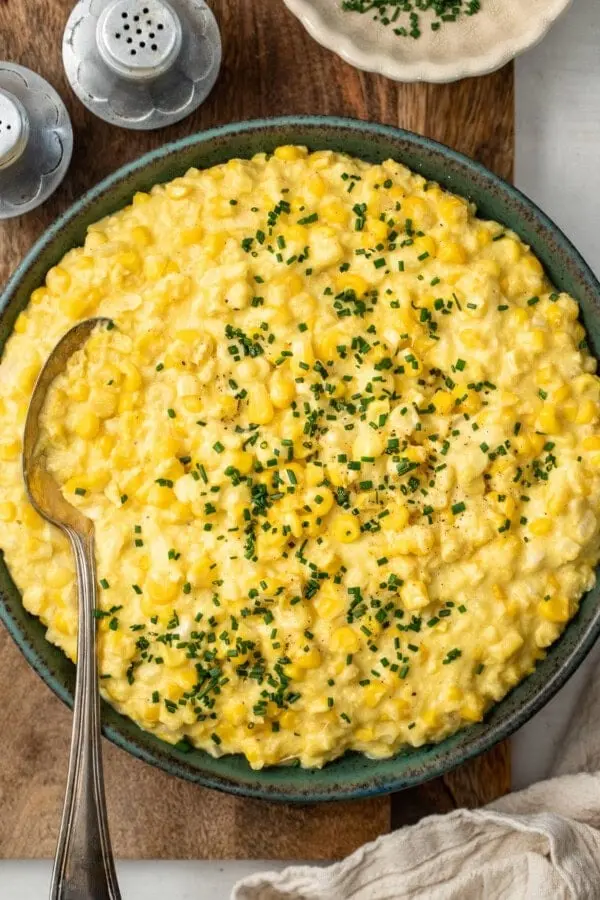
The culinary landscape is constantly evolving, with home cooks seeking ways to modernize classic comfort foods without sacrificing the familiar flavors that define traditional family meals. A prime example of this trend is the latest recipe release from Skinnytaste, which offers a fresh perspective on homemade creamed corn. By eschewing heavy cream and flour—staples of the traditional version—this recipe provides a lighter, more nutrient-dense alternative that emphasizes the natural sweetness and texture of the corn itself.

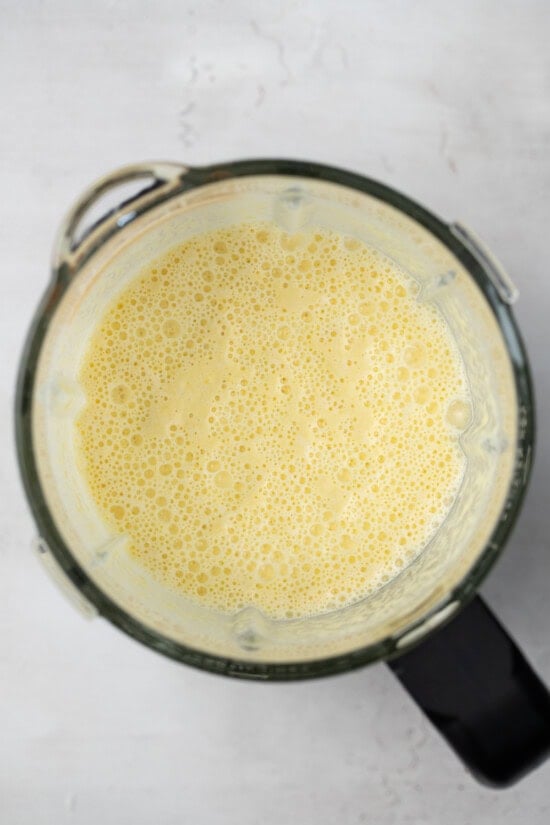
For generations, creamed corn has been a staple side dish, particularly during holiday gatherings and cozy weeknight dinners. However, the traditional preparation often relies heavily on calorie-dense ingredients to achieve its characteristic consistency. The new approach moves away from this reliance on heavy cream and white flour, instead utilizing a clever technique that blends a portion of the corn with milk and reduced-fat cream cheese. This method effectively thickens the sauce while maintaining a velvety mouthfeel, all while keeping the dish accessible for those monitoring their nutritional intake.
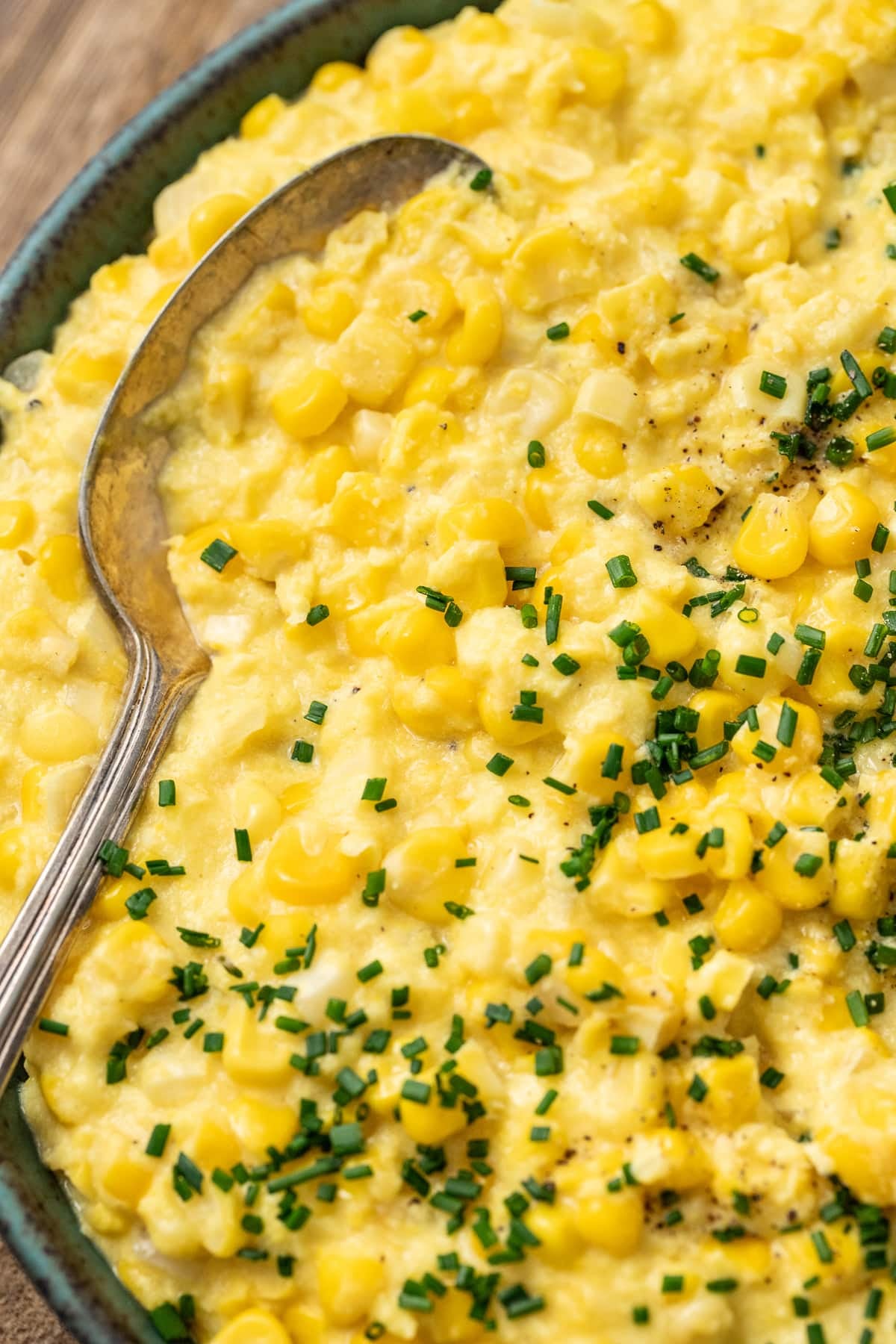
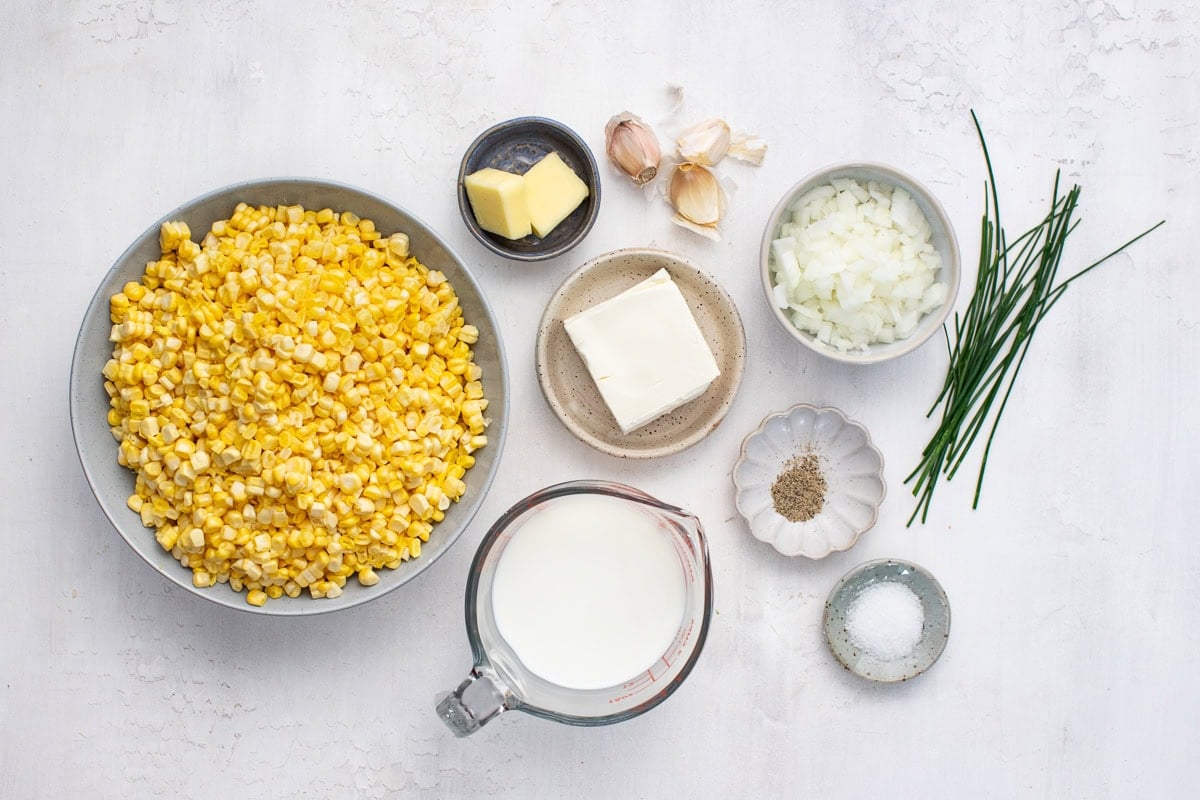
The foundation of this dish is simplicity. By incorporating fresh or high-quality frozen sweet corn, the recipe ensures that the star ingredient remains the focus. The process involves sautéing aromatics such as onions and garlic in a small amount of butter, which provides a savory base that balances the inherent sugars of the corn. This eliminates the need for any added refined sugars, allowing the natural profile of the vegetable to take center stage. The result is a side dish that feels indulgent yet remains aligned with contemporary health-conscious cooking practices.

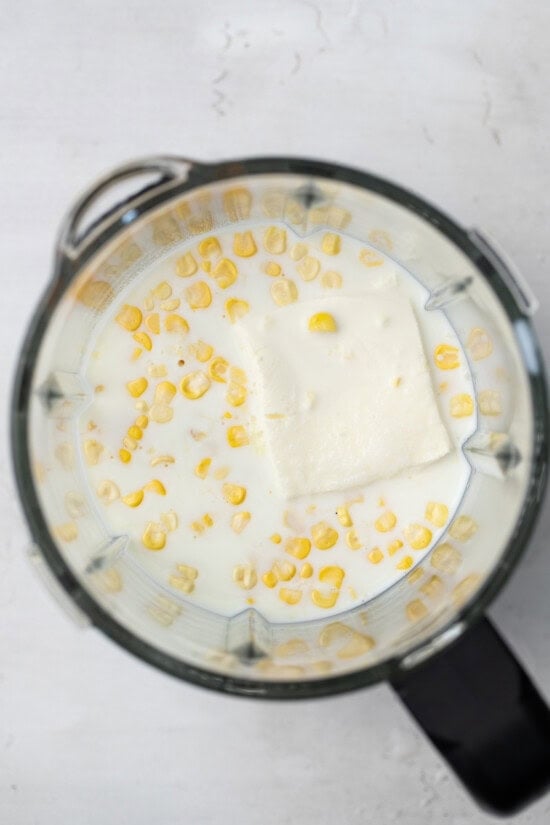
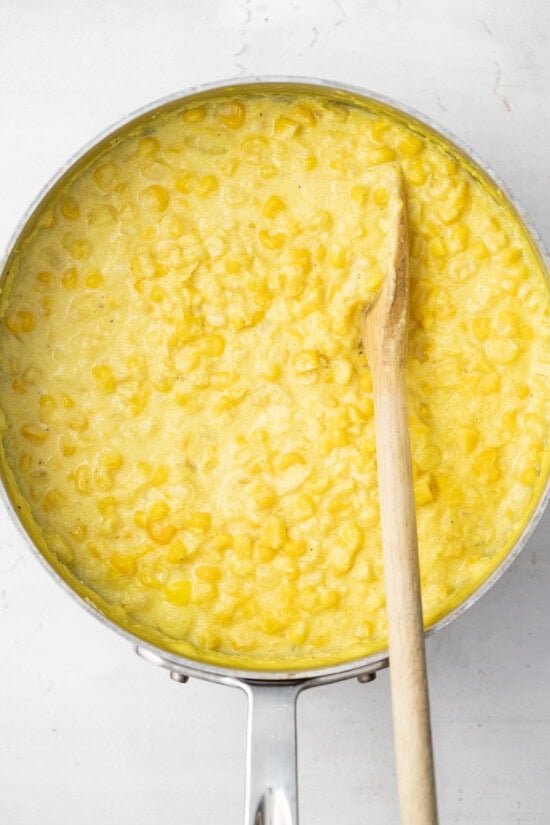
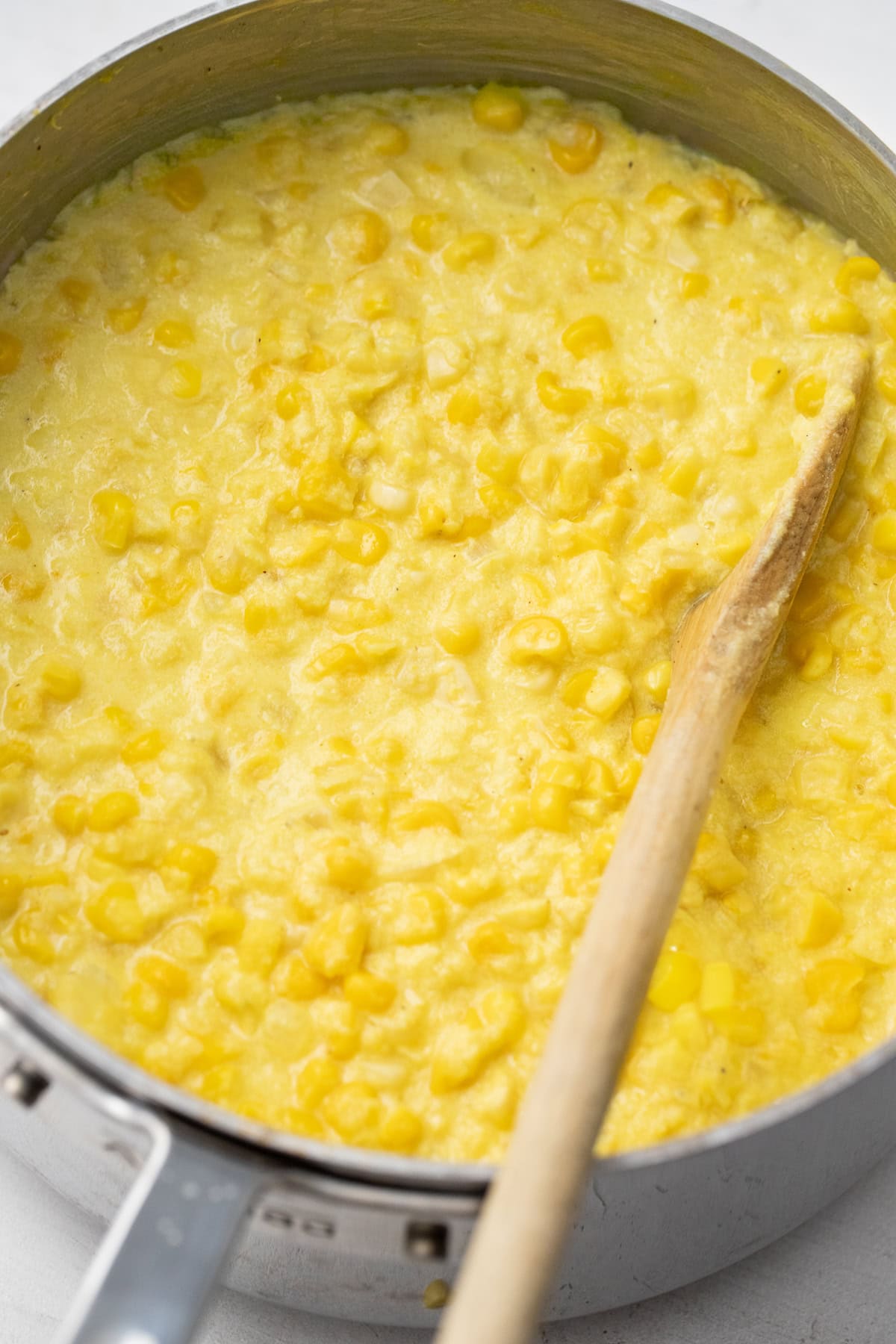
Beyond the flavor profile, the texture of the dish is a result of a thoughtful two-part process. By blending a segment of the corn kernels with the liquid components, the cook creates a rich, emulsified sauce. When this puree is folded back into the remaining whole kernels, it creates a contrast in texture that is often missing from canned or heavily processed versions. The whole kernels provide a satisfying "pop" and a clean, crisp finish, while the sauce binds the dish together in a cohesive, creamy manner.

This recipe is designed with versatility in mind, making it an appropriate addition to a wide range of menus. Whether served alongside a classic dry-brined turkey for a Thanksgiving feast or paired with more casual weeknight staples like roasted chicken, air-fried steak, or succulent pork tenderloin, the creamed corn serves as a bridge between tradition and modern dietary preferences. Its ability to complement both delicate white meats and robust, savory proteins highlights its culinary utility.
The development of this recipe also reflects a broader movement in home cooking that prioritizes pantry staples and accessible techniques. A blender and a standard large saucepan are the only pieces of equipment required to produce the dish, removing barriers to entry for novice cooks. The primary challenge, if one exists, is the importance of heat management. The recipe emphasizes that the sauce must be allowed to thicken gently. Rather than subjecting the mixture to high, aggressive heat, which could cause the dairy components to separate or the corn to lose its vibrancy, a slow and steady simmer allows the flavors to meld effectively.
For those who prioritize advance preparation, the dish is particularly well-suited to the demands of busy schedules. Like many vegetable-based side dishes, the flavors of the creamed corn often develop further after resting, making it an ideal candidate for meal prep. It can be prepared in advance and reheated with ease, ensuring that the host or home cook is not tethered to the stove while guests arrive. Furthermore, the recipe is naturally gluten-free, providing a worry-free option for those with dietary sensitivities, provided that individual labels on ingredients like cream cheese are verified.
The shift toward such recipes represents a broader appetite for transparency and control in the kitchen. By making creamed corn from scratch, cooks gain complete oversight of the sodium, fat, and sugar content, avoiding the preservatives and additives often found in commercially available versions. The use of reduced-fat cream cheese is a testament to the culinary philosophy of achieving luxury through technique rather than through excessive calories. This approach demonstrates that healthy eating does not require the sacrifice of the sensory pleasures associated with comfort food.
While the recipe is optimized for its current form, it invites experimentation. Variations can be easily introduced to suit regional tastes or seasonal availability. For instance, adding fresh herbs such as chives or parsley can introduce a bright, grassy note that cuts through the creaminess. Similarly, a hint of smoked paprika or a dash of chili powder can transform the profile entirely, moving the dish toward a more southwestern flavor palette. These small, low-effort adjustments demonstrate the flexibility of the base recipe, encouraging home cooks to view it as a starting point rather than a rigid set of instructions.
The cultural significance of side dishes like creamed corn cannot be overstated. They act as anchors for family traditions, often carrying the weight of memories and seasonal rituals. By refining these dishes to fit modern nutritional goals, home cooks are ensuring that these traditions remain relevant and sustainable for future generations. The success of such a recipe lies in its ability to honor the past while embracing the advancements in nutritional understanding and culinary technique that define today’s kitchens.

As the recipe enters the rotation of home kitchens, the focus remains on the feedback loop between the creator and the consumer. The importance of sharing results and engaging with the community—through ratings, comments, and the exchange of tips—is what drives the evolution of home cooking. By participating in this dialogue, cooks contribute to a growing repository of knowledge that makes healthy, delicious cooking more accessible to everyone. This particular take on creamed corn serves as a reminder that with just a few simple adjustments, even the most traditional dishes can be revitalized for a healthier, more vibrant way of eating.