
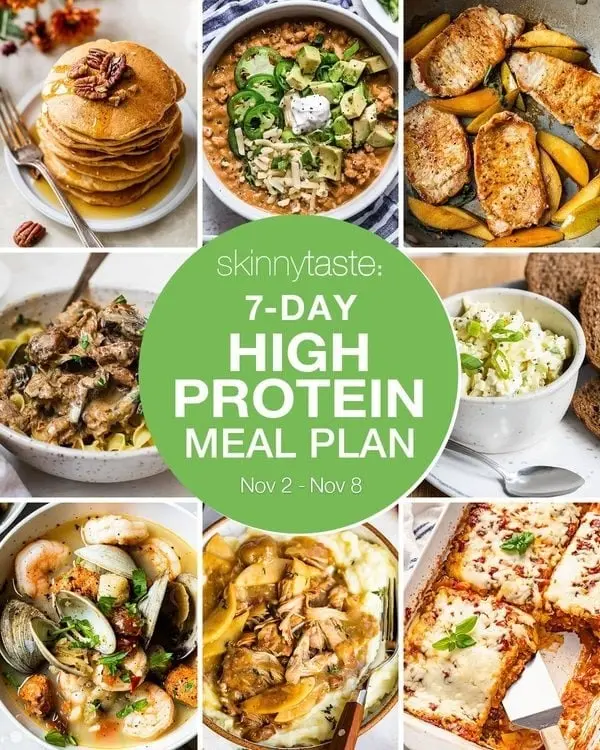
As the autumn season settles in, home cooks and health-conscious individuals are increasingly looking for ways to balance seasonal cravings with long-term nutritional goals. To assist with this transition, a new seven-day high-protein meal plan has been released, providing a comprehensive roadmap for those aiming to boost their daily protein intake while navigating the complexities of meal preparation. This latest resource includes a full slate of breakfast, lunch, and dinner ideas, complete with a detailed shopping list designed to streamline grocery runs and minimize food waste.
The meal plan arrives at a time when many individuals are recalibrating their diets to prioritize muscle gain and sustained energy. By focusing on high-protein options, the plan seeks to solve a common dietary hurdle: maintaining satiety throughout the day to prevent the impulse for snacking on processed sweets or chips. The philosophy behind this approach is that steady protein consumption—ideally distributed across three main meals—can provide a stabilizing effect on both energy levels and dietary discipline. For many, this has proven to be a transformative shift, leading to increased feelings of strength and better overall hunger management.
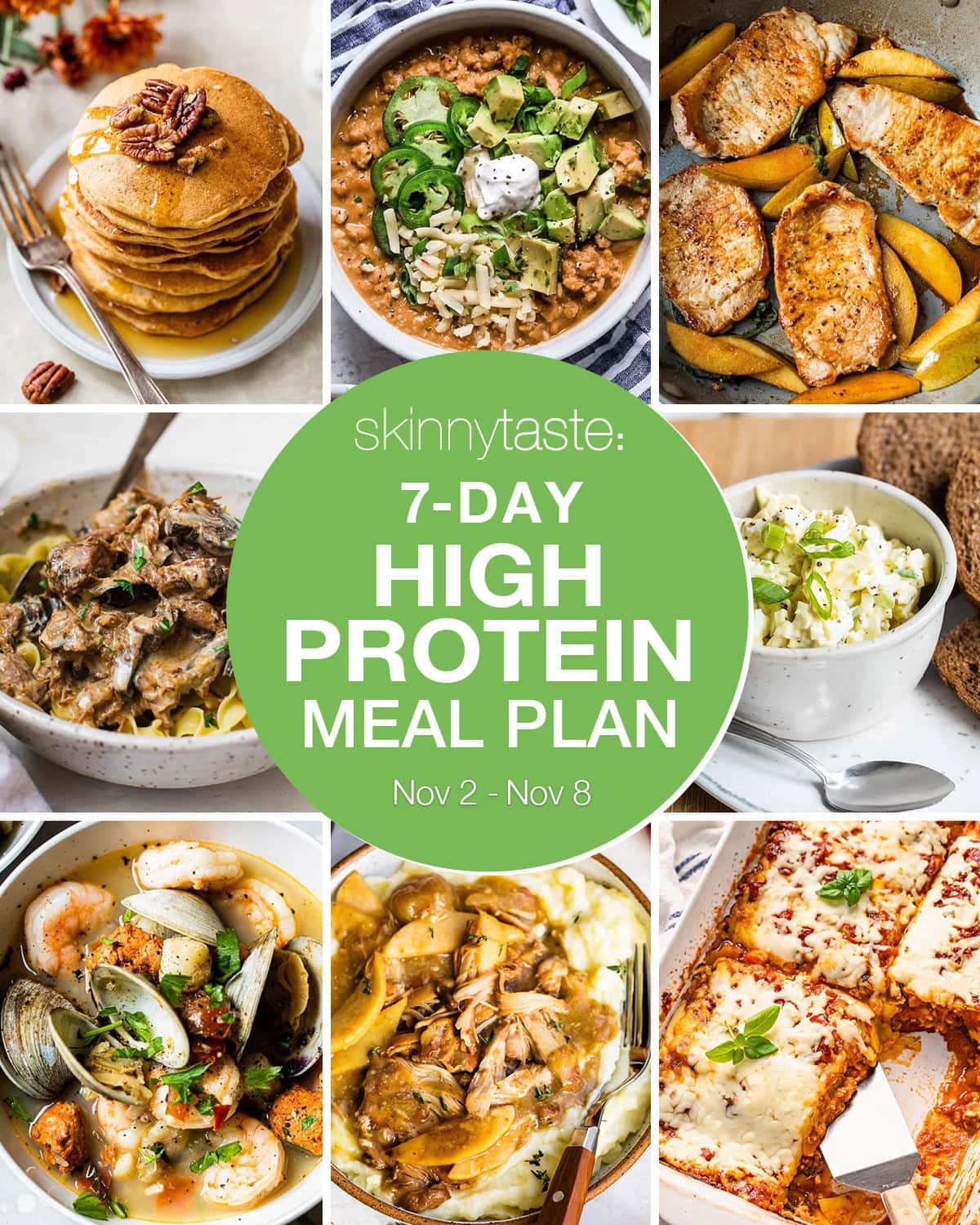
The featured menu highlights the bounty of the current season, specifically emphasizing the role of winter squash. Known for being an excellent source of vitamins A and C, winter squash serves as a nutrient-dense foundation for fall-themed meals. These vitamins play a critical role in supporting healthy vision, immune system function, and skin health. Furthermore, the high fiber and antioxidant content found in seasonal produce helps to support digestive wellness and long-term heart health. The plan features creative ways to incorporate these ingredients, such as stuffed turkey breasts with butternut squash and figs, and an autumn kale salad with chicken, which provides a vibrant, colorful addition to the dinner table.
Beyond the specific recipes, the plan addresses the practical logistics of nutritional tracking. Every recipe included is fully compatible with macro-tracking and Weight Watchers point systems. A significant update has been provided for those following the Weight Watchers program: while the platform has recently introduced new zero-point foods—including staples like oatmeal—the integration of these updates into legacy recipe databases is an ongoing process. Currently, recipes from 2018 through 2025 have been updated, and users can continue to utilize the mobile-based recipe builder to automatically calculate points for any given dish, ensuring that the transition to the new system remains as seamless as possible.

The strategy behind the plan is centered on a flexible framework. Rather than a rigid, one-size-fits-all directive, the meal plan is intended to act as a guide that offers significant latitude for personal adjustments. Users are encouraged to integrate their own preferences, whether that means incorporating specific beverages, additional snacks, desserts, or swapping out meals to better suit individual tastes. The core recommendation remains consistent with general health guidelines: aiming for at least 1,500 calories per day, though this figure is highly dependent on an individual’s age, weight, activity level, and specific fitness goals. For those requiring more tailored guidance, consulting with a nutritionist or a registered dietitian remains the gold standard for determining specific caloric and macronutrient needs.
While the benefits of a high-protein diet are well-documented for many, there are important health considerations to keep in mind. Individuals with pre-existing conditions—such as kidney or liver disease, gout, or specific metabolic disorders—should exercise caution. In these cases, high protein intake may need to be monitored or limited to avoid potential complications. It is a vital recommendation for anyone considering a significant shift in their nutritional profile to consult with a healthcare provider, especially if there is a history of underlying health issues.
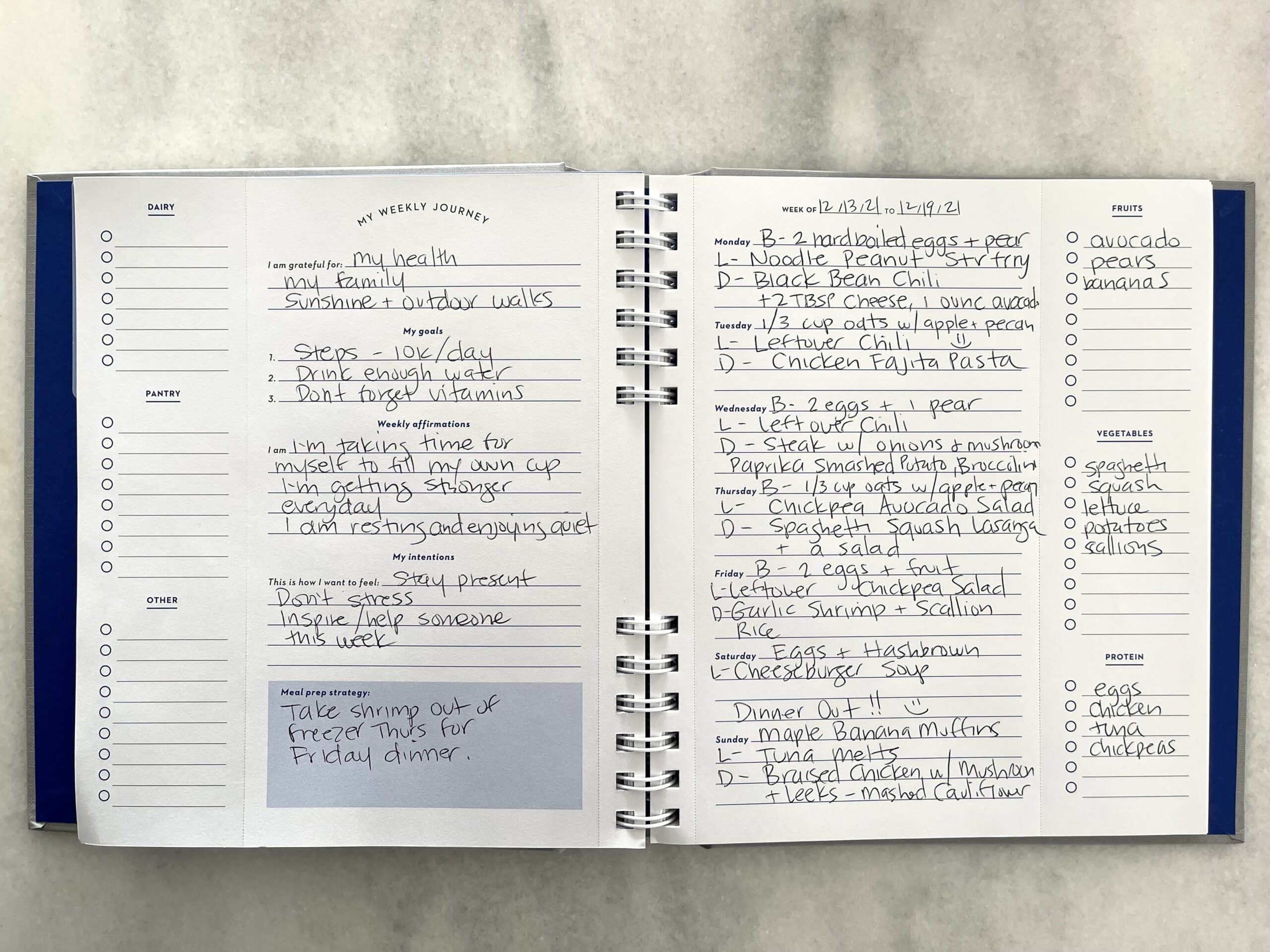
For those looking to deepen their engagement with this lifestyle, the plan also highlights community-based resources. A dedicated online community has emerged where participants share photos, modifications, and creative ideas for the recipes featured in the plan. This collaborative environment serves as a support network for those navigating their health journeys. Additionally, for individuals who prefer a more tactile approach to organization, a 52-week spiral-bound meal planner is available. This tool provides a dedicated space for weekly meal grids, tear-out grocery lists, and a 12-week structured meal plan. Notably, the planner also includes space for recording daily intentions and expressions of gratitude, acknowledging that a successful health journey often requires as much mental and emotional preparation as it does physical planning.
The structure of the seven-day plan is intentionally varied. From Monday through Friday, breakfast and lunch options are designed for individual portions, while dinners and all weekend meals are scaled for a family of four. This approach recognizes the reality of busy work weeks, where quick, individual meals are often preferred, contrasted with the weekend, which often allows for more involved cooking and family-centered dining. Some recipes are specifically chosen for their ability to yield leftovers, making the transition from one night’s dinner to the next day’s lunch efficient and straightforward.
The week begins with an emphasis on lean, efficient meals, such as the Egg White Grill for breakfast and a tuna and white bean salad for lunch. As the week progresses, the menu introduces more complex, comfort-oriented dishes like slow cooker beef stroganoff and a hearty Portuguese seafood stew. By the weekend, the plan shifts toward more relaxed, weekend-appropriate meals like whole wheat pumpkin pancakes and a cheeseburger crunch wrap. This balance ensures that the nutritional goals are met without sacrificing the variety and enjoyment that make a diet sustainable over the long term.
As with any comprehensive meal planning effort, the success of the week depends on preparation. The provided shopping list is designed to be all-encompassing, covering everything from fresh produce and proteins to essential pantry staples, condiments, and spices. By organizing the grocery list by category—produce, meat and fish, dairy, and dry goods—the process of gathering ingredients becomes a more efficient task. Whether a home cook is looking to optimize their protein intake for athletic performance or simply seeking a more organized way to manage their kitchen throughout the fall, the resources provided in this week’s plan offer a clear and accessible path forward.