

For many home cooks, the challenge of achieving the perfect chicken wing—crispy, golden, and bursting with flavor—often leads to the daunting task of deep-frying. However, a shift toward more accessible, health-conscious cooking methods has brought the air fryer to the forefront of the culinary landscape. Among the latest recipes gaining traction is a refined take on Lemon Pepper Wings, a dish that manages to capture the bold, zesty profile of restaurant-style favorites without the heavy caloric footprint associated with traditional oil-submerged preparation.

The appeal of the lemon pepper flavor profile lies in its simplicity and brightness. Unlike thick, syrupy glazes that can mask the texture of the chicken skin, a well-executed lemon pepper seasoning highlights the natural crunch of the wing. By utilizing an air fryer, home chefs are discovering that they can achieve a texture that rivals deep-frying, with the added benefit of a cleaner, more focused flavor profile. The method, which relies on high-velocity circulating air to render fat and crisp the skin, has become a staple for those looking to maintain a balanced diet while still enjoying classic comfort foods.

The process of preparing these wings is remarkably straightforward, emphasizing the quality of ingredients over complex techniques. The foundation of the dish begins with high-quality chicken wings, which must be prepared with care to ensure the best results. A critical component of the recipe is moisture control; chefs and home cooks alike emphasize that the wings must be patted completely dry before seasoning. Any residual moisture can inhibit the crisping process, leading to soggy skin rather than the desired shatter-crisp texture. Once dried, the wings are seasoned with a precise blend of lemon pepper and garlic. The addition of fresh lemon zest and parsley at the end of the cooking process provides an aromatic lift, cutting through the richness of the chicken and providing a vibrant, citrus-forward finish.

A small amount of melted butter is used as a finishing touch, acting as a binder that allows the zesty seasoning to adhere to the crispy skin. This technique is a departure from heavy saucing, allowing the brightness of the lemon and the pungency of the pepper to take center stage. For those who frequently host gatherings or are looking for reliable game-day staples, this recipe offers a significant advantage: it is efficient, scalable, and produces consistent results that appeal to a wide range of palates.

Beyond the culinary technique, the rise of such recipes speaks to a broader trend in home cooking—a move toward "lighter" indulgence. By removing the need for vats of boiling oil, the air fryer version of this classic bar food reduces the caloric density while maintaining the integrity of the dish. At approximately 344 calories per serving, these wings demonstrate that flavor does not need to be sacrificed for nutrition. The high protein content, combined with the absence of deep-frying, makes this a popular choice for those mindful of their health goals without wanting to forgo the social experience of sharing a platter of wings.

The versatility of the air fryer as a kitchen tool is further underscored by the adaptability of this dish. While the recipe focuses on the lemon pepper profile, it serves as a blueprint for various other flavor combinations. The success of these wings has encouraged many to experiment with their own spice rubs and finishing oils. For those who prefer more traditional methods, the recipe is also easily adaptable to a conventional oven, provided that the wings are elevated on a rack to ensure airflow. However, the speed and efficiency of the air fryer—which typically requires only 20 minutes of cooking time—remain the primary draw for busy households.

As with any culinary endeavor, the quality of the final product depends on the details. The inclusion of fresh ingredients—specifically the lemon zest and parsley—is what elevates the dish from a simple snack to a restaurant-quality meal. These fresh elements provide a sharp, clean finish that balances the savory, fatty nature of the chicken. When served, these wings pair exceptionally well with a variety of sides, ranging from classic crudités like celery and carrot sticks to more substantial accompaniments such as roasted broccoli, coleslaw, or air-fried potato wedges. This makes the dish not just a party appetizer, but a viable, well-rounded dinner option.
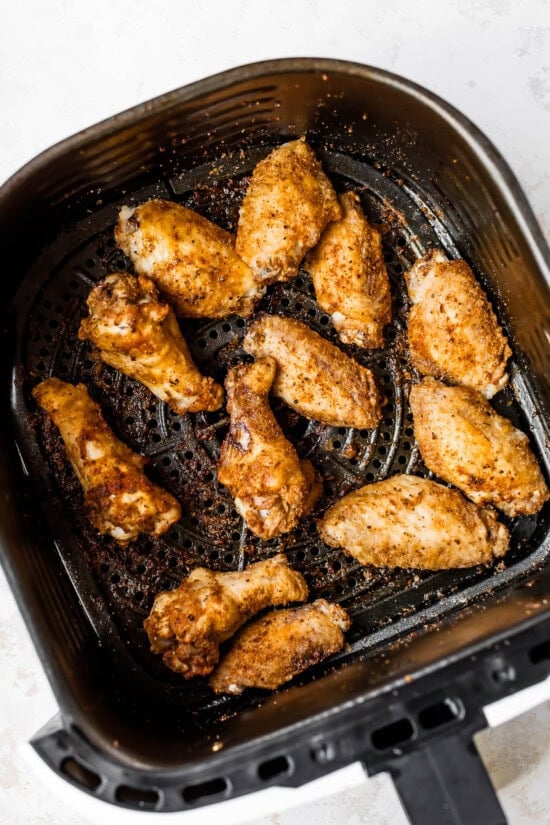
The community reaction to these types of recipes has been largely positive, with many home cooks reporting that the results successfully mirror the quality of popular commercial chains. The ability to control the sodium levels and the quality of the fats used in the preparation is a significant motivator for those opting to cook at home. Furthermore, the ease of cleanup—a common pain point with deep-frying—makes the air fryer an attractive option for weeknight meals.
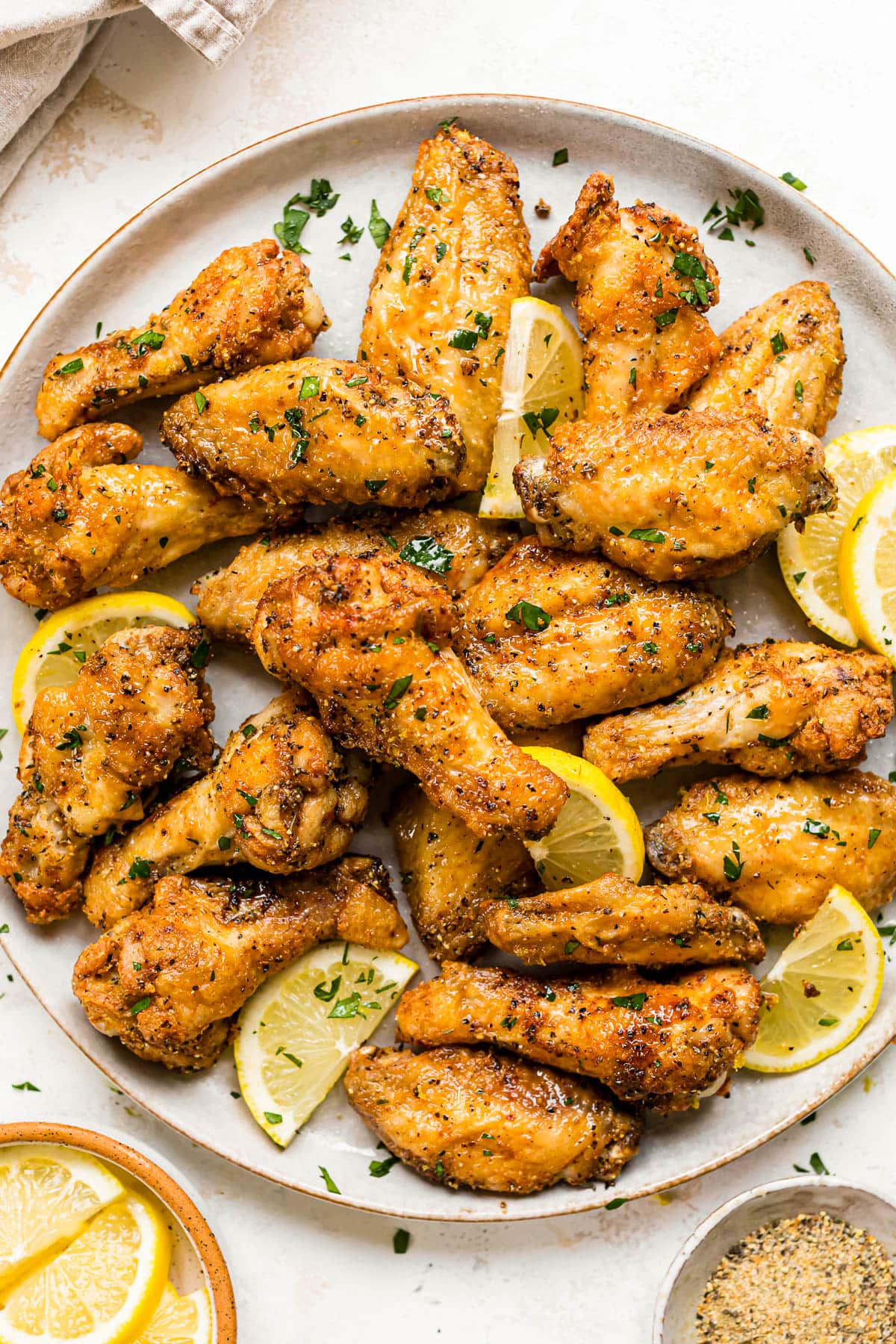
Storage and reheating are also straightforward, a necessity for leftovers. Properly cooled wings can be stored in the refrigerator and revived in the air fryer, ensuring they remain crispy even the following day. This convenience factor is a major contributor to the sustained popularity of air fryer recipes. As the culinary community continues to embrace efficient, health-conscious cooking, it is clear that dishes like these Lemon Pepper Wings will remain a staple in the modern kitchen. They represent a successful intersection of convenience, health, and classic, satisfying flavor, proving that the most celebrated dishes are often those that respect the simplicity of their components. Whether for a casual weekend gathering or a quick, high-protein weeknight dinner, these wings serve as a testament to the fact that home cooking is evolving, offering more options for those who refuse to compromise on taste.