
As economic indicators increasingly flash warning signs and financial anxiety grips consumers, conversations are turning toward a sobering reality: the looming prospect of a recession. With artificial intelligence stocks tumbling, broader economic momentum sputtering, and consumers teetering on the edge of an escalating auto debt crisis, the financial landscape looks notably grim. Yet, regardless of economic downturns or plunging bank accounts, the fundamental mechanics of daily life persist. People still need to commute, run essential errands, and report to their jobs.
This inescapable daily grind brings up a pressing, practical question for the modern era: What kind of recession-mobiles should automakers start building right now to prepare for what lies ahead?
A truly effective recession-mobile needs to embody a specific set of virtues. It must be practical, remarkably reliable, and, above all, deeply economical. Industry observers often look back at the post-recession era defined by dependable workhorses like the Chevrolet Cruze or the Ford Focus—straightforward automobiles designed to transport people from point A to point B without pretending to be anything more glamorous than necessary. Drivers facing tight budgets simply need affordable transit options, especially with fluctuating fuel prices eating further into disposable income. The core challenge facing the automotive industry is anticipating this shift and designing cost-effective products that will hit the market precisely when economic pressures peak.
I Think We All Need Cubs
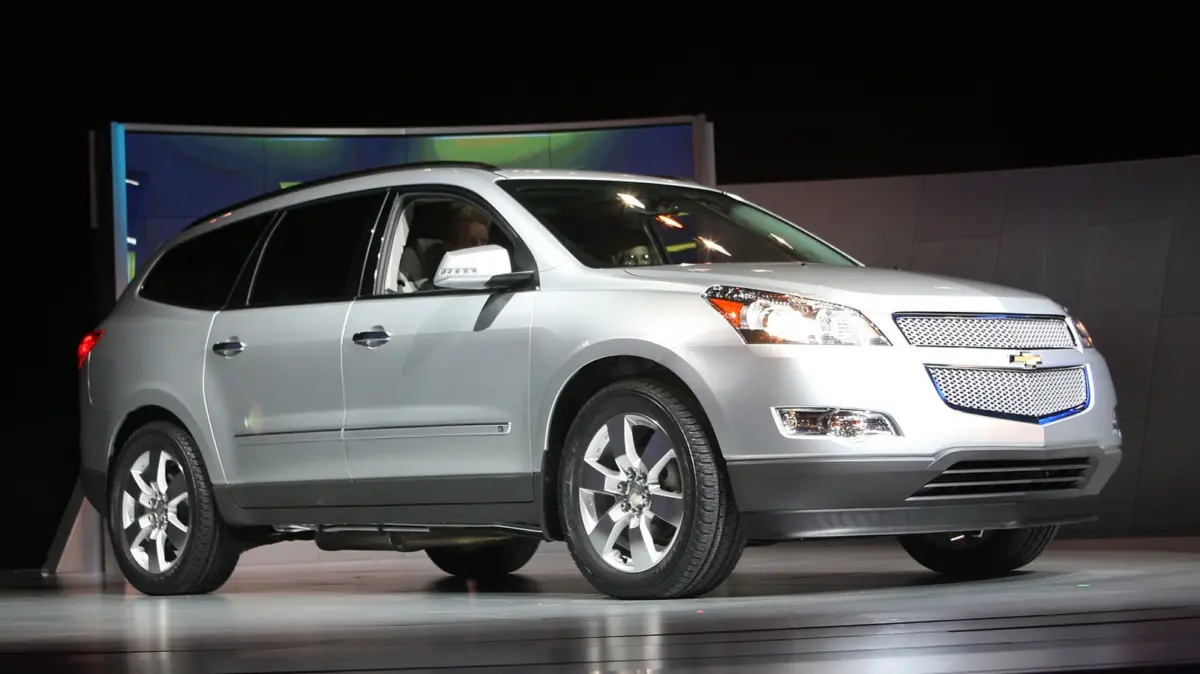
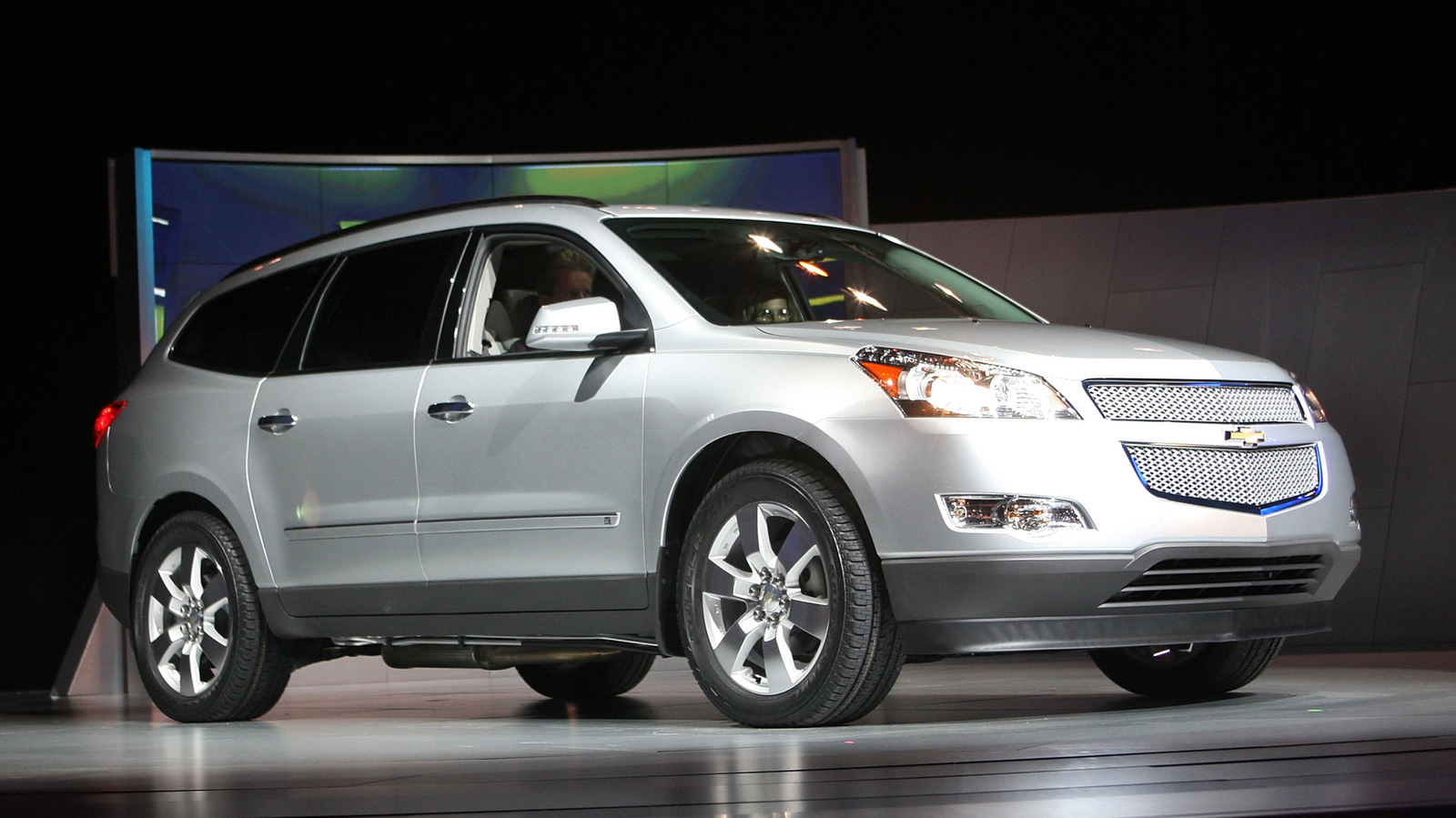
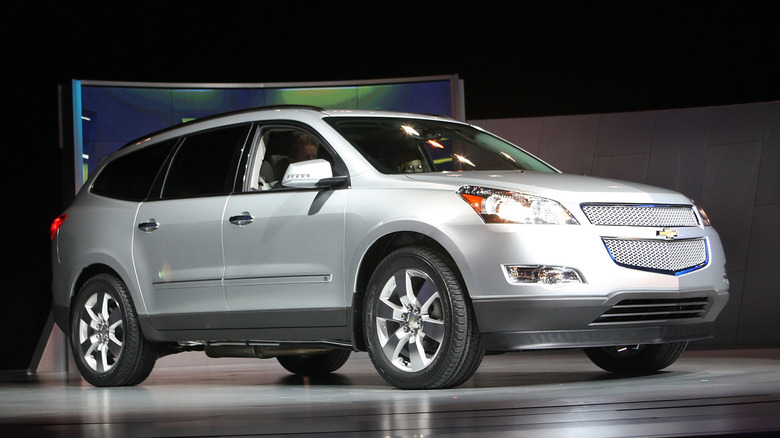
When considering how transportation might adapt to a severe economic downturn, some analysts argue that society may need to abandon the traditional expectation of four-wheeled personal vehicles altogether. Traditional cars, SUVs, and crossovers represent a tremendous amount of mass and mechanical complexity to move just one or two occupants around town. Furthermore, during a period of widespread financial constraint, consumers are unlikely to embark on massive bulk-buying sprees at wholesale warehouse clubs. The expansive cargo capacities found in large family haulers like the Chevrolet Traverse suddenly become entirely unnecessary for everyday survival.
Instead, the ideal vehicle for a prolonged financial squeeze might look remarkably different from anything currently dominating mainstream American highways. Proponents of minimalist transit point to vehicles like the legendary Honda Super Cub as a blueprint for the future. The Super Cub philosophy prioritizes absolute simplicity, phenomenal fuel efficiency, and a tiny physical footprint that makes urban congestion and high gasoline costs virtually irrelevant.
However, relying on a single manufacturer or a single model is rarely enough to sustain an entire market. If the concept of ultra-efficient, lightweight, two-wheeled or alternative transit is to become a viable lifeline for recession-weary commuters, other major global manufacturers would need to step up to the plate. The automotive and powersports industries could see a wave of innovation if companies like Suzuki, Triumph, or even Toyota decided to engineer their own modern takes on tiny, ultra-efficient transportation.
The central question remains open for drivers and industry watchers alike: Should more companies begin developing Super Cub-style vehicles specifically tailored to navigate a major economic downturn? Observers and automotive enthusiasts continue to debate what ideal vehicle characteristics will ultimately carry commuters through the next significant financial crisis, weighing factors ranging from maintenance costs to weather durability and everyday utility as economic uncertainty continues to loom over the horizon.