
For decades, medical researchers have sought to understand the complex interplay between the stomach bacterium Helicobacter pylori (H. pylori) and the dietary habits that may exacerbate or mitigate its carcinogenic potential. While H. pylori infection is widely recognized as a primary driver of gastric cancer, new evidence suggests that the risk is not uniform. Instead, it is increasingly viewed as a synergistic result of bacterial presence, genetic predisposition, and—perhaps most significantly—specific dietary choices that can either fuel the fire of inflammation or provide a protective buffer.
The Chemical Link Between Diet and Carcinogenesis
The link between diet and stomach cancer often begins with the chemistry of food preservation. Historical and clinical data have long pointed to the salting and pickling of fish as a significant factor in gastric health. This process leads to the formation of a novel DNA-mutating chemical known as CMBA. CMBA is the byproduct of a reaction between salt, nitrite preservatives, and methionine, an amino acid found in high concentrations within animal proteins.
The danger of nitrites extends beyond fish preservation. When consumed, these compounds interact with various protein components in the body to form N-nitroso compounds. These are a powerful class of carcinogens, historically associated with the toxic environment found in cigarette smoke. This chemical pathway helps explain why processed meats—such as bacon, hot dogs, lunch meat, ham, and sausage—are strongly linked to an increased risk of stomach cancer. However, recent observations indicate that this risk is not confined solely to processed products; it extends to fresh, unprocessed, and even unsalted animal meats.
The Synergistic Role of Pork Consumption
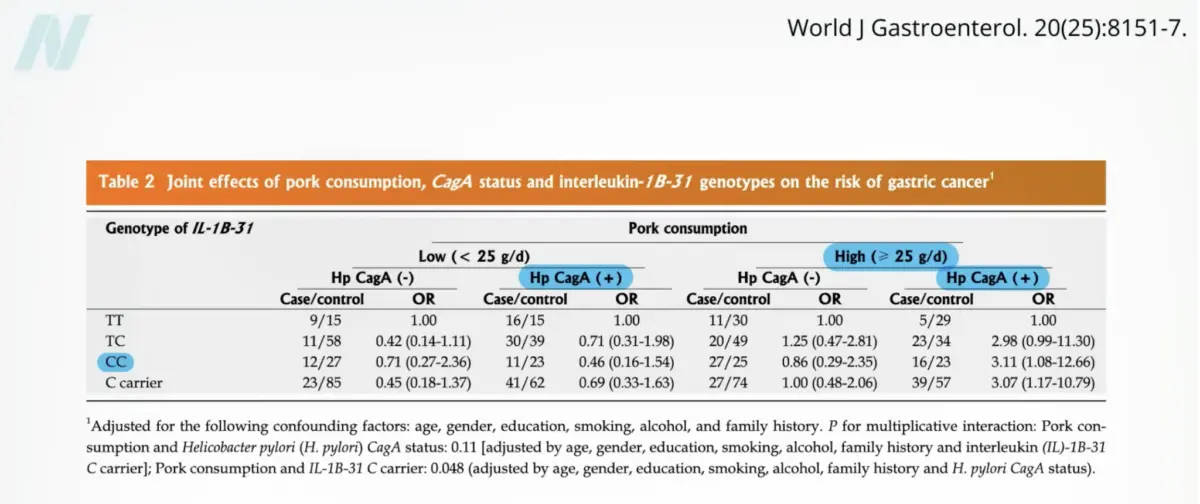
A critical question remains: if H. pylori is the primary cause of most stomach cancers, why do many infected individuals never develop the disease? Research conducted in China has provided a compelling, if sobering, answer. The study suggests that even among individuals who are genetically vulnerable and infected with a particularly pathogenic strain of H. pylori, the risk of developing stomach cancer does not appear to rise significantly unless those individuals consume a notable amount of pork—specifically, about an ounce or more per day. To put that in perspective, a standard pork chop weighs approximately six ounces.
This finding serves as a striking example of how dietary choices can, in certain circumstances, override both genetic predispositions and environmental factors like chronic bacterial infections. It suggests that H. pylori-induced gastritis does not act in a vacuum; it requires a dietary catalyst to progress toward malignancy. This realization shifts the conversation from merely identifying pathogens to understanding how the internal environment created by our diet dictates the behavior of those pathogens.
Natural Intervention: Can Diet Wipe Out H. pylori?
While the discovery of dietary triggers is vital, the more pressing question for patients is whether there is a way to eradicate the bacteria entirely. Currently, the standard medical approach involves a "triple antibiotic" cocktail. While effective, this regimen is often difficult for patients to maintain due to the high volume of medication required and the significant burden of adverse side effects.
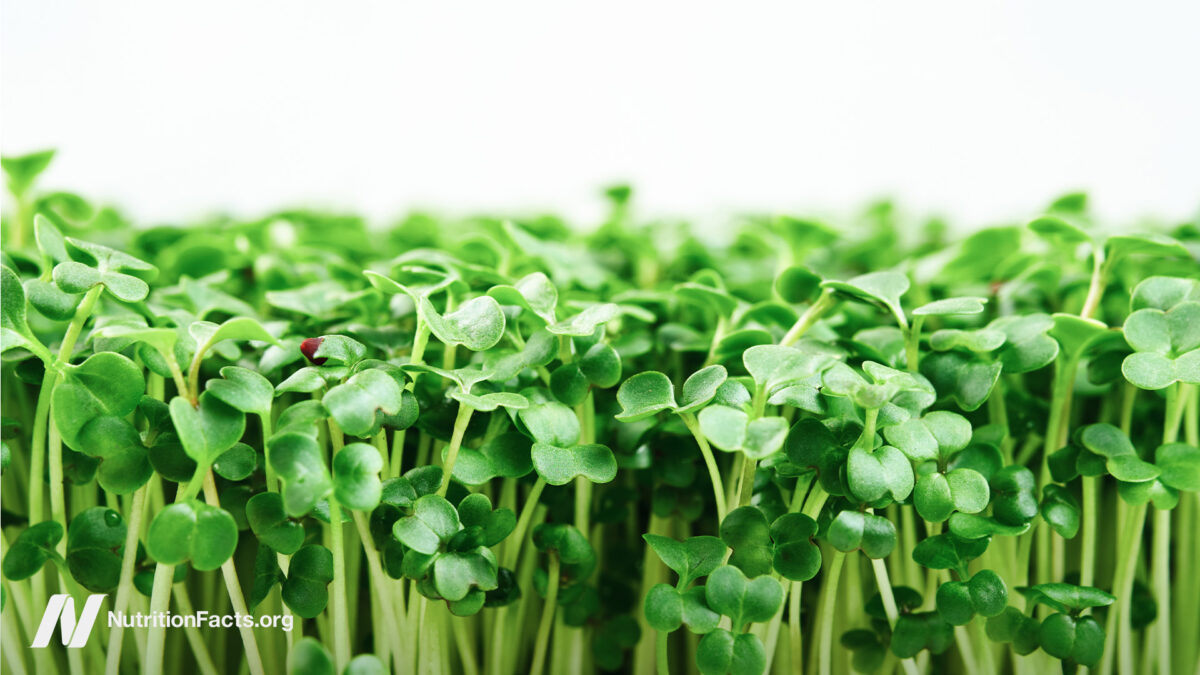
In the search for alternatives, researchers have revisited the properties of cruciferous vegetables, particularly their potent compound, sulforaphane. Long before its reputation as an anti-cancer agent was solidified, sulforaphane was recognized for its antimicrobial activity. Following anecdotal reports of patients with H. pylori-induced peptic ulcers finding relief after consuming three-day-old broccoli sprouts, scientists at institutions like Johns Hopkins University launched formal investigations.
The results were promising. Laboratory studies demonstrated that broccoli sprout extracts could effectively kill antibiotic-resistant strains of H. pylori in a petri dish. Furthermore, clinical evidence showed that some patients who consumed as little as one-third of a cup of broccoli sprouts daily for one week were able to eradicate their H. pylori infection. In a randomized controlled trial comparing broccoli sprouts to alfalfa sprouts, those who consumed the equivalent of two to three servings of broccoli per day saw significant reductions in markers of H. pylori colonization and inflammation of the stomach lining.
While broccoli sprouts resulted in the eradication of H. pylori in approximately 56% of patients—a figure lower than the 90% success rate of standard triple-drug antibiotic therapy—they offer a potentially safer, natural alternative for those who do not meet the criteria for aggressive drug treatment or who struggle with the side effects of antibiotics. A broader look at population studies involving 22 different groups found that higher consumption of cruciferous vegetables is consistently associated with a lower risk of stomach cancer.
The Allium Connection: Garlic and Onions
Beyond the cruciferous family, the allium family—which includes garlic and onions—has also been under the microscope for its potential protective effects. Observational studies dating back to the 1960s, particularly those tracking Japanese migrants, suggested that diets high in these vegetables were associated with lower stomach cancer rates.
Subsequent decades of research have supported this, with many studies showing a significant inverse association between allium vegetable intake and stomach cancer risk. However, it is important to note that these are observational studies, which cannot definitively prove cause and effect. There is the possibility of "reverse causality"—where individuals suffering from early-stage stomach cancer or chronic inflammation choose blander diets to manage discomfort, thereby appearing to have lower intake of pungent vegetables like garlic.
To address this, researchers turned to large-scale, randomized, double-blind trials. In a long-term study involving thousands of high-risk participants across 13 villages in China, researchers tested various combinations of antibiotics, garlic supplements, and antioxidants. While the antibiotic intervention showed a clear, significant decrease in precancerous growths and subsequent cancer rates, the results for garlic were more nuanced.
In the initial 7-year follow-up, garlic showed no significant benefit, and at 15 years, the reduction in cancer rates remained non-statistically significant. However, a major 22-year update provided a different perspective. Participants who had taken garlic supplements showed a significantly lower risk of dying from stomach cancer. Interestingly, this protective effect appeared to manifest primarily among non-drinkers, suggesting that alcohol consumption may interfere with the physiological benefits of garlic.
Moving Forward
The evidence suggests that the fight against stomach cancer is multifaceted. While H. pylori remains a major target for clinical intervention, the role of diet—both as a risk factor through the consumption of certain animal proteins and as a protective strategy through the inclusion of cruciferous and allium vegetables—is becoming increasingly clear.
As research continues, the focus remains on finding sustainable ways to manage the stomach environment. Whether through the strategic use of natural compounds like sulforaphane or the consistent inclusion of garlic and onions in the diet, the goal remains the same: to mitigate the risks posed by chronic infection and to support the long-term health of the stomach lining. For those at high risk, these dietary insights offer a proactive way to potentially influence their health outcomes, providing a layer of protection that works in tandem with, or in some cases as an alternative to, traditional medical approaches.