
If you are the type of person who carefully weighs the health implications of every decision—perhaps finding it unthinkable to light up a cigarette before or after a meal—you might want to take a closer look at what you are putting on your plate. While society has reached a broad consensus regarding the dangers of smoking, the health impacts of our dietary choices, particularly regarding meat consumption, are often viewed with less urgency. However, emerging research suggests that the choice between a meaty burger and a bean burrito may carry more weight for your long-term longevity than you might expect.
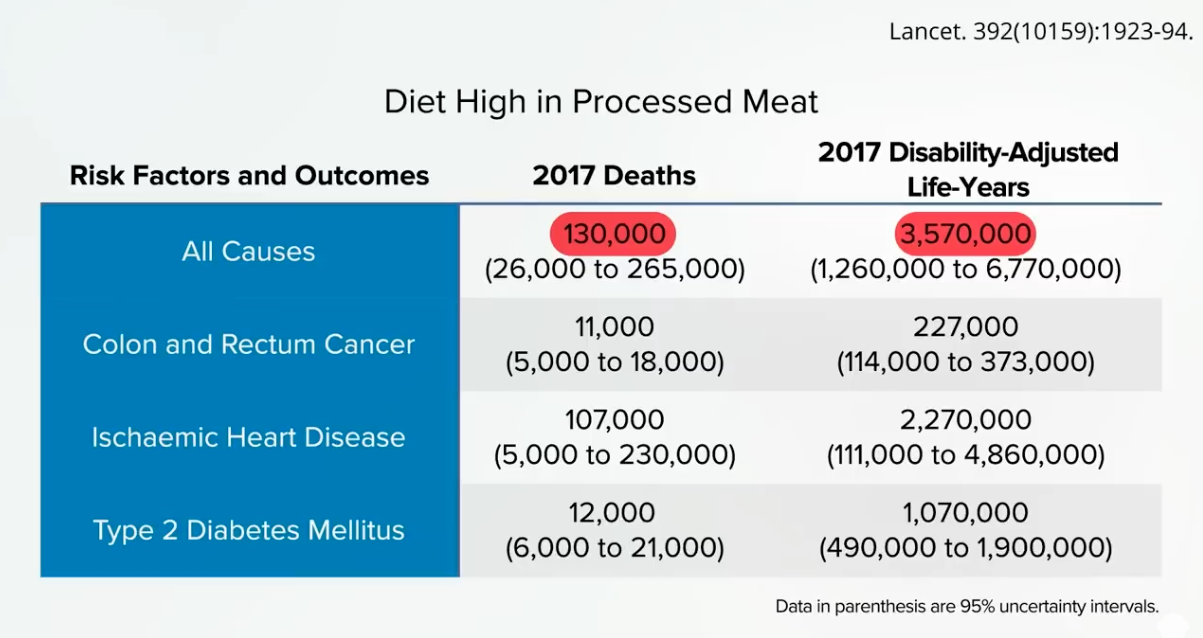
According to the Global Burden of Disease Study, diets high in processed meats—such as bacon, ham, hot dogs, lunch meat, and sausage—are linked to more than 100,000 deaths annually. These premature deaths are largely attributed to heart disease, though cancer and diabetes also play significant roles. When we look at these figures on a global scale, the impact is staggering: millions of healthy years of life are lost every year. This data underscores a critical public health challenge, highlighting that what we consider a "standard" meal may be silently eroding our life expectancy.
The scale of the problem is not merely theoretical; it is measurable. The Union of Concerned Scientists has estimated that if the American population were to reduce its intake of processed meat to just one ounce per week, the nation could avert thousands of cancer deaths every year. While such data is useful for policymakers and public health advocates, it can be difficult for the average person to translate these broad statistics into an understanding of their own individual risk. How can we make sense of these abstract health warnings in our day-to-day lives?
In recent years, the conversation around nutrition has been complicated by conflicting reports. For instance, the NutriRECS meat papers, published in the Annals of Internal Medicine, generated significant headlines by suggesting that the risks associated with red and processed meat were not as severe as previously thought. However, a closer examination reveals a more nuanced reality. Even when using the study’s own numbers, further analysis determined that a reduction in red and processed meat consumption is associated with a 13% lower risk of premature death.
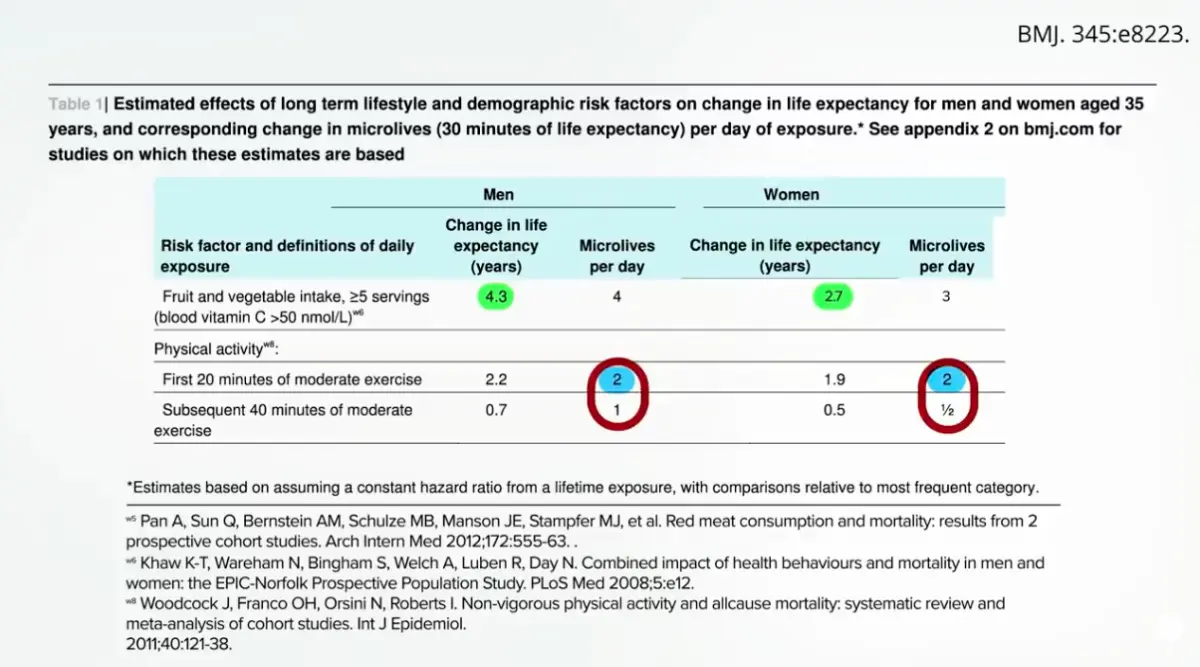
To better grasp what a "13% difference in mortality risk" actually means for the individual, it is helpful to look toward the concept of "microlives." This unit of measurement was developed to help people compare different lifestyle risks, whether they are acute or chronic. While acute risks, such as skydiving or riding a motorbike, are measured in "micromorts"—a one-in-a-million chance of sudden death—the "microlife" approach is designed to quantify the gradual impact of daily habits. A single microlife is defined as 30 minutes of life expectancy.
The calculation is relatively straightforward. For a young person—say, a 22-year-old man or a 26-year-old woman—there may be approximately 57 years of life remaining. This translates to roughly 20,000 days, or 500,000 hours, which equals one million half-hour increments. A microlife, therefore, is the loss of one of those million half-hour segments. When we view our daily choices through this lens, the cumulative effects of our habits become starkly visible.
For example, drinking a pint of strong beer is estimated to shorten life expectancy by roughly the same amount as smoking one cigarette. If it is considered unthinkable to have such little regard for your health that you would light up twice a day—once in the morning and once at night—then, by the same logic, it should be just as concerning to be 11 pounds overweight, which carries a similar statistical risk.
This framework also allows us to evaluate life-extending behaviors. Research indicates that eating at least five servings of fruits and vegetables every day can add an average of four years to a man’s lifespan and three years to a woman’s. This benefit is up to twice as effective as exercising every day. However, exercise offers its own unique return on investment. Engaging in physical activity for 20 minutes can result in a gain of one hour of life, or two microlives. For those who claim they are too busy to exercise, this represents a 3-to-1 return on investment: you spend 20 minutes of your time to gain 60 minutes of life. While there are diminishing returns beyond a certain point, the data remains clear: daily activity is a powerful tool for longevity.
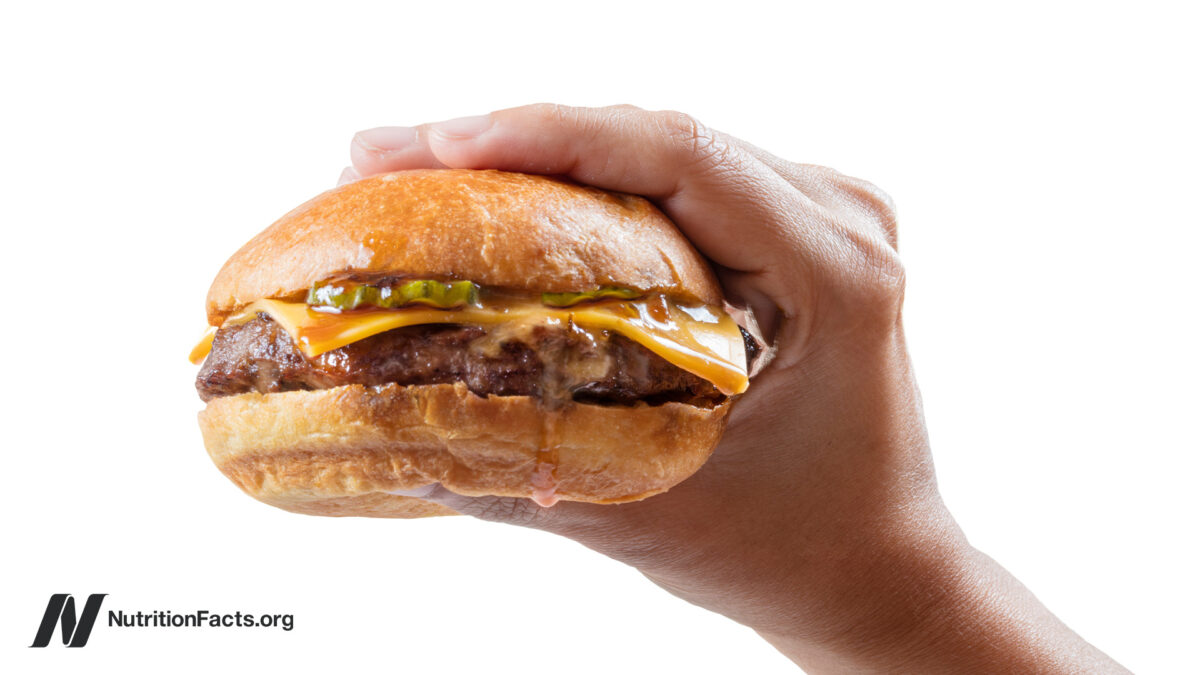
When we apply the microlife metric to meat consumption, the results are sobering. Every burger consumed is associated with the loss of one microlife. Effectively, this means that eating a single burger is comparable to losing 30 minutes of your life—or, in terms of equivalent risk, roughly the same as smoking two cigarettes. If the idea of smoking during your lunch hour seems unappealing or even dangerous, it might be time to reconsider the contents of your sandwich. Swapping that burger for a bean burrito is not just a change in flavor; it is a strategic decision for your long-term health.
Processed meats, which are often laden with additives and sodium, present an even greater concern. The scientific consensus, despite some industry-backed pushback, remains firmly in favor of plant-forward diets. Experts, including the chair of nutrition at Harvard and his colleagues, have criticized the methodology used in reports that downplay the risks of meat. They argue that such studies often suffer from significant limitations and misinterpretations of nutritional evidence. Their recommendation is clear: to improve both human and planetary health, dietary guidelines should continue to emphasize patterns that are low in red and processed meats and high in minimally processed plant foods, including whole grains, nuts, legumes, and plenty of fruits and vegetables.
This debate over nutrition is not just academic; it has profound implications for the management of chronic conditions. Dr. Dean Ornish, in his commentary on the Annals of Internal Medicine papers, pointed out that the scientific community must remain vigilant against attempts to downplay the dangers of meat. His own Lifestyle Heart Trial demonstrated that a comprehensive plant-based diet and lifestyle program could actually reverse the progression of severe coronary heart disease. Conversely, groups that maintained a standard diet with only modest reductions in meat saw their atherosclerosis continue to worsen. As Dr. Ornish noted, the light of scientific truth must be bright to drive out the darkness of misinformation. In a world of conflicting advice and industry-influenced studies, the consumer must remain cautious. Your life, quite literally, may depend on it.
Ultimately, the choice is personal, but it should be an informed one. Whether it is the decision to walk for 20 minutes a day or the decision to choose lentils over lunch meat, every choice is a contribution to your total longevity. By understanding the real-world costs of our habits, we gain the agency to make decisions that align with our desire for a longer, healthier life. The evidence continues to point toward a simple, time-tested conclusion: a diet centered on whole, plant-based foods is the most reliable path to longevity.