
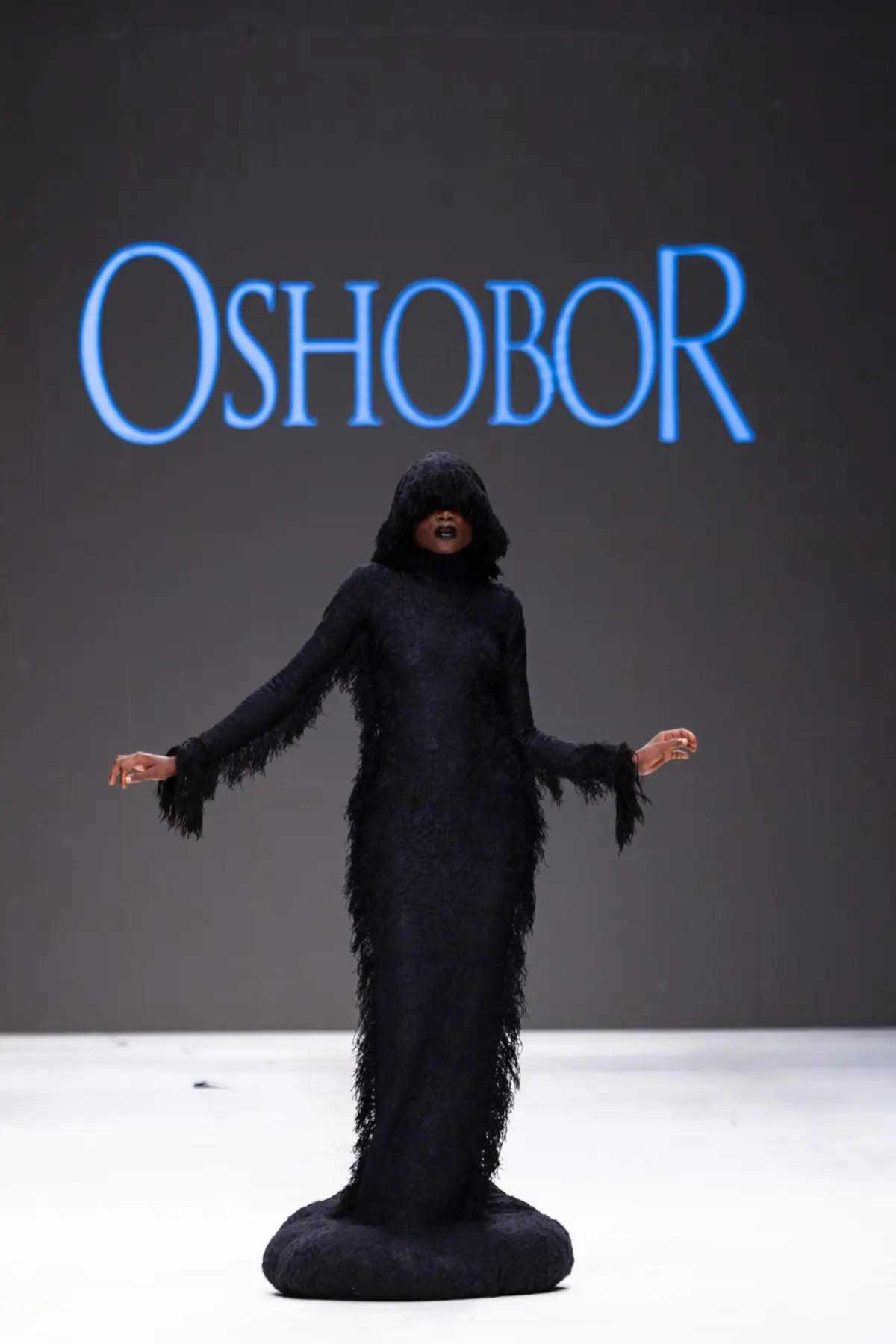
When the lights dimmed and the first models emerged for the latest Oshobor runway show, the atmosphere shifted instantly from the mundane to the surreal. In an industry currently obsessed with the "quiet luxury" movement—where the prevailing mantra insists that less is almost always more—Lagos-based designer Peter Oshobor is aggressively moving in the opposite direction. For the founder and creative director of the Oshobor label, fashion is not a tool for blending into the background; it is a canvas for theatricality, spiritual inquiry, and unapologetic presence.
"People like to lean into the conversation that less is more," Oshobor remarked backstage after the show, his eyes fixed on the racks of vibrant, oversized garments that had just defined his latest presentation. "I’m a maximalist, and I like to believe there are many other maximalists out there too."
This latest collection serves as a direct evolution of the thematic narrative Oshobor established in his previous outings. While his work has always been characterized by an interest in the intersection of traditional West African craftsmanship and avant-garde structure, this season shifted the focus toward a deeper, more esoteric exploration of mystery, spiritual awakening, and the performative nature of magic.
The show’s opening sequence set an undeniably eerie tone, intentionally designed to disorient the audience and strip away the comfort of standard runway expectations. Oshobor revealed that he was keen to mirror the emotional gravity of his spring 2026 closing look, a stark, haunting ensemble that featured a model draped in heavy black wool, their features obscured by thick, obsidian-colored face paint. By referencing that specific moment, Oshobor aimed to establish a sense of continuity—a bridge between the past and the present that suggests his brand is not merely producing clothes, but rather chronicling a journey of transformation.
For those familiar with Oshobor’s trajectory, the blurring of lines between fashion and high-concept theater is a hallmark of his design language. This collection, however, pushed that synthesis further than ever before. The silhouettes were purposefully distorted, challenging the eye to find the human form beneath layers of fabric. The collection featured heavily padded skirts that transformed the wearer’s silhouette into something almost architectural, and an "elephantine" coat that commanded the entire runway, emphasizing the designer’s fascination with exaggerated, monumental forms.
The color palette was equally confrontational. Where the industry might gravitate toward earth tones or monochromatic schemes, Oshobor opted for high-octane hues. Electric, bright yellows and deep, regal purples punctuated the collection, ensuring that each garment demanded attention from every corner of the room. These pieces were not intended to be subtle; they were intended to be felt.
However, the collection was not entirely composed of sculptural anomalies. Sandwiched between the moments of high drama were deliberate attempts to bridge the gap between the runway and the reality of the consumer market. Oshobor introduced more commercial, wearable pieces—muted T-shirts and refined, ivory-colored shorts—designed to provide a counterbalance to the more ostentatious looks. This inclusion of staples suggests a strategic effort by the label to ground its experimental nature in the tangible world of retail, offering potential clients a way to engage with the Oshobor aesthetic without the burden of full-scale theatricality.
The juxtaposition of the wearable and the whimsical created a unique tension throughout the presentation. In his attempt to showcase the full breadth of his creative vision and, as he put it, "take up space," there were moments where the collection felt intentionally disorienting. The transition from a structured, avant-garde piece to a simple, muted garment was sometimes jarring, leaving the viewer to reconcile two very different versions of the brand.
Oshobor himself is self-aware regarding this friction. He acknowledges that the brand is currently in a state of flux, actively attempting to push past its established comfort zone. By diversifying the collection to include both extreme maximalist designs and more approachable wardrobe essentials, he is clearly bidding to capture a broader segment of the market. It is a bold, perhaps even risky, move to introduce such varied aesthetics under one banner, but it is one that aligns with his goal of garnering attention in a crowded global fashion landscape.
The motivation behind this shift is rooted in a desire for visibility. In a market where attention spans are short and competition is fierce, Oshobor is betting that his refusal to conform to the minimalist trend will serve as his competitive advantage. By leaning into the "drama" that has become synonymous with his name, he is challenging the audience to reevaluate what they expect from a designer. He is not just creating garments; he is inviting the wearer into a conversation about the role of the individual in a world that often demands conformity.
This latest runway show highlights a designer who is in the process of defining his legacy. While the collection may have felt confused to some, it was undeniably intentional in its desire to expand the definition of what the Oshobor brand can be. By balancing the "elephantine" silhouettes and bold, saturated colors with more subtle, everyday pieces, Oshobor is testing the limits of his own versatility.
As the show concluded, the lasting impression was one of a designer who is firmly committed to his own vision, regardless of current industry pressures. Whether the market is ready for a full-scale return to maximalism remains to be seen, but the energy in the room suggested that there is a significant appetite for the kind of "mystery, spiritual awakening, and magic" that Oshobor is selling.
For now, the Lagos-based label remains a focal point for those looking for fashion that pushes boundaries. The transition from the eerie, black-painted figures of his past to the bright, oversized, and structurally daring designs of today demonstrates that Oshobor is not interested in standing still. His pursuit of "taking up space" is a testament to his belief that fashion, at its best, should be a disruptive, transformative, and deeply human experience. As he continues to navigate the balance between the theatrical and the commercial, the fashion world will likely be watching closely to see how this maximalist evolution unfolds.