
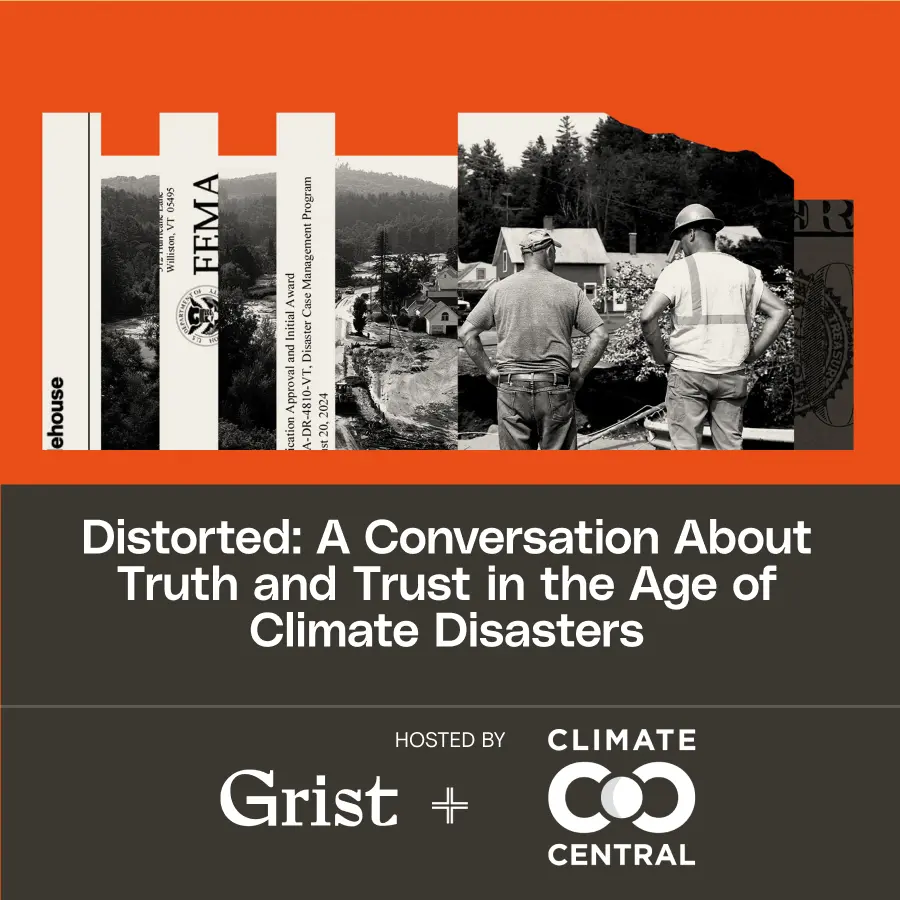
As extreme weather events become increasingly frequent and severe across the globe, they do not just test the physical resilience of our infrastructure and communities; they also create fertile ground for the rapid spread of misinformation. When hurricanes, floods, wildfires, and heatwaves strike, the immediate aftermath is frequently compounded by a cascade of digital rumors swirling across social media platforms. In these high-stakes moments, telecommunication lines often go down, leaving residents desperate for reliable information. This information vacuum, combined with heightened public anxiety, fear, and frustration, allows unverified claims, conspiracy theories, and outright falsehoods to circulate widely before authorities or trusted journalists can set the record straight.
Recognizing the urgent need to address this growing societal challenge, environmental publication Grist and science research organization Climate Central have announced a collaborative virtual conversation designed to explore how society can communicate more accurately and thoughtfully before, during, and after extreme weather events. The upcoming online event will bring together a panel of experienced meteorologists, professional journalists, and specialized researchers to tackle the complex mechanics of how climate-related falsehoods take root and spread during crises.
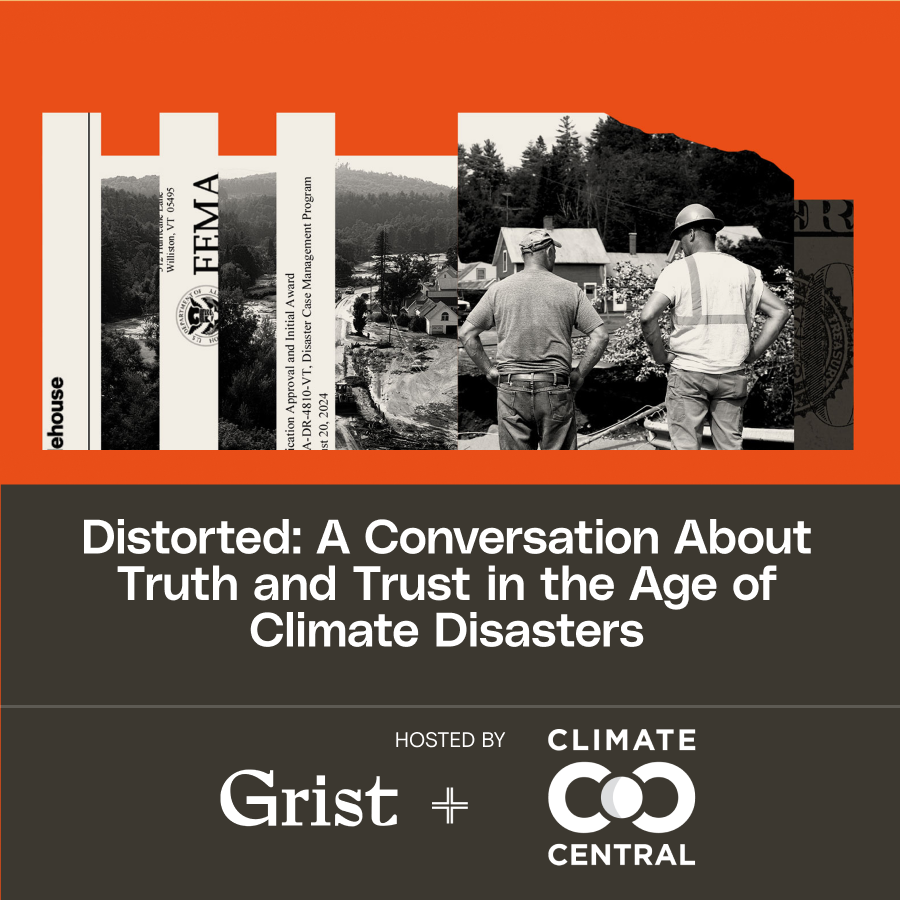
The discussion aims to move beyond merely identifying the problem of disaster-related misinformation, focusing instead on practical strategies for improving public discourse. Organizers plan to answer questions from attendees and provide actionable tips for navigating conversations about extreme weather, whether those discussions take place in public forums or private settings, and whether they occur online or offline. As weather patterns become more unpredictable and the digital landscape grows increasingly fractured, fostering clear, science-backed communication has become a vital component of disaster preparedness and community resilience.
The virtual event is scheduled to take place on October 28 at 1 p.m. Eastern Time. Because the conversation will be held entirely online, interested participants from any location can join the session by completing the registration process through Climate Central’s official online portal.
This upcoming dialogue forms part of a broader ongoing conversation within the environmental and journalistic communities regarding how information flows during climate-related emergencies. As modern media consumers navigate an era defined by rapid digital dissemination and polarized public debates, events like this highlight the critical intersection between atmospheric science, ethical reporting, and everyday human communication.