
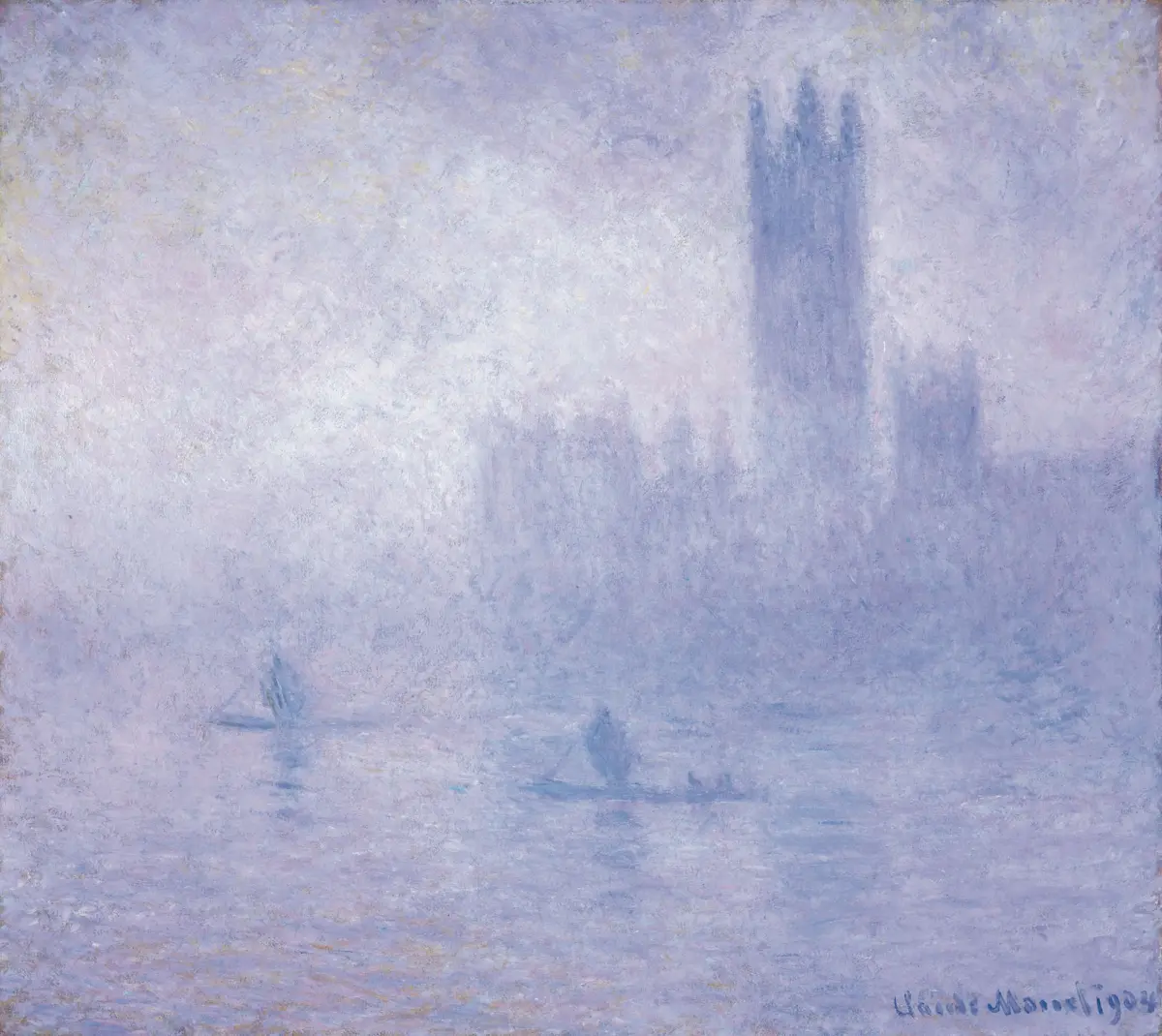
As the Milwaukee Brewers and the Tampa Bay Rays prepare to take the field tonight for game one of the 122nd World Series, the stakes extend far beyond the quest for the Commissioner’s Trophy. While the players are focused on securing four wins to claim baseball’s ultimate prize, two local art institutions are engaged in a high-stakes, friendly wager that will see a celebrated Impressionist masterpiece change zip codes depending on the series’ outcome.
The Milwaukee Art Museum (MAM), located just four miles east of the Brewers’ American Family Field, and the Museum of Fine Arts, St. Petersburg (MFA), situated a mere mile west of the Rays’ home turf at Tropicana Field, have entered into a formal agreement. The terms are simple yet culturally significant: the winning city’s museum will earn the right to host a rare Monet painting on loan from the loser’s permanent collection for a set period.
This wager elevates the traditional sports rivalry into the realm of fine art, highlighting the deep connections these institutions have to their respective communities. For the duration of the series, the two museums are effectively acting as proxies for their cities’ pride, transforming the baseball diamond into a stage for a cross-country exchange of artistic treasures.
The Masterpieces at Stake
The paintings selected for this wager are among the most prized possessions of their respective institutions. The Milwaukee Art Museum has put forward its singular Monet, Waterloo Bridge, Sunlight Effect, dating to approximately 1903. Conversely, the Museum of Fine Arts, St. Petersburg, has offered up its own evocative landscape, Houses of Parliament: Effect of Fog, London, painted in 1904. Both works represent the pinnacle of Claude Monet’s career, specifically his fascination with the atmospheric conditions of the British capital at the turn of the 20th century.
According to the Milwaukee Art Museum’s archival information, Waterloo Bridge, Sunlight Effect holds a unique place in their collection as the only painting by the French master held by the institution. It remains a perennial visitor favorite and is currently a centerpiece of the museum’s public galleries. The painting came to Milwaukee as part of a generous bequest from Mrs. Albert T. Friedmann upon her death in 1950, which included more than 40 individual objects that helped shape the museum’s holdings.
The work itself is part of a famous series of dozens of paintings Monet produced during his extended visits to London between 1899 and 1901. It depicts the Waterloo Bridge enveloped in a distinct, ethereal light, with the industrial smokestacks of a rapidly modernizing London visible in the distance. The painting captures the interplay between natural light and the heavy fog of the River Thames, a hallmark of Monet’s late-career interest in capturing ephemeral environmental effects.
Across the diamond, the Museum of Fine Arts, St. Petersburg, is equally proud of its contribution to the wager. Houses of Parliament: Effect of Fog, London is one of the crown jewels of the MFA collection. Currently, the painting is on display in an upstairs gallery while the museum’s primary collection gallery undergoes a scheduled installation.
Stanton Thomas, the curator at the MFA, emphasized the rare nature of this opportunity in a recent statement, noting that for visiting Brewers fans in Florida, this series might be their only chance to see such a significant piece of art in its current setting before it potentially makes a temporary move north. Much like the Milwaukee piece, the St. Petersburg painting explores the intersection of architecture and atmosphere, showing the Houses of Parliament emerging from the signature London mist. Monet executed over a dozen of these plein-air studies during his time in the city, and the MFA’s canvas is considered a definitive example of his mastery of color and tone.
A Legacy of Institutional Rivalry
This cross-disciplinary wager is not an unprecedented event for the Milwaukee Art Museum. The institution has a history of leveraging its collection to engage with the excitement of major sporting events, using the high-profile nature of professional sports to draw attention to its mission of education and public accessibility.
In 2011, when the Green Bay Packers squared off against the Pittsburgh Steelers in Super Bowl XLV, the Milwaukee Art Museum engaged in a similar high-stakes loan agreement with the Carnegie Museum of Art (CMA) in Pittsburgh. That event captured the imagination of both cities, as the outcome of the game became inextricably linked to the movement of a masterpiece.
When the Packers emerged victorious with a 31-25 win over the Steelers—led by a team that featured current Steelers quarterback Aaron Rodgers—the agreement went into effect. As a result, the Carnegie Museum of Art’s Pierre-Auguste Renoir painting, Bathers With Crab, was sent to Milwaukee. The painting remained at the Milwaukee Art Museum for three months, where it served as a major highlight of the institution’s exhibition, "Impressionism: Masterworks on Paper." The exhibition allowed Milwaukee residents to see a world-class piece of art that they otherwise might not have had the opportunity to view locally, demonstrating the tangible benefits of such friendly institutional competition.
The history of these wagers reflects a broader trend of cultural diplomacy between cities. While the focus remains on the outcome of the game, the secondary result is a heightened public awareness of the art collections held within their respective home cities. Should the Steelers and the Packers ever meet on the field again in a high-stakes championship setting, the conversation has already turned toward even more ambitious exchanges. There has been past speculation that the Carnegie Museum might seek to borrow MAM’s prized Gustave Caillebotte 1977 painting, Boating on the Yerres, should the tables turn in a future matchup.
The Intersection of Art and Sports
As the series gets underway, the tension in both St. Petersburg and Milwaukee is palpable. For the curators at both the MFA and the MAM, the weeks following the conclusion of the World Series will be defined by the logistics of moving these delicate, priceless canvases. Shipping a Monet requires significant security, environmental controls, and specialized handling—a process that underscores just how much these museums are betting on their local baseball clubs.
The choice of these specific paintings for the wager is intentional. Both Waterloo Bridge, Sunlight Effect and Houses of Parliament: Effect of Fog, London are foundational works of Impressionism. Their presence in the losing city’s museum will provide a unique educational opportunity for local patrons, offering a rare chance to engage with a new piece of history, if only for a few months.
For the fans, the wager adds a layer of intellectual weight to the athletic competition. It reminds viewers that these cities are not just hubs for professional sports, but also stewards of global culture. Whether the Monet travels from the shores of Lake Michigan to the Gulf of Mexico, or vice versa, the arrangement ensures that the spirit of the World Series will resonate far beyond the confines of the stadiums.
As the first pitch is thrown, the curators, museum staff, and art enthusiasts in both Milwaukee and St. Petersburg will be watching the scoreboard with a dual sense of purpose. They are rooting for their teams, certainly, but they are also preparing for the potential arrival of a masterpiece—a testament to the enduring, if somewhat unusual, intersection of America’s favorite pastime and the history of art.