
For decades, medical researchers have sought to understand the complex interplay between diet, bacterial infection, and the development of stomach cancer. Central to this inquiry is Helicobacter pylori (H. pylori), a bacterium that colonizes the human stomach and is a known primary driver of gastric inflammation and malignancy. While modern medicine often relies on aggressive antibiotic regimens to eradicate these pathogens, emerging research suggests that specific dietary interventions—namely cruciferous vegetables and allium-family plants—may offer powerful, natural tools in the fight against this persistent infection and the subsequent risk of cancer.
The Hidden Risks of Diet and Infection
To understand how to protect the stomach, one must first understand what makes it vulnerable. The formation of stomach cancer is frequently linked to a synergistic relationship between H. pylori-induced gastritis and specific dietary habits. For instance, the traditional preservation methods of salting and pickling fish have been shown to produce a novel, DNA-mutating chemical known as CMBA. This compound is synthesized through a reaction between salt, nitrite preservatives, and methionine—an amino acid abundant in animal proteins.
Beyond CMBA, these nitrites can interact with other protein components to form N-nitroso compounds, a class of potent carcinogens also found in cigarette smoke. This chemical pathway helps explain the long-observed association between processed meats—such as bacon, hot dogs, ham, and lunch meat—and an increased risk of stomach cancer. However, this risk is not exclusive to processed products; research indicates that the danger extends to fresh, unprocessed, and unsalted meats as well.
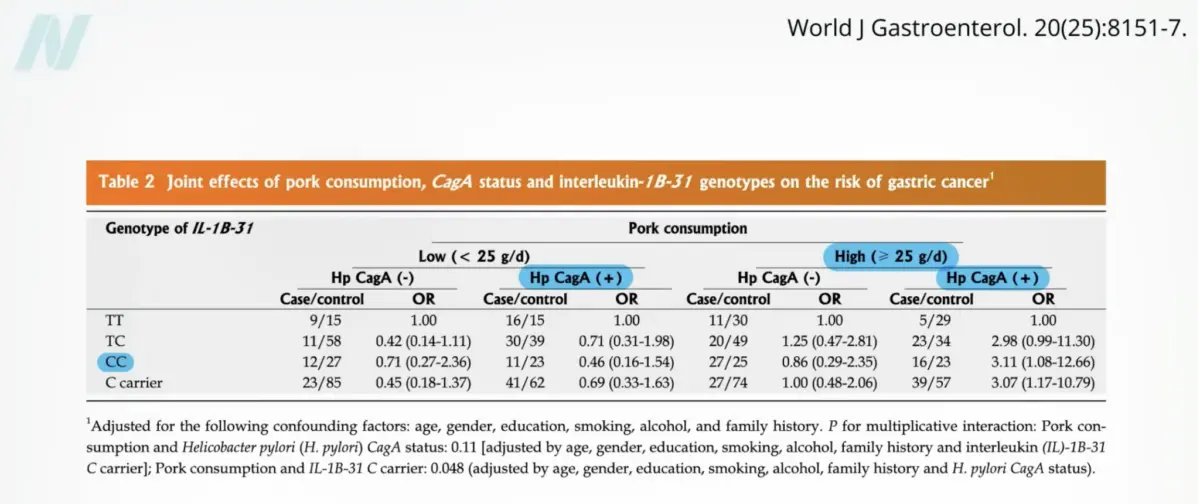
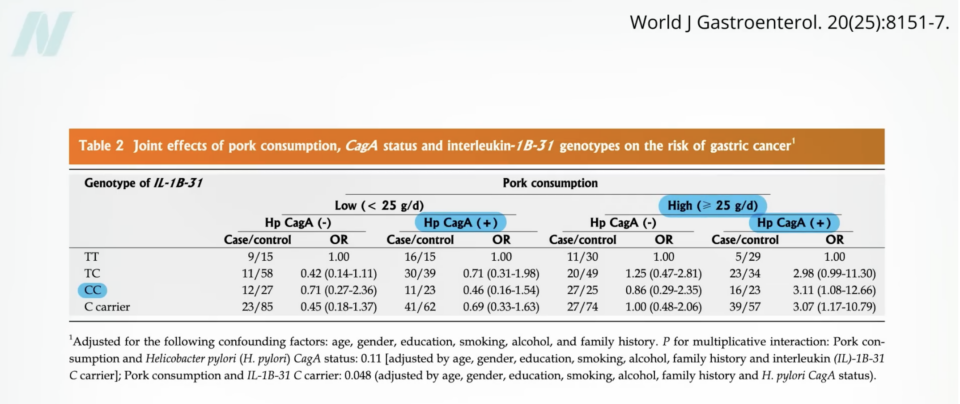
The role of diet is so significant that it can, in some cases, override both genetic predisposition and environmental pressures. In a compelling study conducted in China, researchers examined individuals who were genetically vulnerable and infected with a highly pathogenic strain of H. pylori. The findings were striking: these individuals did not exhibit an increased risk of stomach cancer unless they consumed approximately an ounce or more of pork per day. Given that an average pork chop weighs around six ounces, this suggests that dietary choices serve as a critical pivot point in whether a pre-existing infection evolves into a life-threatening malignancy.
The Challenge of Conventional Treatment
When H. pylori is identified, the standard medical response is a "triple antibiotic" cocktail. While this approach is effective, boasting an eradication rate of roughly 90 percent, it is notoriously difficult for patients to maintain. The regimen requires a high volume of medication, often resulting in significant adverse side effects that lead to poor patient compliance. This reality has driven scientists to explore whether nutritional components could serve as a more tolerable, natural alternative to help wipe out the infection or at least mitigate its impact on the stomach lining.
The Promise of Broccoli Sprouts
One of the most promising candidates in this search is sulforaphane, a compound found in cruciferous vegetables like broccoli. Long before its current reputation for detoxification and cancer-fighting properties, sulforaphane was originally documented for its antimicrobial activity.
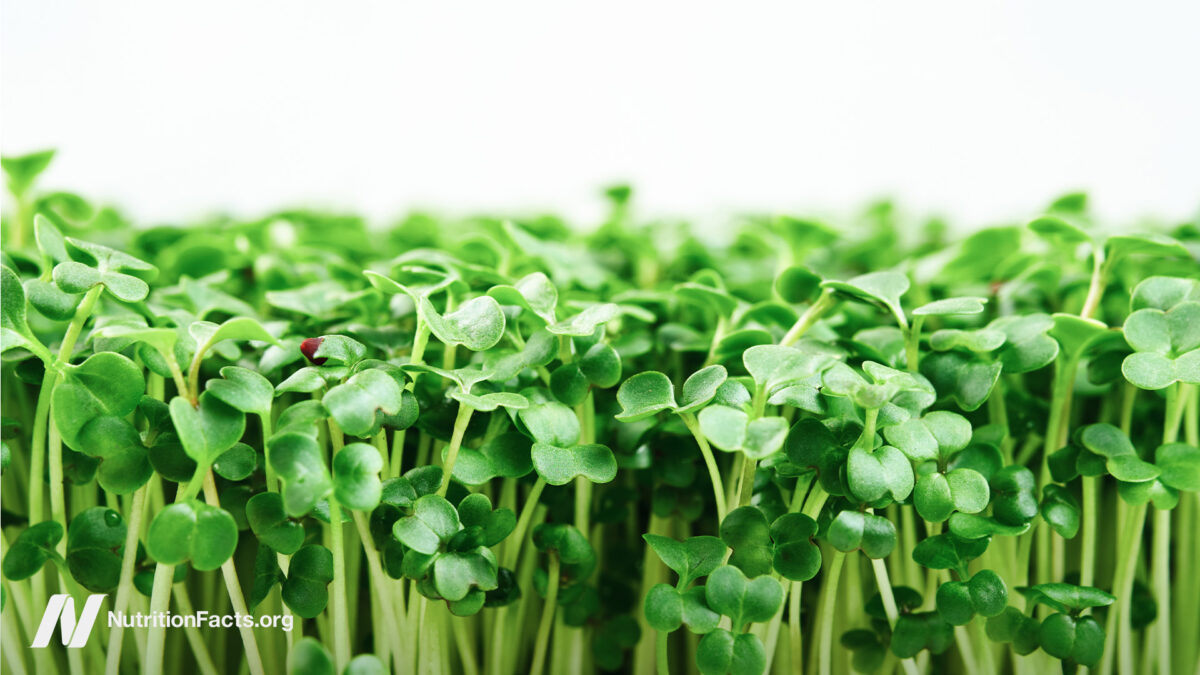
The investigation into broccoli sprouts began with anecdotal reports of patients suffering from H. pylori-induced peptic ulcer disease who experienced sudden, unexpected relief after consuming three-day-old broccoli sprouts. Researchers at Johns Hopkins University and other institutions decided to rigorously test these claims. Laboratory experiments confirmed that broccoli sprout extracts could successfully kill antibiotic-resistant strains of H. pylori in petri dishes. Clinical trials further supported these findings, demonstrating that patients who consumed as little as a third of a cup of broccoli sprouts daily for one week were able to eradicate the infection.
In a randomized controlled trial comparing broccoli sprouts to alfalfa sprouts, participants consuming the equivalent of two to three servings of broccoli a day through sprouts showed significant reductions in both H. pylori colonization markers and inflammation of the stomach lining. While broccoli sprouts may not be as universally effective as the triple-drug antibiotic cocktail—with an eradication rate of approximately 56 percent—they offer a safe, natural, and accessible intervention for those who may not be candidates for, or wish to avoid, intensive pharmaceutical therapy. Furthermore, a broader analysis of 22 population studies found that a high intake of cruciferous vegetables is consistently associated with a significantly lower risk of developing stomach cancer.
The Role of Garlic and Allium Vegetables
If cruciferous vegetables are a frontline defense, the allium family—which includes garlic and onions—appears to be a long-standing ally. Observational studies dating back to the 1960s, particularly those focused on Japanese migrant populations, suggested that regular consumption of allium vegetables offered a protective effect against stomach cancer.
Decades of subsequent research have largely supported this, with numerous studies finding that high intake of these vegetables correlates with a decreased risk of gastric cancer. However, scientists caution that these observational studies cannot definitively prove cause and effect. It is possible, for instance, that the relationship is reversed: patients with long-standing H. pylori inflammation may choose blander diets to avoid digestive discomfort, thereby appearing to eat fewer pungent foods like garlic and onions.
To move beyond observation, researchers initiated a massive randomized, double-blind, controlled trial in China, involving thousands of people at high risk for stomach cancer. Participants were randomized into various groups receiving combinations of antibiotics, garlic supplements, and antioxidant supplements. The results revealed that while a short course of antibiotics significantly decreased precancerous growths and stomach cancer incidence over a 15-year period, the effect of garlic was more nuanced.
Initial findings showed no benefit after seven years, and only a non-statistically significant reduction after 15 years. However, a 22-year update—published in 2019, 15 years after the intervention concluded—provided a clearer picture. Participants who had taken the garlic supplements showed a significantly lower risk of dying from stomach cancer. Interestingly, this protective effect appeared to manifest primarily among individuals who did not consume alcohol, suggesting that the benefits of dietary interventions may be influenced by a person’s broader lifestyle habits.
Ultimately, while the search for a "cure" continues, the evidence points to a compelling conclusion: the dietary choices we make every day—specifically the inclusion of cruciferous and allium-rich foods—may provide a robust, natural defense against the inflammation and infection that pave the way for stomach cancer. As science continues to untangle the complexities of the human microbiome and diet, these simple, nutrient-dense foods remain a central focus for those looking to improve their long-term health outcomes.