
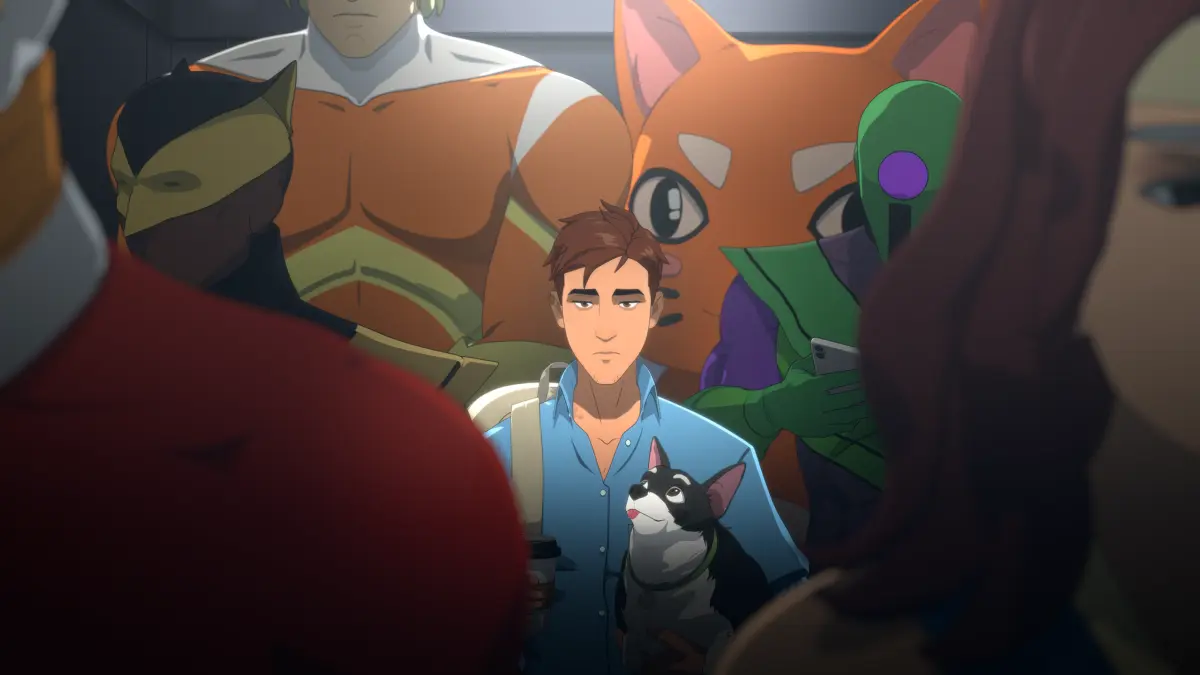
Today marks a significant milestone in the landscape of interactive entertainment as AdHoc Studio celebrates the one-year anniversary of Dispatch. Since the release of its debut episode, the game has defied industry skepticism to become one of the most unexpected and resounding commercial successes of 2025. What began as a high-stakes, self-published experiment has blossomed into a cultural touchstone that has now been experienced by more than 5 million players worldwide.
The journey to this anniversary has been nothing short of transformative for the studio. Last November, industry reports confirmed that Dispatch was on an aggressive trajectory to eclipse its three-year sales projections in just three months—a feat that signaled a shift in how audiences consume and engage with episodic narrative content. To commemorate the anniversary, AdHoc is rolling out a suite of updates and releases, including a new commentary and storyboard mode for the deluxe edition, a collaborative soundtrack vinyl set and book produced by Lost in Cult, and a live concert event in Los Angeles scheduled for December 3. Furthermore, the studio is expanding the game’s reach by launching on mobile platforms on December 9.
The Pandemonium of Production
Despite the current atmosphere of celebration, the path to Dispatch’s success was defined by a period of extreme pressure and operational uncertainty. Michael Choung, CEO and co-founder of AdHoc, reflects on the launch phase as a time of unrelenting “pandemonium.” The studio, founded in 2019 by a core group of Telltale Games alumni—Choung, Nick Herman, Dennis Lenart, and Pierre Shorette—found itself managing the production of eight distinct episodes under severe time constraints.
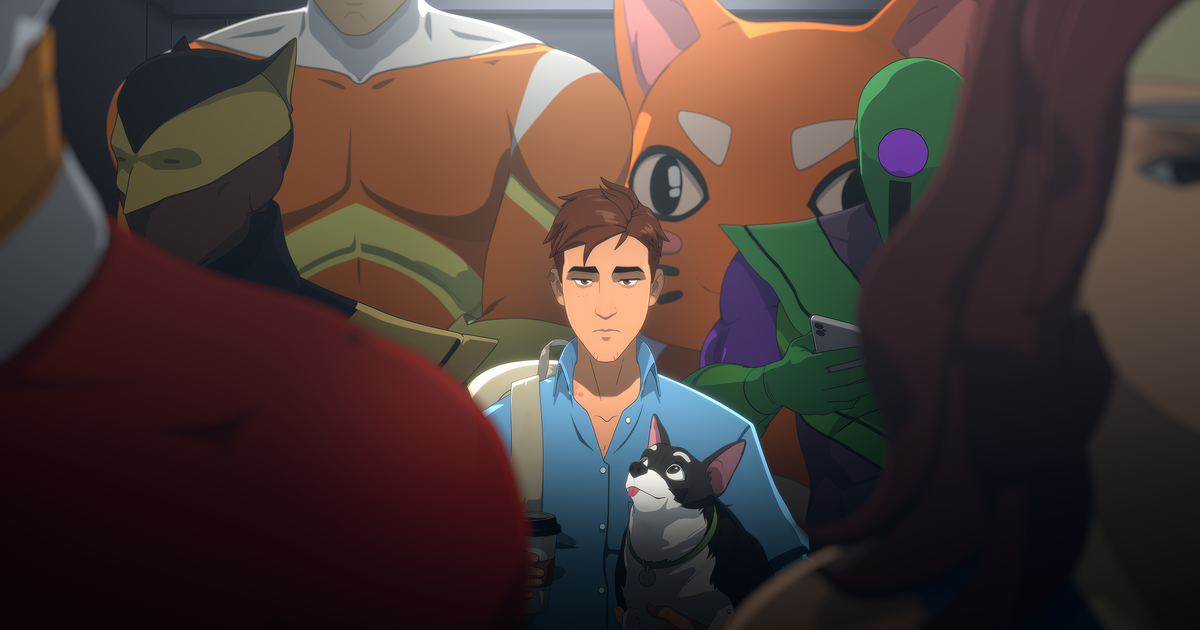
"We thought we’d be done and we’d be cruising across the weekly releases, but it was not that at all," Choung tells GamesIndustry.biz. The challenge was compounded by the fact that the team was navigating the complexities of self-publishing for the first time, including the grueling demands of console certification. According to Choung, the studio was effectively "learning on the fly," a process he describes as "crushing" in its intensity.
The success of the game, rather than providing a moment of relief, only served to accelerate the pace. As the title gained traction, the demands of maintaining the game and bringing it to additional platforms meant that the entire year has been a continuous effort to keep pace with the project’s own momentum. "It’s been a wild, wild ride," Choung admits.
A Heroic Struggle Against Industry Conventional Wisdom
The success of Dispatch is even more striking when contrasted with the industry’s initial reception to the project. Before the game became a hit, AdHoc faced a wall of skepticism from the publishing world. In recent years, the industry had largely soured on the episodic release model, often labeling it a "poisoned" format, while simultaneously viewing comedy-driven, narrative-heavy games as inherently difficult to market.

"Everyone understood that these things don’t make money, people don’t buy these things," Choung explains. "And so we literally talked to everyone. I’ve been at Gamescom the last four, five years, trying to scramble and find money from somewhere."
The studio’s founding vision was built on their collective pedigree from Telltale, but reality proved far more difficult than their reputation suggested. Initially, the team secured a publishing partner, only to have that funding pulled when the project was roughly one-third complete. This left AdHoc in a precarious position, forced to scramble for capital while simultaneously maintaining the quality of their work.
Survival came through a combination of contract work—a "work-for-hire" model that the studio maintained to keep the lights on—and a late-stage influx of support. Following a pivotal trailer reveal at The Game Awards in December 2024, Critical Role and several other strategic partners stepped in to provide the necessary finishing funds. Looking back, Choung describes the entire two-year window as a chaotic "tornado," where the unexpected popularity of the game only intensified the whirlwind of activity.

The Mechanics of Engagement
When analyzing why Dispatch managed to succeed where others failed, Choung points directly to the emotional connection forged between players and the game’s characters. Drawing on lessons learned during his time at Telltale, specifically regarding the fan reception of Tales from the Borderlands, Choung notes that players often feel a unique bond with characters that makes them feel like "hanging out with friends."
In Dispatch, this was achieved by creating a large, diverse cast with distinct, memorable personalities. Choung argues that in interactive narrative design, developers often focus too heavily on the "width" of choices—the idea that the game must branch into drastically different locations or story paths to be considered successful. Instead, he believes that the emotional weight of a choice is determined by the player’s investment in the characters involved.
"The reality is that you have to actually care about the choices that you’re making," he says. "The only way to make people care about that stuff is to just write compelling characters. If you care about the characters, it matters a lot if you break a promise to somebody or betray your friend. It’s much smaller, much more relatable choices that I think are much more memorable and impactful."

This focus on relatability was amplified by the game’s compatibility with the streaming community. Dispatch proved to be an ideal format for creators, who could pause at critical moments to discuss narrative stakes with their audience. This, combined with a highly visible presence on the front page of Steam—facilitated by a successful test run of the episodic format—created a snowball effect of engagement that helped the game stand out, even alongside massive, high-budget shooters.
Lessons and the Path Forward
Looking back, Choung acknowledges that the process was far from perfect. The studio took longer than necessary in some areas, shelving animation tests and exploring different creative directions that, while ultimately contributing to the game’s polish, extended the development timeline. "We made basically three feature-length movies and a video game on top of each other," he notes. "That’s what we did. We literally did not know that that’s what we were signing up for."
The animation process, handled by Igloo in Thailand based on AdHoc’s storyboards, required constant iteration and refinement. Choung admits that their approach of "reexamining things constantly" can be tiresome, but he believes it is precisely what allowed them to hit a quality bar that the market hadn’t seen before.

As the studio looks to the future, the lessons learned are being applied to their next steps. AdHoc plans to stick with the episodic model, encouraged by the fact that concurrent player counts doubled with every subsequent episode release—a trend Choung attributes to a more reliable, consistent release schedule compared to the fragmented drops of the past.
The potential for further expansion into film and television is also on the table. Conversations are already underway with industry figures like Dmitri M. Johnson of Story Kitchen. However, for the moment, the priority remains catching a breath after the exhaustion of the last two years. While nothing is "hard-committed" just yet, the studio remains firmly focused on original intellectual property.
"The studio is focused on original IP, and we want to make original stories," says Choung. "We kind of screwed ourselves with Dispatch because it’s so big, you can’t ignore it. You can’t walk away from it necessarily. But we want to tell all kinds of different stories."

As the one-year anniversary celebrations commence, AdHoc finds itself at a crossroads. The team knows they have to make a decision about their next project soon, but they are clearly savoring the rare opportunity to reflect on a project that defied the odds and changed the trajectory of their studio forever. "I’m sure soon enough," Choung concludes, "we’ll be announcing something."