
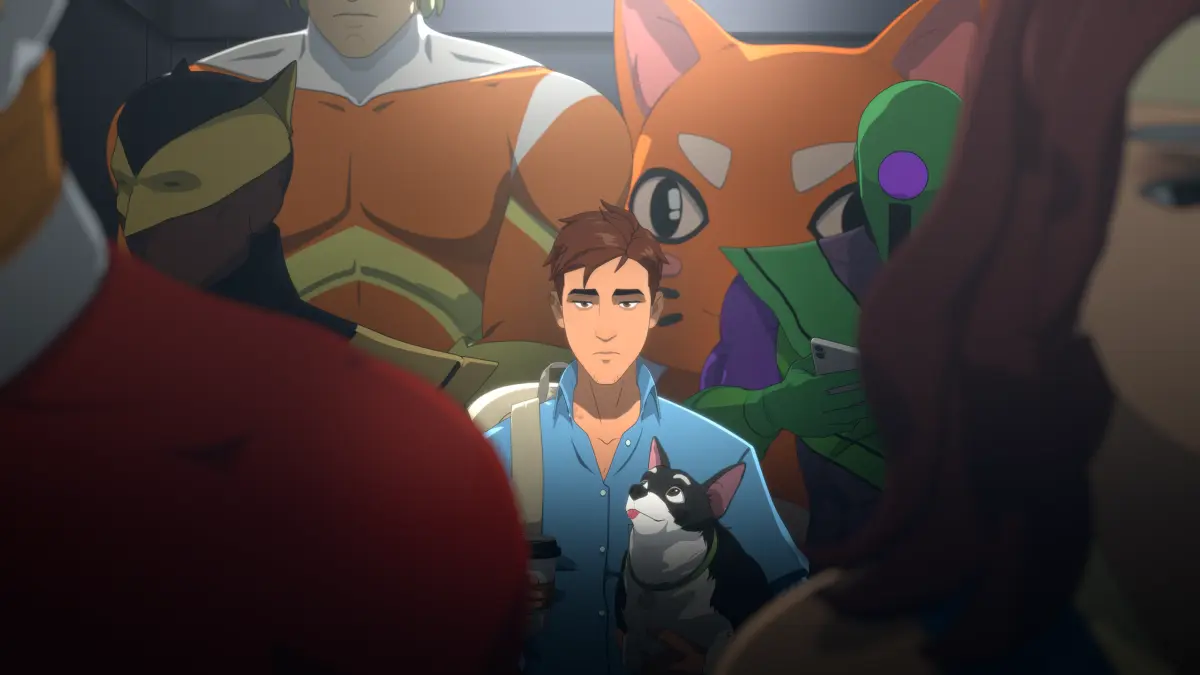
Today marks the one-year anniversary of the debut episode of Dispatch, the interactive narrative experience from AdHoc Studio that has become one of the most unexpected success stories in the gaming landscape of 2025. What began as an ambitious, high-stakes gamble by a group of industry veterans has transformed into a cultural phenomenon, reaching more than 5 million players worldwide. The milestone serves not just as a celebration of the game’s longevity, but as a testament to the resilience of a studio that spent years being told that its vision was commercially unviable.
To mark the occasion, AdHoc Studio has unveiled a suite of celebratory content for its dedicated fanbase. The deluxe edition of the game is receiving a significant update, featuring a new behind-the-scenes commentary track and a detailed storyboard mode that offers a window into the production process. Additionally, the studio has partnered with Lost in Cult to produce a premium soundtrack vinyl set and an accompanying art book. Beyond the digital and physical collectibles, fans can look forward to a live concert event in Los Angeles on December 3, followed by the highly anticipated launch of the game on mobile platforms on December 9.
From Chaos to Critical Success
While the current atmosphere is one of triumph, Michael Choung, CEO and co-founder of AdHoc, is quick to remind observers that the path to this moment was defined by "pandemonium." The studio’s release strategy for Dispatch—which spanned eight distinct episodes—required a grueling production pace that pushed the team to their limits. Far from the smooth, calculated rollout they had envisioned, the release window was a constant race against the clock.
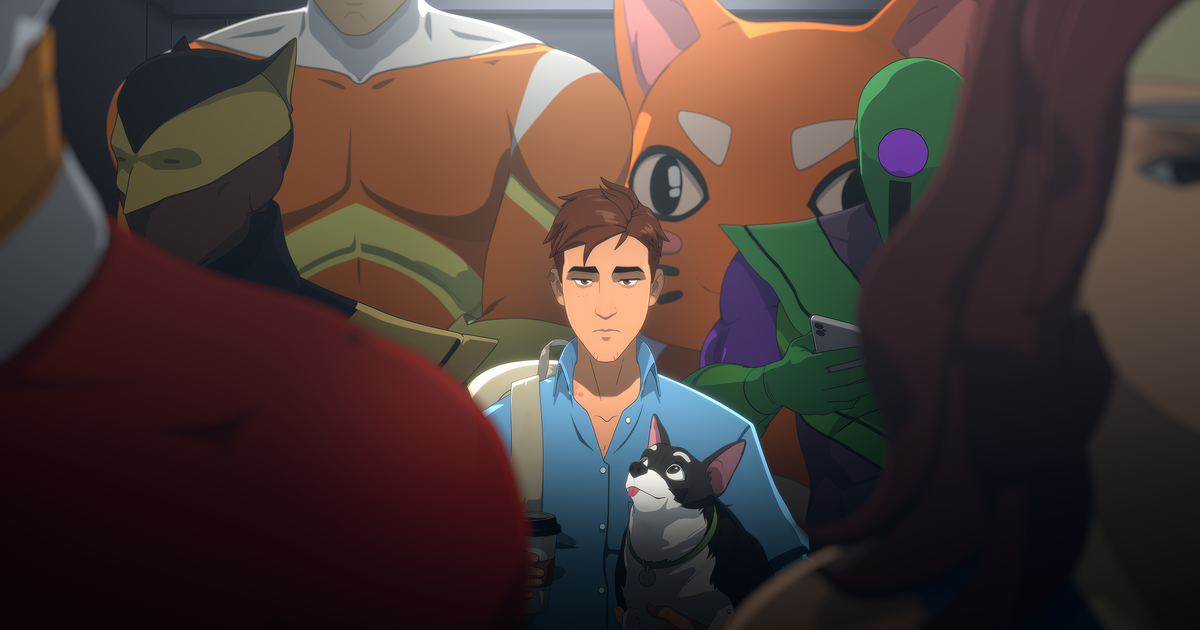
"We thought we’d be done and we’d be cruising across the weekly releases, but it was not that at all," Choung tells GamesIndustry.biz. The internal pressure was compounded by the realities of self-publishing, a learning curve that the studio had to navigate in real-time. "There were just a lot of things we were learning on the fly, and it was crushing how hard it was," he explains. "And then on the other side of it, it blows up, and then it got busier. So all of this year has just been catching up to the success of the game and just trying to get it on as many platforms as possible. But it’s been a wild, wild ride."
The difficulty of the launch was, in many ways, a microcosm of the challenges the studio faced even before the first line of code was written. Before Dispatch became a household name, AdHoc struggled to find partners who believed in the project. The studio, founded in 2019 by Telltale Games alumni Choung, Nick Herman, Dennis Lenart, and Pierre Shorette, faced significant headwinds from a publishing industry that had grown wary of episodic content and narrative-heavy games.
"Everyone understood that these things don’t make money, people don’t buy these things," says Choung, reflecting on the years spent pitching the game at events like Gamescom. "So we literally talked to everyone. I’ve been at Gamescom the last four, five years, trying to scramble and find money from somewhere."

The financial journey was precarious. After an initial publishing deal fell through midway through development, the studio was forced to pivot, surviving by balancing the development of Dispatch with various work-for-hire contracts. The final push toward completion only became possible after a trailer shown at The Game Awards in December 2024 caught the attention of Critical Role and other partners, who provided the necessary capital to cross the finish line.
The Anatomy of an Unexpected Hit
The question of why Dispatch succeeded where many industry analysts predicted failure comes down, in Choung’s view, to the emotional intimacy the game fosters with its audience. He draws a direct line between the success of Dispatch and the lessons learned during his time at Telltale, specifically regarding the audience response to Tales from the Borderlands.
"It was someone saying, ‘I want to keep playing this game because it feels like I’m just hanging out with my friends,’" Choung recalls.

Dispatch sought to replicate that feeling of companionship through carefully constructed characters. In an industry that often emphasizes the scale of player choices—the branching paths and massive narrative pivots—Choung argues that the real power of interactive storytelling lies in the quiet, personal moments.
"The reality is that you have to actually care about the choices that you’re making; it’s not really the width of the choices that you’re given," he explains. "The only way to make people care about that stuff is to just write compelling characters. If you care about the characters, it matters a lot if you break a promise to somebody or betray your friend. It’s much smaller, much more relatable choices that I think are much more memorable and impactful."
This focus on character-driven stakes, rather than complex "butterfly effect" mechanics, resonated deeply with players. It also proved to be a boon for the streaming community. Choung notes that the game’s structure made it uniquely suited for streamers to engage their audiences. The game’s pause-heavy, choice-centric flow allowed creators to deliberate with their viewers, fostering a participatory experience that extended well beyond the game itself. Many players who completed the game returned to watch their favorite influencers experience the story for the first time, further amplifying the game’s reach.

The visibility on Steam also played a crucial role. The episodic format, often viewed as a liability, became a major advantage, keeping the game on the platform’s front page for nearly a month. A test run conducted by the storefront following the October 22 release of the first episode confirmed the game’s potential, and by the time the final episode dropped on November 12, the game had secured its place as a breakout hit. For Choung, the success of Dispatch serves as a reminder that the gaming industry still possesses a unique, leveling quality, where a small, focused project can stand shoulder-to-shoulder with massive, multi-million dollar blockbuster shooters.
Lessons Learned and the Road Ahead
Despite the ultimate success, the experience left an indelible mark on the studio. Looking back, Choung admits that the development process was far from efficient. The team’s commitment to perfection led to several restarts and the shelving of earlier prototypes—a process that was both exhausting and vital.
"We made basically three feature-length movies and a video game on top of each other," Choung says. "That’s what we did. We literally did not know that that’s what we were signing up for." The collaboration with the Thai animation studio Igloo added another layer of complexity, requiring a constant back-and-forth to ensure the visual fidelity matched the narrative ambition of the script.

As for the future, the success of Dispatch has provided AdHoc with a clear path forward. The studio plans to continue utilizing the episodic model, having witnessed firsthand how the consistent release cadence helped maintain and grow their player base—avoiding the irregular, often frustrating release schedules that characterized the episodic gaming era of the past.
While the studio is currently in a period of recovery, the gears of the next project are already turning. There is significant interest in adapting the world of Dispatch for television or film, with prominent industry figures like Dmitri M. Johnson of Story Kitchen reportedly in the mix for potential partnerships.
For now, the team at AdHoc is savoring the relative calm after the storm, though they remain acutely aware that the expectations for their next move have never been higher. "The studio is focused on original IP, and we want to make original stories," Choung says. "We kind of screwed ourselves with Dispatch because it’s so big, you can’t ignore it. You can’t walk away from it necessarily. But we want to tell all kinds of different stories."

As they stand at this one-year crossroads, the studio is weighing its options, preparing to transition from the chaos of the Dispatch era into a new chapter. "I don’t think we’ve hard-committed to anything just yet," Choung notes, "but there’s definitely more in store."