
What does going on a first date have to do with fossil fuels? Everything, according to the petroleum industry.
An advertisement from the pipeline company Energy Transfer follows a young man and woman getting ready for a date—he primps with hair gel, she applies lipstick—before they meet at a bustling bar. "That connection was brought to you by petroleum products," the narrator says. "But what if we lived in a world without oil and natural gas?"
The narrative rewinds to the beginning, except this time, the woman looks bewildered as her smartphone and dating app evaporate in her hands. She gets bright red lipstick all over her cheek when the car she is riding in hits the pavement without rubber tires. As his hair gel disappears, the man looks into the mirror, completely baffled. When they finally sit down across from each other, their makeup, hair dye, and glasses fade away entirely. On the television screen playing a game in the bar, a football disintegrates just a second before the kicker swings his leg at empty air.
The commercial, which has racked up millions of views since it first appeared, taps into a deeply entrenched reality: fossil fuels have become completely embedded in American life. Oil and gas not only influence how people commute across town, but also where they choose to live, how they dress, and how they cook food in their kitchens. This all feels so ordinary that most people rarely notice how pervasive petroleum is, powering modern existence while hiding in plain sight. Though it might seem inevitable that society functions this way, investigations reveal that this concept of what is "normal" was carefully shaped over decades of strategic advertising, public relations propaganda, and broader cultural efforts spanning from early radio programs to Hollywood films.
"Our dependence on oil didn’t just happen," said Robert Brulle, an environmental sociologist at Brown University.
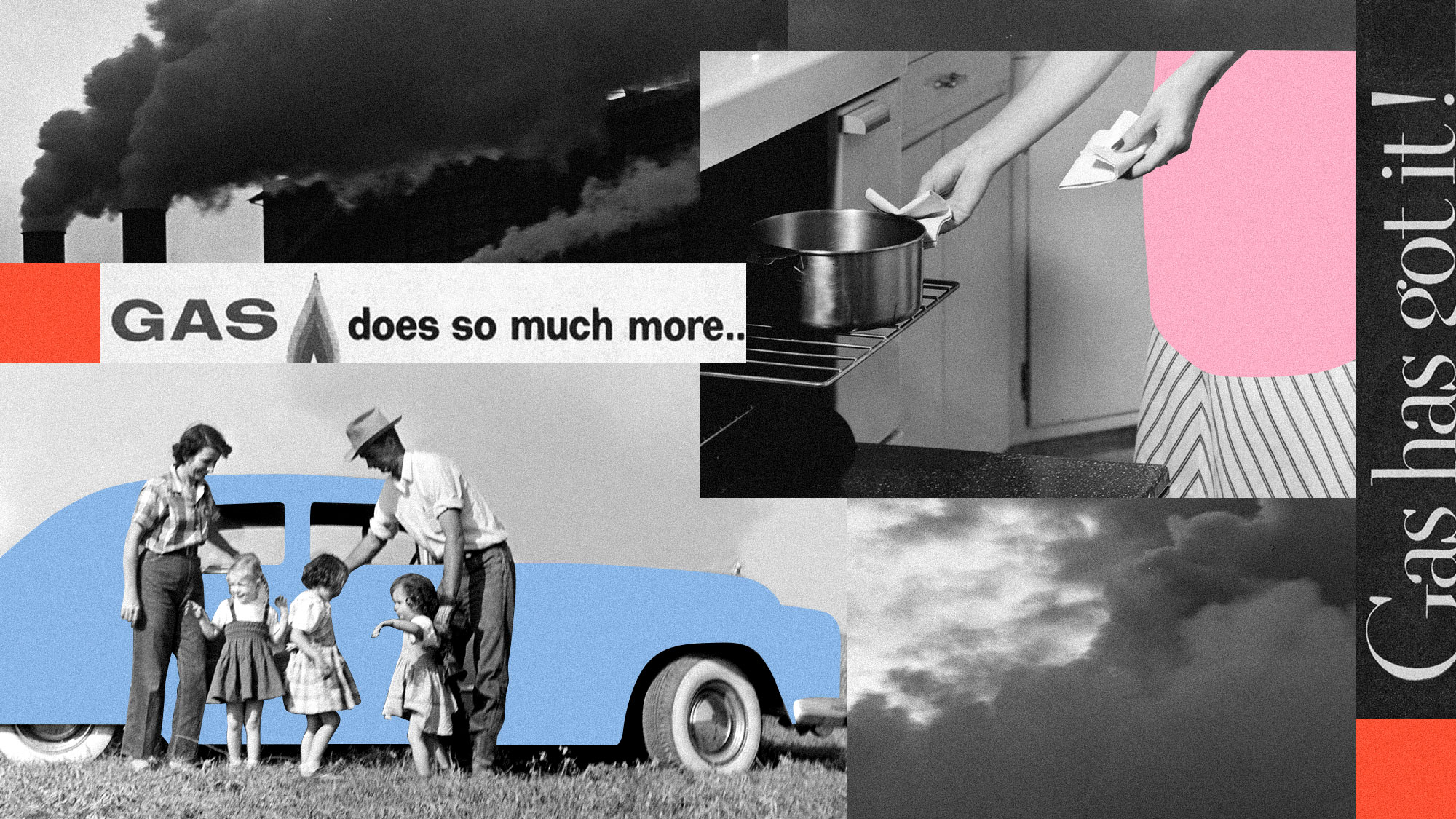
This calculated campaign began roughly a century ago, when corporate strategists began planning how to create long-term, structural demand for fossil fuels and the machinery that ran on them. Billboards showcased smiling families driving along open roads in their automobiles, films depicted stylish women cooking over the open flame of a gas stove, and magazines featured men pushing gas-powered mowers across perfectly manicured suburban lawns. The underlying message was frequently left unsaid: The modern American way of life runs explicitly on fossil fuels.
While the well-documented history of companies like Exxon shows that oil giants understood the dangers of global warming by the 1970s and still spent decades publicly downplaying the science, the story of how the industry coaxed Americans into accepting—and eventually desiring—a life built on fossil fuels has largely remained buried in the pages of obscure trade journals.
During the 1940s and 1950s, the oil industry poured millions of dollars annually into public campaigns designed to educate citizens about the wonders of petroleum and how it supposedly advanced the "American way." The natural gas industry promoted all-gas "dream kitchens" and paraded them before the influential editors of lifestyle publications like Better Homes and Gardens, Good Housekeeping, and The Ladies’ Home Journal. They sold a vision of the American Dream that strictly required their products—a cultural legacy that has proven devastating for modern efforts to rein in climate change and transition toward a cleaner future.

This history offers a clear explanation for why contemporary Americans have reacted so intensely to the prospect of banning polluting gas ranges or requiring higher sales quotas for electric vehicles over traditional combustion-engine cars. Is this ongoing political debate truly just about technology, or is it fundamentally about what the burning of fossil fuels represents: freedom and personal identity? Political movements have frequently tapped into a deep nostalgia for what oil once promised—economic might, a higher standard of living, and the promise of upward mobility. Leaders have frequently pointed directly to domestic energy reserves as the fundamental engine of national wealth.
As the world gradually enters an "age of electricity" powered increasingly by solar, wind, and low-carbon energy sources, the United States often appears culturally tethered to its past. Political administrations have repeatedly sought to prolong the lifespan of coal plants, open new tracts of land to oil and gas drilling, and curb the expansion of renewable energy infrastructure. When rolling back emissions rules or environmental regulations, officials have frequently framed these deregulatory actions as a vital step toward "restoring the American Dream," echoing a century-old industry narrative that insists there is no good life without fossil fuels—only sacrifice.
How Oil Became the "American Way"
Before highways, sprawling parking lots, and automobile-centric suburbs reshaped the United States, citizens moved about their daily lives very differently. People traveled between cities by railroad, and urban centers bustled with horses, buses, bicycles, and trolleys. Then the automobile arrived, and natural landscapes were gradually paved over, altering the national geography forever.
It was not always a foregone conclusion that automobiles would run on gasoline. At the dawn of the 20th century, electric vehicles were quieter, simpler to drive, and remarkably popular, accounting for roughly a third of all vehicles on the road. However, Henry Ford’s cheaper, mass-produced Model T, introduced in 1908, changed the market trajectory by running on inexpensive gasoline.
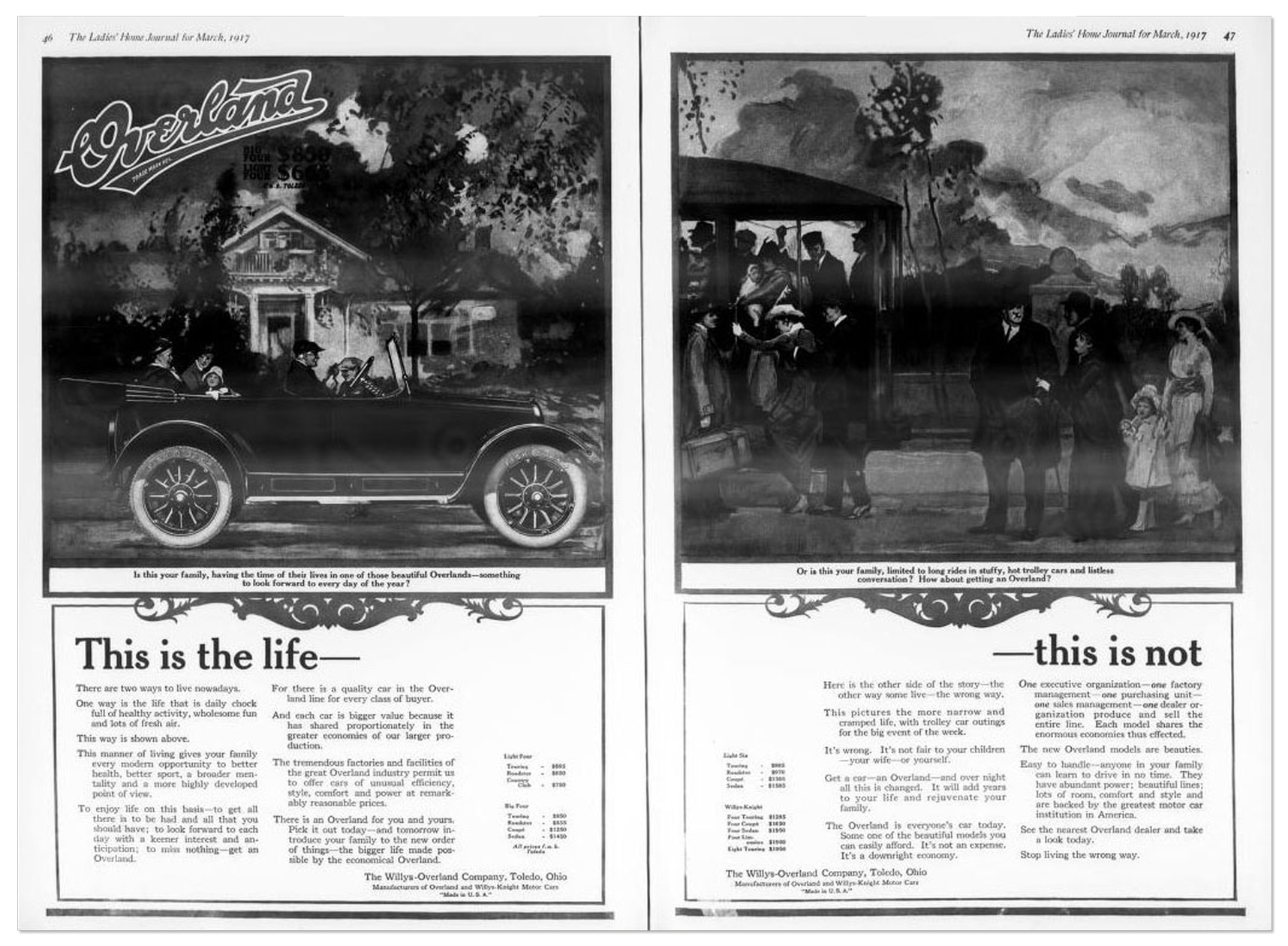
Up to that point, gasoline was largely considered a useless byproduct of kerosene refinement, but the explosive growth of the automobile industry provided a ready market. Automakers aggressively promoted their vehicles as superior to public transit, framing car ownership as a direct step up in social status. In a 1917 advertisement published in The Ladies’ Home Journal, an Ohio automaker sold its cars as being packed with healthy activity and fresh air, contrasting this with the supposed misery of long rides in hot, crowded trolley cars.
This marketing strategy previewed a broader shift in the 1930s. Previously, car advertisements had touted mechanical specifications, such as weight-to-horsepower ratios and fine leather upholstery. Soon, companies began marketing the experiential benefits of using their products, linking car ownership directly to leisure, enjoyment, beauty, good taste, and popularity.
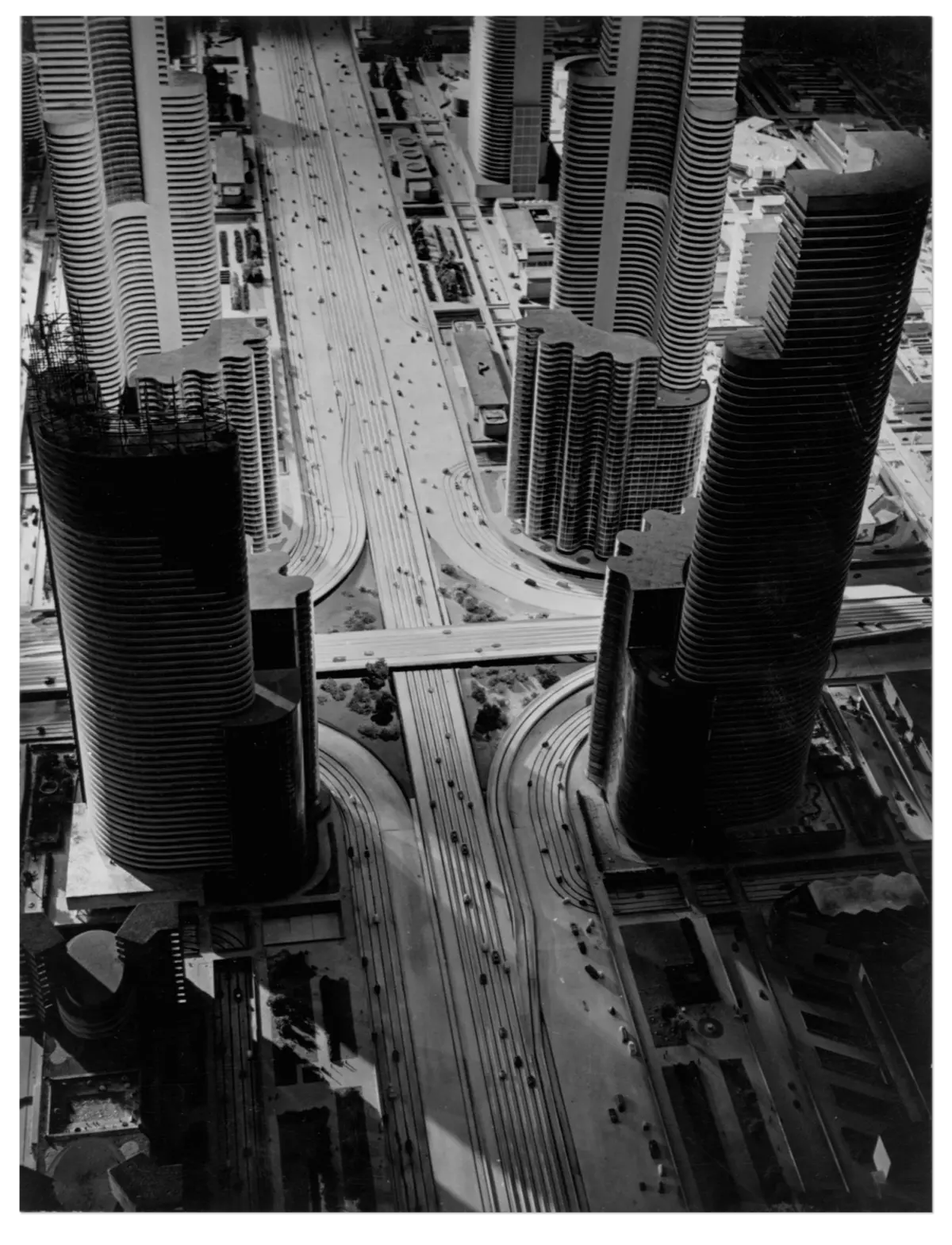
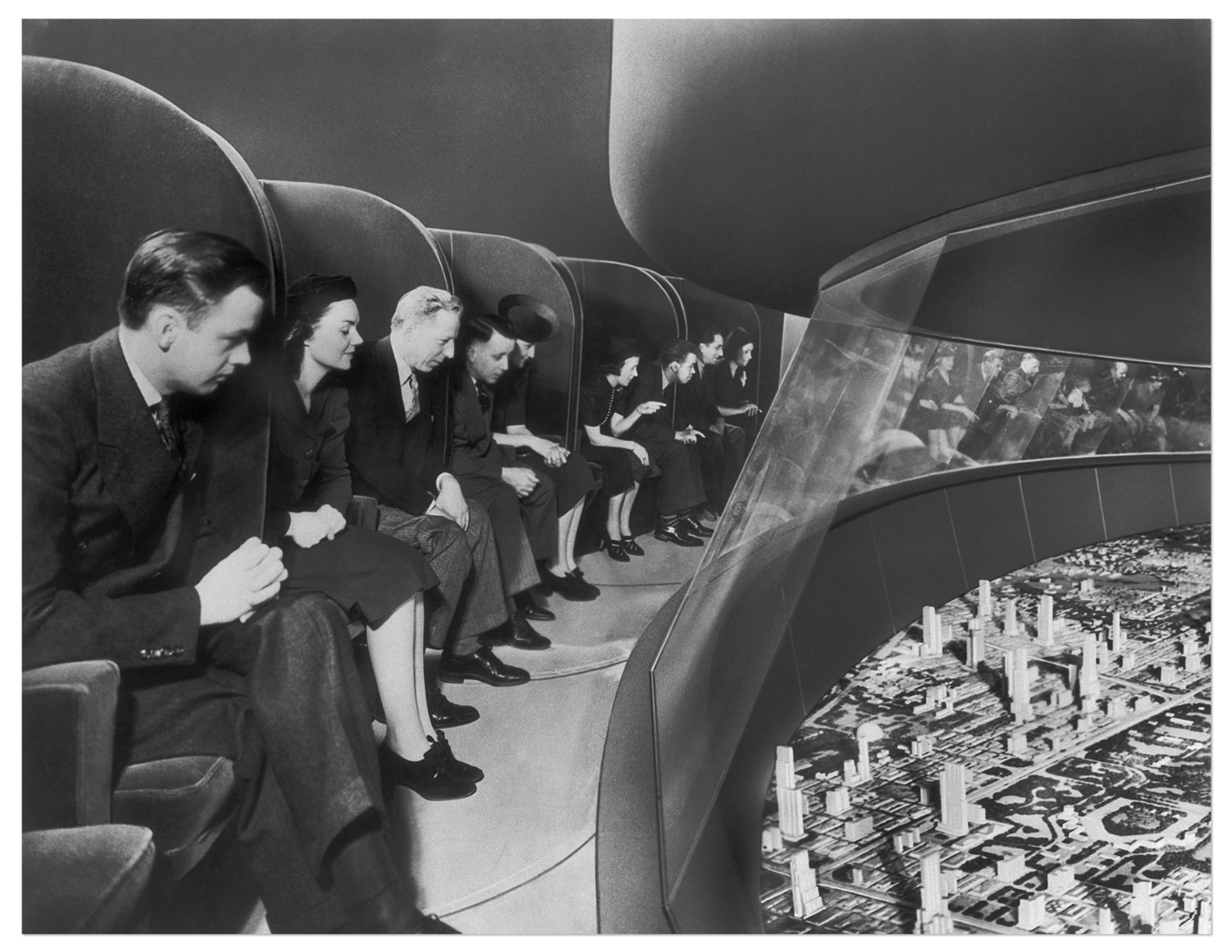
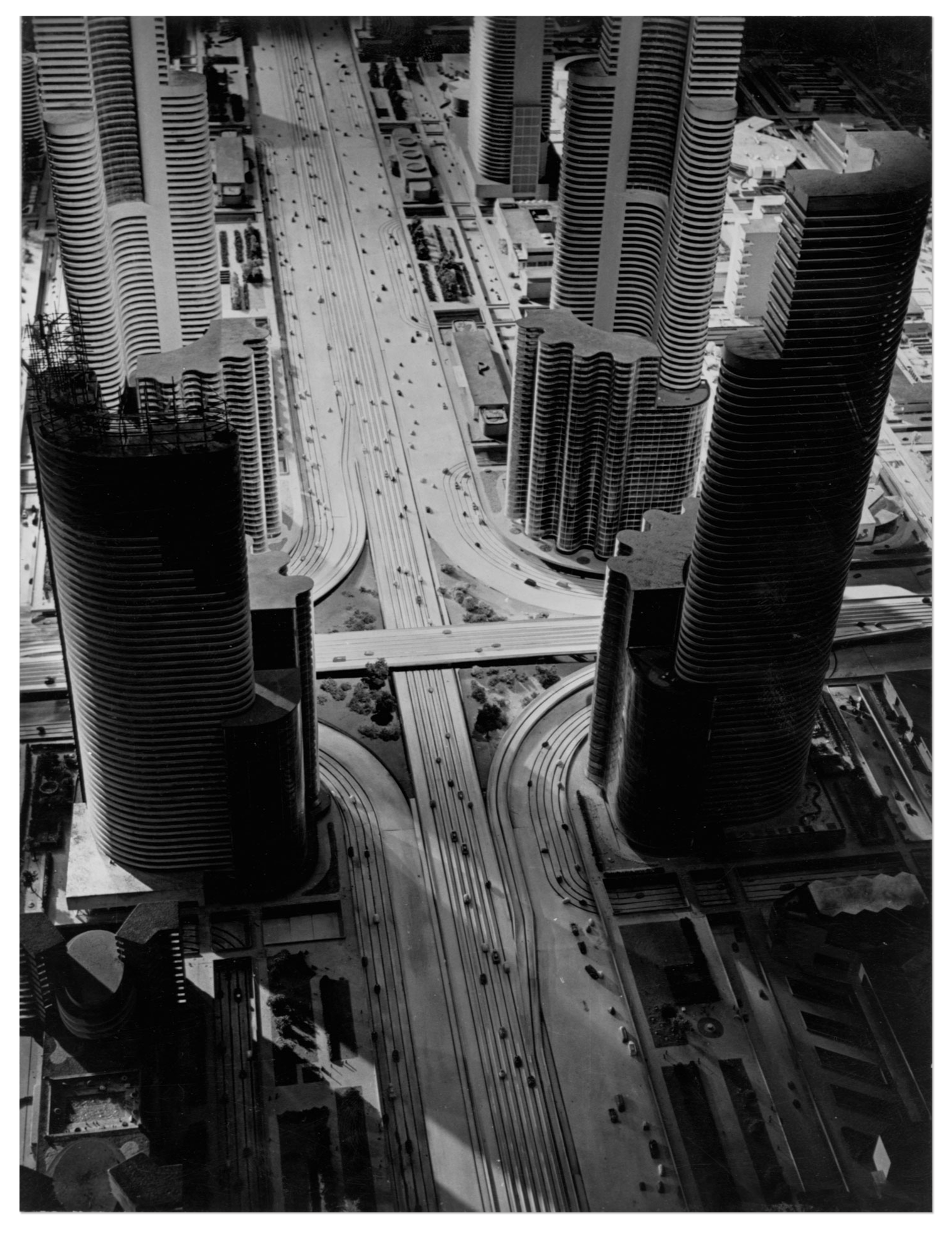
As the Great Depression receded, automakers seized the opportunity to pitch a brighter future rooted entirely in car culture. At the 1939–1940 New York World’s Fair, General Motors hosted the immensely popular "Highways and Horizons" exhibit. Its centerpiece, a sprawling diorama titled "Futurama," depicted a futuristic American city in the year 1960 complete with skyscrapers and 14-lane highways. Visitors viewed the model from moving chairs, absorbing the message that advanced roadways would set the pace for civilization and improve human happiness.
When the United States entered World War II in 1941, the oil industry experienced a massive boom, producing essential fuel for military aircraft and explosives. Seeking to counter public suspicion of large corporations left over from the Depression, oil executives reframed their business as patriotic and fundamentally essential to the American project.
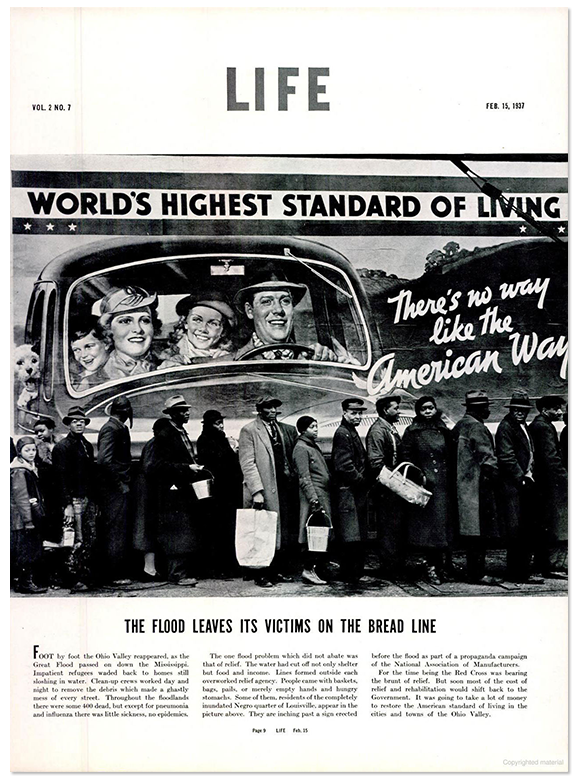
Initiatives were launched specifically to sell the public on the American way of life, dedicating significant advertising budgets toward promoting how a free enterprise economic system contributed to an unmatched standard of living. Ads celebrated factory workers’ purchasing power, arguing that economic success came down to fundamental principles of profit and competition.
Following the war, suburbanization accelerated rapidly as developers transformed agricultural land into massive tracts of uniform housing. Millions of families moved into these new subdivisions, far removed from their workplaces and commercial centers, locking themselves into a car-dependent lifestyle that consumed vast quantities of petroleum.
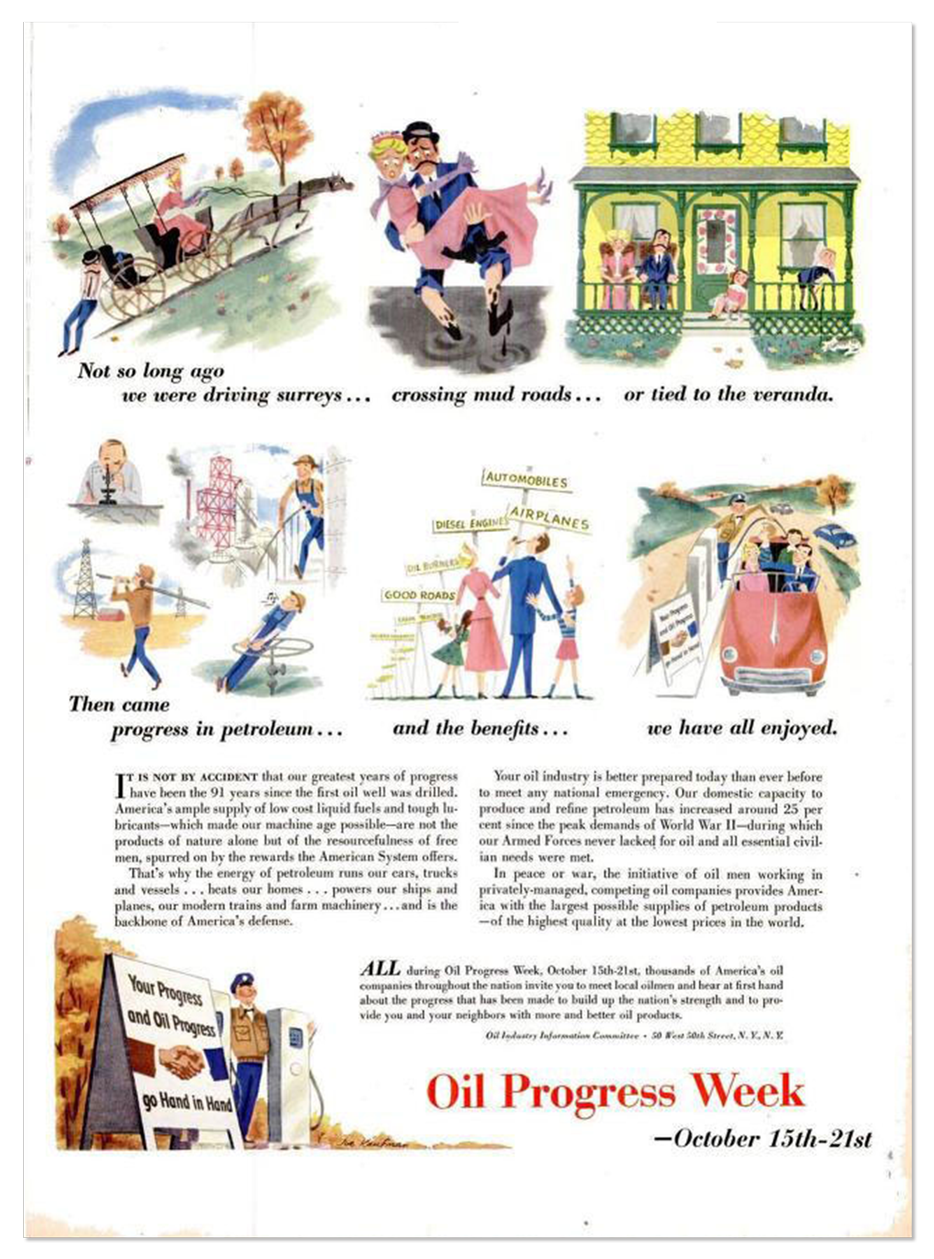
Yet oil executives worried that the general public still did not fully appreciate how fuel had transformed modern life. To fill what they perceived as an "opinion vacuum," the American Petroleum Institute formed the Oil Industry Information Committee in 1948. The group built an extensive public relations apparatus that produced educational pamphlets, sponsored school films, funded radio programming, and organized national events like Oil Progress Week to celebrate how oil fueled modern innovation.
Automakers and oil companies also worked in tandem to promote major highway construction projects. Icons of television and advertising urged families to explore the country by car, framing the quintessential American road trip as a matter of national pride and a requirement for a complete life. The subsequent passage of federal highway legislation greenlit a massive superhighway network, bringing the visions of the 1939 World’s Fair into reality.
As corporate profits soared during the postwar economic boom, lawmakers and media critics increasingly scrutinized these educational programs, questioning whether industry-sponsored materials distributed to schoolchildren constituted corporate propaganda or political indoctrination. Industry leaders, however, maintained that reminding the public of their contributions was simply a necessary part of public relations.
"A Word to the Wives": Fossil Fuels Invade the Home
The strategic expansion of fossil fuels extended far beyond the nation’s roadways, infiltrating the American home through a concerted campaign targeting domestic life. In the early 20th century, as new household appliances emerged, utilities launched extensive educational efforts led by home service directors to familiarize homemakers with gas- and electric-powered stoves, refrigerators, and washing machines.
Gas companies viewed the modernization of the kitchen as an essential battleground to secure long-term fuel consumption. Through daily radio programs, cooking classes, and direct home visits, utility experts instructed homemakers on the efficient operation of gas appliances. Industry leaders openly discussed these initiatives as a service that yielded vital profits in consumer goodwill and increased fuel demand.
To cement gas appliances as standard fixtures of modern life, the industry cultivated relationships with newspaper editors, college home economics departments, and women’s magazines. When the colloquial phrase "now you’re cooking with gas" gained popularity on radio programs in the late 1930s, gas associations quickly capitalized on the free promotion by recruiting prominent entertainers. Representatives also successfully lobbied Hollywood studios to feature all-gas kitchens and modern appliances as standard props in motion pictures.
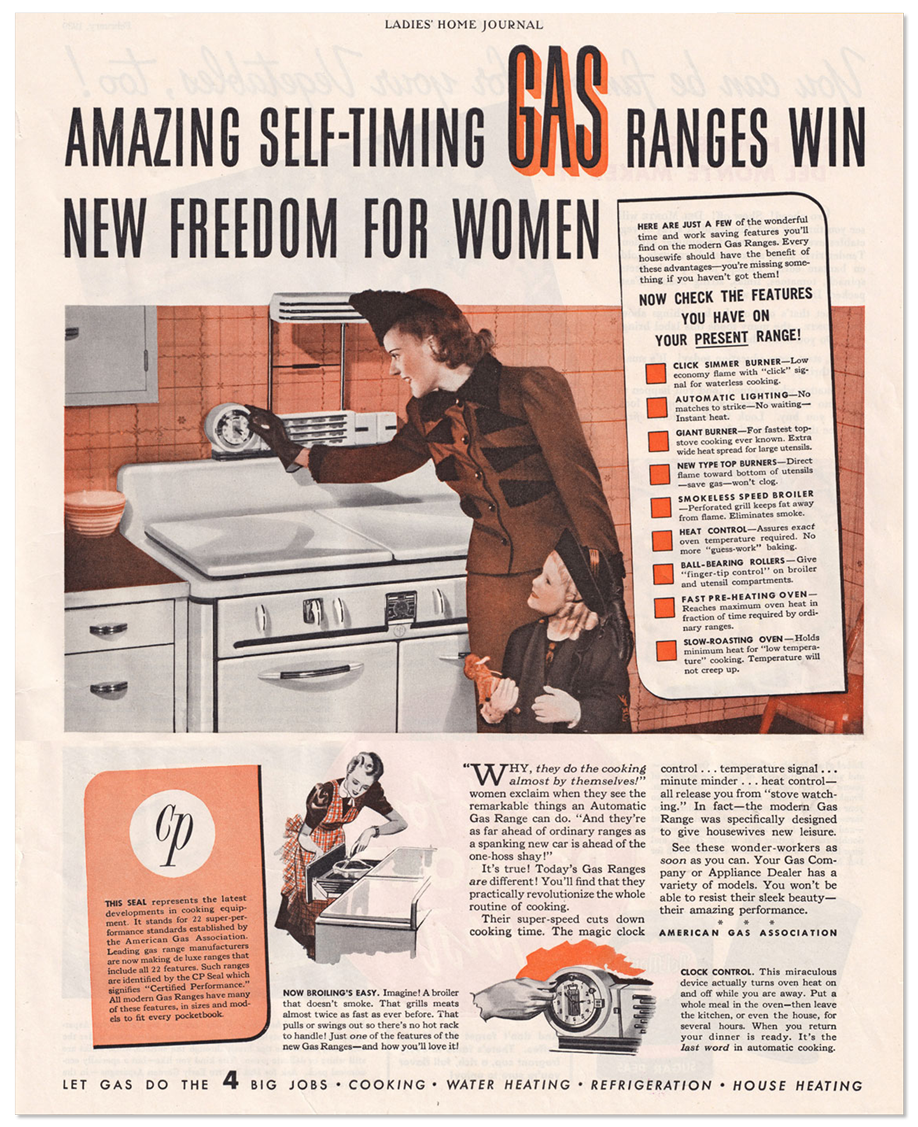
Following World War II, the gas industry launched the "New Freedom Gas Kitchen" campaign, promising to liberate homemakers from the drudgery of household chores through streamlined, step-saving layouts centered around gas ranges, refrigerators, and automatic water heaters. This push aligned neatly with a postwar culture of mass consumption, where newly expanded middle-class households were encouraged to purchase a wide array of branded goods to support national economic stability.
Short promotional films produced during this era depicted busy homemakers being convinced by friends that modern gas appliances were necessary to eliminate unnecessary labor, ultimately prompting their households to invest in the latest technology. Simultaneously, the petroleum industry promoted petrochemical derivatives, introducing plastics, synthetic fabrics, and weather-resistant building materials that made oil a ubiquitous presence inside the American home.
"The American Lifestyle Is Not Up for Negotiation"
As decades passed, the origins of this fossil-fueled lifestyle faded from public consciousness, becoming an accepted and unquestioned part of the national identity. However, by the 1960s, the visible environmental consequences of industrial pollution—ranging from heavy urban smog to polluted waterways—sparked the modern environmental movement and led to landmark federal clean air legislation.
External shocks soon disrupted the steady supply of cheap fuel that underpinned the American way of life. The 1973 oil embargo imposed by Arab oil-producing nations caused prices to quadruple, resulting in fuel shortages and rationing programs. This crisis triggered defensive reactions from industries and consumers alike, who viewed energy restrictions as a threat to personal freedom and government overreach.
When mounting scientific warnings regarding global warming gained mainstream prominence in the late 1980s and early 1990s, international climate negotiations faced fierce resistance from fossil fuel advocates. During international summits, U.S. delegations repeatedly insisted that "the American lifestyle is not up for negotiation," establishing a recurring pattern where energy companies mobilized public relations campaigns and economic studies whenever binding emissions targets were proposed.
This dynamic persisted through subsequent decades. Whenever policymakers pursued climate legislation or regulations aimed at curbing fossil fuel consumption, industry groups and allied politicians framed these policies as an assault on American values, economic stability, and personal autonomy. Critics argued that mandates targeting household appliances and traditional vehicles threatened to make everyday life significantly more expensive and less convenient.
At the same time, intensifying climate impacts—including severe weather events, rising infrastructure costs, and escalating home insurance rates—have increasingly threatened the very economic security and stability associated with the traditional American Dream.
Can a "Petroculture" Dream Up Something New?
The persistence of the political narrative surrounding fossil fuels reflects the profound depth of a century-long cultural campaign. Scholars note that the United States functions as a deeply entrenched "petroculture," where petroleum is so thoroughly woven into the fabric of daily existence that imagining alternative pathways can prove challenging.
Yet, historians and sociologists emphasize that the current reliance on fossil fuels was neither accidental nor inevitable. It was constructed through intentional corporate strategies, targeted marketing, and public relations efforts that successfully linked petroleum to prosperity and personal freedom.
As the global energy landscape shifts toward cleaner alternatives, overcoming a century of entrenched messaging requires confronting the cultural resonance of oil. While cleaner technologies and renewable energy systems continue to expand, reshaping the vision of the modern good life remains an ongoing challenge for a society built on fossil fuels.