
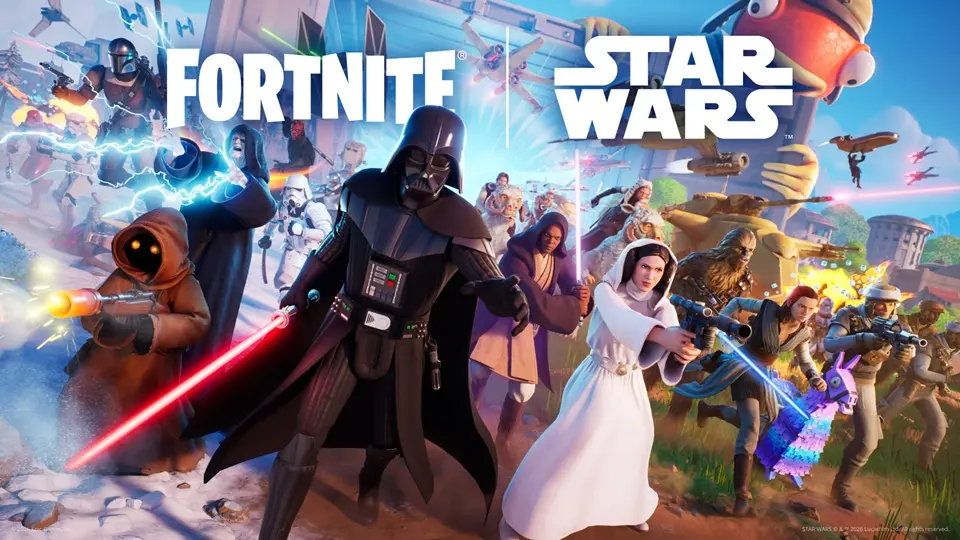
Epic Games has officially delayed its highly anticipated, upcoming shooter project—a title central to its landmark partnership with Disney featuring iconic characters from the Marvel and Star Wars universes. While the game was originally slated for a March release, current reports indicate that the project has hit a significant developmental roadblock, leading to an indefinite postponement with no new release window currently in sight.
The delay comes at a pivotal moment for the industry, as Epic Games pivots its internal production philosophy toward an "AI-first" model. According to reporting by Bloomberg, this transition is not merely a supplementary change but a fundamental shift in how the studio approaches game design, coding, and artistic creation. Sources familiar with the project have indicated that leadership has instructed development teams to pivot away from traditional methodologies, instead mandating the integration of artificial intelligence tools—specifically mentioning platforms like Anthropic’s Claude—as the primary engine for content generation.
The mandate, reportedly delivered during a recent internal video call, has sent shockwaves through the studio. In messages shared with staff, at least one project director was clear about the new direction, stating, "No more hand-written code." This directive extends beyond technical backend development; staff have been informed that all of the game’s artistic assets are to be "generated with full AI workflows." For a studio known for high-fidelity production values and meticulous creative control, the shift has been described by some as "stunning," leaving many employees to grapple with the implications of such a radical departure from conventional game development.
In response to inquiries regarding this strategy, Epic Games communications director Jake Jones provided a statement emphasizing the company’s commitment to innovation. "We are embracing AI-accelerated development, led by Epic developers who are the visionaries and creative drivers for everything we do," Jones noted. While Epic frames this as a leap forward in efficiency and creative potential, the immediate reality for the Disney-linked shooter suggests that the transition has been far from seamless.
The decision to lean heavily into artificial intelligence comes as the project has reportedly fallen behind its original production schedule. Insiders suggest that the timeline slippage is partly due to a miscalculation by management regarding the specific staffing requirements and the sheer volume of time needed to execute a project of this scale and complexity. While Epic has been actively encouraging the use of AI across its various divisions for some time, this specific project is widely viewed as the most aggressive attempt yet by a major video game publisher to build a marquee title primarily through generative AI workflows. No other developer of Epic’s stature has previously attempted such a comprehensive, top-down integration of AI in the development of a flagship, licensed game.
This disruption is particularly significant given the stakes of the Epic-Disney partnership. In 2024, Disney made a staggering $1.5 billion investment in Epic Games, acquiring a notable equity stake in the company. This deal was framed as a long-term strategic move, with the two giants announcing a partnership that would span multiple games and experiences. The delayed shooter was intended to be the flagship debut of this collaboration, meant to leverage the massive reach of the Disney and Marvel intellectual property catalogs within the Fortnite ecosystem or a similar Epic-led environment.
The timing of this pivot also arrives in the wake of a tumultuous period for Epic Games. In March, the company announced a significant reduction in its workforce, laying off more than 1,000 employees. Epic leadership cited a downturn in Fortnite engagement as a primary driver for these layoffs, noting that the company had been spending more than it was earning at the time. The pressure to regain momentum, cut costs, and capitalize on the massive Disney partnership appears to have created a high-stakes environment where "AI-accelerated development" is being tested as a potential solution to both budget constraints and production speed.
The broader gaming industry remains deeply divided over the role of artificial intelligence. According to a 2026 survey conducted at the Game Developers Conference (GDC), more than a third of industry professionals now incorporate AI into their daily workflows. However, the survey also highlighted a sharp ideological divide, with more than half of the respondents expressing the belief that AI is ultimately harmful to the gaming industry. Concerns regarding job displacement, the dilution of artistic intent, and the long-term impact on the craft of game design have become central points of debate among developers, unions, and studio heads.
The discourse surrounding AI in gaming was further fueled recently by Yuji Horii, the legendary creator of the Dragon Quest franchise. Horii revealed that he had produced a new, playable game in approximately 30 minutes with the assistance of AI tools. While Horii’s experiment was small in scope, it served as a lightning rod for discussions regarding the future of creative authorship. In contrast, Epic’s project represents a much larger, institutional bet on the technology, applying it to a AAA-level production involving some of the most valuable intellectual property in the world.
As of this writing, Disney has not publicly commented on the delay or the shift in Epic’s development strategy. The absence of a new release date suggests that the transition to an AI-first workflow may require more significant recalibration than initially anticipated. For a company that has defined the modern era of live-service games, the success of this project is not just a matter of hitting a launch window—it is a test of whether the traditional, human-centric model of game development can be successfully transformed into an AI-augmented one without compromising the quality or the vision that fans of Marvel and Star Wars have come to expect.
For the staff at Epic Games, the coming months will be critical. The industry will be watching closely to see if the studio can successfully bridge the gap between its ambitious technological aspirations and the practical realities of delivering a high-quality, cohesive gaming experience. Whether this strategy becomes the new industry standard or serves as a cautionary tale about the limits of AI in creative endeavors remains to be seen. For now, the future of this high-profile collaboration remains shrouded in uncertainty as the team navigates a new, and largely untested, frontier of software development.