
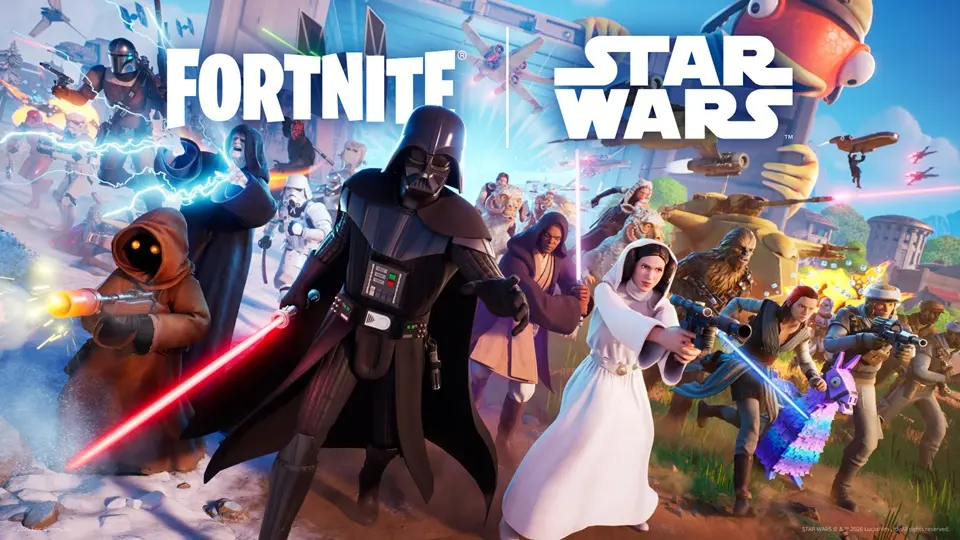
Epic Games has officially delayed its highly anticipated collaborative project with Disney—a marquee shooter title featuring an expansive roster of iconic characters from the Marvel and Star Wars franchises. Originally slated for a March release, the project now faces an uncertain timeline with no new launch date confirmed. The delay comes alongside a significant and controversial shift in internal production strategy, with leadership instructing developers to transition to an "AI-first" development model.
The decision to pivot to artificial intelligence as the primary engine for creation represents a bold, if not contentious, departure from traditional game development standards. According to reports, the directive was communicated to staff during a video call last week. In an internal message obtained by media outlets, one of the project’s directors reportedly informed the development team that the era of "hand-written code" is effectively over for this production. Furthermore, the directive mandated that all visual assets for the game be "generated with full AI workflows," signaling a wholesale embrace of generative technology that has left some members of the development team visibly stunned.
The shift appears to be part of a broader, aggressive push by Epic Games to integrate AI tools—such as Anthropic’s Claude—into its internal divisions. While many studios in the gaming industry have begun experimenting with AI to assist in administrative tasks, asset iteration, or background coding, Epic’s mandate to utilize these tools as the primary driver of development is unprecedented for a project of this scale and profile.
In a statement addressing the shift, Epic communications director Jake Jones emphasized the company’s commitment to innovation. "We are embracing AI-accelerated development, led by Epic developers who are the visionaries and creative drivers for everything we do," Jones stated. He noted that the company views these tools as a means to augment the capabilities of their human workforce rather than replace them, though the sentiment on the ground—particularly among those tasked with implementing these workflows—remains one of significant apprehension. Disney, for its part, has not yet issued a formal comment regarding the delay or the change in production philosophy.
The project, which carries the weight of a massive financial and strategic partnership, was intended to be the crown jewel of the ongoing collaboration between Epic Games and The Walt Disney Company. In 2024, Disney made a substantial $1.5 billion investment in Epic, securing an equity stake and setting the stage for a long-term partnership that aimed to bring Disney’s intellectual properties into a persistent, interactive ecosystem. This shooter was intended to be the first major fruit of that collaboration, serving as a cornerstone for the company’s plans to expand its presence within the digital space.
Insiders familiar with the project suggest that the move toward AI-centric development is not solely an experimental choice but also a tactical response to significant production hurdles. Sources indicated that the game had fallen behind its internal schedule, a delay attributed in part to miscalculations regarding the necessary staffing levels and the total time required to bring a project of such complexity to completion. By mandating an AI-first workflow, the studio appears to be attempting to accelerate production velocity and mitigate the impact of previous planning errors.
The pressure on Epic Games has been mounting for some time. In March of last year, the company announced it was cutting over 1,000 employees, citing a downturn in engagement for its flagship title, Fortnite, and a need to align its cost structure with the shifting realities of the market. The layoffs were a sobering moment for the industry, reflecting the broader economic volatility that has affected game developers globally. As the company looks to reconcile its ambitious partnership with Disney with the necessity of maintaining efficiency, the reliance on generative AI has emerged as a potential—if polarizing—solution.
The wider gaming industry is currently grappling with the ethics and practical applications of artificial intelligence. According to a 2026 GDC survey, more than a third of game developers have already integrated some form of AI into their daily workflows. However, the survey also highlighted a deep-seated divide: over half of the respondents expressed concerns that the proliferation of AI is ultimately harmful to the gaming industry. These concerns range from the potential for intellectual property theft and the erosion of artistic integrity to the fear of further job displacement in an industry already reeling from record numbers of layoffs.
The debate surrounding the use of AI in creative fields was further highlighted by recent comments from Yuji Horii, the legendary creator of the Dragon Quest series. Horii recently showcased a new title that he claimed was developed using AI tools in roughly 30 minutes. While such demonstrations illustrate the technical efficiency of these systems, they also underscore the radical speed at which industry leaders are attempting to reshape the development process. For many, the prospect of a high-budget shooter featuring beloved Marvel and Star Wars characters being built primarily through AI prompts creates a stark contrast to the traditional, painstaking craftsmanship that has historically defined the medium.
As Epic Games moves forward, the success of this project will likely serve as a litmus test for the viability of AI-first development in AAA gaming. The challenge for the studio lies not only in the technical implementation of these workflows but also in maintaining the quality, cohesion, and creative vision that fans expect from brands like Marvel and Star Wars. With the project now in a state of flux and the development team adjusting to a fundamentally different way of working, the industry remains in a period of watchful waiting.
The decision to pivot to AI, while framed as an "acceleration" of development, invites intense scrutiny regarding the future of creative labor. If Epic succeeds in delivering a high-quality, commercially successful title through these methods, it could trigger a seismic shift in how games are conceived and constructed across the entire industry. Conversely, should the project struggle to meet expectations or encounter further technical roadblocks, it may force a reassessment of the limits of AI in creative leadership.
For now, the studio faces the difficult task of integrating these new workflows while attempting to preserve the collaborative spirit that both Epic and Disney have championed. The absence of a new release date suggests that, despite the push for rapid AI-driven development, the complexities of creating a compelling, polished, and enjoyable game remain a significant hurdle. Whether this shift toward automation will bridge the gap left by previous scheduling missteps or introduce a new set of creative challenges remains to be seen. As the development process continues, the gaming community will be looking to see if the final product can balance the efficiency of the machine with the distinct human touch that has made the Marvel and Star Wars universes cultural staples for generations.