
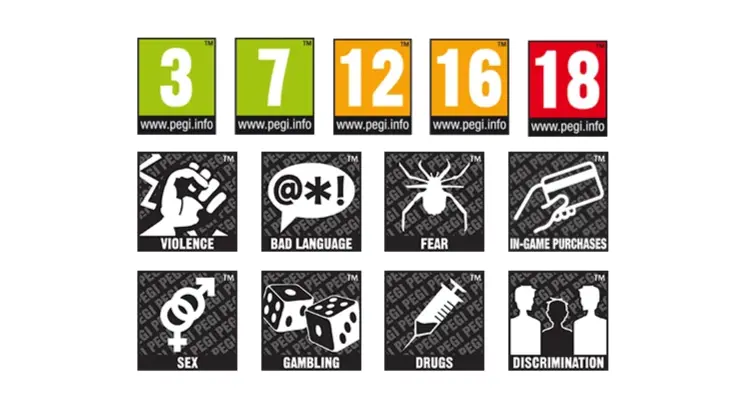
The Games Rating Authority (GRA), which administers the Pan-European Game Information (PEGI) system within the United Kingdom, has initiated a significant shift in how digital titles containing "paid random items" are classified. Under the new policy, existing digital-only games that feature mechanics such as loot boxes—and currently hold a PEGI 3, 7, or 12 rating—are being systematically re-rated to PEGI 16. This administrative transition, aimed at increasing transparency for consumers and parents, began last week and is expected to continue rolling out across various storefronts and platforms throughout the month of October.
This regulatory adjustment represents a tightening of the criteria surrounding in-game monetization, specifically targeting mechanisms where players exchange real-world currency for randomized rewards. By assigning a mandatory PEGI 16 rating to these titles, regardless of their original classification, the GRA is effectively signaling that the inclusion of gambling-like mechanics warrants a more mature audience profile. The updated label will be clearly marked as "PEGI 16 – Paid random items," ensuring that users, particularly parents managing content restrictions, are fully informed about the presence of these systems before a purchase is made.
Connor Hinde, a policy manager at the Games Rating Authority, confirmed the rollout via a public update on LinkedIn. The move is designed to capture a broad spectrum of digital software, applying to games whether they were originally assessed through the traditional PEGI "Classic" procedure or the more automated International Age Rating Coalition (IARC) system used by major digital storefronts. Because the volume of titles requiring reassessment is substantial, the GRA has acknowledged that users may notice a rapid influx of rating changes appearing on digital marketplaces as the updates propagate through the system over the coming weeks.
The policy shift is the culmination of ongoing efforts by European regulators to address growing concerns regarding the intersection of gaming and gambling-like mechanics. For years, the industry has faced mounting pressure from consumer advocacy groups and government bodies to better define and disclose the risks associated with loot boxes. These items, which provide randomized rewards in exchange for payment, have often been criticized for their psychological impact on younger players, leading to calls for stricter age-gating and clearer warnings.
By bumping these games to a PEGI 16 classification, the GRA is taking a firm stance. The decision implies that the presence of paid randomized items is inherently unsuitable for younger demographics, even if the game’s core aesthetic, narrative, or gameplay mechanics would otherwise be deemed appropriate for a seven or twelve-year-old. This categorical approach simplifies the user experience by prioritizing the monetization model over the content itself, ensuring that any game featuring these specific mechanics is subject to the same standard of oversight.
The process of re-rating thousands of digital titles is a complex undertaking, necessitating coordination between the GRA, digital distribution platforms, and software publishers. Recognizing the potential for confusion during this transition, the GRA has encouraged developers and publishers who may have questions regarding how these changes affect their specific portfolios to contact the PEGI Helpdesk. The authority is providing guidance on how these updates will reflect on storefronts and how publishers can manage the adjustment of their existing product listings.
While the PEGI system is standard across much of Europe, the international landscape remains fragmented regarding how these mechanics should be labeled. A notable divergence occurred earlier this year when the Entertainment Software Rating Board (ESRB), which oversees content ratings in the United States, officially stated that it would not be adopting similar sweeping changes to its own system.
In a statement provided during the spring, the ESRB noted that while it is aware of the global discourse surrounding loot boxes, it would not follow the PEGI approach. The board expressed concerns that changing its rating criteria to match PEGI’s—specifically by elevating age ratings based on the inclusion of randomized purchases—could prove confusing for American consumers. The ESRB has historically maintained that its primary role is to inform parents about the suitability of content, and it has opted for a different method of disclosure, such as the "In-Game Purchases (Includes Random Items)" label, rather than adjusting the core age rating itself. This contrast highlights the ongoing debate within the global games industry regarding the most effective way to regulate digital monetization.
For parents and consumers in the UK, the current October rollout serves as a reminder to check content settings and parental controls on gaming consoles and PC platforms. As the new ratings take effect, software that was previously accessible to younger children under existing family settings may suddenly trigger age-gating restrictions. This is a deliberate feature of the system, intended to empower parents to make more informed decisions about the type of content and the financial environments their children are exposed to while gaming.
The scale of this operation is significant. The digital games market has expanded exponentially over the last decade, and the prevalence of live-service models has led to the proliferation of loot boxes across games of every genre, from competitive shooters to casual mobile titles. By retroactively applying these standards to existing software, the GRA is acknowledging that the context of a game changes as its monetization evolves. A game that may have been a simple, child-friendly title at launch can fundamentally change its risk profile if a developer later introduces a loot box system via a post-launch update.
This move also places additional responsibility on developers to be transparent about their business models from the start. As regulators continue to monitor the impact of in-game purchases on younger audiences, the industry is seeing a clear trend toward more rigid disclosures. The "Paid random items" descriptor is no longer just a footnote; it is now a primary factor in determining the target audience of a game within the UK.
As the month progresses, players can expect to see these new ratings reflected across various digital platforms, including console storefronts, mobile app stores, and PC launchers. The GRA continues to work behind the scenes to ensure that the transition is as seamless as possible, though the sheer scale of the update means that some titles may appear with updated ratings before others.
For the gaming industry, this development is a clear indicator that the regulatory environment is hardening. The days of ambiguous monetization systems being overlooked in age-rating assessments are largely coming to an end. Whether this move will influence other international rating boards to follow suit, or if it will lead to a continued fragmentation of global standards, remains to be seen. In the meantime, the Games Rating Authority remains focused on its primary objective: providing clear, consistent, and protective information to consumers as they navigate an increasingly complex digital landscape. As the October rollout concludes, the new PEGI 16 standard for games with paid randomized items will effectively become the new baseline for digital content in the UK, marking a definitive step in the evolution of game regulation.