
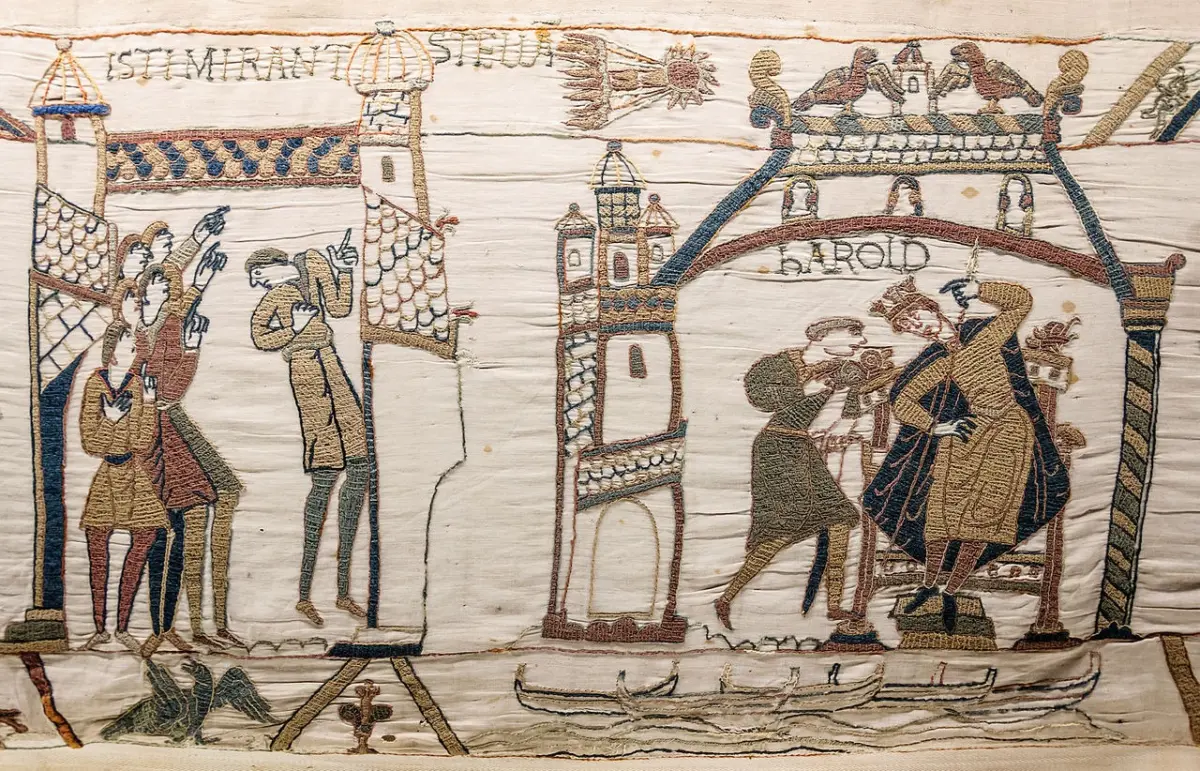
The British Museum has found itself at the epicenter of a cultural phenomenon this autumn. Since the historic arrival of the Bayeux Tapestry from its long-standing home in Normandy, France, the institution has been besieged by record-breaking crowds, with visitors flocking from across the globe to catch a glimpse of the 230-foot-long medieval textile. The exhibition, which serves as a rare and significant cultural bridge between Britain and France, has captured the public imagination in a way few displays in recent memory have. However, this surge in interest has not been without its logistical challenges, leading to a series of operational "snafus" that have tested the museum’s capacity and prompted a significant re-evaluation of its visitor experience strategy.
In the weeks since the exhibition opened, the museum has grappled with significant friction points. Reports of visitors being turned away—despite having secured tickets for the sold-out, high-demand exhibition—have caused considerable frustration. These operational difficulties were exacerbated by high-profile incidents that brought the museum’s management under public scrutiny. Specifically, the institution faced criticism after closing the exhibition early to accommodate an unrelated gala dinner, a decision that left many ticket holders without the experience they had paid to see. Furthermore, the museum has been served with a lawsuit by a blind visitor, who alleged that the lack of accessible audio tours constituted a failure in the institution’s duty to provide an inclusive environment for all guests.
These challenges have forced the British Museum to move quickly to address the shortcomings. In a recent statement, Nicholas Cullinan, the director of the museum, acknowledged the difficulties and emphasized the institution’s commitment to rectification. "You don’t want anyone that comes to see [the Bayeux Tapestry] to have a bad experience, so our focus is very much on getting it right and learning lessons," Cullinan told the BBC. His comments come against the backdrop of an extraordinary attendance figure: in just the first three weeks of the exhibition, the museum has welcomed nearly 100,000 visitors, a testament to the immense historical gravity of the tapestry itself.
Addressing Logistical Hurdles and Accessibility
The British Museum’s response to the current situation involves a multi-pronged approach aimed at balancing the preservation requirements of the 11th-century artifact with the high volume of public interest. One of the primary measures being introduced is an extension of the museum’s operating hours. While the specific details regarding the new schedule remain to be finalized, the move is intended to accommodate a greater number of visitors without compromising the safety of the textile.
The management of the tapestry is governed by strict regulations, particularly regarding the amount of light to which the fragile linen can be exposed. According to reports from the New York Times, the British Museum is adhering to a "careful plan for light hour allocations" to satisfy the stringent conservation guidelines set forth by the French government. Balancing these delicate conservation needs with the public’s desire to view the piece has been one of the museum’s most significant hurdles, as it limits the number of people who can be in the gallery at any given time and dictates the duration of the exhibition’s daily windows.
In addition to adjusting operational hours, the museum is tackling the issue of accessibility head-on. The decision to integrate an audio guide into the exhibition’s official app marks a major shift in strategy. Previously, the museum had opted for a self-guided experience, perhaps underestimating the demand for interpretive materials that could both enrich the visit and manage the flow of crowds. By introducing a comprehensive audio guide, the museum aims to fulfill its obligations to blind and low-vision visitors, ensuring that the historical narrative of the Norman Conquest is accessible to everyone. Moreover, museum administrators believe that providing this structured commentary may assist in regulating the movement of crowds through the gallery, potentially reducing the bottlenecks that have occurred since the opening.
For those visitors who have faced wait times extending up to two hours, the museum has promised physical improvements to the visitor infrastructure. These include the addition of seating areas and more intuitive, clearer signage designed to help navigate the crowded exhibition halls. By improving the comfort and clarity of the environment, the museum hopes to mitigate the strain on those waiting for their turn to view the artifact.
Preparing for Future Demand
These sweeping changes arrive at a critical juncture for the museum. As the institution prepares to open its next ticket booking window on October 6, the administrative team is clearly aiming to avoid a repeat of the initial launch period. The upcoming release of tickets will cover the three-month period from January 1 through March 31, 2027. This advance planning is intended to provide better predictability for both the museum staff and the prospective visitors, many of whom are traveling long distances to see the tapestry.
The Bayeux Tapestry, which chronicles the events leading up to the Norman Conquest of England in 1066, is widely regarded as one of the most important historical documents in existence. Its journey to London has been a massive logistical undertaking involving complex diplomatic agreements and rigorous safety protocols. The intensity of the public response has reaffirmed the tapestry’s status as a must-see piece of cultural heritage.
As the British Museum refines its approach, the focus remains on ensuring that the exhibition remains a dignified and accessible experience. The "learning lessons" phase that Cullinan mentioned is indicative of a broader attempt to modernize how the museum handles mega-exhibitions. The tension between the need to preserve an ancient, fragile work of art and the modern demand for mass-market cultural consumption is a defining challenge for contemporary curators. By listening to the feedback from visitors and responding with concrete policy changes—such as the commitment to accessibility through audio guides and the recalibration of gallery hours—the museum is attempting to strike a new balance.
Whether these adjustments will be enough to stem the tide of criticism and ensure a smoother experience for the thousands of visitors expected in the coming months remains to be seen. However, the rapid response from the museum’s leadership suggests that they are acutely aware of the reputational stakes involved. As the October 6 ticket release approaches, the world of art and history will be watching to see if the British Museum can successfully navigate the pressures of hosting such a monumental piece of history while maintaining the standards of service and accessibility that the public expects from a world-class institution. For now, the museum continues to process the high volume of visitors, balancing the delicate, light-sensitive requirements of the tapestry with the overwhelming curiosity of an international audience eager to engage with the tapestry’s vivid, embroidered history.