
By Michael Greger, M.D., FACLM
October 1, 2026
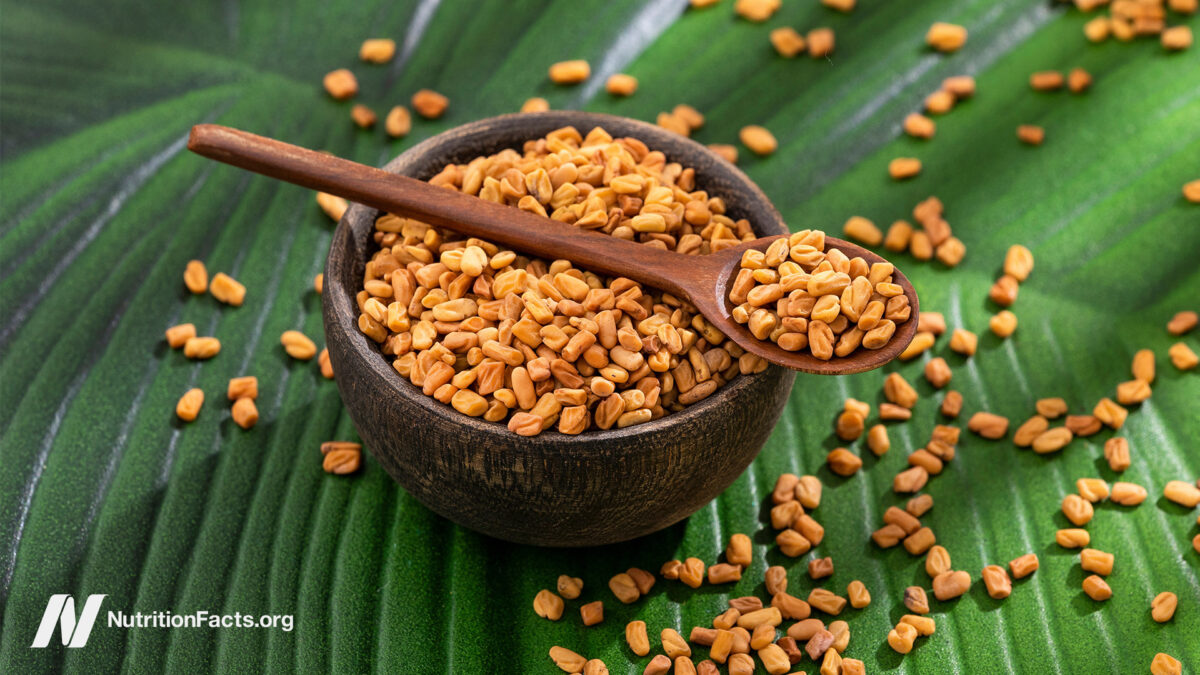
For years, the humble fenugreek seed has been whispered about in the fitness community, primarily as a natural, plant-based supplement for those looking to improve body composition and muscle strength. However, emerging research suggests that the physiological impact of this aromatic legume reaches far beyond the gym. New clinical data indicates that fenugreek’s influence on the endocrine system—specifically its interaction with hormones like testosterone and estradiol—may provide significant benefits for sexual function, the management of menopausal symptoms, the relief of menstrual discomfort, and even the support of lactation.
Unpacking the Testosterone Connection
The reputation of fenugreek as a muscle-building aid is not merely anecdotal. In previous investigations into the supplement’s efficacy, researchers conducted randomized trials involving young men who were administered either a placebo or fenugreek capsules over an eight-week period. The results were notable: those in the treatment group experienced statistically significant improvements in both upper and lower body strength, alongside favorable changes in body composition and a reduction in body fat percentage.
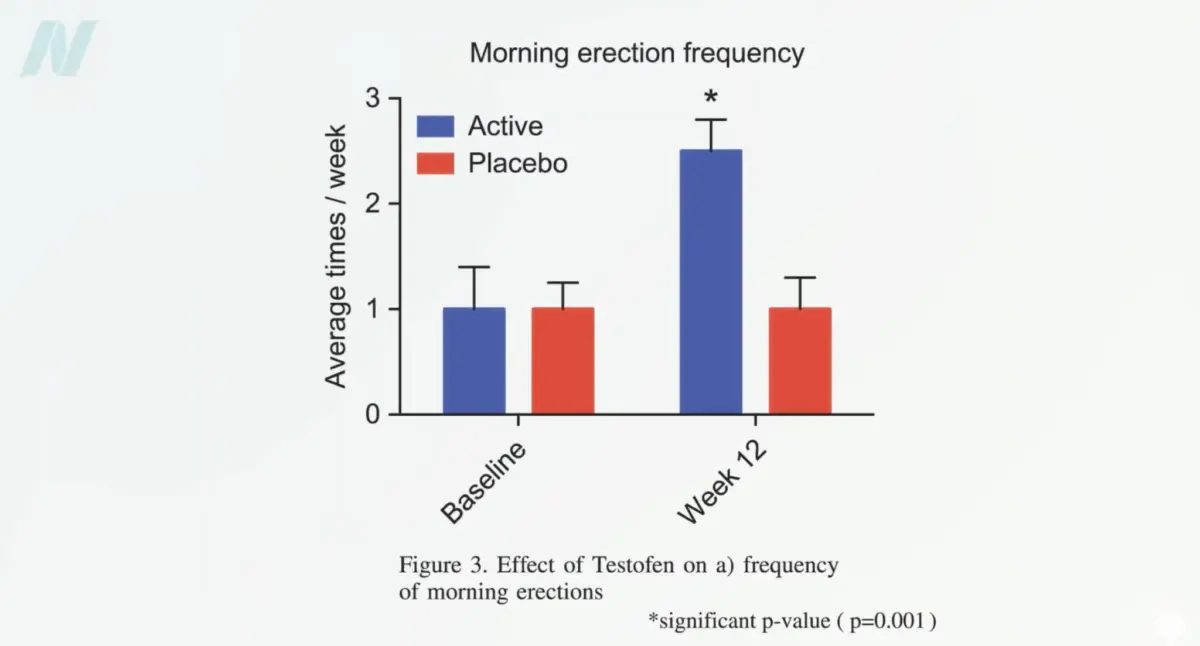
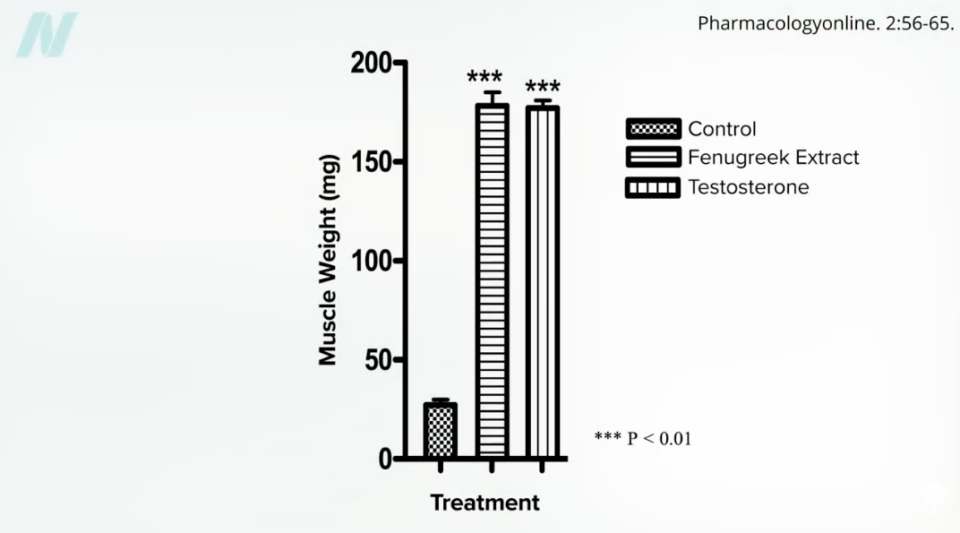
While the exact mechanism of action in humans was initially inferred from studies on immature, castrated rats—which showed clear signs that the seed’s anabolic activity was mediated through androgenic pathways—subsequent randomized controlled trials in humans have confirmed these findings. These studies have consistently demonstrated a significant boost in total blood testosterone levels among participants. Beyond muscle mass, this hormonal modulation appears to translate into tangible improvements in male sexual health. For instance, data indicates that regular consumption of specialized fenugreek extracts can lead to a doubling in the frequency of morning erections, providing a potential natural avenue for addressing age-related androgen decline.
Hormonal Balance and Female Sexual Health
The conversation surrounding hormonal health often leans heavily toward male-focused metrics, yet the benefits of fenugreek extend to women as well. Understanding the role of hormones in female sexual health requires looking at the balance between estradiol and testosterone. While estradiol is crucial for maintaining vaginal lubrication and healthy blood flow—factors that directly facilitate arousal and the capacity for orgasm—testosterone is the primary driver of sexual desire in both men and women.
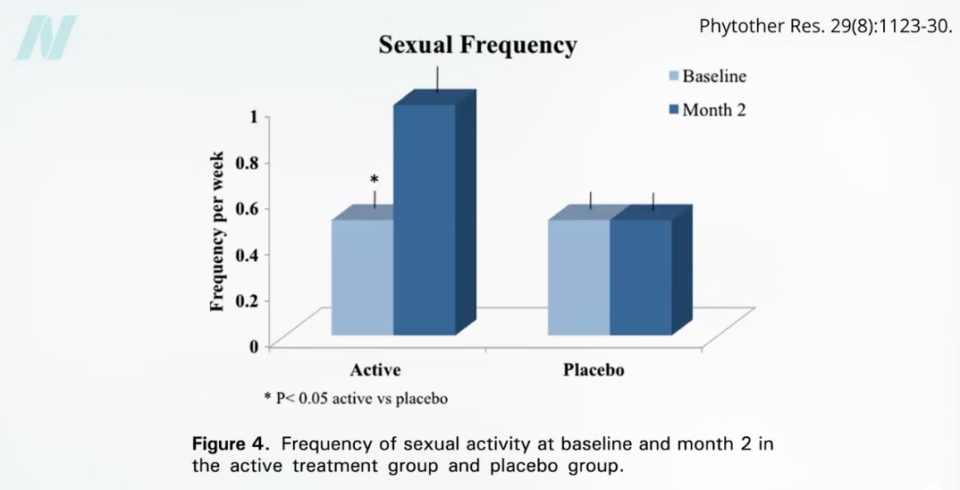
For years, pharmaceutical companies have experimented with testosterone patches as a means to treat low libido in women. However, these interventions have been met with caution due to persistent concerns regarding the potential for blood clots and the unknown long-term safety profile of synthetic hormone therapy. In this context, the study of botanical alternatives has become increasingly relevant. Clinical research has observed that when women are given a standardized fenugreek seed extract, there is a significant increase in circulating testosterone levels compared to those taking a placebo. Perhaps more importantly, the extract also appears to boost estradiol levels. The cumulative result of this shift is a reported increase in both sexual desire and sexual function, with some trials suggesting a doubling of sexual activity among participants compared to the control group.
Managing Menopausal Symptoms
The potential for fenugreek to modulate estrogenic pathways leads to the question of its effectiveness in addressing the symptoms associated with menopause. As natural hormone production wanes during this transitional period, many women experience disruptive symptoms, including hot flashes and night sweats. In a double-blind, randomized, placebo-controlled study, researchers evaluated the efficacy of a de-husked fenugreek seed extract in alleviating these concerns.
The findings were compelling: participants reported a significant reduction in menopausal symptoms across every domain measured. Over the course of the three-month trial, the frequency of both hot flashes and night sweats was cut in half. These results offer a promising, non-pharmacological approach for women seeking to manage the quality-of-life challenges often associated with menopause, particularly for those looking for options that avoid traditional hormone replacement therapies.
Relief from Period Pain and Support for Lactation
Beyond its role in modulating long-term hormonal shifts, fenugreek has also shown efficacy as a short-term intervention for dysmenorrhea, or painful menstruation. Unlike many clinical trials that rely on highly processed, proprietary compounds, the research on fenugreek for menstrual pain utilized plain, commercially available fenugreek powder.
In these studies, participants were instructed to take approximately one-third of a teaspoon of the powder, three times a day, specifically during the first three days of their menstrual cycle. The intervention was remarkably simple and cost-effective—with the required daily dose costing roughly five cents. Participants reported a significant decrease in pain intensity, as well as a noticeable reduction in associated symptoms such as headaches, fatigue, and nausea.
Furthermore, the versatility of the seed extends to the postpartum period. Fenugreek is recognized as a potent galactagogue—a substance known to increase breast milk production in lactating mothers. While the term may sound clinical, its application is straightforward. In a randomized, double-blind, placebo-controlled trial, researchers combined a small amount of fenugreek with ginger and turmeric. Breastfeeding mothers who followed this protocol saw a dramatic increase in milk production within just one month. By the second week, there was a 50 percent increase in volume, which grew to a 100 percent increase by the end of the four-week period.
Safety Considerations
While the evidence for fenugreek’s therapeutic potential is growing, it is essential to approach its use with a standard of clinical caution. One minor, though frequently noted, side effect is that the seed contains compounds that can alter the scent of a person’s sweat and urine, often giving them a distinct maple syrup-like odor—a side effect that many users consider harmless, if somewhat surprising.
More importantly, there is a specific safety warning regarding pregnancy. Because of its potential to stimulate uterine contractions, fenugreek seeds should be avoided during pregnancy. While this concern is primarily supported by laboratory animal data rather than human clinical trials, the consensus among medical professionals is to err on the side of caution.
As with any supplement, the integration of fenugreek into a health regimen should be handled with awareness of the dosage and the individual’s medical history. The research published to date, however, underscores that this common kitchen spice is a powerful tool for hormonal regulation, offering a range of benefits that traditional, high-cost therapies have long struggled to provide without the associated risk of side effects. For those looking to support their hormonal health naturally, fenugreek represents a well-researched, accessible, and effective option.