
In a significant move toward transparency and historical accountability, the Swiss government has announced a major financial commitment to the rigorous investigation of museum provenance. The Swiss Federal Office of Culture (FOC) confirmed earlier this week that it will provide $2.4 million in funding to support 26 distinct research projects scheduled to take place between 2027 and 2028. This initiative, born from a competitive public call for proposals, marks a concerted effort to address the often-clouded origins of objects held within the nation’s diverse array of cultural and scientific institutions.
The scope of this funding is both ambitious and necessary. As museums worldwide grapple with the ethics of their holdings, the Swiss government is positioning itself at the forefront of this global movement. The core focus of these 26 projects will be to shed light on items acquired under ethically fraught circumstances, specifically those obtained during colonial-era expansion, archaeological excavations, and the systematic looting and forced sales that occurred throughout the Nazi era.
A New Era of Institutional Accountability
The projects selected for this funding cycle vary significantly in their approach and scale. Some involve deep, collaborative efforts between major national museums, while others are localized initiatives designed to help smaller, regional collections catalog their archives and databases for the first time. The FOC noted that the intent behind this diversity is to bridge the gap between large institutions with robust research departments and smaller collections that may have previously lacked the resources or specialized staff to investigate the histories of their holdings. By democratizing access to this type of research, the government hopes to provide a foundational knowledge base that will enable institutions to move beyond simple cataloging and into active, informed decision-making regarding their collections.
For many of these institutions, the research process is not merely an academic exercise; it is an essential step toward potential restitution or repatriation. The funding ensures that these museums can move from suspicion to certainty, providing the evidence needed to conduct ethical dialogues with communities of origin and the heirs of those who were dispossessed of their property during the mid-20th century.
Addressing the Colonial Legacy
One of the most prominent initiatives receiving support is a collaboration between the Natural History Museum in Basel and Gadjah Mada University in Indonesia. With a grant of $120,000, this partnership aims to investigate the history of 189 Indonesian human remains currently held within the museum’s collection. This project is emblematic of a shift in how museums view their responsibilities toward ancestral remains. The researchers will focus on tracing the specific circumstances of the acquisition of these remains, identifying the geographic and cultural contexts from which they were taken, and mapping potential descendant communities. The ultimate goal of this collaboration is to establish a verified and respectful basis for future restitution dialogues, acknowledging the dignity of the individuals whose remains are held in the collection.
Similarly, a significant joint effort involving nine Swiss museums—including the Museum of Cultures Basel and the Bern Historical Museum—has been awarded $120,000 to conduct a comprehensive study of over 6,300 artifacts from Cameroon. This project underscores the complexity of colonial-era collecting, where the sheer volume of material can make individual provenance research an overwhelming task. By pooling their resources and expertise, these nine institutions hope to untangle the complex chains of ownership that brought these objects to Switzerland. Their research will delve into the specific contexts of appropriation, examining not only how the items were acquired but also their original cultural significance and their ongoing importance to contemporary Cameroonian society.
These projects reflect a broader recognition that museums are not merely repositories of objects, but stewards of living histories. By involving international partners, these institutions are moving away from a unilateral, Eurocentric approach to collection management and toward a collaborative model that values the perspectives of the cultures from which these artifacts originated.
Confronting Nazi-Era Dispossession
While colonial-era provenance is a major pillar of this funding, the Swiss government remains equally committed to resolving the ongoing questions surrounding art looted by the Nazi regime. The theft and forced sale of art between 1933 and 1945 represent a dark chapter in global art history, one that continues to leave ripples in the present day as heirs of victims seek to reclaim their family legacies.
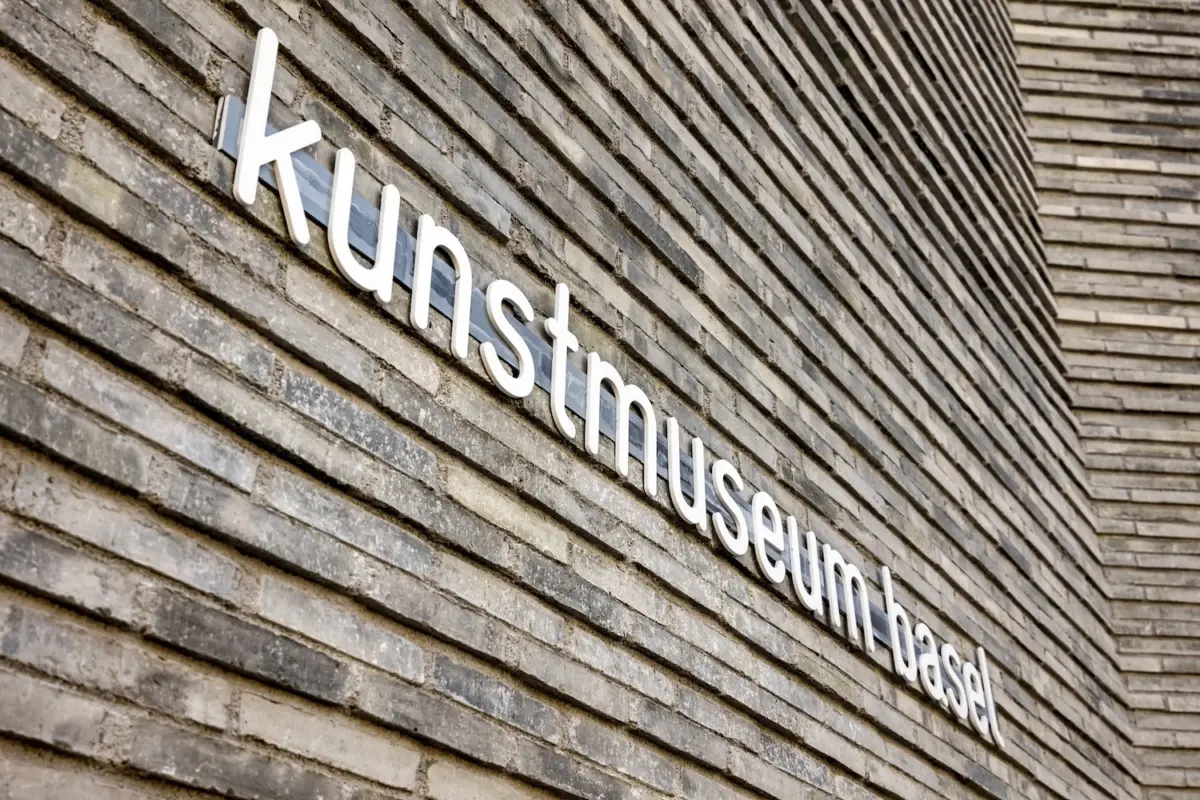
The Kunstmuseum Basel, one of the most prestigious institutions in the country, will receive $120,000 to investigate 336 drawings in its collection that have been flagged as having potentially problematic provenance. This project is particularly focused on understanding the mechanisms of the art market during the Nazi era. Researchers will not only examine the history of the objects themselves but will also conduct a deep dive into the lives and fates of the individuals who were forced to sell these works. Furthermore, the project aims to scrutinize the museum’s own acquisition strategies during that period, assessing how the institution operated within the constraints and pressures of the era.
By confronting these histories head-on, the Kunstmuseum Basel and other participating institutions are demonstrating a willingness to engage in a transparent, critical analysis of their institutional past. This process of self-reflection is increasingly viewed as an essential component of modern museum practice. It requires a commitment to archival research that can be both time-consuming and emotionally taxing, but it is the only way to ensure that museums fulfill their ethical mandate to be honest about the provenance of the works they display.
The Path Toward Future Restitution
The $2.4 million in funding is structured to provide a catalyst for these institutions. For many of the museums involved, the research process will likely lead to difficult conversations. Provenance research often uncovers uncomfortable truths about how collections were built, challenging the narrative of institutional legitimacy that has been maintained for decades.
However, the Swiss Federal Office of Culture emphasizes that the primary goal is the creation of a "basis for further actions." This phrasing is deliberate. The government is not dictating the outcome of each project; rather, it is providing the resources to uncover the facts so that the institutions—in consultation with international experts, descendants, and cultural groups—can decide on the most appropriate path forward. For some, this may result in new documentation and updated public records that contextualize the objects in their galleries. For others, it may lead to formal restitution claims, the return of human remains, or the establishment of new, long-term cultural partnerships.
The breadth of the 26 projects—ranging from human remains in Indonesia to drawings in Basel and ethnographic collections from Cameroon—illustrates the multifaceted nature of the challenge. There is no "one-size-fits-all" solution to provenance research. Each object carries its own unique history, shaped by the geopolitical, social, and economic currents of its time.
As these projects get underway in 2027, the international community will be watching closely. Switzerland’s investment represents a significant vote of confidence in the idea that historical accuracy is paramount to the credibility of cultural institutions. By prioritizing funding for these investigations, the Swiss government is signaling that the future of its museums depends on their ability to reconcile with the past. As these institutions begin to peel back the layers of history surrounding their collections, they are embarking on a process of healing and clarification that will define their role in the cultural landscape for years to come. The effort is not just about the objects themselves, but about the integrity of the institutions that hold them and their commitment to a global standard of historical truth.