
By Michael Greger, M.D., FACLM
August 6, 2026
For millions of people grappling with the psychological impact of pattern baldness, the digital marketplace offers a bewildering array of potential remedies. A quick search reveals a landscape saturated with promises of restored hairlines and thickened manes. However, as consumers navigate this crowded field, it is essential to distinguish between anecdotal claims and rigorous scientific evidence. Currently, only two pharmaceutical interventions have earned the approval of the U.S. Food and Drug Administration (FDA) for the treatment of hair loss: finasteride, widely marketed as Propecia, and minoxidil, commonly known as Rogaine.
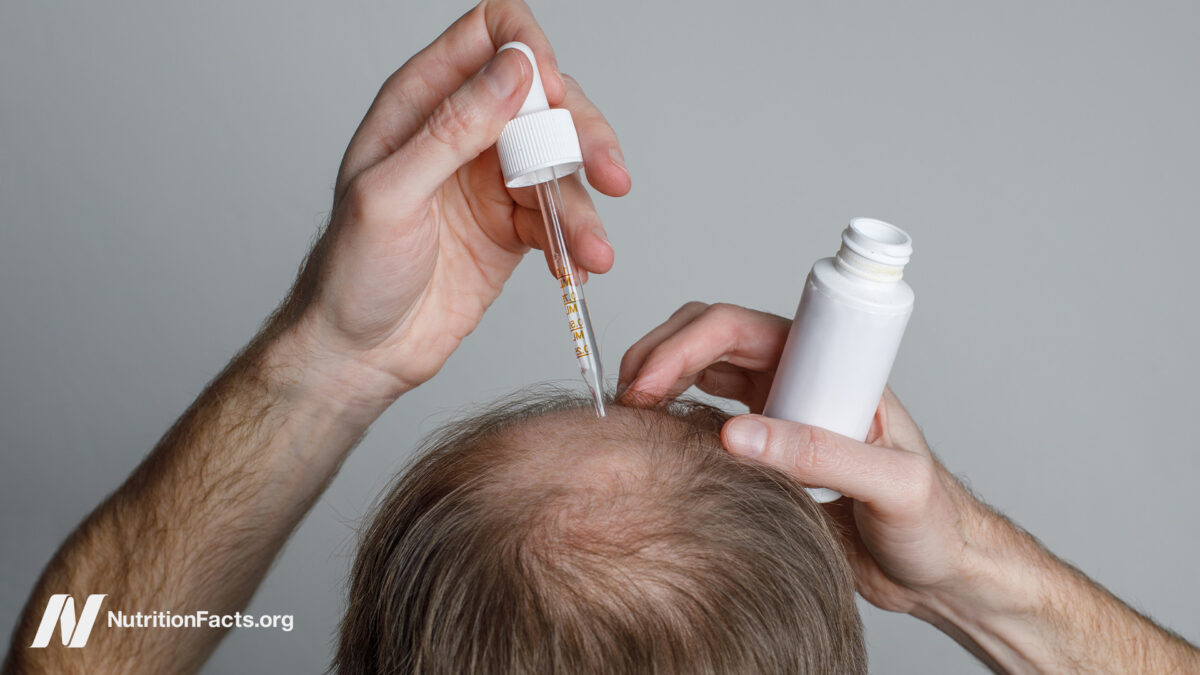
Despite the proliferation of patented hair-loss supplements that promise miraculous results, scientific consensus remains skeptical. Many of these over-the-counter regimens are not only ineffective but also significantly more expensive than their FDA-approved counterparts. While a year’s supply of medically recognized drugs might range between $100 and $300, consumers can find themselves spending upwards of $1,000 annually on supplement stacks that lack robust clinical backing. However, the decision to opt for FDA-approved medication is not without its own complexities, as these drugs carry documented risks of side effects. While topical minoxidil is primarily associated with localized reactions such as scalp itching, the systemic effects of oral finasteride are far more profound and, for some, potentially permanent.
To understand why a medication used for a cosmetic purpose can trigger such significant systemic reactions, one must look at the biological mechanisms of hair growth. The process is primarily driven by androgens—male hormones such as testosterone. The link between these hormones and hair loss has been established for over half a century, with early research identifying that the surgical removal of testes in men effectively halted the progression of male pattern baldness.
The historical context of these findings is, unfortunately, inextricably linked to a dark chapter in American history. Research into the hormonal drivers of hair loss in the early 20th century often intersected with the rise of eugenics laws in the United States. During this era, individuals labeled as "mentally handicapped" were frequently subjected to forced sterilizations, including castrations and tubal ligations, without consent or knowledge. These actions were intended to restrict their contribution to the gene pool and were notably upheld by the U.S. Supreme Court. In the 1930s, the enthusiasm for these policies was so intense that some proponents openly expressed admiration for the progress of similar programs in Germany, lamenting that they were being "beaten at their own game."
In the modern clinical context, the focus has shifted from these abhorrent social practices to the underlying biochemistry of hair follicles. Testosterone, the primary androgen circulating in the bloodstream, serves as the precursor to a more potent hormone known as dihydrotestosterone (DHT). This conversion is facilitated by an enzyme called 5-alpha reductase.
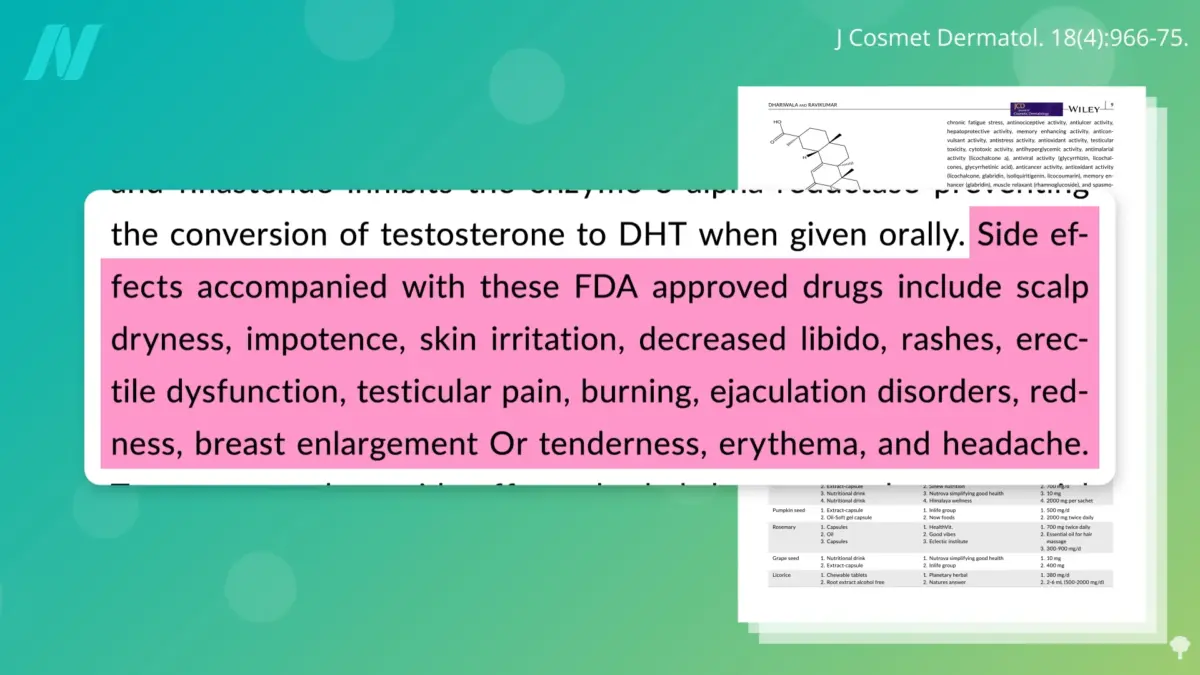
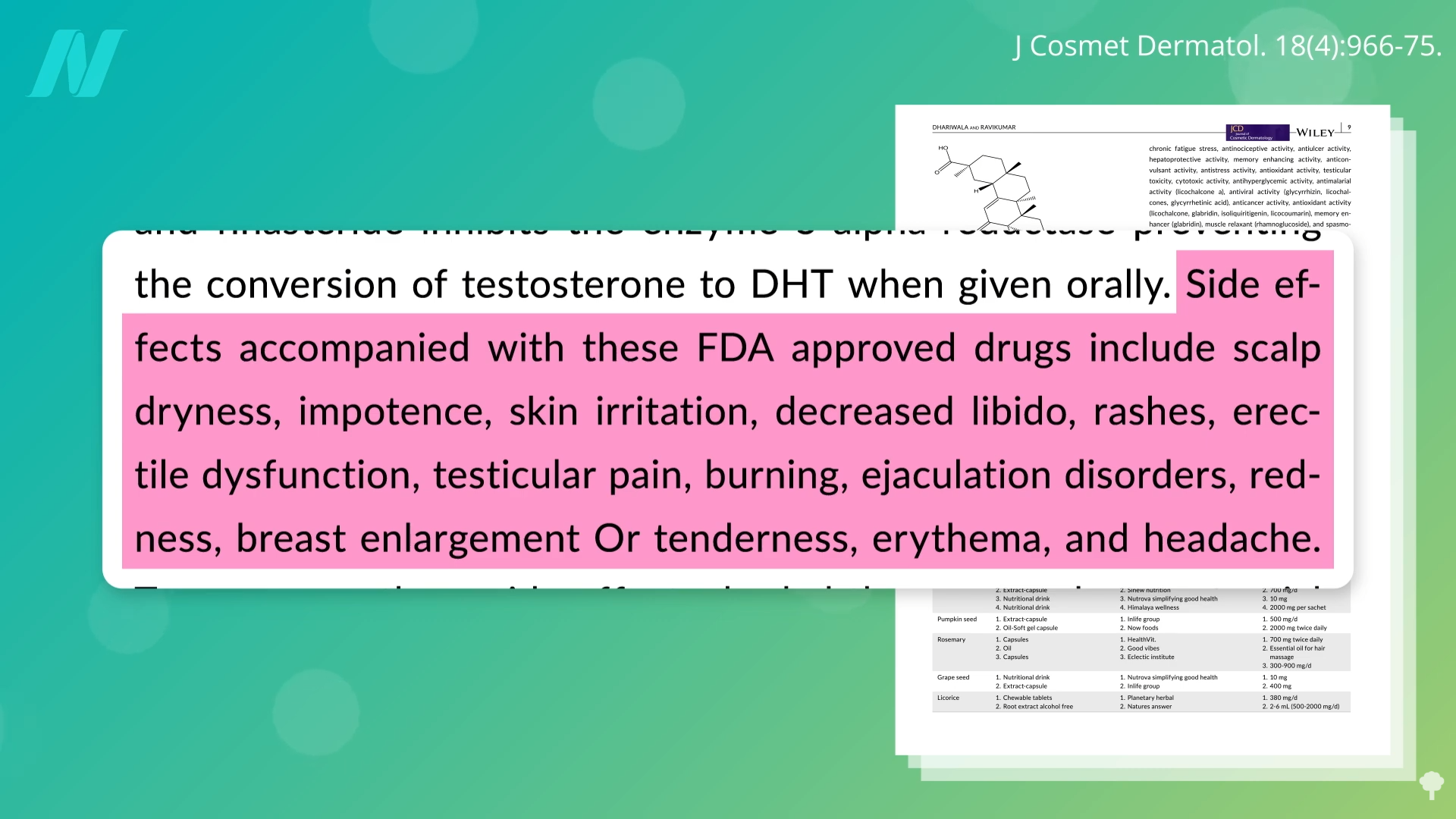
This specific enzyme is the target of Propecia. By inhibiting 5-alpha reductase, the drug effectively blocks the "souping up" of testosterone into its more potent form, thereby slowing the process of follicle miniaturization that leads to baldness. While this mechanism is effective for hair retention, it carries significant hormonal implications. Because of its potential to disrupt normal fetal development—specifically the risk of feminizing male fetuses—the drug is strictly contraindicated for women. In men, the systemic inhibition of this pathway is linked to a range of sexual side effects, including erectile dysfunction, testicular pain, and even breast enlargement.
Perhaps most concerning is the evidence that these side effects may persist long after the patient ceases usage of the medication. For the past decade, drug manufacturers have been required to disclose the possibility of "difficulty in achieving an erection that continues after stopping the medication." Some clinical data suggests that as many as 20 percent of study participants have reported persistent sexual dysfunction for six or more years after discontinuing the drug. This long-term impact has led researchers to investigate whether the medication might be inducing structural changes within the brain itself, specifically in regions responsible for sexual function.
While routine blood tests for hormone levels in these patients often return within normal ranges, more nuanced investigations tell a different story. Analysis of cerebrospinal fluid, obtained via spinal tap, has revealed that levels of neurosteroids—molecules that play a crucial role in brain function—appear to be altered in users experiencing these persistent effects. Given these findings, the medical community has increasingly emphasized that both prescribers and patients must be fully aware of the potential for serious, long-term risks associated with a medication utilized primarily for aesthetic concerns.
Despite the longevity of these treatments on the market, the search for safer alternatives remains a high priority. To date, no new, widely accepted interventions have replaced the traditional drug-based approach for treating male or female pattern baldness. With the current reliance on medications that carry the potential for permanent sexual side effects, there is a clear and pressing need for the development of alternative, safer treatments.
As we look toward the future of dermatology and hair loss research, the question arises: could our dietary choices provide a pathway to mitigating hair loss? Exploring the intersection of nutrition and follicular health represents the next frontier in this field. While the current pharmacological options provide a glimpse into the mechanics of hair growth, they also highlight the trade-offs that come with interfering with fundamental human hormones.
The current landscape of hair loss treatment serves as a reminder of the importance of informed consent and the necessity of evaluating the true cost—both financial and biological—of our pursuit of cosmetic goals. As researchers continue to probe the potential of dietary interventions, those seeking treatment should remain cautious, well-informed, and wary of the "multitude of remedies" that flood the internet. The path forward lies in finding a balance between addressing aesthetic concerns and preserving long-term systemic health.