
A series of highly controversial papers published in the Annals of Internal Medicine has ignited a firestorm within the scientific and medical communities. The research, which sought to re-evaluate the health risks associated with red and processed meat consumption, arrived at conclusions that directly contradict decades of established public health consensus. Despite acknowledging that their own data confirmed links between meat consumption and an increased risk of cancer, heart disease, diabetes, and premature death, the authors behind the studies issued recommendations that advised the public to continue their current habits of eating red and processed meats.
The core of this scientific dispute lies in the methodology employed by the researchers. The study authors utilized the GRADE (Grading of Recommendations Assessment, Development, and Evaluation) criteria to filter the available evidence. While GRADE is a standard tool, it was primarily designed for the rigorous, controlled environment of clinical drug trials. Critics, including prominent nutrition experts, argue that applying these strict criteria to dietary and lifestyle research is inherently flawed. Because randomized, double-blind, placebo-controlled trials are often impossible or unethical in the context of long-term nutrition and environmental exposures, the GRADE criteria frequently downgrade the quality of evidence for almost every factor related to chronic disease—including the benefits of eating fruits and vegetables, the risks of sugary beverages, and the dangers of sedentary behavior or air pollution.
By applying this restrictive lens, the panel discounted a vast body of observational evidence that has historically informed global health guidelines. Yet, even after ignoring significant portions of the available research, the meta-analyses conducted by the panel still identified an association between meat intake and negative health outcomes. The researchers found that diets lower in red or processed meat were linked to a decreased risk of premature death, cardiometabolic disease, and various cancers.

Despite these findings, the authors reached the unexpected conclusion that individuals should continue their current consumption of unprocessed red meat and processed meat. In essence, the panel determined that while the data suggests meat consumption is harmful, the risks are "acceptable" for the general public. This pivot from objective data to subjective lifestyle recommendation has been widely criticized by health organizations and medical professionals, who argue that the panel’s guidelines effectively promote the consumption of products that their own research identifies as hazardous.
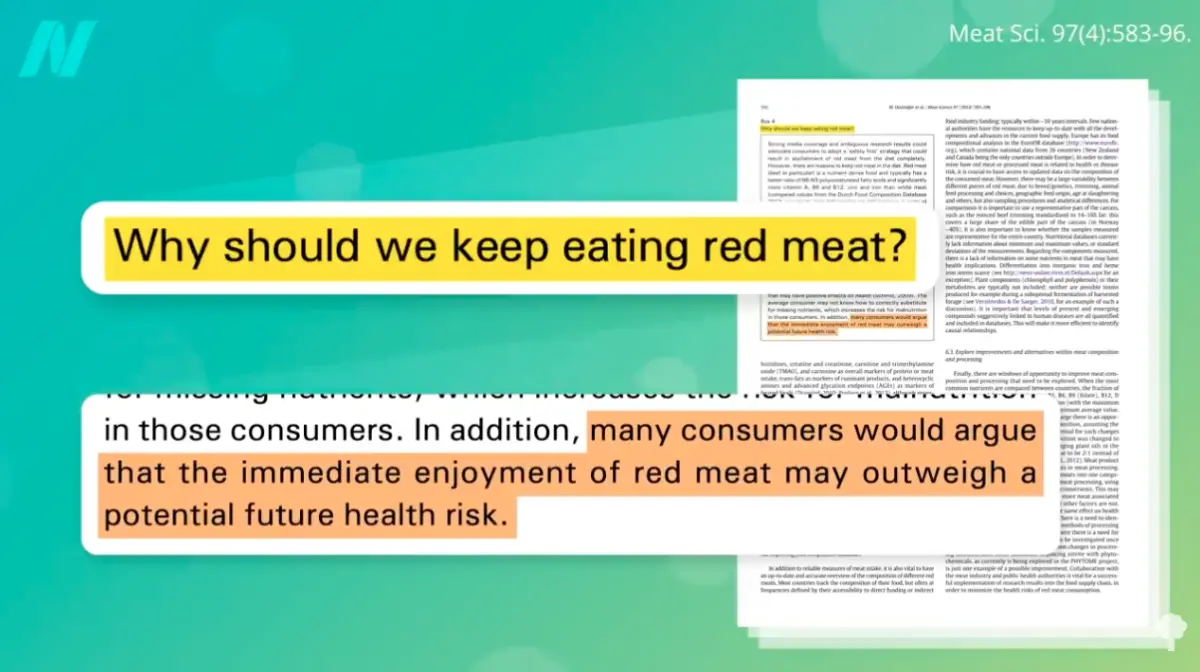
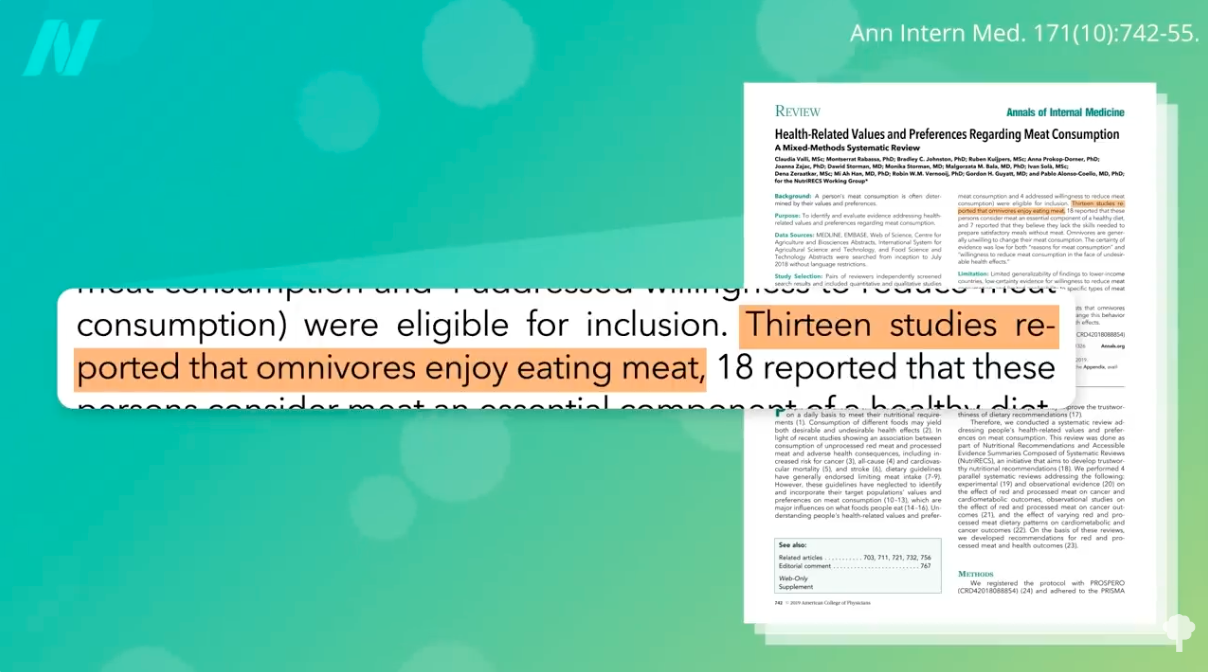
The rationale provided by the panel for this decision centers on the concept of "consumer preference." A key component of their argument was a systematic review of the values and preferences of individuals regarding meat consumption. The authors concluded that many people simply enjoy eating meat and are generally unwilling to change their diets, even when faced with evidence of health risks. They argued that the "taste cost"—the emotional and sensory dissatisfaction associated with giving up meat—outweighs the health benefits of reducing the risk of life-threatening conditions like heart disease and cancer.
This argument has drawn sharp comparisons to other public health debates. Experts have likened the panel’s logic to suggesting that because some people find motorcycle helmets uncomfortable, health officials should stop recommending them. Dr. David Katz, the former director of Yale’s Prevention Research Center, has been among the most vocal critics of the approach. He noted that by following the panel’s methodology and rationale, one could just as easily argue that there is no need for the public to quit smoking or engage in regular exercise, provided they derive enough personal enjoyment from their current habits. Dr. Katz has characterized the guidelines as "anti-science," noting that they explicitly oppose the very data they are intended to interpret.
Furthermore, the integrity of the panel, known as NutriRECS, has come under scrutiny due to its funding and structural ties. Reports have surfaced indicating that the panel received "generous support" from organizations with deep financial connections to the meat industry. This is not the first time such concerns have been raised regarding NutriRECS; the group has previously published papers criticizing guidelines on sugar intake while receiving funding from the candy and soda industries.
Critics argue that by framing their recommendations around "patient preference," the researchers have shifted the purpose of nutritional guidelines from disease prevention to the validation of existing consumption patterns. The decision by the Annals of Internal Medicine to publish these findings alongside a press release stating that there is "no need to reduce red or processed meat consumption for good health" has only exacerbated the professional backlash. Nutritionists and public health advocates warn that this undermines decades of work aimed at educating the public about the links between diet and chronic disease.
The broader implications of this study are significant. If dietary guidelines are allowed to be determined by what is "acceptable" to the average consumer rather than what is optimal for human health, the foundation of preventative medicine is weakened. The panel’s assertion that omnivores are "unwilling" to change their habits suggests a fatalistic approach to public health, where the goal of science is to cater to current behaviors rather than to provide the necessary information to help people lead healthier, longer lives.
This episode serves as a case study in how industry influence and the misapplication of scientific metrics can distort public understanding of nutrition. As the debate continues, the scientific community is left to grapple with the consequences of research that purports to be evidence-based while ignoring the very evidence it uncovers. For those tracking the impact of major industries on health policy, the controversy surrounding these papers highlights the persistent tension between corporate-backed research agendas and the imperative of objective, independent public health guidance.
As medical experts continue to review the data, the focus remains on the tangible benefits of dietary shifts. Data consistently shows that even a moderate reduction in red and processed meat intake can lead to a 13% reduction in total mortality, a 14% reduction in heart disease mortality, an 11% reduction in cancer mortality, and a 24% reduction in the risk of type 2 diabetes. These statistics represent lives saved and families spared from the devastation of chronic illness. Whether the public chooses to prioritize these benefits or the immediate pleasure of consumption remains a personal decision, but critics argue that health guidelines should remain clear about the trade-offs involved, rather than attempting to minimize the risks for the sake of consumer comfort.
The study has also prompted a deeper conversation about the role of academic journals in disseminating information that may be interpreted as conflicting with established health directives. The pushback from the medical establishment suggests that the consensus on the health risks of processed and red meat remains largely unchanged, despite the unconventional conclusions reached by the NutriRECS panel. As the scientific community moves forward, the demand for transparency in research funding and the rigorous application of methodologies suitable for public health study remain central to ensuring that the public receives accurate and life-saving information.