
In the landscape of global health, the dietary choices of the modern era have created a precarious imbalance. As we have shifted away from the ancestral, plant-rich diets that sustained our species for millennia, we have inadvertently traded vital nutrients for calorie-dense, processed alternatives. Among the most significant casualties of this dietary transition is potassium. While modern nutrition guidelines often focus on the dangers of excess sodium, the corresponding deficit in potassium is proving to be a critical, yet frequently overlooked, risk factor for chronic disease and premature death.
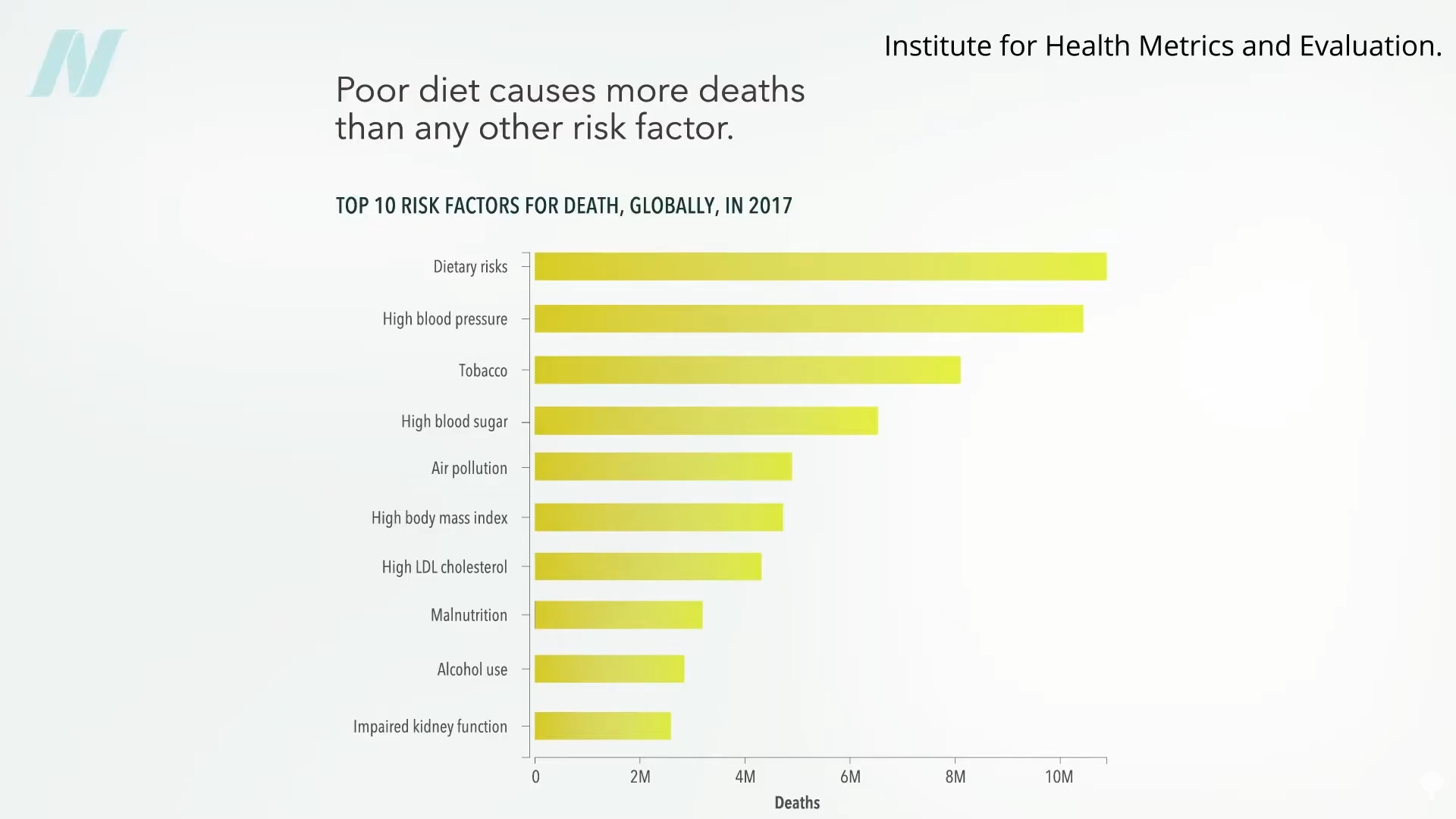
High blood pressure, or hypertension, stands as the second leading risk factor for death worldwide, claiming more than 10 million lives annually. It is eclipsed only by the broader category of unhealthy diets, of which the sodium-potassium imbalance is a primary component. The fundamental issue is one of substitution: we have largely replaced the potassium-rich plant foods that once formed the bedrock of our diet—fruits, vegetables, leafy greens, tubers, and roots—with processed items stripped of both fiber and essential minerals.
The Role of Potassium in Blood Pressure Management
The physiological case for increasing potassium intake is compelling. In traditional, largely plant-based diets, potassium intake is naturally high while sodium levels remain low. This ratio is essential for maintaining healthy blood pressure levels. When we consume more whole, healthy plant foods like beans and greens, we are not only increasing our potassium intake but also providing our bodies with the tools necessary to regulate vascular health and reduce the systemic pressure that leads to heart disease and stroke.
Because the modern food supply makes achieving optimal potassium levels through whole foods difficult for the average consumer, researchers and public health experts have turned their attention to salt substitutes. The most common of these is potassium chloride. By swapping sodium chloride—standard table salt—for potassium chloride, consumers can theoretically achieve the "best of both worlds": the flavor profile of a salty meal coupled with a reduction in sodium and an increase in potassium.
The scientific consensus on this swap is promising. A meta-analysis of more than a dozen randomized controlled trials indicates that replacing sodium chloride with potassium chloride effectively lowers blood pressure. Remarkably, many of these trials utilized substitutes containing less than 30% potassium chloride, yet they still observed significant health improvements. Furthermore, at this concentration, most individuals report no discernable difference in taste, suggesting that a simple pantry switch could serve as a powerful public health intervention without requiring significant changes in dietary habits.
Navigating the Sensory and Safety Challenges
Despite the clear cardiovascular benefits, the transition to potassium-based salt substitutes is not without its nuances. For the average healthy person, the primary hurdle is sensory. When used in high concentrations, potassium chloride can impart a metallic or bitter aftertaste. Many users find that while it integrates seamlessly into certain savory dishes—such as herb-heavy sauces like pesto—it can be profoundly unpleasant when used on other foods, particularly those with delicate or naturally sweet flavor profiles.

For those considering this change, a period of palate adjustment is common. As one moves away from the aggressive salinity of standard table salt, the taste buds often recalibrate. Over a few weeks, the necessity for added salt tends to diminish, and the natural flavors of whole foods become more prominent. However, the caveat remains that potassium chloride is not a universal substitute for every application.
From a safety perspective, healthy individuals generally need not worry about the risk of "too much" potassium. The human body is remarkably adept at maintaining homeostasis. In healthy kidneys, any excess potassium consumed is simply excreted through urine. Clinical data suggests that there are no adverse effects associated with long-term potassium supplementation at doses as high as 3,000 milligrams per day. In fact, research indicates that healthy kidneys can maintain blood potassium within a normal range even when intake reaches as high as 15,000 milligrams per day—a level that mirrors the estimated intake of our ancestors.
Understanding the Risks and the Kidney Connection
The threshold for a "normal" potassium level in the blood is generally defined as being between 3.5 and 5.0 mmol/L. Medical concern begins when these levels approach 6 mmol/L. In clinical trials where participants were provided with potassium supplements averaging 2,000 milligrams daily, blood levels typically rose by only 0.14 mmol/L, a minor shift that remains well within the safety margin.
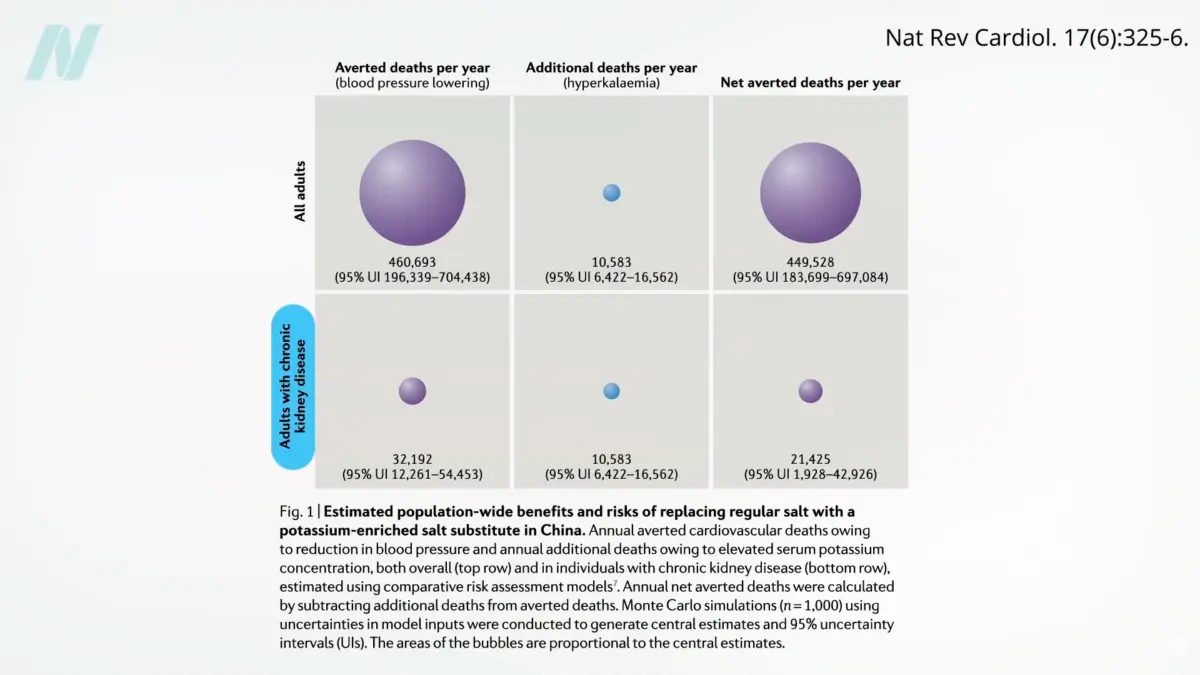
However, there are exceptions. Individuals with severely impaired kidney function, such as those with chronic kidney disease (CKD), diabetes-related renal complications, severe heart failure, or adrenal insufficiency, must exercise caution. In these populations, the kidneys lose their ability to effectively regulate potassium levels, and an excess can lead to hyperkalemia, a condition that can have serious health consequences.
For the vast majority of the population, however, the risk is minimal, and the potential for life-saving benefits is immense. Some experts argue that even among those with stable kidney function issues, the benefits of reducing blood pressure through potassium consumption may outweigh the risks. This has led to a shifting paradigm in the medical community. Where traditional advice for kidney patients once involved strictly limiting fruits and vegetables to avoid potassium, new evidence suggests that a whole-food, plant-based diet may actually help slow the progression of chronic kidney disease and delay the need for dialysis.
Consequently, the practice of restricting dietary potassium should likely be reserved only for those with documented, severe hyperkalemia. For others, the path to halting the progression of renal disease might paradoxically lie in the produce aisle, where the fiber, antioxidants, and minerals found in plant foods provide a protective effect that processed diets lack.
A Measured Approach to Dietary Change
While the fear of "too much" potassium has historically led to a cautious approach, it is worth noting that extreme cases of potassium toxicity are rare and usually involve highly unusual circumstances, such as the consumption of massive, singular-food diets—like a multi-year habit of eating 20 bananas a day—or the misuse of supplements. When handled as a dietary tool rather than an unregulated additive, potassium chloride remains a "generally recognized as safe" (GRAS) substance by the U.S. Food and Drug Administration.
As with any dietary intervention, individuals should consult with their healthcare provider to assess their kidney function before making significant changes to their mineral intake, especially if they are already managing chronic health conditions or taking medications that impact potassium excretion. For the average person, the most effective strategy remains the simplest: prioritizing whole, plant-based foods as the primary source of potassium, while reserving salt substitutes as a tactical aid to reduce sodium intake.
In the final analysis, the goal is to bridge the gap between our modern, processed environment and the nutrient-dense, high-potassium intake that our physiology evolved to require. By understanding the science of salt, the capabilities of our kidneys, and the profound impact of plant-based nutrition, we can better navigate the complexities of diet and disease prevention. This shift requires not just a change in what we put in our salt shakers, but a fundamental return to the foundational dietary habits that prioritize long-term vitality over short-term flavor enhancements.
For those who may be in a state of distress or crisis, resources are available to provide support. The National Suicide Prevention Lifeline can be reached 24 hours a day, seven days a week, at 800-273-8255. Whether through professional medical guidance or community-based mental health resources, the journey toward better health is one that should always be navigated with the support and oversight necessary to ensure safety and well-being.