
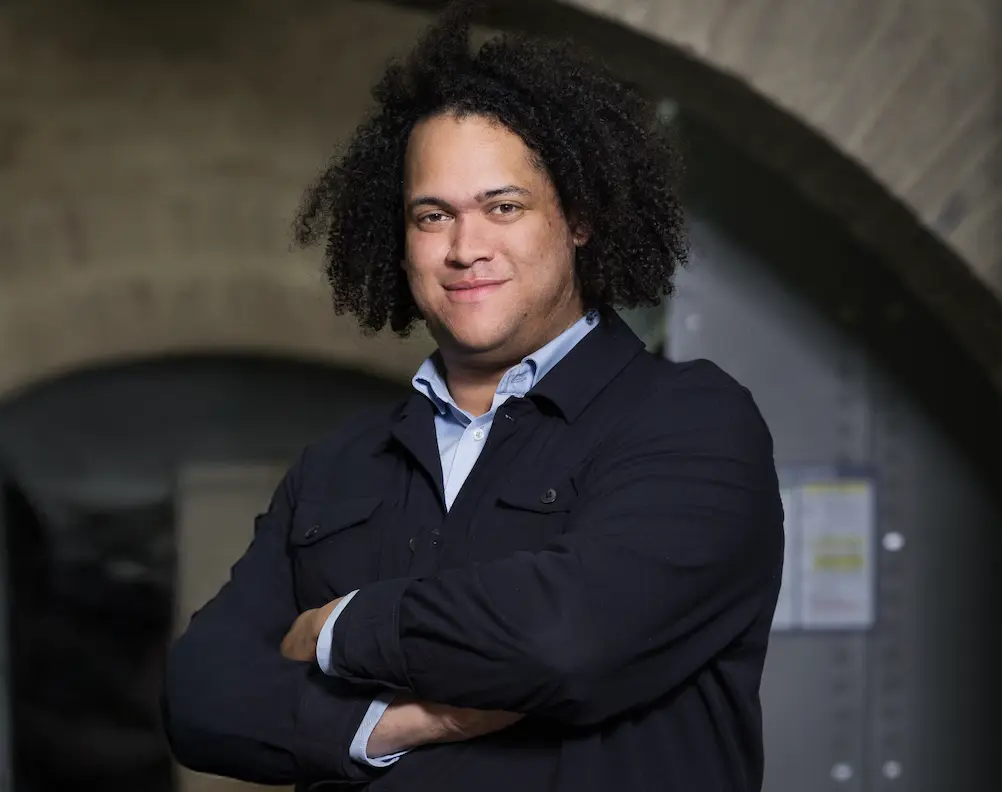
Stockholm’s Moderna Museet, one of the world’s most prominent institutions for modern and contemporary art, has announced a significant shift in its curatorial leadership. Cédric Fauq, a highly regarded figure in the international art world, has been appointed as the museum’s next curator of contemporary international art. His tenure is scheduled to commence on December 1, marking a new chapter for the Swedish institution as it navigates a period of ambitious institutional reorganization and strategic evolution.
Fauq brings a wealth of experience to Stockholm, transitioning from his current role as the chief curator and head of programs and collections at the Capc Musée d’art contemporain de Bordeaux in France. His appointment is viewed by many in the industry as a clear signal of the Moderna Museet’s intent to deepen its engagement with the pressing aesthetic, social, and political questions defining the contemporary landscape.
A Proven Track Record in Contemporary Curation
The arrival of Cédric Fauq in Stockholm follows a distinguished career marked by innovative, thought-provoking programming at some of Europe’s most dynamic art spaces. Before his tenure in Bordeaux, Fauq served as a curator at the Palais de Tokyo in Paris—an institution known for its experimental and challenging approach to contemporary exhibitions—and at Nottingham Contemporary in England, where he gained recognition for his ability to weave complex thematic narratives into cohesive exhibition experiences.
His time at the Capc Musée d’art contemporain de Bordeaux has been particularly noted for its intellectual rigor and focus on diverse, global voices. Among his notable projects at the museum were "Blackground: murmures des mornes," which interrogated historical and cultural landscapes, and "Rammellzee Alphabeta Sigma (Side B)," a deep dive into the complex visual language of the influential American artist. Additionally, his curation of Trevor Yeung’s "Garden of the Nine Suns" showcased his ability to facilitate immersive, site-specific installations that resonate deeply with audiences.
Beyond his institutional work, Fauq has maintained a significant presence in the academic and critical sphere. He served as a member of the prestigious Turner Prize jury in 2023, a role that placed him at the center of critical discourse regarding contemporary British art. Furthermore, his commitment to the next generation of artists and theorists is evidenced by his teaching positions at HEAD in Geneva and the Université Paris 1 Panthéon-Sorbonne. These dual roles as a practitioner and an educator provide Fauq with a unique vantage point, one that balances the demands of large-scale museum management with the critical inquiry required to shape a museum’s long-term artistic vision.
A Pivotal Moment for the Moderna Museet
Fauq joins the Moderna Museet at a time of profound transformation. The appointment follows the recent arrival of Tone Hansen, who took the helm as director of the museum earlier this year. Hansen, who previously led the Munch Museum and the Henie Onstad Kunstsenter in Oslo, has been tasked with steering the institution through a period of structural consolidation.
Earlier this year, the Moderna Museet underwent a major institutional shift, merging with ArkDes (The Swedish Centre for Art and Design) and the Public Art Agency Sweden to form a new, expansive collective institution. This merger represents an ambitious effort to break down the traditional silos between fine art, architecture, design, and public space. By integrating these disciplines, the institution aims to foster a more holistic approach to cultural production, moving away from specialized exhibition formats toward a more interdisciplinary model.
In a statement regarding the new appointment, Tone Hansen emphasized that Fauq’s arrival is perfectly timed to meet these structural goals. "Cédric joins us at a pivotal moment as the museum prepares for its next chapter, where art, public art, architecture, and design come together," Hansen said. "His experience, curiosity, and engagement with key artistic questions of our time will be a true asset as we build a new vision for the museum."
For Hansen, who has long been an advocate for knowledge-driven organizations that prioritize the audience’s relationship with art, Fauq represents the ideal collaborator. When she was named director over the summer, Hansen outlined a clear mission: "My ambition is to shape a new direction for Moderna Museet and to build a stronger, more innovative and knowledge-driven organization within one of the world’s most influential museums, with art, architecture, design and audiences at its heart."
Integrating Art, Architecture, and Public Life
The challenge facing Fauq and the rest of the Moderna Museet leadership team is to balance the museum’s storied history—as a repository for some of the most important 20th-century movements—with the need to remain a relevant and forward-looking hub for 21st-century discourse. The integration of ArkDes and the Public Art Agency Sweden adds a layer of complexity to this task, as the museum must now harmonize its collection-based exhibitions with the ongoing research and public-facing projects of these partner organizations.
Fauq’s background, which includes working within the multifaceted environment of the Palais de Tokyo and the program-heavy structure of the Capc, suggests he is well-equipped to handle the interdisciplinary nature of this new role. His experience suggests he is comfortable working at the intersection of various mediums, a skill that will be essential as the Moderna Museet seeks to activate its new, combined identity.
As the museum prepares for December 1, the international art community is watching with interest. The Moderna Museet has historically been a trendsetter in European modern art, and its current restructuring reflects a broader global shift among museums to prove their relevance in an era of rapid technological and social change. By prioritizing a curator known for his engagement with "key artistic questions," the museum is signaling that it intends to remain a site of intellectual inquiry rather than simply a gallery space.
For Fauq, the move to Stockholm is a significant step in his professional journey, placing him at the head of one of the most prestigious exhibition programs in Scandinavia. He will be expected to curate exhibitions that not only highlight the existing strengths of the Moderna Museet’s collection but also introduce new, international perspectives that challenge the current canon.
As the institution moves forward under Hansen’s leadership and prepares to integrate its new departments, the appointment of Cédric Fauq serves as a cornerstone of its future strategy. The focus will likely remain on creating a space that is not only "knowledge-driven" but also accessible and impactful, ensuring that the union of art, architecture, and design serves to enrich the public’s experience of contemporary culture. With his start date just on the horizon, the museum is poised to begin a period of intensive programming and re-evaluation that will undoubtedly shape the cultural landscape of Stockholm and beyond for years to come.