
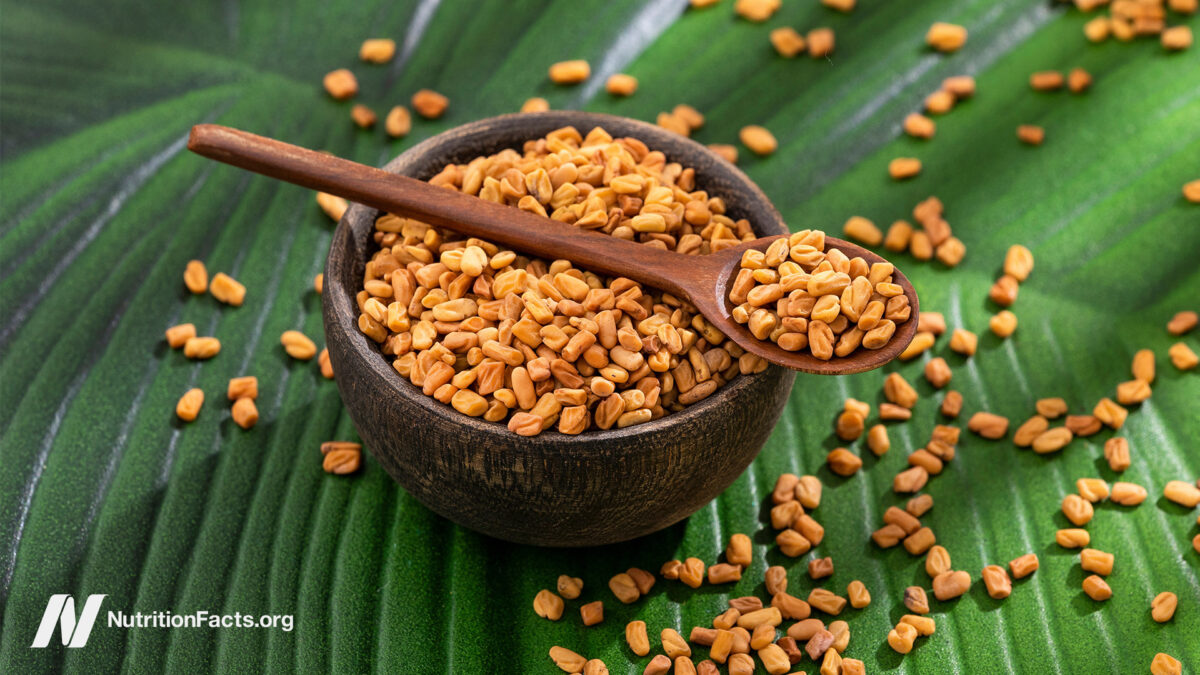
For years, the humble fenugreek seed has been whispered about in athletic circles as a potential natural aid for those looking to build muscle and enhance physical performance. However, recent clinical research suggests that the benefits of this ancient herb extend far beyond the gym. From supporting sexual health in both men and women to providing relief from the discomforts of menopause and aiding in lactation, fenugreek is emerging as a versatile, evidence-backed tool in the realm of natural health.
In previous assessments of fenugreek’s potential, clinical trials have highlighted its efficacy in improving body composition. In one notable study, young men were randomized to receive either a placebo or fenugreek capsules over an eight-week period. The results were compelling: those in the treatment group experienced significant improvements in both upper and lower body strength, as well as a positive shift in overall body composition, marked by a notable reduction in body fat percentage. While some users report the rather peculiar side effect of their sweat and urine taking on a distinct maple syrup aroma, many consider this a minor, or even pleasant, trade-off for the physiological gains.
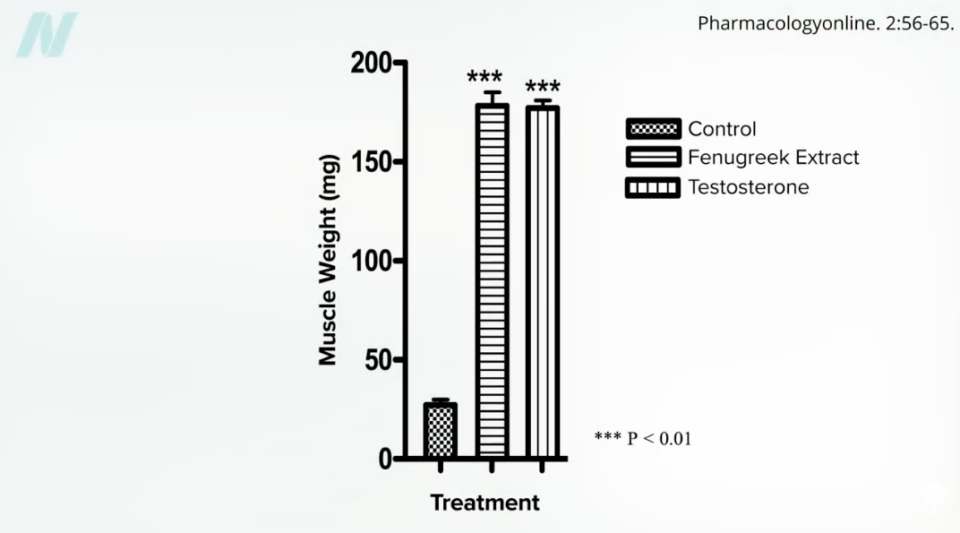
Early research conducted on animal models provided the first clues as to how this transformation occurs. Studies on immature, castrated rats suggested that the muscle-building properties of fenugreek are linked to its influence on testosterone. By modulating androgenic activity, the seeds appear to create an environment more conducive to protein synthesis and muscle retention. While animal studies are often viewed as a starting point, they paved the way for more rigorous testing in human subjects to determine if these effects would translate to a clinical setting.
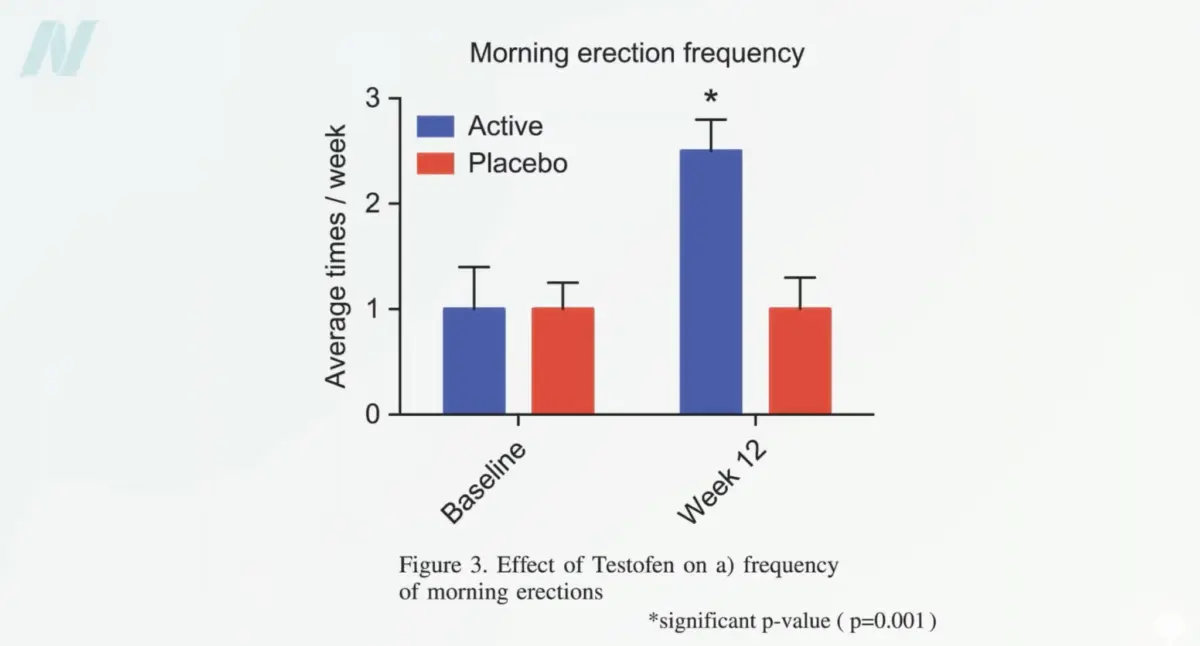
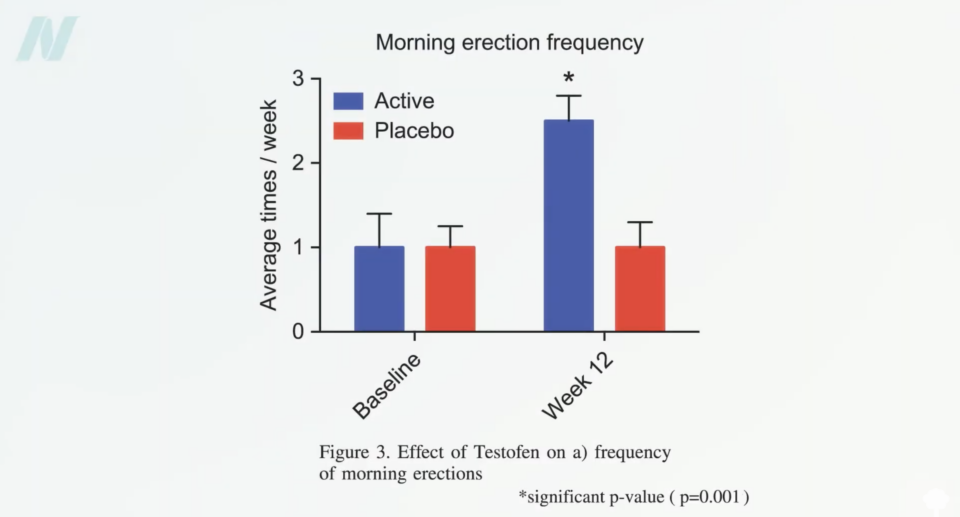
The leap from animal models to human trials has been successful. Four distinct randomized controlled trials have put the testosterone-boosting hypothesis to the test, and the results have been consistent. Researchers observed a significant, measurable increase in total blood testosterone levels among participants taking fenugreek extract. This hormonal shift appears to have direct, functional consequences for men, particularly in the domain of sexual health. Clinical data indicates that regular supplementation can lead to improvements in sexual function, with some studies showing a doubling in the frequency of morning erections, providing strong evidence that the herb’s influence on androgen levels is both systemic and practical.
The discussion surrounding sexual health is not limited to men, however. In women, the hormonal landscape is complex, involving a delicate balance of estradiol and testosterone. While estradiol is primarily responsible for maintaining vaginal lubrication and healthy blood flow—factors essential for arousal and the physical capacity for orgasm—testosterone plays a critical, often overlooked role in female sexual desire.
Pharmaceutical interventions, such as testosterone patches, have been explored as a means to address low libido in women; however, these treatments often come with significant concerns regarding long-term safety, particularly regarding the risk of blood clots. This has led researchers to investigate safer, more natural alternatives. Recent studies on fenugreek have yielded promising results in this area. Researchers observed that women taking a specialized fenugreek seed extract experienced a significant increase in testosterone compared to a placebo group. Furthermore, the study noted a concurrent boost in estradiol levels. These hormonal changes translated into tangible improvements in sexual desire and function, with participants reporting an approximate doubling of sexual activity compared to those in the control group.
The impact of fenugreek on women’s health extends into the transition of menopause. Given the herb’s potential to modulate estrogenic pathways, researchers conducted a double-blind, randomized, placebo-controlled study to determine if it could mitigate common menopausal symptoms. The findings were encouraging, demonstrating a significant reduction in discomfort across every measured domain. Over a period of three months, women taking the extract saw their weekly number of hot flashes and night sweats reduced by half, suggesting that fenugreek could serve as a valuable, non-hormonal option for managing the challenges associated with menopause.
Beyond sexual health and menopause, fenugreek has demonstrated effectiveness in addressing the physical toll of menstruation. One study explored the use of plain, commercially available fenugreek powder rather than a specialized, expensive extract. By encapsulating the powder, researchers were able to conduct a controlled trial against a placebo. Participants were instructed to take approximately one-third of a teaspoon of the powder three times a day during the first three days of their menstrual cycle. This simple, cost-effective intervention—amounting to roughly five cents per dose—resulted in a significant decrease in pain intensity. Additionally, participants reported improvements in secondary symptoms often associated with menstruation, such as fatigue, headaches, and nausea.
The versatility of the seed continues into the postpartum period, where it has long been used as a traditional galactagogue—a substance intended to increase the production of breast milk. While the term may sound like something from a science fiction novel, the clinical evidence supporting its use is substantial. In a randomized, double-blind, placebo-controlled trial, researchers observed that breastfeeding women who consumed a combination of less than a quarter teaspoon of fenugreek, less than a quarter teaspoon of ground ginger, and about a sixteenth of a teaspoon of turmeric each day saw their milk production double within a single month. By the second week, participants were already seeing a 50% increase, which climbed to a 100% increase by the end of the four-week study.
Despite these wide-ranging benefits, caution is necessary. Clinical literature suggests that because fenugreek may possess uterine-stimulating properties, it should be avoided during pregnancy. While much of this concern is derived from laboratory animal data rather than human clinical trials, the consensus among medical researchers is that it is safer to avoid consumption during this period to prevent any potential risks to the pregnancy.
As the scientific community continues to explore the mechanisms behind these effects, fenugreek stands out as an accessible, inexpensive, and potent botanical. Whether used to assist in muscle development, support sexual function, alleviate the symptoms of menopause and painful periods, or aid in lactation, the evidence underscores the importance of looking toward plant-based interventions when seeking to optimize hormonal health. As with any supplement, individuals interested in incorporating fenugreek into their routine should consider the available data and, when necessary, consult with a healthcare professional to ensure it is appropriate for their specific health needs.