
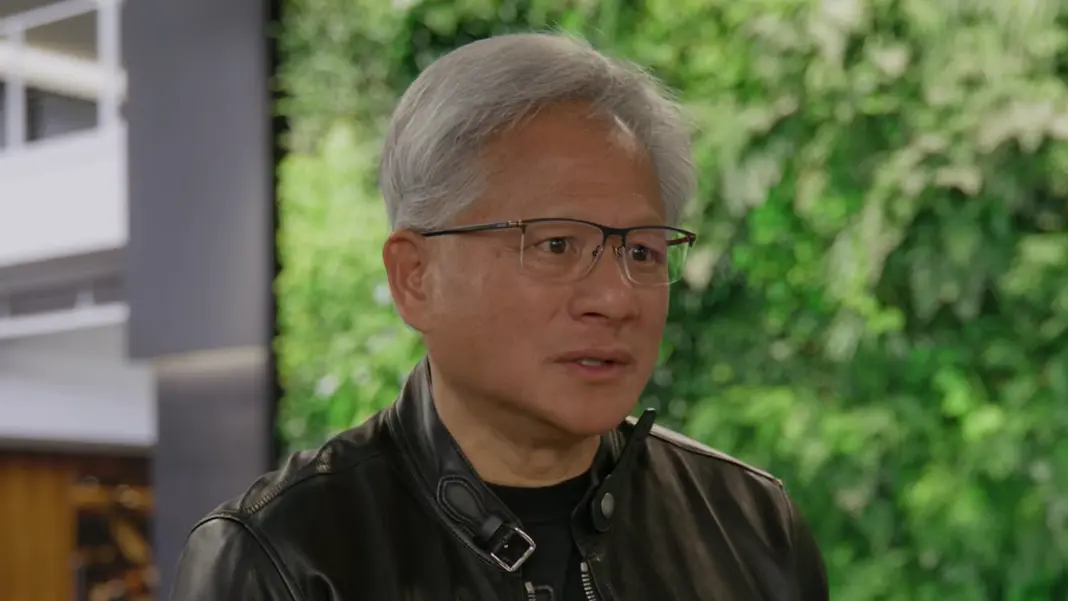
Nvidia, the titan of the global semiconductor industry and a central pillar of the modern artificial intelligence revolution, is navigating an unprecedented leadership crisis. Jensen Huang, the co-founder who has steered the company for over three decades, has officially resigned from his positions as president, chief executive officer, and member of the board of directors. The abrupt departure marks the end of an era for the Santa Clara-based chipmaker, as the firm now faces a complex intersection of corporate scandal and high-stakes national security scrutiny.
The resignation follows a series of damaging reports, most notably from The New York Times, which detailed allegations of extramarital affairs involving Huang. According to the reports, the allegations involve a woman suspected of being a Chinese intelligence operative, as well as two additional Nvidia employees. These claims have sent shockwaves through the technology sector, prompting immediate concern among investors and regulators alike regarding the potential compromise of sensitive technological intellectual property.
Congressional Oversight and Federal Investigations
The gravity of the situation has drawn immediate attention from the United States government. Huang has been formally summoned to testify before Congress to address the allegations of his relationship with the suspected foreign agent. While the Chinese government has officially denied the accusations, the geopolitical implications are significant. Given Nvidia’s status as the world’s leading supplier of high-end AI processors—hardware that is currently at the center of a global technological arms race—any suggestion of a security breach involving a foreign intelligence entity is treated with the utmost seriousness by federal authorities.
In response to the mounting pressure, Nvidia has initiated an internal review to determine whether any proprietary information or trade secrets were compromised during the period in question. In a formal statement released following the resignation, the company attempted to reassure shareholders and partners, noting that it currently has "no reason to believe that either national security or Nvidia secrets were compromised." However, the company’s internal efforts are running parallel to a much more rigorous investigation currently being conducted by the Federal Bureau of Investigation (FBI).
The involvement of the FBI underscores the potential scale of the threat. For years, Nvidia has been under intense regulatory observation due to its role in the geopolitical friction between Washington and Beijing. The company’s chips are critical to the development of advanced weaponry, autonomous systems, and large-scale AI models, making its internal security posture a matter of vital national interest.
Leadership Transition: Colette Kress Steps In
In the wake of Huang’s immediate departure, the Nvidia board has moved quickly to stabilize the company. Colette Kress, the firm’s long-serving executive vice president and chief financial officer, has been appointed as interim CEO. Kress is a veteran of the technology industry, having been a cornerstone of Nvidia’s executive leadership team since she joined the company in 2013.
Kress’s background is extensive, providing the board with a sense of continuity during a period of extreme volatility. Before her tenure at Nvidia, she spent nearly 25 years navigating high-level financial operations at industry giants such as Cisco and Microsoft. Her deep familiarity with Nvidia’s financial health, operations, and global customer base is expected to provide a steady hand as the company attempts to weather the storm of the current scandal.
Supporting Kress in this transition is the newly appointed Chair of the Board, Harvey C. Jones. A seasoned technology entrepreneur and former CEO and executive chairman of Synopsys, Jones is expected to provide the governance experience necessary to guide the board through the ongoing investigations.
"Colette has helped Nvidia through a period of extraordinary growth and has a deep understanding of our business, customers, operations, and financial position," Jones said in a statement regarding the appointment. "She is supported by an experienced leadership team that has been instrumental in executing Nvidia’s strategy and advancing its technology roadmap. The Board has full confidence in Colette and the leadership team, and we expect the company’s operations, customer commitments and product roadmap to continue without interruption."
Navigating an Uncertain Future
The sudden exit of a founder who has been the face of the company for 33 years represents a profound transition for Nvidia. Under Huang’s leadership, the company transformed from a niche graphics card manufacturer into the most valuable semiconductor company in the world. His departure leaves a significant void, not only in terms of executive management but also in the company’s public identity and long-term strategic vision.
Despite the internal turmoil, the company is attempting to project an image of business as usual. In her initial comments as interim CEO, Kress emphasized the strength of the organization’s workforce and its commitment to its existing goals. "Nvidia’s strength has always come from its people, and together with our leadership team, I am committed to building on the extraordinary foundation that Jensen created over the last 33 years," Kress stated.
She further emphasized that the company’s core objectives remain unchanged, stating, "We will continue advancing the work that has made Nvidia a leader in accelerated computing and AI, and execute on the opportunities ahead. Our focus remains on serving our customers, partners, developers, and shareholders."
Whether the company can maintain this focus remains to be seen. The coming weeks and months will likely be defined by the findings of the FBI’s investigation and the testimony that Huang is expected to provide to Congress. For the technology industry, the outcome of these proceedings will have far-reaching consequences. The loss of a visionary leader, coupled with the potential for regulatory or legal repercussions regarding national security, places Nvidia at a critical juncture.
As the company prepares for a search for a permanent successor, the leadership team must balance the dual challenges of maintaining the momentum of its AI product roadmap—a task that requires immense operational stability—and navigating the reputational and legal fallout of the scandal. With shareholders watching closely and government oversight intensifying, the transition period under Colette Kress will be a defining moment in the history of one of the world’s most influential technology corporations. The internal culture, once synonymous with Huang’s singular leadership style, will now be tested as the company navigates a new, more scrutinized chapter.