
The human gut is far more than just a digestive tract; it is a complex, bustling ecosystem teeming with trillions of microorganisms. Recent scientific consensus has increasingly highlighted that our gut flora is not a static biological fixture but a dynamic community that is fundamentally shaped by the food we consume. The choices we make at the dinner table act as a constant, powerful influence on this microbial population, effectively determining whether our internal environment leans toward health-promoting resilience or disease-triggering toxicity.
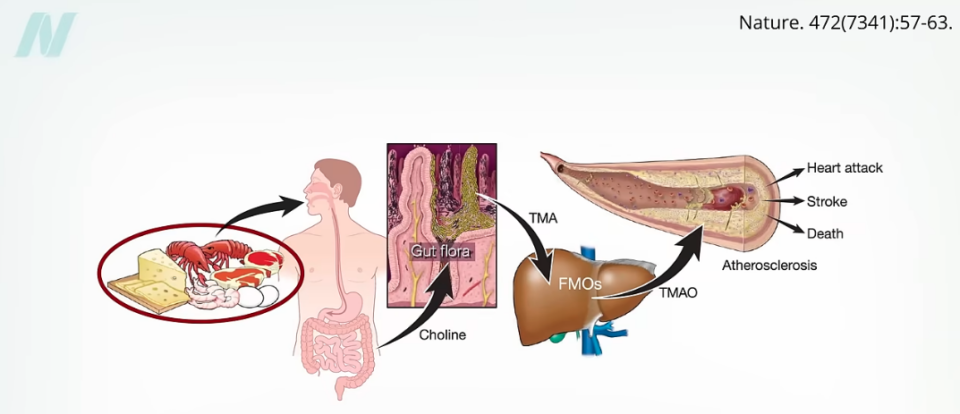
For those concerned about long-term health, the relationship between diet and gut bacteria has moved to the forefront of medical research. When we consume animal products—specifically meat, seafood, dairy, and eggs—we introduce specific compounds into our digestive systems, notably carnitine and choline. These components, while seemingly innocuous, serve as fuel for specific strains of gut bacteria. Through a process of microbial metabolism, these bacteria transform these nutrients into a substance known as trimethylamine N-oxide (TMAO).
The implications of this metabolic pathway are significant. Once produced, TMAO enters the bloodstream, where it has been linked by various studies to an increased risk of cardiovascular issues, including heart attacks, strokes, and premature death. This biological chain reaction highlights a critical concept in modern nutrition: the health risks associated with certain foods may not always be a direct result of the food itself, but rather the byproduct of how our resident gut bacteria process those foods.
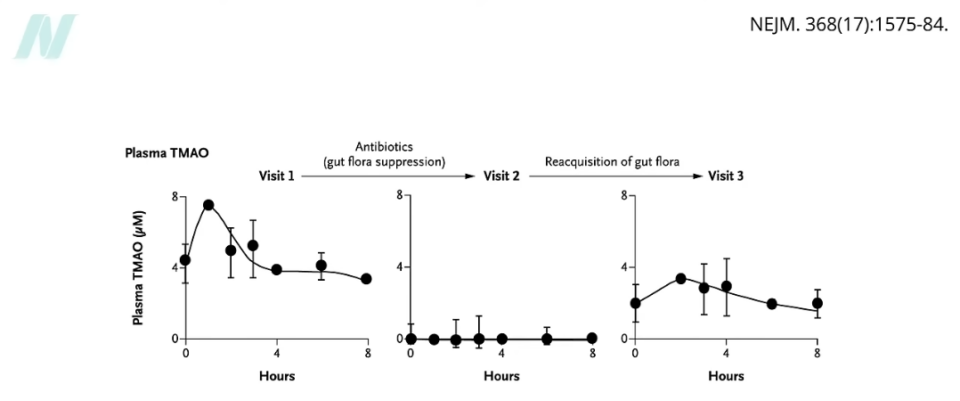
The role of these microbial agents was demonstrated in a compelling clinical observation. When individuals were fed two eggs, researchers observed a sharp spike in TMAO levels in their bloodstream within hours. However, the outcome shifted dramatically when the same subjects were treated with a course of antibiotics to temporarily eliminate their gut flora. Upon consuming the same two eggs after the antibiotic regimen, there was no detectable TMAO in their blood. The absence of the specific egg-metabolizing bacteria effectively severed the link between the food and the toxic byproduct. This effect is temporary, however; as the gut flora begins to repopulate over the course of a month, the body’s ability to produce TMAO in response to eggs returns, confirming that the bacteria are the essential intermediaries in this process.
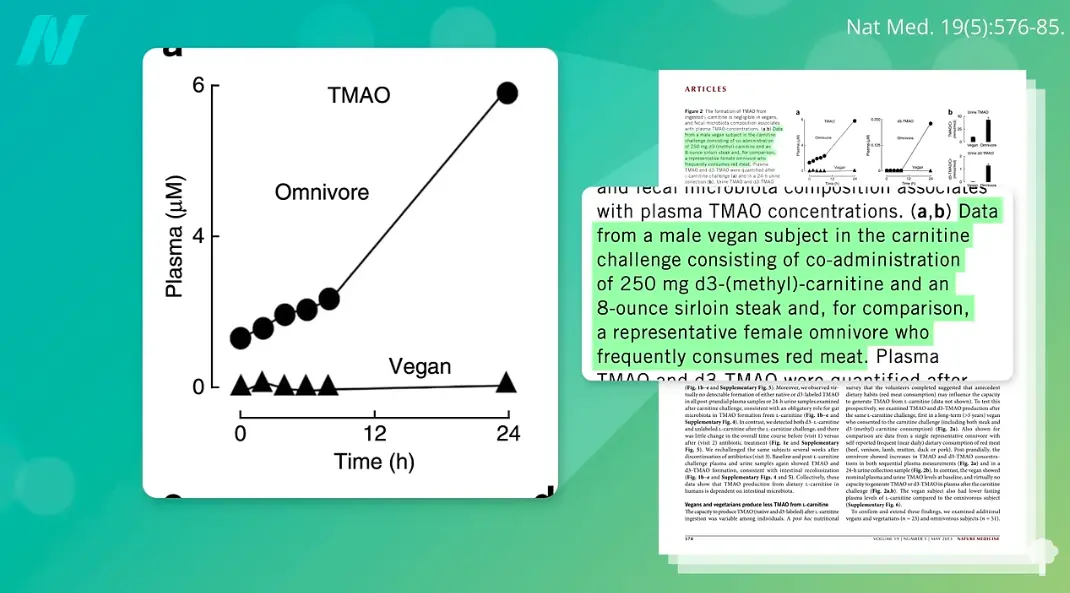
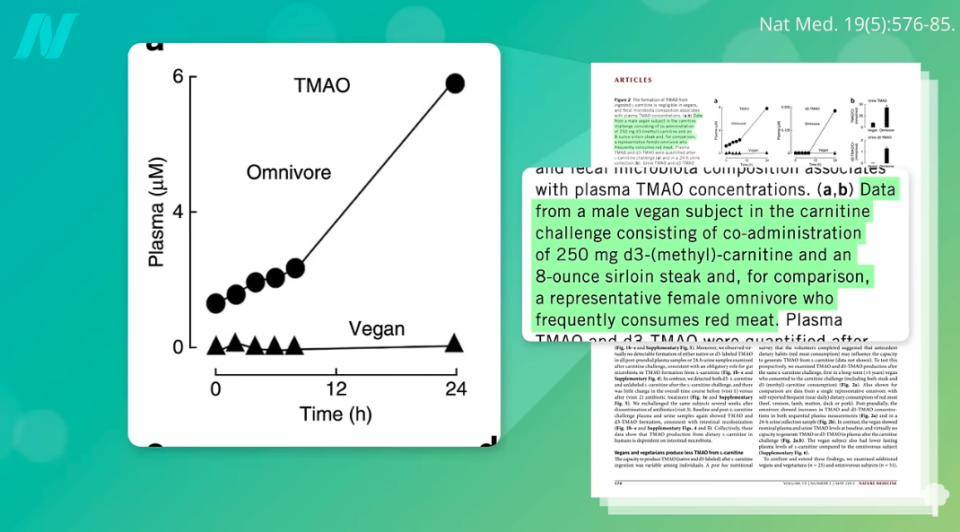
This mechanism is not exclusive to eggs; it is a broader phenomenon observed with meat consumption as well. When participants were given a portion of steak equivalent to 11 ounces, their TMAO levels rose significantly. Yet, just as with the egg experiment, a week of antibiotics rendered the subjects unable to produce the toxic spike. This reveals that the development of these specific cardiovascular risks requires two distinct conditions: the consumption of the source nutrient and the presence of the specific "meat-eating" bacterial colonies in the gut. This biological reality explains why someone who follows a strict vegan diet can consume a sirloin steak without producing the same TMAO response as an omnivore. Their gut simply lacks the specialized microbial population required to convert those nutrients into the harmful compound.
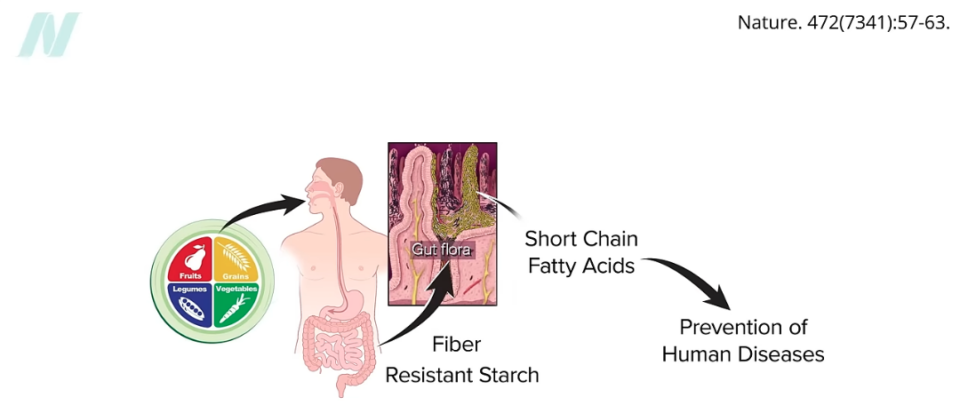
While these findings underscore the potential dangers of certain dietary patterns, the flipside of this microbial story offers a promising roadmap for disease prevention. Just as our gut flora can be "trained" to produce toxins, it can also be cultivated to produce compounds that actively protect our health. When we prioritize a diet rich in whole plant foods—such as fruits, vegetables, whole grains, beans, nuts, and seeds—we provide our gut bacteria with fiber and resistant starch. These, in turn, are metabolized by beneficial bacteria into short-chain fatty acids, such as butyrate.
These short-chain fatty acids are increasingly recognized as powerhouses of physiological health. They contribute to the integrity of the gut lining, helping to "seal" a leaky gut, while simultaneously fighting systemic inflammation, improving insulin sensitivity, aiding in weight management, and demonstrating anti-cancer properties. However, these benefits are subject to the same "two-part" requirement as the detrimental effects: one must eat the fiber, and one must possess the specific fiber-feeding bacteria in the gut to process it.
The importance of this microbial population was illustrated in a study involving the consumption of whole intact grains, specifically barley kernels. Subjects who added roughly 30 grams of fiber and resistant starch to their daily intake saw significant health improvements within just three days. On average, these individuals experienced a 25 percent improvement in insulin levels, meaning their bodies required less insulin to manage the same blood sugar loads.
Yet, the results were not universal. While many participants showed striking improvements in their metabolic responses, others saw little change. Researchers identified the missing link: the presence of fiber-feeding bacteria, such as Prevotella. The ability to thrive on plant-based nutrition is essentially a skill that the gut microbiome learns over time. Data from rural African populations, who consume diets composed of 97 percent whole plant foods, show Prevotella levels that are significantly higher than those seen in individuals following a standard Western diet. This high abundance of beneficial bacteria is directly reflected in the robust production of short-chain fatty acids found in their systems.
In the industrialized world, habitually following a vegetarian or vegan diet appears to play a similar role in enriching the gut’s fiber-processing capabilities. Studies comparing the gut microbial composition of meat-eaters versus those who abstain from meat have found that the latter consistently exhibit higher levels of beneficial, fiber-feeding bacteria. This microbial difference may go a long way in explaining why omnivores often display a more inflammatory profile than their vegetarian counterparts. The evidence suggests that a diet consistently featuring animal products may foster an intestinal environment that is more conducive to systemic inflammation and the onset of metabolic disorders like type 2 diabetes.
One of the most persistent questions in this field is whether a meat-eater can simply "offset" the negative effects by consuming more fiber. Research indicates there are significant constraints on this approach. Even when omnivores attempt to increase their fiber intake, they often lack the established population of fiber-munching bacteria required to achieve the full metabolic benefits. It is a biological bottleneck; at low levels of fiber, an increase in consumption will yield more short-chain fatty acids, but eventually, the system hits a limit dictated by the current population of beneficial bacteria.
For those who have habitually followed a plant-based diet, this limit is much higher. They have cultivated a thriving ecosystem of fiber-feeders, allowing them to extract greater health benefits from the plants they eat. While eating vegan "junk food" does not offer the same advantages, a whole food, plant-based diet appears uniquely effective at promoting a diverse and robust ecosystem of beneficial bacteria. By prioritizing whole plant foods, individuals do more than just provide their bodies with vitamins and minerals; they invest in the internal architecture of their gut, fostering a microbial environment that is fundamentally geared toward long-term health and disease prevention.