
In the vast, visual archive of nineties fashion, few images hold the same magnetic pull for style enthusiasts as a grainy, slightly blurred photograph of Carolyn Bessette-Kennedy and John F. Kennedy Jr. taken as they exited the Bowery Bar in October 1995. While the image is technically imperfect—a candid snapshot defined by the low-light conditions of mid-nineties paparazzi photography—it serves as a definitive style reference that continues to resonate decades later. For the discerning eye, the true centerpiece of the composition is not the celebrity couple themselves, but rather the footwear: a pair of Prada 1995 heeled Dalmatian-print loafers.
That single, fleeting moment captured on a New York sidewalk sparked a quiet obsession for many, prompting a years-long, often fruitless hunt to source the rare, specific silhouettes that defined Bessette-Kennedy’s understated yet powerful aesthetic. To this day, the search for that particular animal-printed pair remains something of a fashion "white whale." Despite the digital age allowing for global marketplace searches and automated alerts, these specific shoes have yet to materialize on the secondhand market in a wearable capacity, cementing their status as one of the most elusive items in the pantheon of nineties fashion.
The spotted print that graced those loafers first made a significant impact on the fashion consciousness during Prada’s fall 1995 runway show, where the motif appeared in the form of elevated, heeled mules. The design was quickly adopted by the era’s most influential style icons, including Kate Moss, who was famously photographed wearing the spotted mule in the summer of 1996. The trajectory of the heeled loafer from the runway to the streets of New York underscored a broader shift in nineties fashion: a movement toward a sophisticated, structural, and somewhat masculine-leaning silhouette that could be effortlessly integrated into both high-fashion and casual wardrobes.
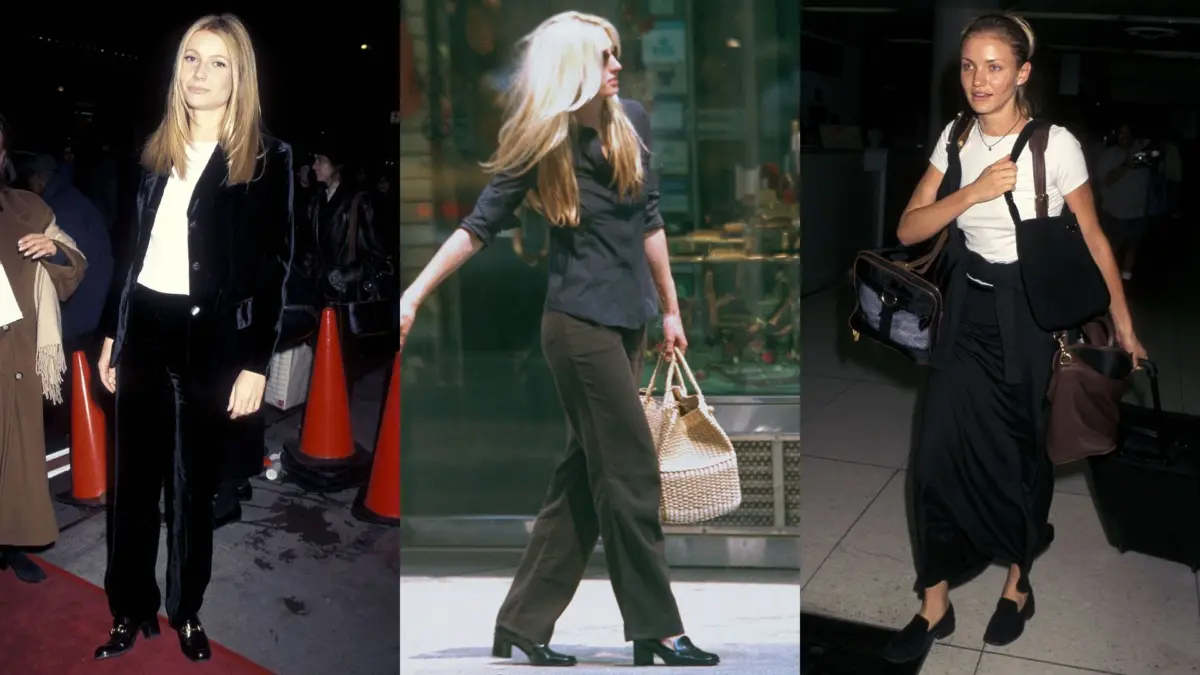
The appeal of the heeled loafer lies in the delicate balance it strikes between opposing aesthetics. By taking the substantial, utilitarian upper of a traditional penny or horsebit loafer and placing it atop a defined heel, designers created a hybrid that occupied a unique space in footwear design. It offered the grounding, grounded feel of a loafer while providing the stature and refinement of a heel. Throughout the decade, this versatility was on display everywhere from the airport runways—where figures like Moss navigated the jet-set lifestyle—to the red carpets of Hollywood, where celebrities like Gwyneth Paltrow utilized the style to add a touch of polish to minimalist ensembles.
That sentiment remains remarkably relevant in the current fashion landscape. As the industry cycles through trends, the heeled loafer has re-emerged as a seasonal staple. Earlier this fall, Prada reissued its coveted Dalmatian print loafers, acknowledging the enduring demand for the original design. Simultaneously, contemporary houses such as Herbert Levine, Dries Van Noten, and Phoebe Philo have introduced their own nuanced interpretations of the trend, proving that the silhouette is not merely a nostalgic relic but a functional, modern essential.
The Evolution of the Printed Loafer
While the general perception of nineties fashion is often synonymous with minimalism—clean lines, neutral palettes, and unadorned surfaces—the decade was also marked by bold, intentional flourishes, particularly in footwear. The printed loafer, in particular, came into its own during this era. Visionary designers like Miuccia Prada and Tom Ford, during his transformative tenure at Gucci, sought to invigorate the traditionally staid shape of the loafer. They introduced punchy, high-impact options featuring brightly colored snakeskin and animal-print pony hair, turning a conservative shoe into a statement piece.

Prada’s 1995 spotted loafer stands as a foundational example of this design philosophy. Its modern reissue retains the charm and boldness of the original, serving as a testament to the timelessness of the aesthetic. For those looking to incorporate such a bold choice into their contemporary wardrobe, the styling secret often lies in restraint. By keeping the rest of the outfit simple—perhaps a pair of well-worn, straight-leg Levi’s or a pair of sharp, black tailored trousers—the printed shoe becomes the focal point, providing just enough visual interest without overwhelming the overall look. As the fashion cycle continues to look back, anticipation is already building for upcoming collections, such as Dries Van Noten’s spring/summer 2027 offerings, which are reportedly set to feature a variety of bold, printed iterations of the classic shoe.
Embracing the Loafer Mule
A natural, more relaxed evolution of the heeled loafer is the mule, a style that dominated both the red carpet and the more casual settings of the mid-nineties. The mule offers a sense of ease that the traditional loafer lacks, while still maintaining the architectural integrity of the heel. In recent seasons, major houses including Saint Laurent and JW Anderson have revisited the mule, stripping back the structure to focus on clean, slip-on designs that prioritize comfort without sacrificing elegance.
When styling the modern loafer mule, the approach mirrors the effortless ethos of the nineties. Drawing inspiration from the casual elegance of Kate Moss, one might pair a punchy, patterned mule with a simple, high-quality white T-shirt and a pair of cropped, tailored trousers. This combination highlights the versatility of the shoe, transitioning easily from day to night and bridging the gap between professional attire and weekend wear. It is a testament to the design’s longevity that the mule continues to serve as an anchor for minimalist styling.
The Enduring Minimalist Aesthetic
Among the various iterations of the heeled loafer that gained prominence during the nineties, the minimalist version was arguably the most essential for achieving that elusive "off-duty" ease. These shoes were characterized by their clean, unembellished leather and precise, structural forms. Today, that legacy is carried forward by brands like The Row and Khaite, which emphasize quality materials and sharp, timeless silhouettes.
The minimalist heeled loafer is defined by its ability to act as a chameleon within a wardrobe. It is a shoe that can be worn with virtually anything, from a casual pair of denim jeans to a fluid, floor-length slip dress. The refinement of these shoes lies in their simplicity; they do not compete with the outfit, but rather elevate it through a quiet, understated presence. During the colder months, the search for the perfect minimalist loafer often involves finding a balance between structure and comfort. Many fashion enthusiasts now look for pairs crafted from softer, more pliable leather, which allows for a more comfortable fit, particularly when the wearer chooses to style them with a thicker, seasonal sock—a practical and stylistic choice that has become increasingly popular.
As the industry continues to mine the nineties for inspiration, the heeled loafer remains a fixture in the collections of both luxury houses and contemporary brands. Whether through the bold, animal-print designs that once captivated the attention of Carolyn Bessette-Kennedy or the clean, minimalist iterations that define the modern wardrobe, the heeled loafer continues to prove that it is more than just a fleeting trend. It is a foundational element of style, offering a bridge between the masculine and the feminine, the casual and the refined, and the past and the present. While the hunt for an original, vintage pair may remain a challenge for the dedicated collector, the current market offers a wealth of options that capture the essence of what made the style so iconic in the first place, ensuring that its legacy will persist for seasons to come.