
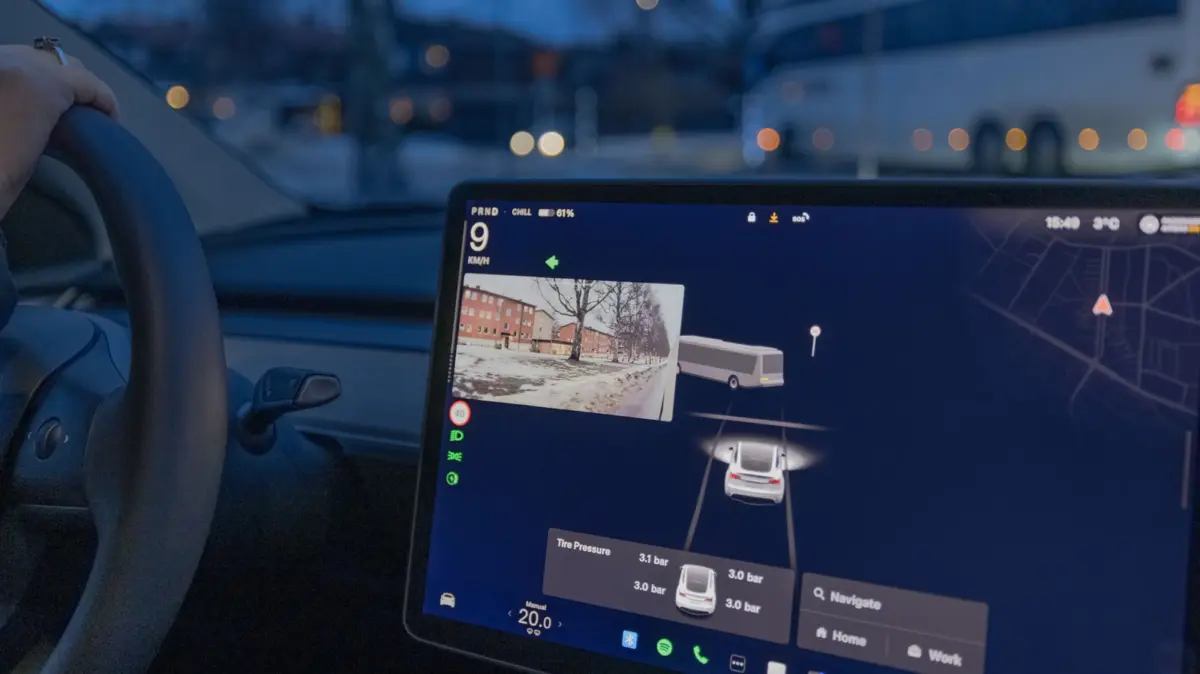
When automotive regulatory controversies arise involving Tesla and its controversial "Full Self-Driving" (FSD) driver assistance system, they typically center on the automaker’s capability claims. For years, critics, safety advocates, and regulatory agencies worldwide have scrutinized whether Tesla overstates the actual functional limits of its Level 2 semi-autonomous technology, leading to consumer confusion and regulatory pressure from North America to Europe.
However, a developing legal and consumer protection battle in South Korea has shifted the focus from technical capability to regulatory legality. According to upcoming filings with the nation’s consumer protection agency, the Texas-based electric vehicle manufacturer is facing severe accusations that it has vastly overstated the legality of FSD usage within the country while continuing to charge thousands of unsuspecting customers significant sums for a feature they cannot legally activate.
As tens of thousands of South Korean Tesla owners demand answers and accountability, the controversy highlights the complex interplay between global automotive manufacturing supply chains, regional trade agreements, and local regulatory compliance.
The impending complaint, scheduled to be filed with the Korean Fair Trade Commission (KFTC) by a prominent consumer advocacy group, alleges that Tesla has persistently marketed and sold its FSD software in South Korea despite knowing that the vast majority of vehicles operating on the country’s roads cannot legally utilize the program. Consequently, thousands of motorists have paid a heavy financial penalty for software that remains entirely locked and unactivatable on their vehicles.
At the center of the dispute is the substantial lump-sum payment required to unlock the feature. Tesla has routinely collected a hefty $6,726 activation fee from prospective buyers during the vehicle purchase process, marketing the advanced driver-assistance software as a cutting-edge upgrade while omitting crucial details regarding local regulatory hurdles.
The root of the incompatibility lies in where individual vehicles are manufactured, a detail that dramatically impacts their regulatory status under South Korean law. According to preliminary testimony delivered last month by Tesla Korea Country Manager Seo Young-deuk, a mere 20 percent of all Teslas currently registered in South Korea are legally permitted to use the FSD system.
This select group of vehicles consists entirely of models built in the United States. These American-made cars successfully meet specific U.S. vehicle safety standards that the South Korean government recognizes as valid under the terms of a bilateral free trade agreement.
However, the vast majority of Teslas traversing South Korean roads today do not originate in the United States. Instead, they are manufactured in China, where no such bilateral regulatory recognition agreement exists. Although Tesla has recently initiated the lengthy and complex process of attempting to obtain FSD certification for its China-produced vehicles, the company has spent more than three years actively charging customers for the software without having the necessary legal framework in place to let them use it.
Bilking customers
The scale of the potential consumer impact is substantial, though the exact number of motorists who purchased FSD subscriptions or lump-sum upgrades for fundamentally ineligible vehicles remains difficult to pinpoint precisely. Industry data and reports indicate that the automaker has successfully imported and sold more than 170,000 China-manufactured vehicles in South Korea since 2023 alone.
Even as sales of these ineligible, Chinese-built Teslas surged dramatically in recent years, the company continued its aggressive marketing campaigns for the advanced driving software. By last year, market data showed that a staggering 99 percent of all new Teslas sold to South Korean consumers were physically or legally incapable of utilizing FSD on public roads.
According to the legal complaint and related reports, Tesla’s promotional efforts last year frequently described FSD as a feature "coming soon." The company even distributed promotional demonstration videos that had been filmed locally in South Korea, yet these materials allegedly failed to clearly and transparently disclose to prospective buyers that the advanced technology could only ever be operated on a tiny fraction of the vehicles the company was actively pushing into the market.
In response to these aggressive sales tactics, the consumer advocacy group has formally accused Tesla Korea of engaging in deceptive and misleading marketing practices. The group is asking the KFTC to take decisive regulatory action, including issuing a temporary cease-and-desist order to halt the marketing of FSD for ineligible vehicles, levying appropriate financial penalties against the automaker, and formally referring the entire case to state investigators for further examination.
Yet, holding the automaker accountable through the legal system may prove to be an uphill battle for affected consumers. Just last month, a court in Seoul dismissed a civil lawsuit filed by a group of disgruntled Tesla owners who were seeking direct financial refunds for the pricey FSD option they had purchased.
In its ruling, the court rejected the core argument that Tesla had fundamentally failed to deliver the purchased driver-assistance system. Instead, the judicial body placed the responsibility and onus for the operational stalemate squarely on external regulatory and legal restrictions that have severely limited the company’s technical ability to roll out and authorize future software functions within the country’s borders.