
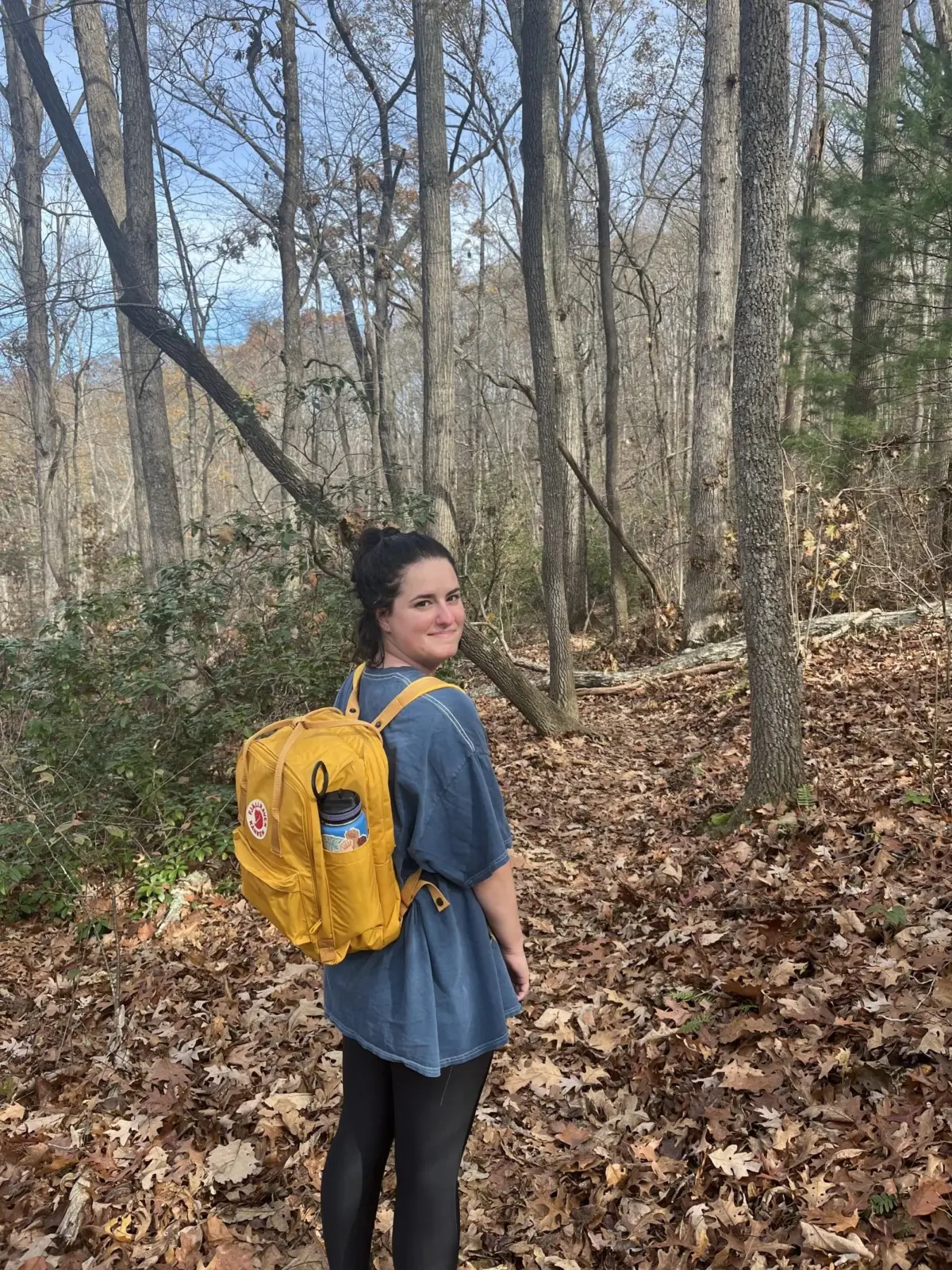
To 26-year-old Sierra Isley, the concept of the American Dream has long been intertwined with a familiar cultural image: a home ringed by a white picket fence. Growing up, the house in the suburbs was presented as the standard trajectory of success, a vision reinforced endlessly by television and social expectations. When Isley and her girlfriend, Jamie, decided to move from Philadelphia to Asheville, North Carolina, and purchase their first home two years ago, they wanted something slightly different from that traditional ideal. Yet, the prospect of homeownership still represented the fulfillment of a milestone they had both imagined achieving since childhood.
They found a three-bedroom brick house featuring ample natural light and a prominent tree in the front yard. With financial assistance from their parents, they secured their financing, put down a deposit, and had their offer accepted. However, as they prepared to finalize the purchase and sign the closing documents, an unexpected obstacle emerged: the property was encumbered by a massive lien. After seeking legal counsel, Isley and Jamie chose to terminate the contract and instead search for an Asheville apartment to rent.
That complication ultimately proved to be a blessing in disguise. Exactly one month later, while the couple was still unpacking boxes and assembling furniture, the remnants of Hurricane Helene struck western North Carolina, transforming Asheville into a disaster zone. Although the basement of their new rental unit flooded, they escaped the catastrophic destruction that leveled the homes of many local residents.
For generations, property ownership has been positioned as the ultimate cornerstone of the American Dream—a primary vehicle for accumulating generational wealth to fund higher education and secure a comfortable retirement. Yet, that financial arrangement has always carried a degree of vulnerability that was rarely acknowledged in mainstream narratives. As escalating climate hazards, including severe wildfires and catastrophic flooding, damage properties and drive up insurance premiums nationwide, sinking life savings into a house has evolved into an increasingly precarious endeavor.
In a research report titled "Property Prices in Peril," analytical firm First Street projected that compounding climate risks could strip nearly $1.5 trillion from the aggregate value of American real estate by 2055. Commenting on these compounding systemic pressures, sociologist Rebecca Elliott observed that for many Americans, the traditional dream of homeownership risks becoming a financial nightmare.
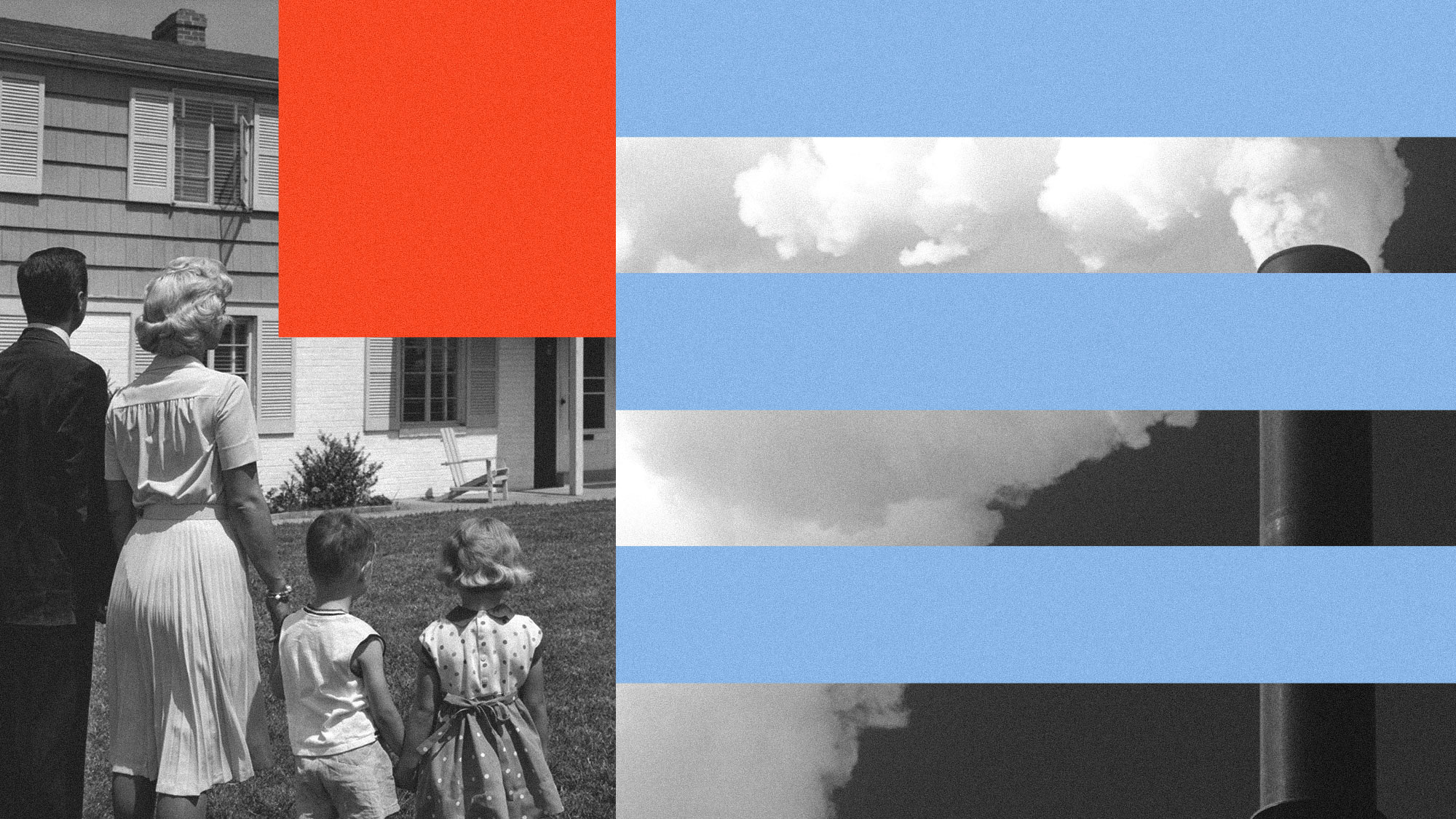
Public awareness of this shift is growing. Exclusive polling conducted for Grist by the think tank Data for Progress reveals that 58 percent of likely U.S. voters believe climate change will directly impede their ability to achieve the American Dream over the coming two decades, a sentiment shared by 42 percent of Republicans. Survey data indicates widespread anxiety that environmental disruptions will continually inflate the cost of living—a pressing economic concern that continues to influence political landscapes.
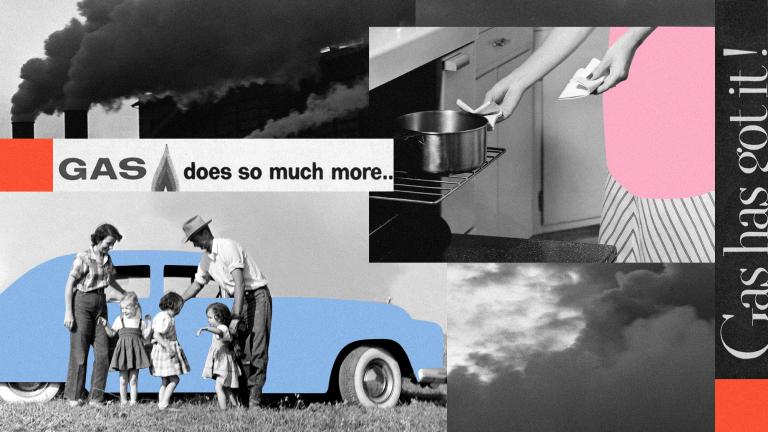
This modern reality highlights a profound historical irony. For a century, fossil fuel companies spearheaded extensive marketing and public relations campaigns to tie oil, gas, and coal consumption directly to domestic comfort and national prosperity. This narrative has frequently been deployed by political figures and industry executives to resist regulatory climate action. The administration of former President Donald Trump frequently argued that federal efforts to curb fossil fuel dependency threatened the American Dream. Earlier this year, when the administration dismantled Biden-era vehicle emission regulations and rolled back aspects of the Environmental Protection Agency’s authority to address global warming, officials framed the deregulation as an effort to restore the American Dream.
Yet, the traditional, fossil-fueled blueprint of prosperity is actively destabilizing itself. Greenhouse gas emissions from burning fossil fuels have catalyzed a new era of economic and environmental volatility, eroding the foundational promise that each successive generation will enjoy greater financial security than the last. International scientific assessments, including reports from the Intergovernmental Panel on Climate Change, explicitly warn that climate change imperils the fundamental quality of life across American communities, disrupting livelihoods and long-standing cultural traditions.
Communities across the country now face a stark choice: voluntarily reimagine what prosperity means independent of fossil fuels, or watch as climate change dismantles the traditional model by force.
For Isley, the memories of surviving Hurricane Helene remain vivid. When municipal water systems failed, she hauled water from the flooded basement to flush toilets manually. When regional transit became impassable, she and Jamie drove to Atlanta, sheltering in a room with their two cats at her partner’s parents’ home until the immediate crisis abated. Upon returning to Asheville, cooking required the use of disposable liners in slow cookers because running tap water remained unsafe for washing dishes.
Two years after the disaster, Isley still browses real estate listings out of habit, but her perspective has fundamentally shifted. Any property located near a body of water, or even a minor stream marked on a map, immediately triggers apprehension. Following the 2024 presidential election, Isley and Jamie briefly considered relocating to a state with stronger legal protections for transgender residents, such as California. However, Isley’s thoughts immediately turned to the state’s persistent wildfire crises, ruling the idea out entirely.
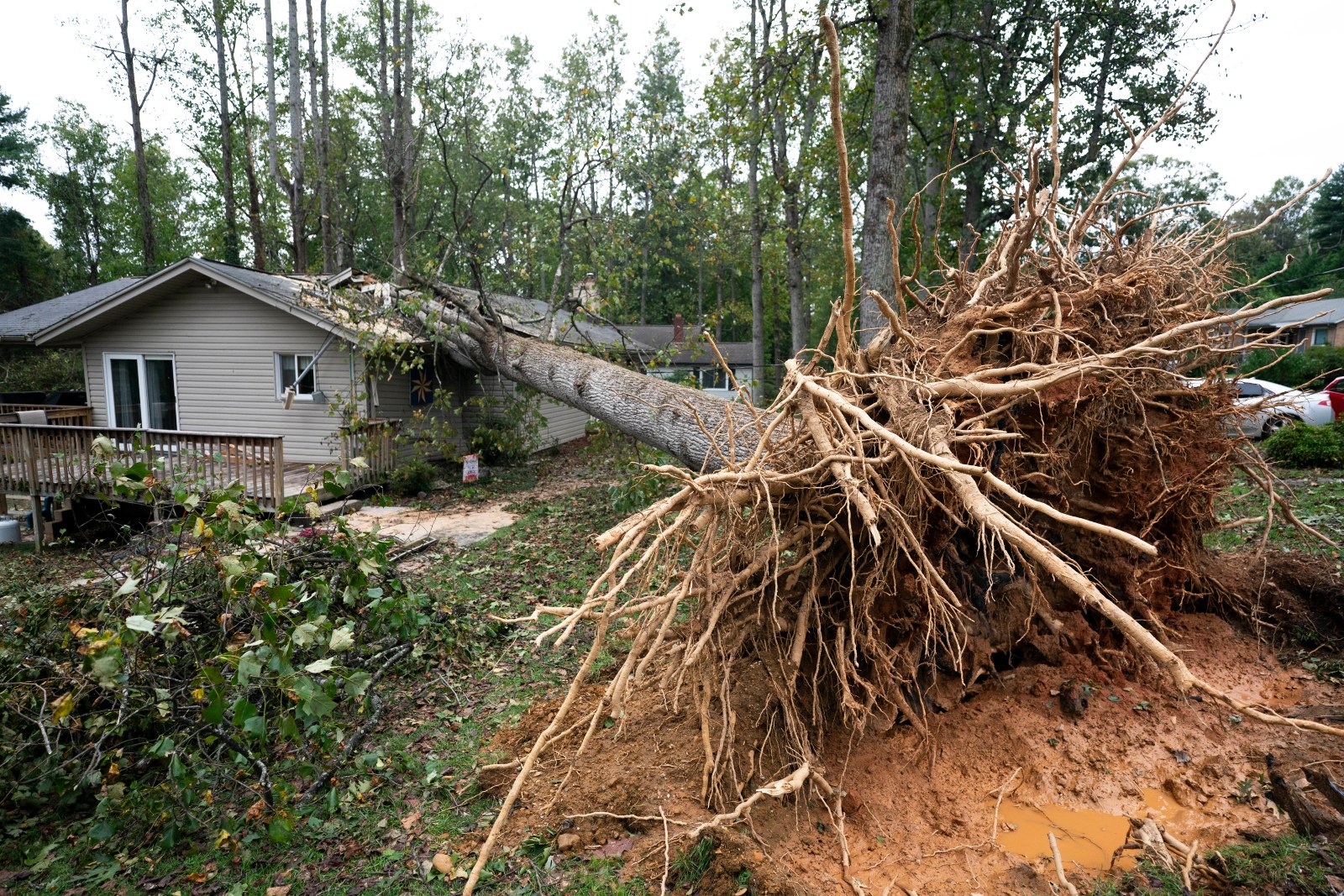
Before living in North Carolina, Isley had encountered hurricanes during her college years in Florida, prompting her move to the Blue Ridge Mountains under the assumption that the region would serve as a sheltered climate haven. Those assumptions were shattered when nearly 14 inches of rain fell across Asheville over a three-day period in September 2024. The French Broad River breached its banks, inundating neighborhoods and devastating the city’s historic River Arts District. Across western North Carolina, more than 74,000 residential properties sustained damage. Because only about 4 percent of affected homeowners carried private flood insurance, the region absorbed an estimated $9.5 billion in uninsured property losses.
Property values across western North Carolina have declined in the wake of the storm, particularly within the hardest-hit counties. Zillow data indicates that Asheville’s average home value decreased by 5 percent over the past year, contrasting with a modest 1.2 percent increase nationally.
Housing markets are increasingly pricing in environmental risks. According to a 2023 study published in the journal Nature Climate Change, residential properties located within Federal Emergency Management Agency high-risk flood zones sell for an average of 2.8 percent less than comparable homes elsewhere. The study’s authors calculated that properties exposed to flood hazards remained overvalued by tens of billions of dollars, identifying Appalachia as a prominent hot spot of market overvaluation shortly before Helene struck. This uneven devaluation of high-risk real estate generates substantial social and economic harm, according to Elliott, who serves as a sociology professor at the London School of Economics and Political Science.
While real estate is traditionally marketed as an engine of wealth accumulation, vulnerable properties can easily transform into financial traps. In the wake of Superstorm Sandy, which devastated coastal New York and New Jersey in 2012, numerous homeowners found themselves unable to sell their properties for enough capital to purchase alternative housing, leaving many stranded. Even properties that have escaped direct physical destruction face depreciation as prospective buyers grow increasingly cautious about purchasing within floodplains, coastal storm zones, and wildfire corridors. Such properties risk becoming economically obsolete long before they are physically uninhabitable.
Property insurance functions as the essential financial safety net underpinning mortgage debt and homeownership. Douglas Heller, director of insurance at the Consumer Federation of America, describes insurance as the protective mechanism securing the American Dream. However, surging insurance premiums are driving the widespread unaffordability of housing. Since 2020, property insurance costs have climbed by nearly 80 percent, with the average single-family mortgage holder now paying $209 monthly for coverage. Homeowners situated in high-risk zones face substantially higher expenses, and thousands of residents in states like California have experienced policy non-renewals as major insurers scale back operations. Meanwhile, insurance rates are rising faster in the Midwest than in any other region, propelled by escalating severe storm damages.
The insurance market has grown increasingly dysfunctional, Heller notes, with the industry leveraging environmental volatility to justify steep rate adjustments.
Fixed-income seniors and retirees who own condominiums near Lake Tahoe face severe financial pressure from these rising expenses, according to Andrew Engler, founder and CEO of Rock Rose Risk, a firm assisting California homeowners with wildfire mitigation and insurance cost reduction. These residents face escalating homeowners association fees required to cover shared master insurance policies in high-risk wildfire zones, stretching limited retirement incomes to their limits. Attempts to sell are frequently hindered because prospective buyers are deterred by towering monthly assessments. Economists estimate that rising disaster-linked insurance costs have suppressed home price growth by more than $40,000 in the most vulnerable ZIP codes.
Renting offers greater physical mobility, but it provides no insulation from these macroeconomic pressures. Apartment rents continue to climb, driven in part by landlords passing soaring property insurance expenses directly to tenants, notes Caroline Nagy, associate director of housing policy at Americans for Financial Reform. Whether an individual rents or owns, the rising costs associated with climate risks are absorbed across the entire housing market, complicating efforts for younger generations to achieve financial stability.
Walking through her neighborhood today, Isley encounters frequent reminders of Hurricane Helene displayed on local banners and apparel bearing slogans like "Asheville Strong" and "WNC Strong."
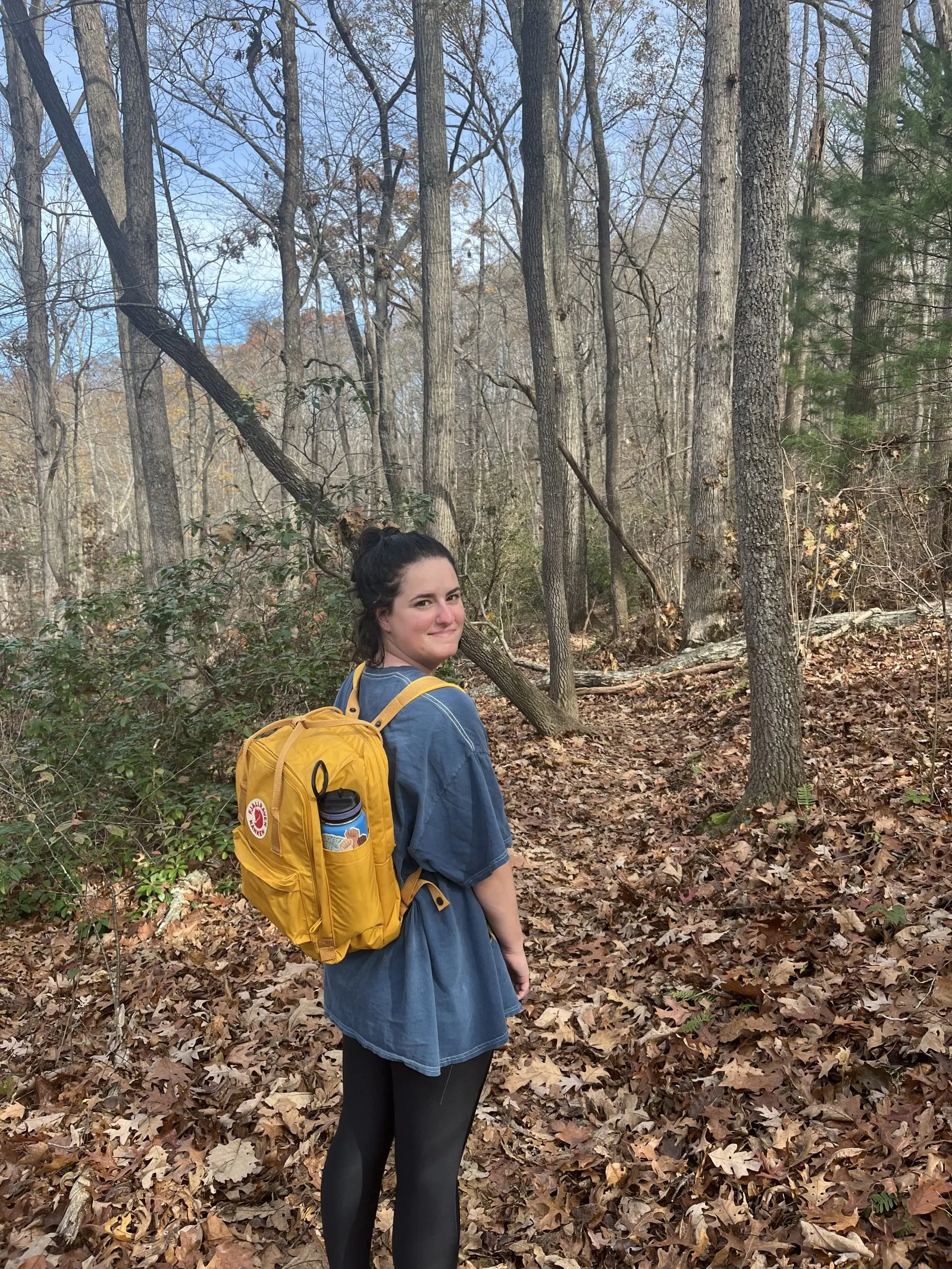
Disasters frequently reveal the extent to which communities rely on mutual aid during crises. In the immediate aftermath of Helene, when electrical grids and cellular networks collapsed, Isley and her partner walked through the community to check on residents, eventually congregating at a local fire station that maintained access to emergency fresh water. The experience fostered a profound sense of mutual dependence and neighborhood solidarity.
While cultural interpretations of the American Dream prioritize independence and individual autonomy, surviving a large-scale emergency exposes the necessity of collective resilience. Sociological research examining communities affected by major wildfires, such as the 2018 Woolsey Fire in Los Angeles County, demonstrates that disaster survivors often organize grassroots protective networks, including volunteer fire brigades, to defend their neighborhoods against future threats.
As traditionally secure climate havens experience extreme weather events, the assumption that populations can permanently relocate away from environmental hazards is faltering. Communities must focus on building long-term resilience and security within the places people already inhabit, researchers argue. This reality necessitates a fundamental rethinking of the traditional social contract of the American Dream—specifically, the expectation that an individual’s entire financial future should hinge on the stability of a single physical structure. Recent demographic polling reflects this shifting mindset; while 46 percent of baby boomers associate homeownership with the core of the American Dream, only 13 percent of Gen Z respondents share that view, indicating a generational evolution in how success and stability are defined.
Curious about the fate of the property they nearly purchased before the lien complications arose, Isley and Jamie drove past the three-bedroom brick house shortly after Hurricane Helene. The structure remained standing, though any interior water damage or structural compromise remained hidden from view. The uncertainty reinforced their relief at having walked away from the contract.
Living through the disaster ultimately reshaped Isley’s professional ambitions, sparking a commitment to public health and emergency preparedness. She is currently applying to graduate programs to pursue a master’s degree in public health. Driven by a sense of personal responsibility toward rural communities facing similar climate vulnerabilities, Isley plans to apply her skills toward mitigating the impacts of future natural disasters.