
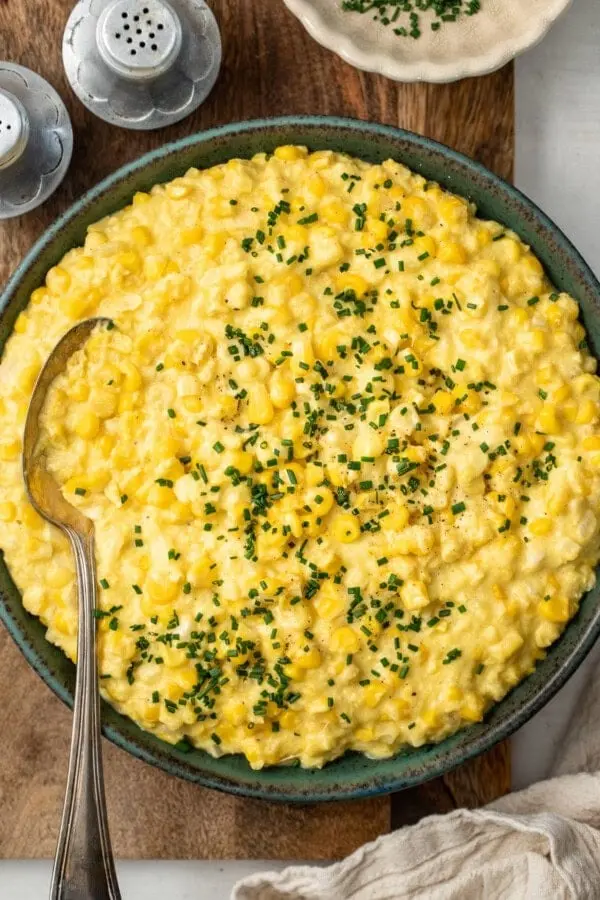
In the landscape of comfort food, few dishes evoke the warmth and nostalgia of a well-prepared creamed corn. Traditionally, however, this staple has been associated with heavy ingredients, relying on thick roux or dense heavy creams to achieve its signature consistency. A new recipe from the culinary team at Skinnytaste is challenging that convention, offering a method that emphasizes the natural sweetness of the vegetable while significantly reducing the caloric load. By leveraging a blender-based technique and simple, reduced-fat dairy alternatives, this version provides a sophisticated, lightened-up take on a traditional favorite.
The core philosophy behind this iteration is the preservation of the corn’s integrity. Rather than relying on additives to create a sauce, the preparation involves a strategic blending process. By puréeing a portion of the corn kernels with milk and reduced-fat cream cheese, the cook creates a naturally thickened, velvety base. This mixture is then reintroduced to the remaining whole kernels, ensuring that every bite retains the satisfying texture that defines fresh corn, while the sauce provides a harmonious, creamy mouthfeel. This approach eliminates the need for flour-based thickeners, making it a naturally gluten-free option that doesn’t sacrifice depth of flavor.
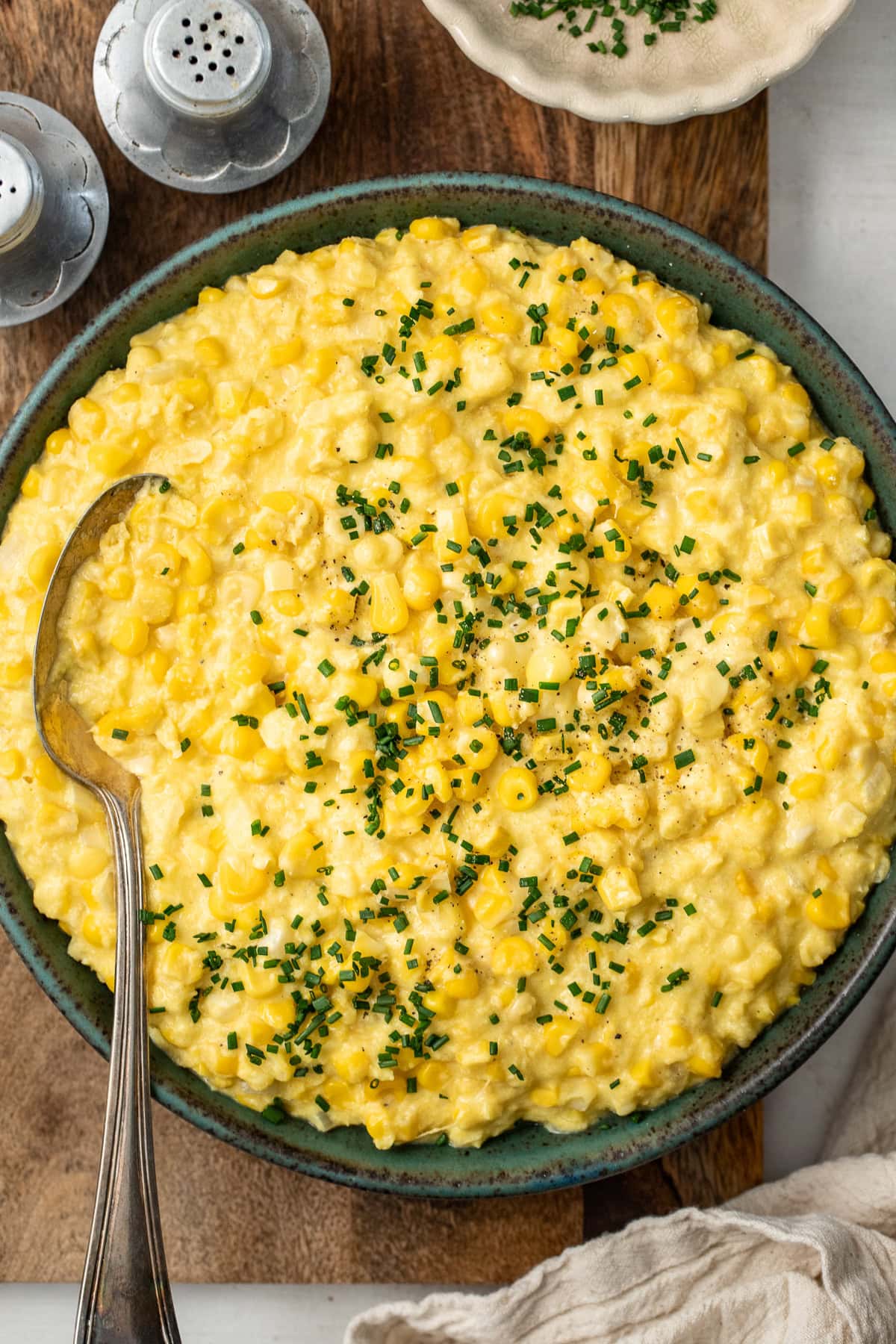
A primary challenge in cooking corn-based dishes is balancing the inherent sugar in the kernels without creating a dessert-like profile. In this recipe, the balance is achieved through the inclusion of aromatics. By incorporating onion and garlic into the cooking process, the savory notes are elevated, effectively tempering the natural sweetness of the corn. This combination allows for a clean, nuanced flavor profile that removes the necessity for added refined sugars. The use of a small amount of butter adds a necessary richness, rounding out the dish and providing a classic finish that bridges the gap between home-cooked simplicity and professional-level seasoning.
The versatility of this dish is one of its most notable attributes. As a side, it is designed to be as suitable for an everyday weeknight dinner as it is for a formal, traditional holiday table, such as Thanksgiving. Its ability to complement a wide range of proteins—from roasted chicken and air-fried steak to pork tenderloin and various barbecue preparations—makes it a highly adaptable addition to any culinary repertoire. For those seeking to expand their range of vegetable-forward sides, it also pairs effectively with lighter greens, providing a balanced, nutritious, and satisfying meal.
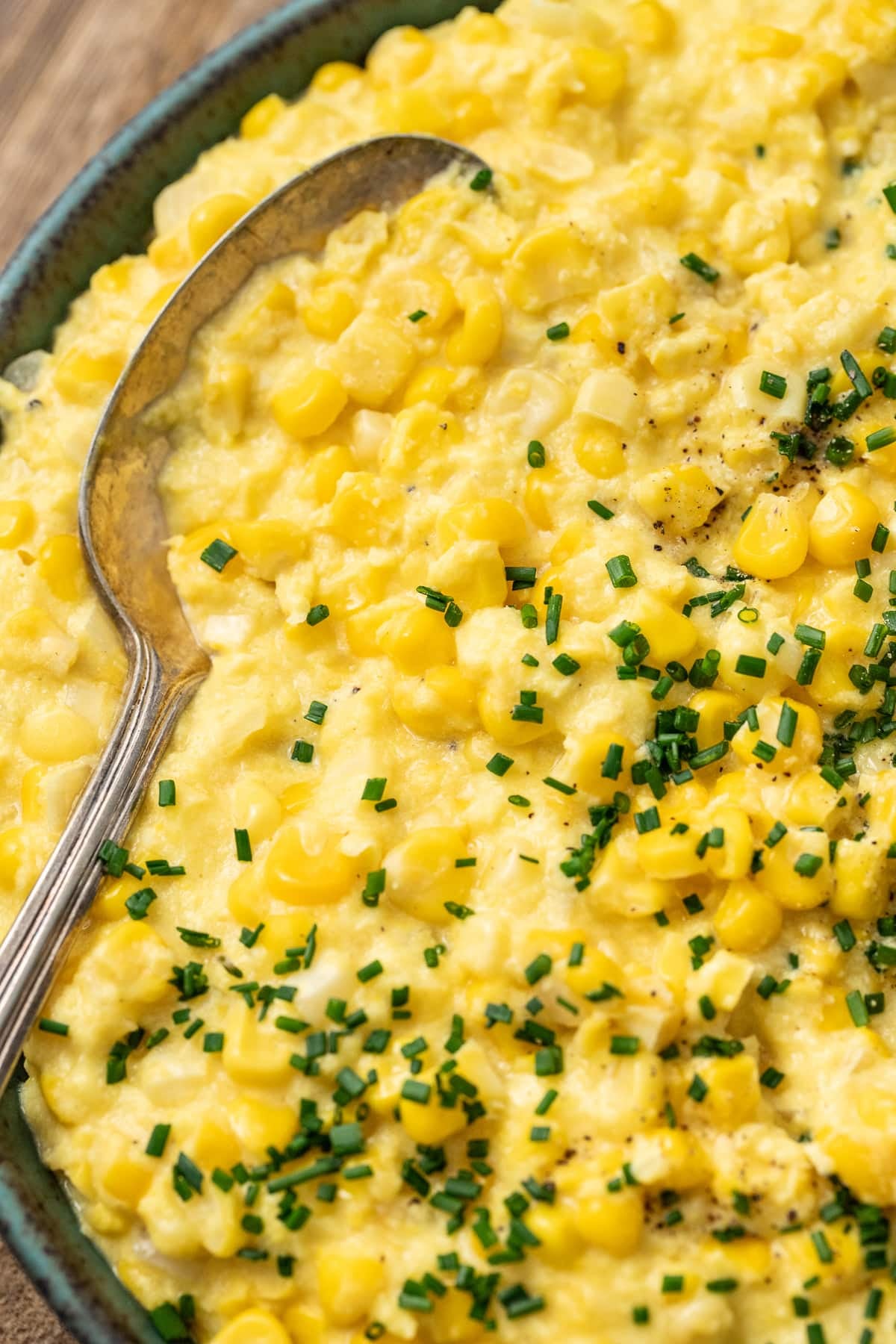
Practicality in the kitchen is a significant component of this approach. The recipe, which requires only a blender and a large saucepan, is engineered to be approachable for home cooks of varying skill levels. The cooking technique centers on gentle heat, which is vital for maintaining the stability of the cream cheese and milk base. By avoiding high-heat boiling, the cook ensures that the sauce thickens consistently without the risk of breaking or curdling. This slow, deliberate reduction creates a cohesive dish where the sauce clings to the kernels, resulting in a restaurant-quality texture that is achievable in under forty-five minutes.
When selecting ingredients, the quality of the corn remains paramount. The recipe is optimized for fresh or thawed frozen corn, both of which provide the crisp texture and vibrant flavor necessary for the dish to succeed. While canned whole-kernel corn is a common pantry staple, its use requires careful consideration; the salt content of canned varieties varies significantly, and the texture can sometimes be softer than desired. If opting for canned corn, it is advised to prioritize no-salt-added options to maintain control over the final seasoning. Notably, this recipe is distinct from the commercially available canned "cream-style" corn, which is not an appropriate substitute for the whole kernels required in this preparation.

For those planning to incorporate this dish into their meal prep routines, the longevity and reheating capabilities of the recipe are a notable benefit. As with many cream-based sauces, it can be prepared in advance, stored properly, and reheated with ease. The stability of the reduced-fat cream cheese allows the sauce to retain its structure even after a cycle of refrigeration. Furthermore, the recipe is highly scalable, allowing home cooks to easily halve the quantities for smaller gatherings without compromising the texture or the flavor balance.
Nutritional transparency has become a standard expectation for modern home cooks, and this dish stands out for its balanced profile. Each three-quarter-cup serving provides approximately 229 calories, with a notable 8 grams of protein and 4 grams of fiber. By omitting heavy cream and flour, the recipe achieves a significant reduction in saturated fat while maintaining a satisfying density. This focus on lighter, nutrient-dense ingredients reflects a broader culinary trend toward healthier, yet still indulgent, home-cooked comfort food.

The ongoing interest in such recipes highlights a shift in how families approach holiday and daily dining. As more individuals seek to balance traditional favorites with contemporary dietary considerations, the demand for refined recipes that do not rely on processed thickeners or excessive fats has grown. By providing a clear, logical, and effective method for creating a classic side dish, this recipe serves as a functional resource for those looking to modernize their cooking without losing the essential, comforting characteristics of the dish.
As with many culinary endeavors, the final result is often elevated by the cook’s attention to detail. Whether it is the slight char on the corn or the careful sautéing of the aromatics, these small adjustments can refine the final experience. The creators of this recipe emphasize that the ultimate success of the dish lies in the balance of the ingredients and the patience applied during the thickening stage. By stripping away the unnecessary components found in more traditional, heavier recipes, the dish highlights the primary ingredient—sweet corn—allowing its natural flavor to remain the star of the plate.
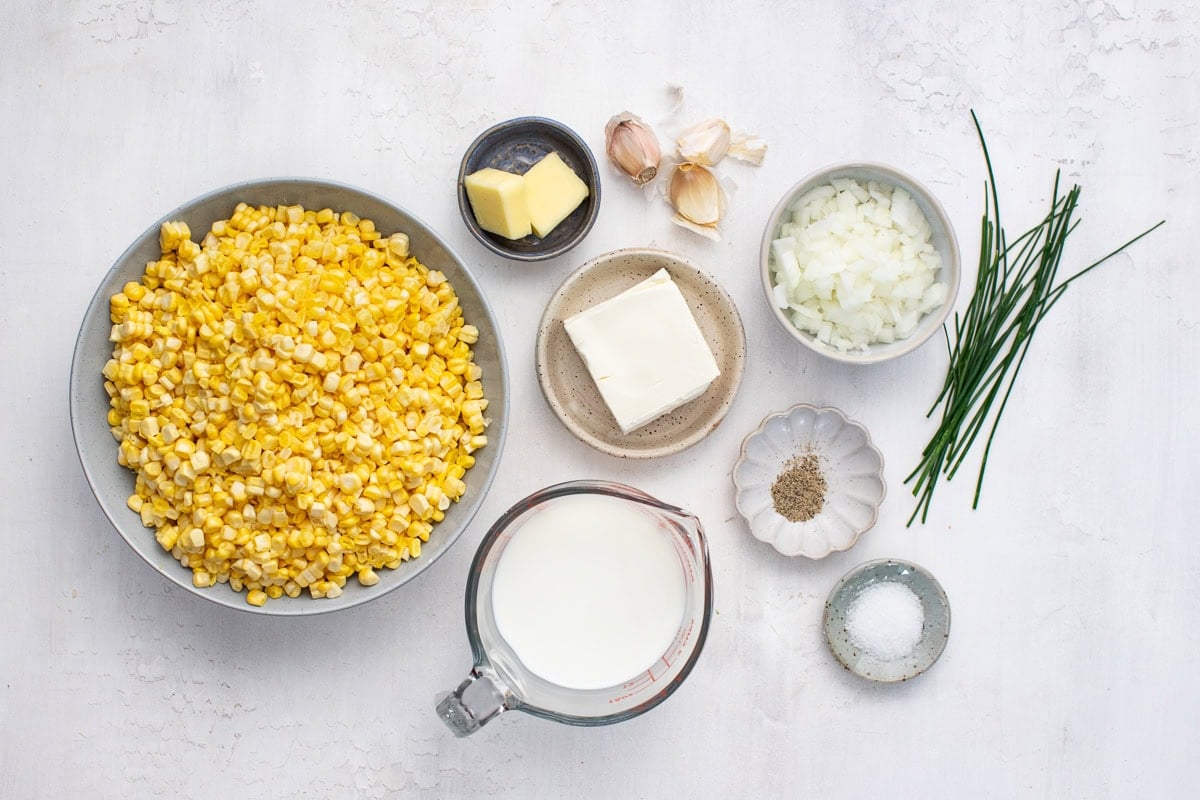
In the broader context of home cooking, the transition toward these simplified, ingredient-conscious methods is indicative of a larger movement. It is a movement that values the process of cooking from scratch while demanding efficiency and health-consciousness. By utilizing accessible tools like the blender and focusing on core pantry staples, the barrier to creating high-quality, flavorful food is lowered, encouraging more people to step into the kitchen and experiment with the fundamentals of flavor and texture.
This approach to creamed corn is not merely a modification of a recipe; it is an exercise in culinary efficiency. By stripping the dish back to its essence and building it up with smarter, lighter ingredients, it achieves a standard that satisfies the palate while aligning with modern nutritional goals. Whether served as a centerpiece vegetable side or a supporting element in a larger, multi-course meal, its presence on the table serves as a reminder that comfort food does not have to be heavy to be memorable. Through the combination of careful preparation, high-quality base ingredients, and a rejection of unnecessary additives, this recipe provides a blueprint for a classic side that is as sustainable as it is delicious.