
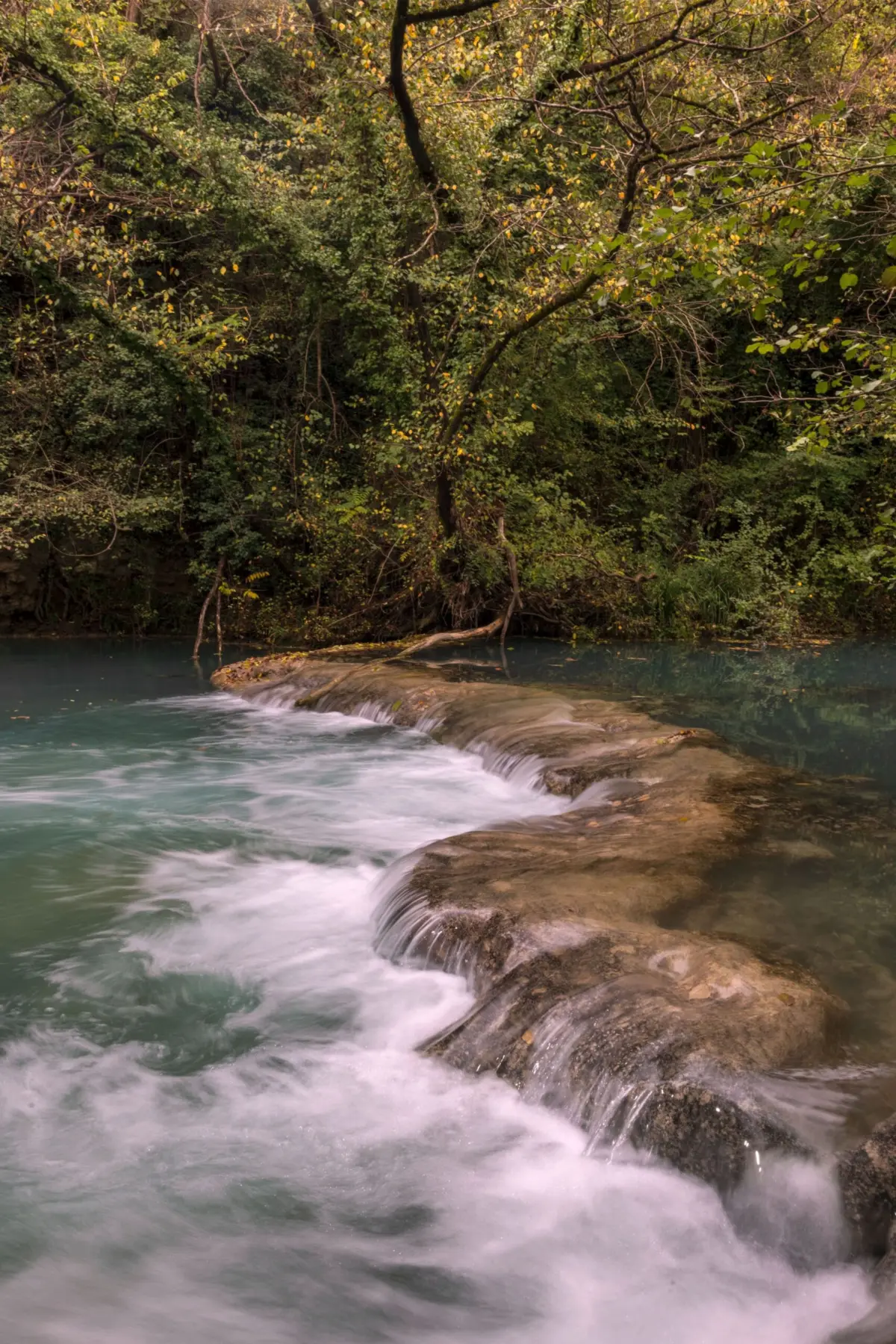
The devastating floods that have periodically ravaged Italy’s Arno river basin are no longer just historical footnotes or occasional regional tragedies; they are increasingly viewed as existential threats to the global luxury fashion industry. In 1966, the Arno burst its banks in a catastrophic event that claimed dozens of lives and destroyed priceless cultural treasures. Nearly six decades later, the region remains acutely vulnerable. In 2023, as Storm Ciarán tore through Tuscany, Prime Minister Giorgia Meloni declared a state of emergency, with total damages estimated at a staggering €1.89 billion.
Among those caught in the path of the deluge was the Prato-based Beste Group. The supplier’s headquarters, situated directly on the banks of the Bisenzio river, was submerged in waist-high water, halting production for three weeks. The financial toll was severe, including the destruction of a brand-new, €7 million piece of machinery that had been purchased just one month prior. With insurance covering only 60% of the replacement cost, the incident underscored a brutal reality for the fashion supply chain: even the most efficient and well-managed factories are helpless against the systemic impacts of climate change when the surrounding landscape lacks resilience.
This incident served as a catalyst for Rachel Kolbe Semhoun, Kering’s head of sustainable sourcing and nature initiatives. After reading reports of the flood’s impact in Vogue Business, Semhoun recognized that internal factory improvements were insufficient. "They had done everything right inside the factory, but they were still flooded," she notes. "It was a great example of how nobody can make resilience happen by themselves. The only thing that would have helped was collectively investing in better nature infrastructure upriver."
This realization became the foundation for an industry-first water strategy that Kering unveiled this week. With the official launch of its inaugural Water Resilience Lab in the Arno Basin, the French luxury conglomerate is attempting to move beyond traditional sustainability metrics, establishing a replicable roadmap for managing water risks across its most critical production regions.
A Strategic Imperative for Global Fashion
For an industry that relies heavily on natural raw materials—from the water-intensive cultivation of cotton to the complex processes of tanning, dyeing, and washing—water is not merely a utility; it is a fundamental pillar of business continuity. Marie-Claire Daveu, Kering’s chief sustainability and institutional affairs officer, emphasizes that the stakes extend far beyond the immediate damage to a single facility.
"Most of fashion’s strategic raw materials rely on water," Daveu explains. "To ensure resilience and business continuity for the fashion industry, we have to support the regeneration and replenishment of the key basins where we operate as an industry, which are home to our suppliers. Ultimately, this becomes a significant driver of long-term value creation for businesses, strengthening supply chain resilience, reducing water-related risks, and supporting the health of ecosystems and communities our industry relies on."
Kering’s roadmap, which aims to make the group "net water-positive" by 2050, is an ambitious undertaking. The strategy involves achieving measured net-positive water impacts in 10 priority water basins by 2035. These priority zones span the globe, including locations in France, Spain, Türkiye, Mongolia, India, Peru, Argentina, South Africa, and Australia. The choice of the Arno Basin as the starting point for the Water Resilience Lab was strategic, driven by the region’s concentration of "irreplaceable know-how" and the high density of Kering’s suppliers specializing in leather goods, accessories, jewelry, and ready-to-wear.
A Multi-Stakeholder Approach to Governance
The Arno Basin serves as a testing ground for a novel approach to water governance that Kering intends to replicate globally. The lab operates on the premise that traditional, siloed responses to environmental crises are no longer viable. Instead, the initiative brings together a complex coalition of public institutions, private businesses, academic researchers, and financial stakeholders.
Key partners in this venture include Conservation International—the co-founder of Kering’s Regenerative Fund for Nature—the environmental consultancy Etifor, and the University of Florence. Furthermore, the lab integrates with local governance frameworks, including the Northern Apennines River Basin Authority, as well as the ANBI and ANCI Toscana land reclamation authorities.

"It’s been very important for the lab to build on the efforts, understanding and achievements by public authorities in the region," Daveu says. "The lab is amplifying what has previously been done, while filling gaps and creating new models."
The roadmap for the lab is built upon three core pillars: developing robust governance structures that ensure all voices in the basin are heard; creating financial models that incentivize long-term environmental stewardship rather than relying on temporary philanthropic patches; and building a portfolio of industrial and nature-based solutions that offer a clear business case for implementation.
Preparing for a Volatile Climate
The urgency of this work is underscored by sobering environmental projections. By 2030, Tuscany is expected to endure more than 50 days of heat stress annually, a trend that threatens to exacerbate water scarcity and increase the severity of weather events. Kering’s modeling suggests that the benefits of systemic intervention are substantial. If the Arno Basin can be managed to retain 48 million cubic meters of water, the impact of future flooding could be drastically mitigated. The company estimates that every cubic meter of water retained effectively avoids approximately €157 in potential flood-related damages.
To translate these goals into tangible outcomes, the lab has identified six critical intervention points within the basin, including the Ombrone/Bisenzio area, the Chiana Valley in Arezzo, and the Lake Sibolla region. The selection of these sites was guided by rigorous, science-based methodologies. These include Volumetric Water Benefit Accounting (VWBA)—a framework used to quantify water stewardship impacts in a consistent, comparable manner—and the Science-based Targets for Nature (SBTN), which Kering was an early adopter of. The University of Florence has provided a custom, basin-specific methodology to bridge these global standards with the unique hydrological realities of the Arno.
Beyond Philanthropy: Creating a Sustainable Financial Model
One of the most significant challenges identified by Kering is the historical reliance on philanthropy to fund water-related infrastructure. Because these projects have traditionally been developed in isolation, they often lack the scale required to create systemic change. Daveu argues that this approach is unsustainable.
"Philanthropy will never be enough to support the needed investments for real resilience," she says. "Efforts need to be coordinated to address water risks in a holistic way and become truly resilient. Amplifying impacts and investments is necessary to have a viable financing model for nature to bring investors to the table."
As the Water Resilience Lab moves into its operational phase, the focus will shift toward fine-tuning the model to ensure it is robust enough for other brands and industries to adopt. A central part of this work involves changing the narrative around nature-based solutions. Currently, there is a lack of recognition regarding how such solutions—which might include restoring wetlands or improving agricultural land management—can mitigate risk and drive long-term value.
By proving the return on investment through its work in the Arno Basin, Kering hopes to demonstrate that environmental stewardship is not an ancillary cost of doing business, but a vital component of risk management. For a global fashion industry increasingly grappling with the physical and financial volatility of a changing climate, the success of this experiment could define the next chapter of corporate environmental responsibility. As Kering looks toward its 2035 and 2050 targets, the Arno Basin stands as a critical first step in proving that while nature may be unpredictable, the industry’s response to it need not be.