
In a move that has sent shockwaves through the public health community, a series of papers published in the Annals of Internal Medicine recently issued a set of dietary recommendations that contradict decades of established medical consensus. The researchers, under the banner of a group calling itself NutriRECS, concluded that individuals should continue their current consumption of red and processed meats, despite their own data acknowledging the health risks associated with these foods. This paradoxical conclusion has ignited a fierce debate regarding the integrity of nutritional research, the influence of industry ties, and the ethical responsibility of those tasked with setting public health guidelines.
Challenging the Scientific Standard
The controversy centers on the methodology employed by the researchers. The authors utilized the GRADE (Grading of Recommendations Assessment, Development, and Evaluation) criteria to filter the available evidence. While GRADE is a standard tool used to evaluate the quality of evidence, it was primarily designed for testing pharmacological interventions—specifically, randomized, double-blind, placebo-controlled trials.
Critics, including leading public health experts, argue that applying these rigid criteria to dietary and lifestyle research is fundamentally flawed. Nutritional and environmental factors are rarely studied in the same way as drugs; it is often unethical or logistically impossible to conduct decades-long, double-blind experiments on human subjects regarding their daily diets. If the GRADE criteria were applied with the same level of strictness to other pillars of public health—such as the intake of fruits and vegetables, the consumption of sugar-sweetened beverages, the dangers of physical inactivity, the necessity of adequate sleep, or the impacts of air pollution—nearly all current public health recommendations would be classified as based on "low" or "very low" quality evidence. By effectively dismissing a vast body of observational data, the authors of the study narrowed their focus to only a small subset of research, setting the stage for a conclusion that deviates sharply from global health norms.

The Paradox of Findings Versus Recommendations
What makes the study particularly confounding is the disparity between its internal findings and its final dietary advice. Even after excluding a significant portion of the scientific literature that did not meet their specific criteria, the researchers still identified a clear association between the consumption of red and processed meats and an increased risk of chronic disease. Their own data indicated that a moderate reduction in these meats could result in a 13% reduction in total mortality, a 14% decrease in heart disease mortality, an 11% drop in cancer mortality, and a 24% reduction in the risk of developing type 2 diabetes.
Despite acknowledging these substantial health risks, the panel’s final recommendations explicitly encouraged the public to "continue current unprocessed red meat consumption" and "continue current processed meat consumption." This disconnect left many experts questioning the panel’s logic. By their own admission, the researchers were not suggesting that meat consumption was free of risk; rather, they argued that the risks were "acceptable" for individuals. This shift in perspective—from a objective assessment of disease prevention to a subjective assessment of individual tolerance—marks a departure from traditional public health goal-setting.
Prioritizing Taste Over Health
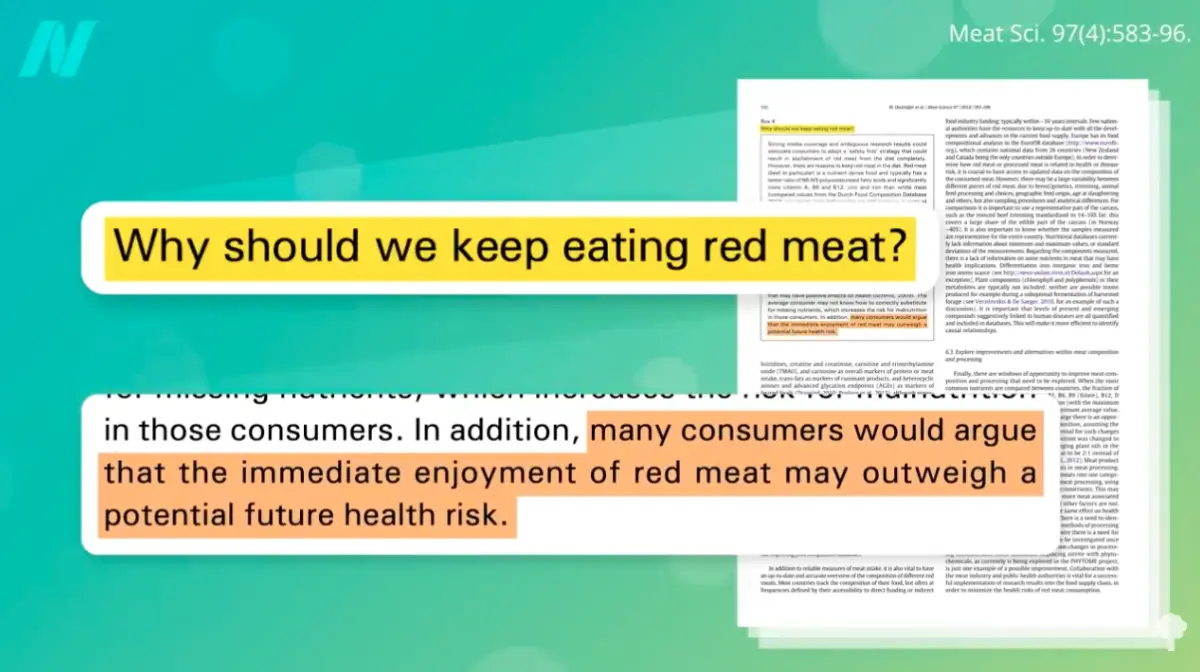
Perhaps the most controversial aspect of the report is the rationale used to justify these guidelines. In their review, the panel argued that previous dietary recommendations had failed to consider the personal preferences and "attachments" individuals have to their meat-based diets. They conducted a systematic review of consumer preferences and concluded that because people simply "enjoy eating meat," the health benefits of reducing consumption are not a sufficient motivator for the general public.
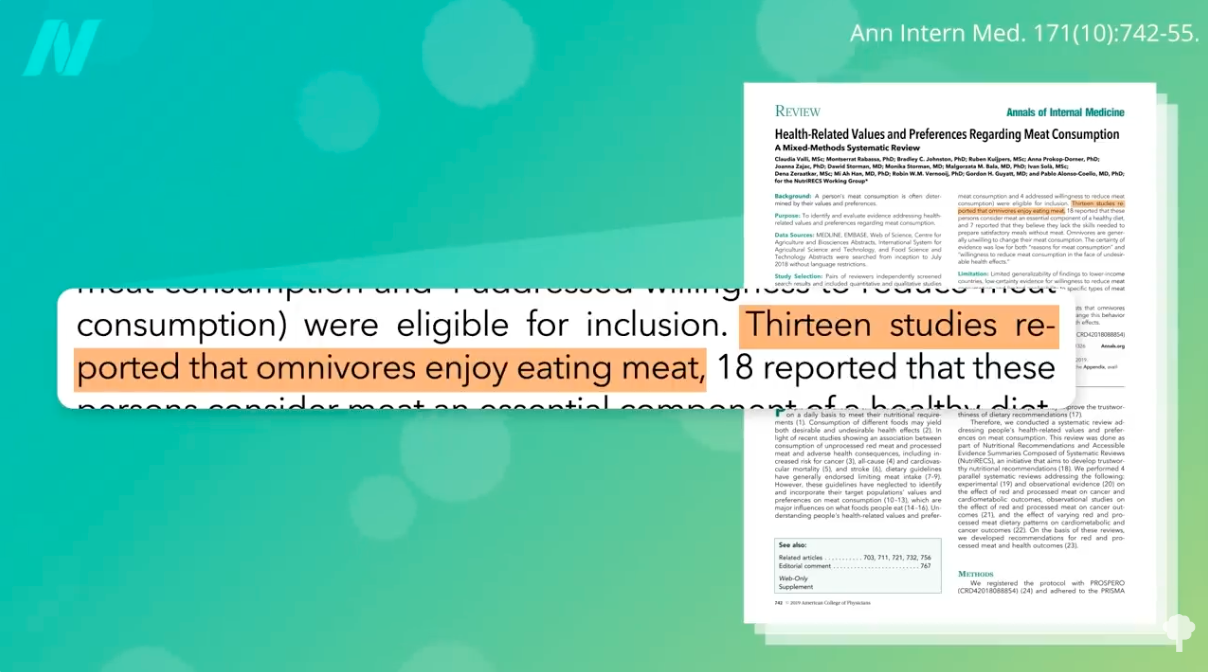
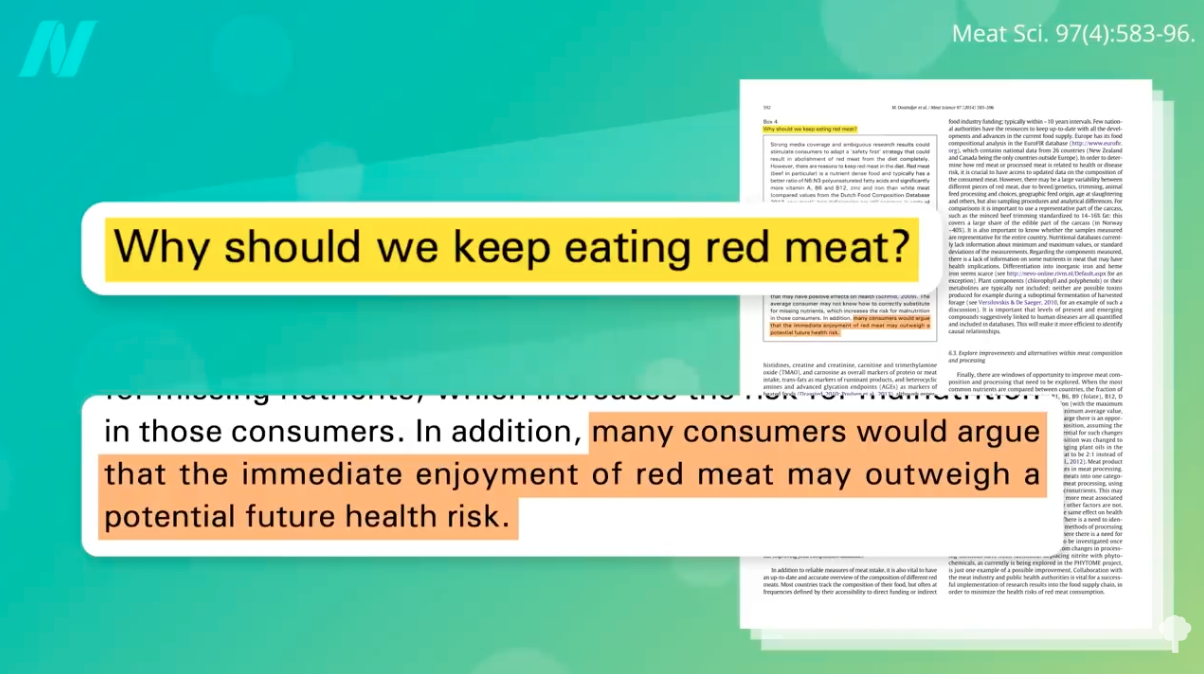
This justification has been compared by some critics to arguing that, because people enjoy the feeling of the wind in their hair, public health officials should stop recommending motorcycle helmets. The panel even went as far as to suggest that adhering to health-conscious dietary guidelines imposes a "taste cost" on consumers, implying that the immediate pleasure of eating processed meat should be balanced against, or even outweigh, the long-term risk of developing life-altering diseases. Dr. David Katz, the former director of Yale University’s Prevention Research Center, has been among the most vocal critics, arguing that guidelines which oppose the very data they are built upon are not science, but are instead "anti-science."
The Shadow of Industry Influence
The credibility of the NutriRECS panel has been further scrutinized due to its reported financial ties. It was revealed that the panel received support from groups with significant financial links to the meat industry, a sector that stands to benefit directly from guidelines that encourage the continuation of current consumption levels. This is not the first time NutriRECS has come under fire; the group previously published papers criticizing sugar guidelines while receiving funding from the candy and soda industries.
The fact that these recommendations were published alongside a press release stating there was "no need to reduce red or processed meat consumption for good health" has prompted petitions and protests from the scientific community. Critics argue that when a panel, which has received millions in funding from industry-aligned sources, produces guidelines that conveniently align with the commercial interests of those donors, the entire process of evidence-based medicine is undermined.
A Broader Pattern of Distortion
The implications of this episode extend far beyond the debate over bacon and burgers. Many experts fear that the use of such "questionable" methodologies could be used to weaken other public health guidelines. If we allow "consumer preference" and "taste cost" to dictate scientific recommendations, the foundation of preventative medicine begins to erode.
The discussion surrounding these papers is part of a larger, ongoing series investigating how corporate interests can impact public health policies. As research continues to explore the complexities of human health and the myriad factors contributing to the rise of chronic disease, the role of scientific integrity has never been more critical. The debate serves as a stark reminder that the translation of data into policy is not always a purely academic exercise; it is often a field where scientific evidence, human behavior, and powerful economic interests collide.
For the general public, the situation highlights the importance of discerning the source and the motivation behind health news. As the scientific community continues to evaluate the long-term health impacts of dietary choices, the emphasis remains on the established link between reduced consumption of processed and red meats and lower rates of premature death, heart disease, and cancer. While the "taste" of a meal is a subjective experience, the biological impact of nutrition on the human body remains a matter of clinical record, one that continues to point toward the long-term benefits of a diet focused on plant-based alternatives rather than the status quo favored by the meat industry.