
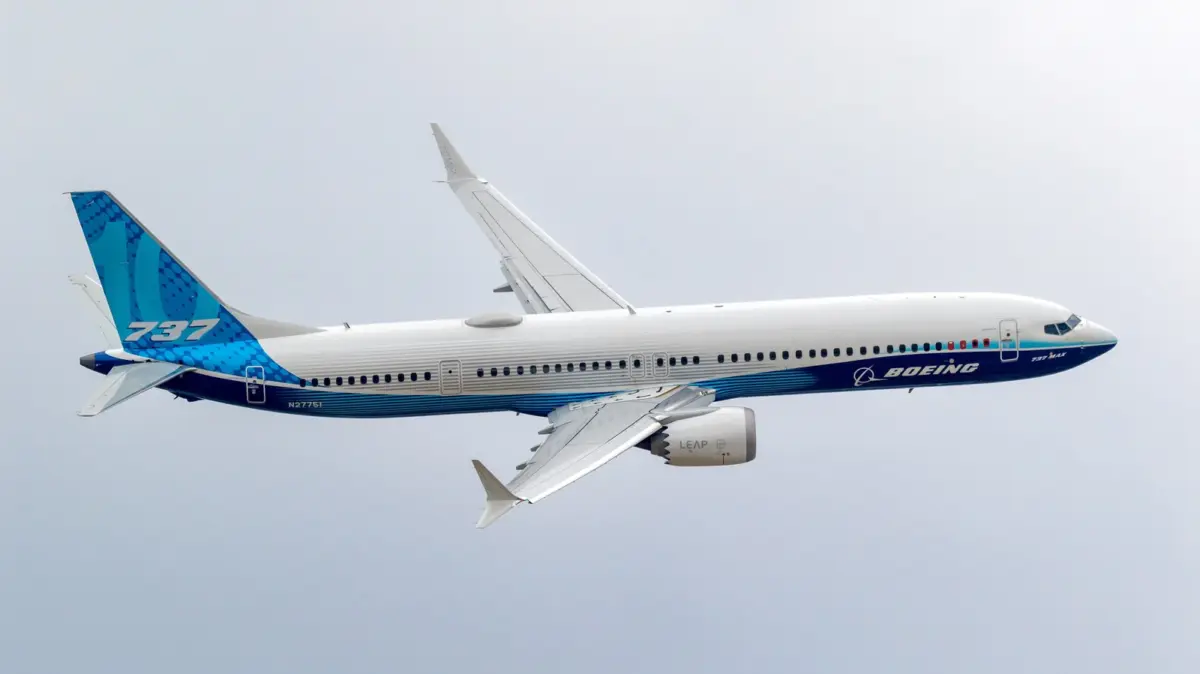
It has finally happened: the Federal Aviation Administration has officially certified the Boeing 737 Max 10, marking a monumental milestone that means the entire range of the company’s best-selling aircraft family is now suitable for commercial delivery to airlines in the United States and beyond. As the largest member of the 737 Max family, the 10 variant is capable of seating up to 210 passengers in a standard two-class configuration. This significant passenger capacity positions the aircraft as a long-awaited spiritual successor to the mid-size Boeing 757, filling a critical operational niche that airlines have sought to replace for years.
With this certification secured, the 737 Max 10 joins its operational siblings—the 8 and 9 variants, which have been flying commercial routes for years—as well as the smallest 7 variant, which achieved its own FAA certification just a few months prior. This regulatory clearance represents exceptional news for Boeing, a manufacturer that has recently found itself riding a notable hot streak. Alongside the completion of the Max family, the company recently recovered the regulatory authority to self-certify individual planes for safety under stringent oversight parameters and notably overtook its European archrival, Airbus, in annual sales volume.
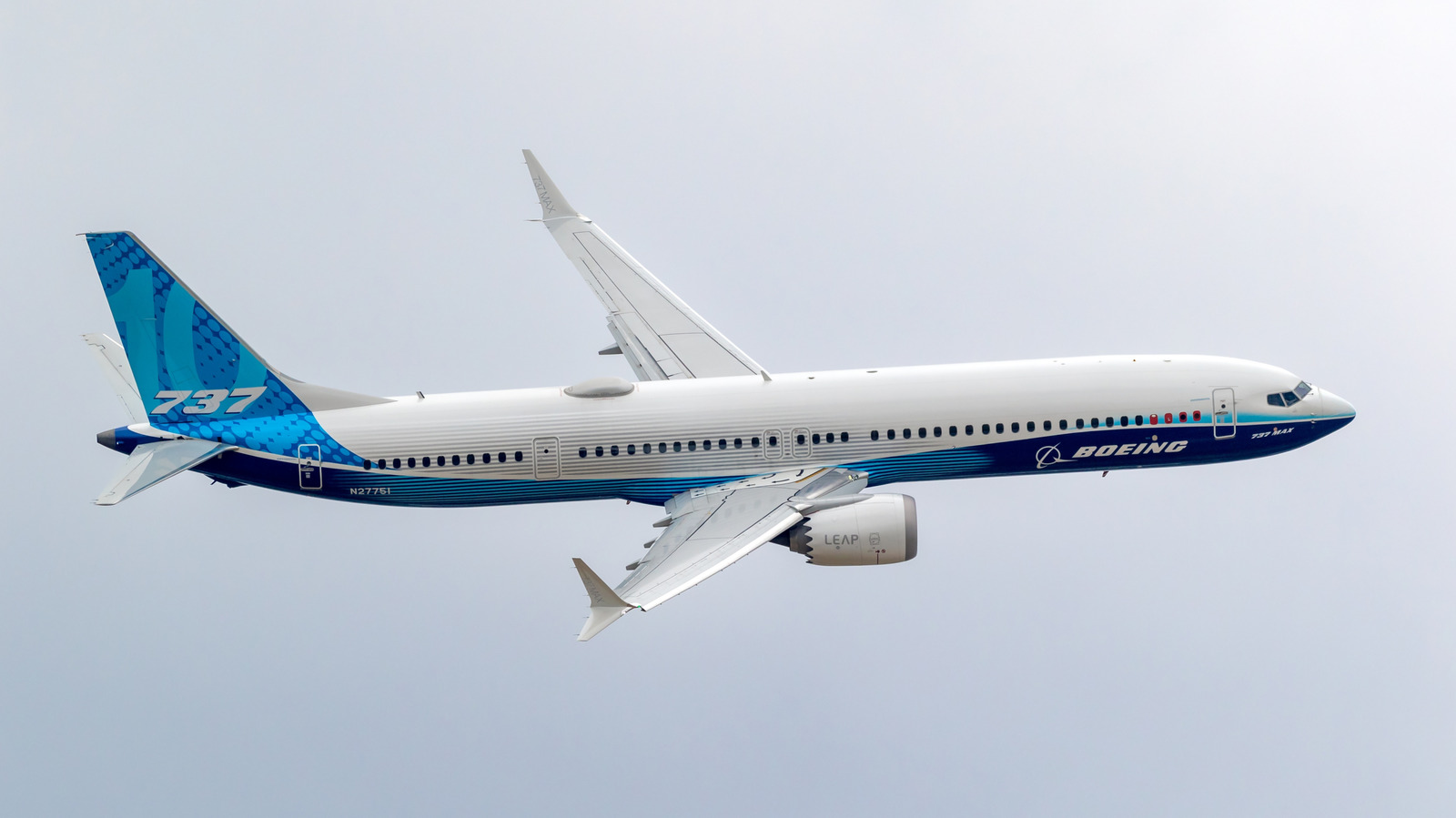
The journey toward the 737 Max 10’s certification was famously protracted, remaining stuck on the runway for a significant duration before finally achieving liftoff. The variant completed its maiden test flight way back in 2021, an era defined by intense regulatory scrutiny. Following the tragic 737 Max crashes of 2018 and 2019, the FAA approached Boeing with deep suspicion and subjected this specific model to an exhaustive, rigorous examination process. Furthermore, the legislative landscape shifted dramatically with the passage of the Aircraft Certification, Safety, and Accountability Act in 2020, which mandated substantially stricter oversight standards across the board. The 737 Max 10 has the distinction of being the very first aircraft to navigate this newly overhauled certification process, a complex undertaking that ultimately required five full years to complete. Alongside these regulatory hurdles, both Boeing and the FAA have openly acknowledged the presence of a minor software glitch affecting the navigation system, though officials have cleared the path forward, meaning the aircraft is fully flyable and passengers may well find themselves boarding one sometime next year.
What’s better about being bigger
Each iteration within the broader 737 Max family has been meticulously designed to serve a distinct operational purpose within modern airline networks. For the Max 10, its increased physical dimensions translate directly to enhanced economic efficiency, allowing carriers to handle high-density route traffic utilizing fewer total flights. According to official data from Boeing, this capability grants the aircraft the lowest per-seat operating cost of any single-aisle airplane currently available on the market. Functionally, this makes it a direct, modernized replacement for the aging 757 fleet, an operational solution that the commercial aviation sector has anticipated for a very long time.
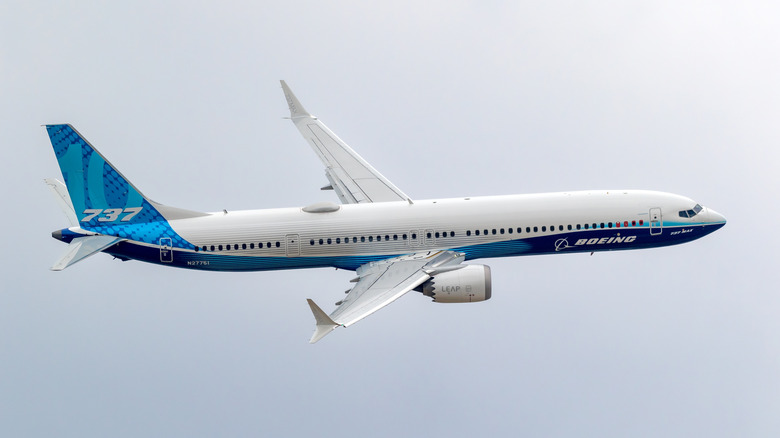
Despite its impressive capacity, the 10 variant comes with trade-offs regarding its operational range. With a maximum range of 3,100 nautical miles, the Max 10 can comfortably cover a broad array of domestic and regional routes; however, this represents the shortest range of any 737 Max variant, which naturally limits its flexibility to some degree. By contrast, the compact 7 variant boasts a range of 3,800 nautical miles, enabling it to service the vast bulk of standard routes despite being restricted to a maximum capacity of 160 passengers in a two-class layout. Nevertheless, the smaller 7 variant’s lighter overall weight makes it exceptionally well-suited for operations out of high-altitude or high-temperature airports where performance margins are tight.
Meanwhile, the all-around market champions of the family remain the 8 and its closely related twin, the 9, aircraft that frequent flyers have undoubtedly experienced firsthand. The 737 Max 8 can accommodate up to 180 passengers while flying distances of up to 3,500 nautical miles, while the slightly larger 9 variant can transport up to 195 passengers across a 3,300-nautical-mile range. The commercial success of these two combined variants has propelled the entire 737 Max lineup to become Boeing’s top-selling aircraft family of all time. Securing the official certification for both the extreme ends of the spectrum—the tiny 7 and the massive 10—adds substantial momentum to an already triumphant sales era.
This momentum is hardly insignificant, given that over 30 percent of all current 737 Max backlog orders are specifically for the 10 variant. Industry reports from Simple Flying indicate that Canadian carrier WestJet is slated to become the launch customer for these shiny new aircraft, expecting deliveries in early 2027, provided that Canadian aviation regulators grant their own concurrent type certifications. Following that initial rollout, Boeing will systematically begin fulfilling its massive backlog of orders, which totals an impressive 1,555 aircraft destined for various customer airlines all over the world. With this massive regulatory hurdle cleared, Boeing’s attention can now pivot fully toward advancing other major projects, including inching the long-delayed 777X closer to its own eventual certification.