
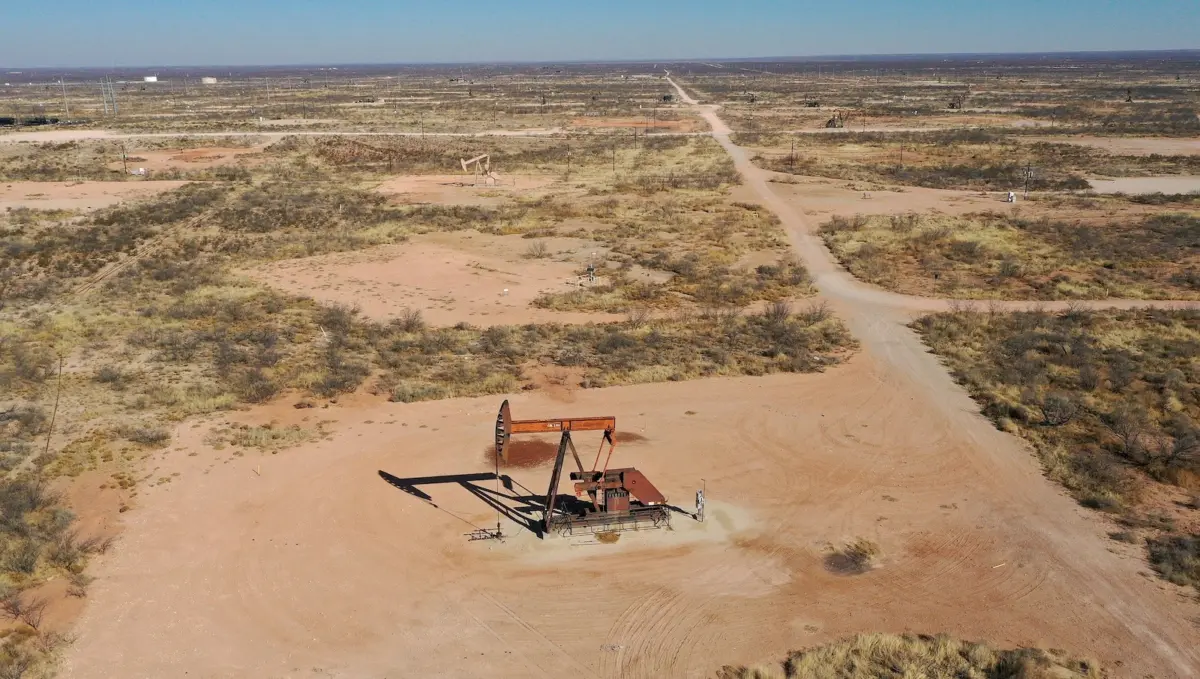
President Donald Trump announced during a campaign rally in Texas that his administration is moving to dismantle key federal restrictions on methane, a potent planet-warming greenhouse gas. The long-awaited policy shift, developed by the Environmental Protection Agency (EPA) in response to intense pressure from the oil and gas industry, is designed to revise a sweeping Biden-era rule that targeted methane leaks and mandated strict emission-control requirements.
Speaking to supporters in Lubbock, Texas, where he was campaigning for Ken Paxton’s bid for the Senate, the president framed the move as a major victory for American energy producers and consumers.
"Tonight I’m officially terminating Biden’s expensive and unnecessary methane regulations to save consumers and energy producers $45 billion in costs, unlock vast quantities of Texas natural gas, and produce 210 million barrels of oil," Trump told the crowd.
The announcement follows months of preparation by the EPA, which has argued that the previous administration’s regulations posed a monumental threat to the economy and placed an undue burden on domestic energy producers. The EPA formally began the process of rescinding the standards after halting enforcement in March 2025.
The newly proposed rule dismantles several core components of the Biden administration’s 2023 regulations, which were finalized under the Clean Air Act as part of one of the most ambitious federal efforts ever undertaken to reform the oil and gas sector. Specifically, the new EPA proposal cancels the Super Emitter Program, which utilized satellite imagery and other advanced remote-sensing technologies to pinpoint large methane leaks and require prompt remediation by operators. It also rolls back limits on routine flaring—a process in which excess natural gas is burned off rather than captured—loosens monitoring requirements for specific types of wells, and grants operators a shortened or more lenient 30-day window to repair identified leaks.
Environmental and public health advocates immediately condemned the decision, warning that the weaker restrictions will exacerbate global warming and degrade air quality in communities situated near drilling operations.
"Any proposed rollback to the federal methane rule is a slap in the face to families who are exposed to oil and gas pollution where they live, work, and play," said Celerah Hewes, a campaign manager at Moms Clean Air Force. Hewes and other activists recently protested outside an industry conference in New Mexico where EPA Administrator Lee Zeldin outlined the agency’s deregulatory agenda.
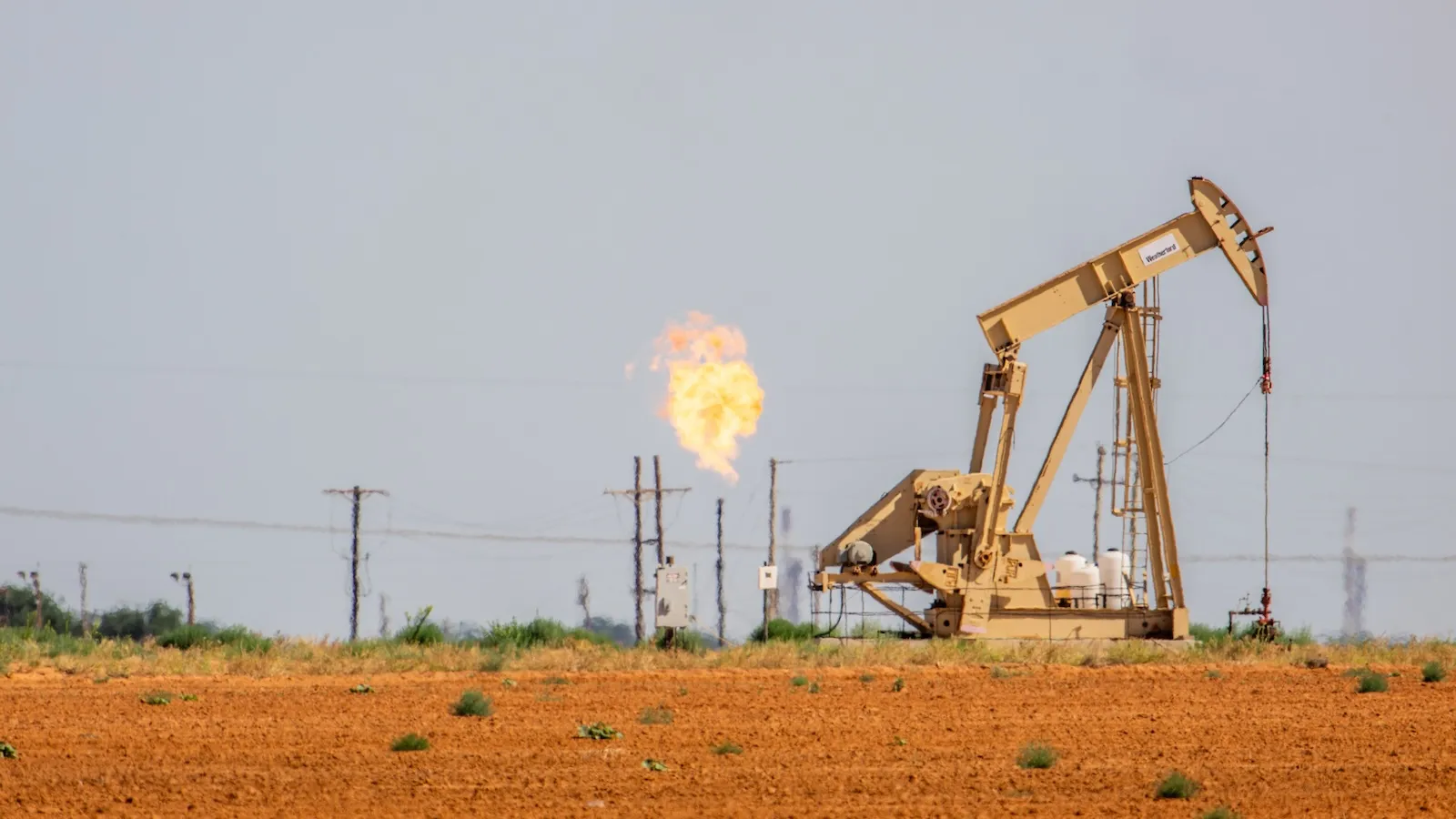
Methane, the primary component of natural gas used to heat homes, is emitted by oil and gas operations, landfills, and agricultural activities. Although it accounts for roughly 12 percent of total greenhouse gas emissions in the United States, its warming potential is extraordinary. According to scientific assessments, methane is roughly 80 times more potent at trapping heat in the atmosphere than carbon dioxide over a 20-year period, making short-term reductions critical to managing near-term climate change.
"Cutting methane emissions from the oil and gas industry is the fastest way to fight climate change," said Tsion Amare, a policy expert at the Environmental Defense Fund. "This rule could severely set back the advances we’ve made over the years."
When the Biden administration finalized its methane regulations at the end of 2023, supporters hailed them as some of the strongest in the world, positioning the United States as a global leader in curbing short-lived climate pollutants. The EPA at the time estimated that the rule would prevent 58 million tons of methane from entering the atmosphere over a 15-year span while recovering 400 billion cubic feet of natural gas—enough to heat nearly 8 million American homes during the winter months.
The methane rollback is part of a broader, systemic dismantling of Biden-era environmental policies under the banner of the Trump administration’s "energy dominance" agenda. Just last month, the EPA repealed a rule limiting carbon emissions from power plants, a decision expected to extend the operational lifespan of coal-fired facilities. In official proclamations designating October as "National Energy Dominance Month," the administration has touted its efforts to open millions of acres of public land to oil, gas, and coal development, approve thousands of new drilling permits, and withdraw from international climate agreements.
"The Trump EPA is committed to fixing this so the U.S. can reach its full energy potential," Zeldin said in a recent statement regarding the methane framework.
A significant point of contention in the debate centers on low-producing "stripper" wells, which stand to benefit substantially from the relaxed oversight. While these marginal wells account for only about 5 percent of the nation’s total oil and gas production, they are responsible for more than half of the industry’s total methane emissions. Investigative reporting by ProPublica has highlighted the growing influence of lobbyists representing these operations during the second Trump administration. Among them, Jeffery Hildebrand, the owner of Hilcorp Energy Company—a major buyer of stripper wells—ranks as one of the oil industry’s largest political donors to Trump campaigns.
"Under crooked Joe Biden, Democrats crushed the small oil and gas operators," Trump said during his announcement, adding that "they’re great operators too."
Energy experts note that this rhetoric relies on a misleading narrative. While stripper wells are frequently portrayed as the domain of struggling "mom-and-pop" businesses lacking the financial capital to comply with rigorous environmental standards, data shows a different reality. Darin Schroeder, methane legal and regulatory director at the Clean Air Task Force, pointed out that more than half of these marginal wells are owned by large corporations controlling thousands of assets. Hilcorp Energy Company, for example, is estimated to own nearly 19,000 low-producing wells, while another firm, Diversified Energy, controls more than 50,000.
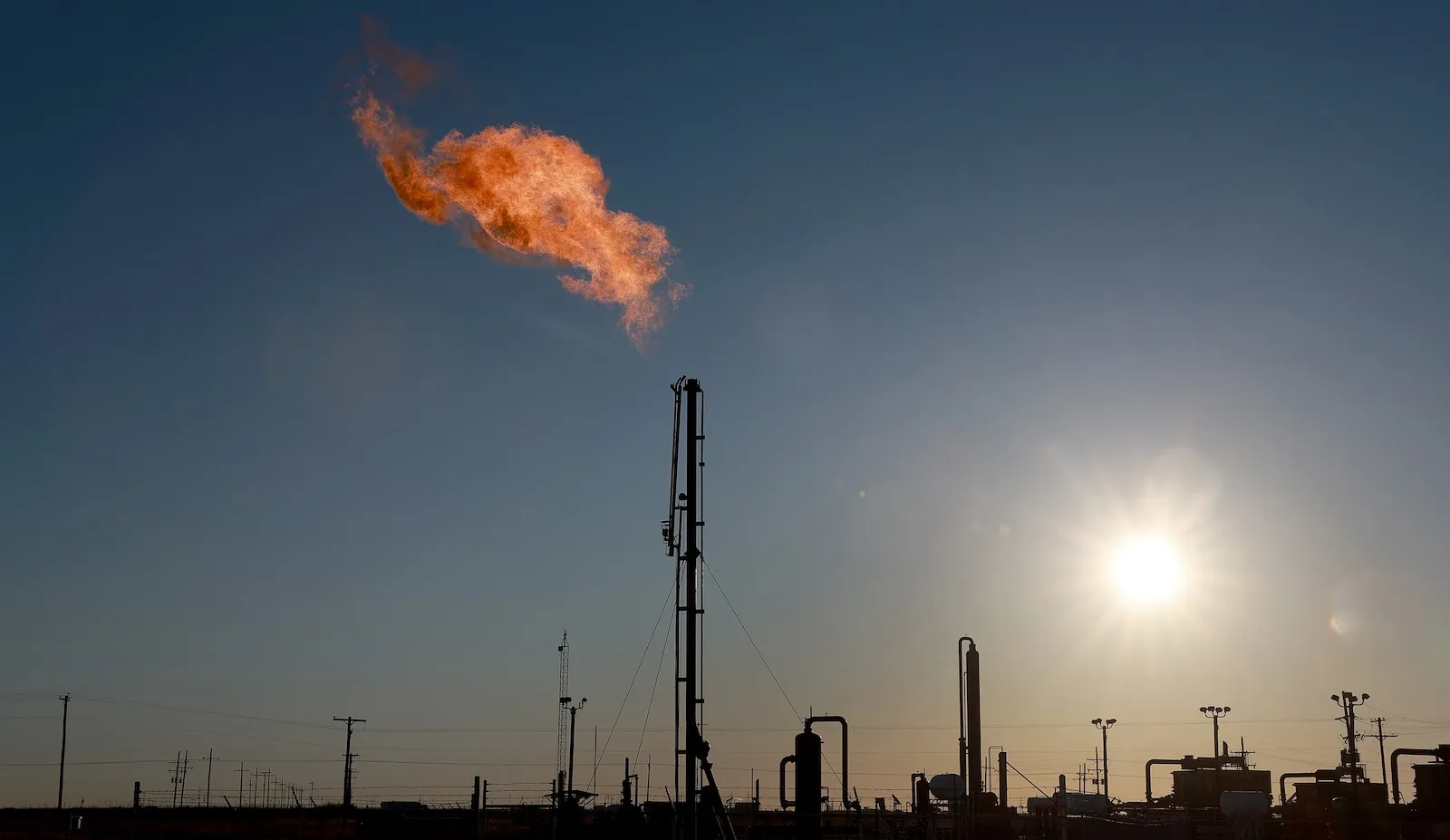
"Just because they’re a marginal producer doesn’t mean they’re a marginal polluter," Schroeder said. He added that exempting these sources from strict leak-detection and repair mandates will severely undermine national climate goals. "Reducing methane in the short term really gives you a big bang for your buck, and gives us more of an on-ramp to address carbon dioxide."
Beyond the climate implications, environmental groups emphasize that oil and gas operations release a cocktail of harmful co-pollutants that directly threaten public health. The Biden-era regulations incidentally captured hazardous air toxins, such as benzene—a known carcinogen—and volatile organic compounds that contribute to the formation of ground-level ozone. Elevated ozone levels damage lung tissue and exacerbate chronic respiratory conditions like asthma.
Roughly one in ten Americans currently live in counties containing more than 1,000 stripper wells, placing them on the front lines of potential exposure. Texas, as the nation’s top energy producer, faces some of the highest potential impacts. Amare, based in Dallas, noted that the state hosts an estimated 136,000 stripper wells, with public health consequences frequently falling disproportionately on communities of color located near drilling sites in regions like the Eagle Ford Shale.
While the previous federal framework relied on states to implement reduction plans, Texas has repeatedly delayed adopting the necessary regulatory frameworks. Without federal oversight, experts warn that the state—responsible for roughly 19 percent of total U.S. methane emissions—is unlikely to curb its output independently.
Conversely, several other states maintain more stringent state-level methane standards. Jurisdictions such as Colorado and New Mexico have established rigorous independent rules, while states like Pennsylvania have pursued compliance pathways that make them less likely to dismantle their standards in lockstep with federal rollbacks.
Furthermore, economic arguments for capturing gas persist independently of federal mandates. An analysis by the Environmental Defense Fund calculated that New Mexico has saved an estimated $125 million annually by capturing natural gas that would otherwise have been lost to leaks, venting, or flaring. The organization also estimates that the broader U.S. industry has lost roughly $7 billion worth of valuable natural gas since the Trump administration initially suspended enforcement of the federal methane rules last year.
"All of this waste of gas is something that definitely needs to be discussed more," Amare said.