
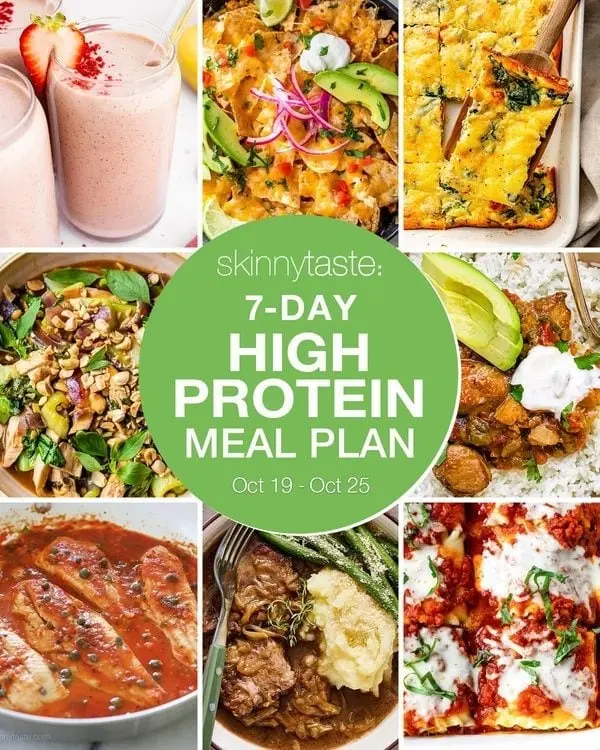
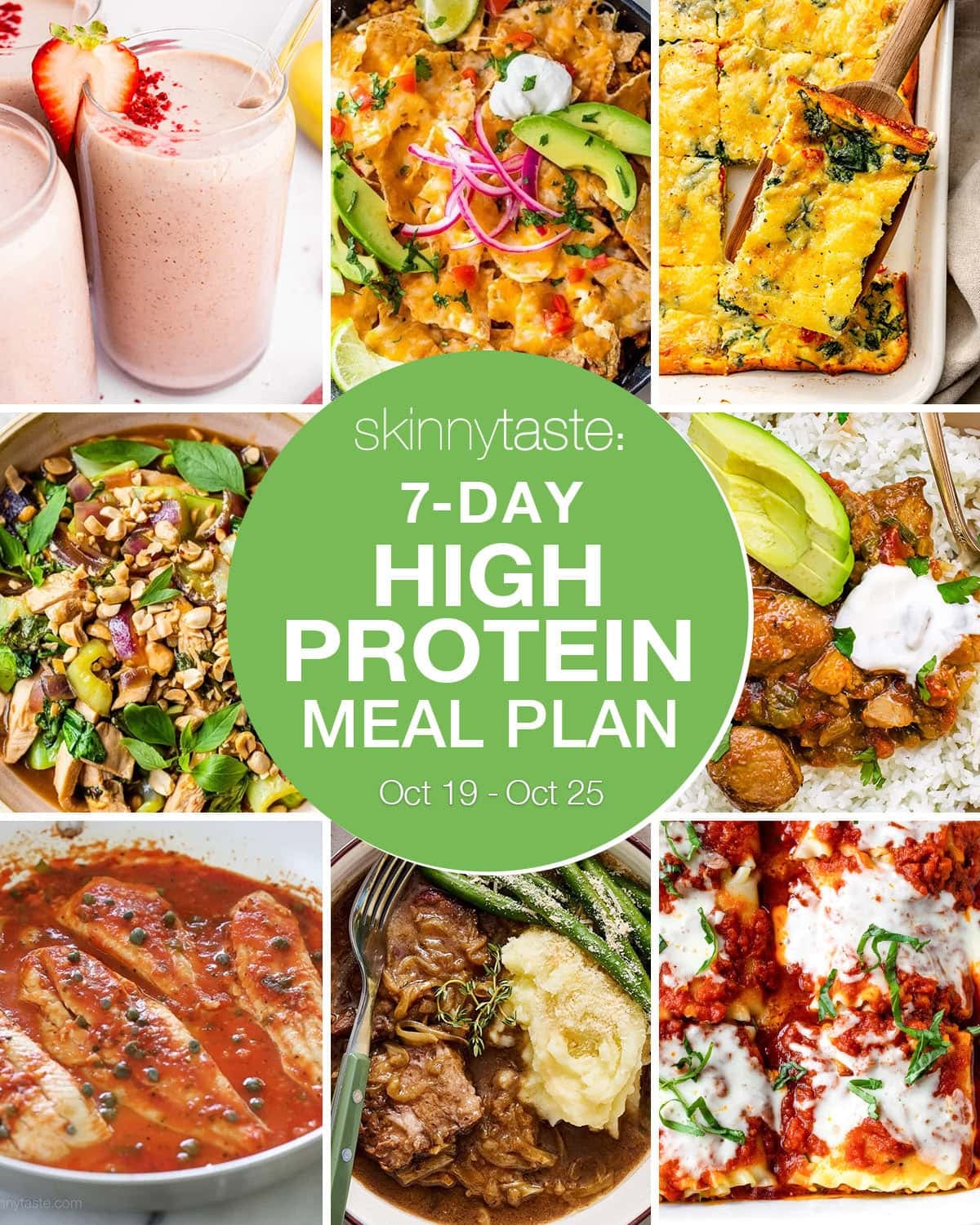
As the autumn season settles in, many individuals are looking for ways to transition their dietary habits toward more comforting, sustaining, and nutrient-dense options. In response to growing interest in muscle health and long-term satiety, a new 7-day high-protein meal plan has been released, offering a structured approach to nutrition that integrates seasonal flavors with clear macronutrient tracking. This comprehensive guide, which includes breakfast, lunch, and dinner suggestions, is designed to help home cooks navigate their health goals without sacrificing the joy of seasonal eating.
The importance of protein in a balanced diet has become a central focus for many health-conscious individuals, particularly as research continues to highlight the role of protein in muscle preservation and appetite regulation. For many, the challenge lies not in the desire to eat healthier, but in the logistics of planning and preparation. This latest resource aims to bridge that gap by providing a cohesive framework that emphasizes efficiency and nutritional transparency. Every recipe included in the plan features detailed macronutrient information, and for those participating in the Weight Watchers (WW) program, the meals are fully compatible with the platform’s point-tracking system.
The Role of Protein in Daily Wellness
The shift toward higher protein intake is often driven by a desire for improved metabolic health and greater satiety throughout the day. By consistently hitting protein targets, many individuals find that they are better equipped to avoid the common pitfalls of snacking on processed foods or simple sugars during mid-afternoon or late-evening lulls. A common strategy employed by nutrition experts is to distribute protein intake evenly across all meals. For an individual targeting approximately 120 grams of protein per day, this often translates to roughly 30 grams per primary meal, supplemented by smaller, protein-rich snacks.
While the benefits of a protein-focused diet are well-documented for many, it is essential to approach dietary changes with an understanding of individual health requirements. Protein needs can vary significantly based on age, activity level, and underlying health status. Individuals with specific medical conditions—such as kidney or liver disease, gout, or certain metabolic disorders—should exercise caution and consult with a healthcare provider or a registered dietitian before making significant changes to their protein intake. As with any nutritional framework, the provided meal plan is intended to serve as a versatile guide rather than a rigid prescription, allowing for adjustments based on personal caloric needs and metabolic health.

Adapting to Modern Nutritional Guidelines
The landscape of nutritional tracking is constantly evolving, as seen with recent updates to the Weight Watchers points system. The inclusion of new zero-point foods, such as oatmeal, reflects a broader trend toward prioritizing whole, minimally processed ingredients. Keeping up with these changes can be a logistical challenge for home cooks who rely on established recipes. To address this, current resources have been integrated with modern digital tools, such as the mobile-based WW recipe builder, which allows users to automatically generate accurate point values for their meals. This ensures that even as nutritional guidelines shift, the tools available for tracking remain precise and relevant.
The seasonal aspect of the plan is equally important, particularly as the cooling weather invites a return to heartier, warmer dishes. Incorporating seasonal staples like sweet potatoes, kale, and pumpkin allows for a diverse palate that remains aligned with high-protein goals. Recipes such as Sweet Potato Soup with Sausage and Kale or Pumpkin Lasagna Skillet demonstrate how comfort food can be reimagined to support fitness objectives, providing a satisfying dining experience that aligns with seasonal trends.
Structuring a Successful Weekly Plan
A successful meal plan acts as a roadmap for the week, reducing the mental fatigue associated with daily decision-making. The current 7-day plan is thoughtfully structured: breakfast and lunch are designed for the individual, while dinners and weekend meals cater to a family of four. This approach acknowledges the reality of modern life, where quick, easy lunches are often necessary during the work week, but family-oriented dinners remain a priority in the evenings. By including a comprehensive shopping list, the plan simplifies the grocery procurement process, ensuring that all necessary ingredients are on hand.
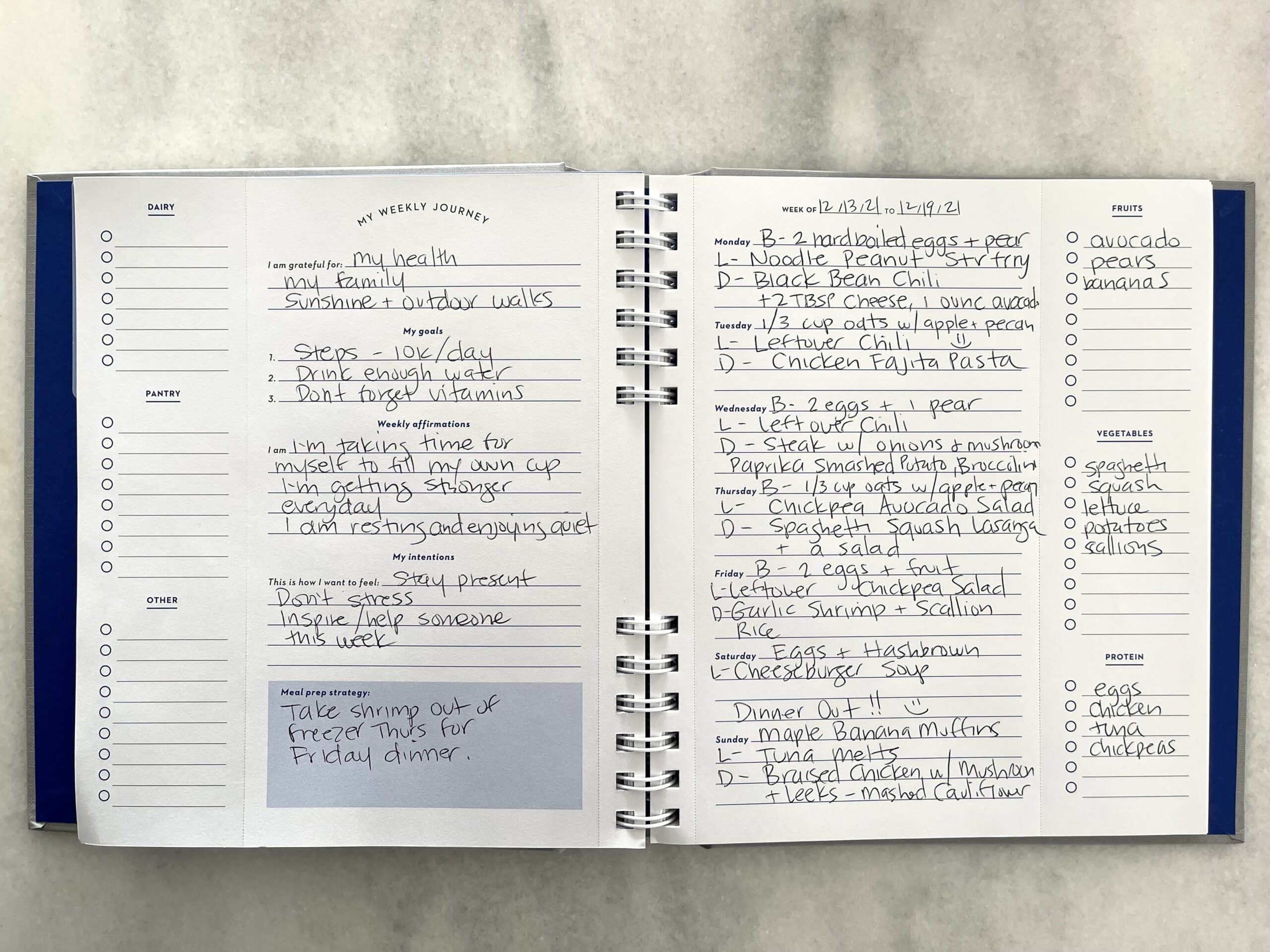
Consistency is a key component of any dietary habit, and the community aspect of this plan plays a significant role in its success. Engaging with others who are following similar nutritional paths can provide motivation and a sense of shared experience. Through digital platforms and community groups, individuals can share their own interpretations of the recipes, exchange tips for preparation, and find encouragement. Furthermore, the integration of structured meal planning tools, such as the 52-week spiral-bound planner, offers a tangible way for people to document their progress, set intentions, and practice mindfulness—a vital, yet often overlooked, component of a healthy relationship with food.
Practical Considerations and Flexibility
While the plan provides a framework for healthy eating, it is intentionally designed with "wiggle room." Nutritional needs are rarely static; they fluctuate based on a person’s daily energy expenditure, stress levels, and recovery needs. The plan encourages users to listen to their bodies and supplement with additional fruits, vegetables, beverages, or snacks as needed to reach a comfortable caloric intake. For many women, a target of approximately 1,500 calories per day serves as a baseline, but this figure is highly individual. Utilizing resources like government-backed calculators can help users better estimate their specific energy requirements, ensuring that the meal plan serves as a foundation for health rather than a source of restriction.
The commitment to high-protein, nutritionally balanced cooking is a long-term endeavor. As interest in these methods grows, so too does the body of work dedicated to making them accessible. Whether through the development of specialized cookbooks or the ongoing refinement of online meal plans, the objective remains the same: to make high-quality, protein-rich eating an approachable and sustainable part of daily life. For those seeking to sharpen their focus on nutrition this autumn, the current 7-day plan offers a robust starting point, balancing the need for structure with the flexibility required for real-world living. By focusing on seasonal ingredients and clear, manageable goals, individuals can foster a healthier lifestyle that is as enjoyable as it is effective.