

A comprehensive new scientific assessment tracking more than a dozen of the Earth’s core life-sustaining systems paints an increasingly alarming picture of the global environment. Published in the journal BioScience, the seventh annual State of the Climate report demonstrates how accelerating global warming is driving profound transformations across the planet’s overall health and destabilizing the earth’s climate architecture as a whole.
The findings indicate that key planetary climate indicators are moving rapidly in the wrong direction. Greenhouse gas emissions, global sea level rise, declining glacier thickness, and shrinking ice mass are all worsening at unprecedented rates. The report’s authors emphasize that these escalating shifts should no longer be interpreted merely as warning signs concerning a distant, hypothetical future. Instead, they argue, the data amounts to a definitive medical diagnosis of how human-induced climate change is directly impacting the planet today—and a clear trajectory of where ecological conditions are heading unless human behavior undergoes rapid and sufficient transformation.
Concentrations of primary greenhouse gases, including carbon dioxide, methane, and nitrous oxide—stemming predominantly from the continuous burning of fossil fuels—climbed to record-high levels over the past year. Concurrently, glacier thickness and the ice mass of Greenland have plummeted to record lows. The analysis also highlights severe disruptions to the Earth’s energy imbalance, a crucial metric measuring the net difference between the solar energy absorbed by the planet and the amount of thermal energy that successfully escapes back out into space. This imbalance has continued to rise steadily, serving as a primary indicator that the planet is steadily and dangerously accumulating heat.
Out of the 16 primary climate indicators evaluated by the research team, an astonishing seven—representing 44 percent of the total monitored metrics—currently stand at record extremes. The paper further explores perilous positive feedback loops, detailing how existing climatic warming is increasingly accelerated by secondary phenomena such as widespread wildfires and the progressive thawing of Arctic permafrost. Both of these processes release vast quantities of trapped greenhouse gases back into the atmosphere, while simultaneously being amplified by the warming climate itself.
While the crisis is broad, the authors intentionally focused a significant portion of their analysis on how human activities within agriculture, transportation, and energy consumption—spheres of activity that remain fundamentally within human control—drive these destabilizing trends. Changes implemented within the global food system, in particular, present some of the most immediate and accessible opportunities for individuals and societies to help curb greenhouse gas emissions, with a primary focus on reducing atmospheric methane.
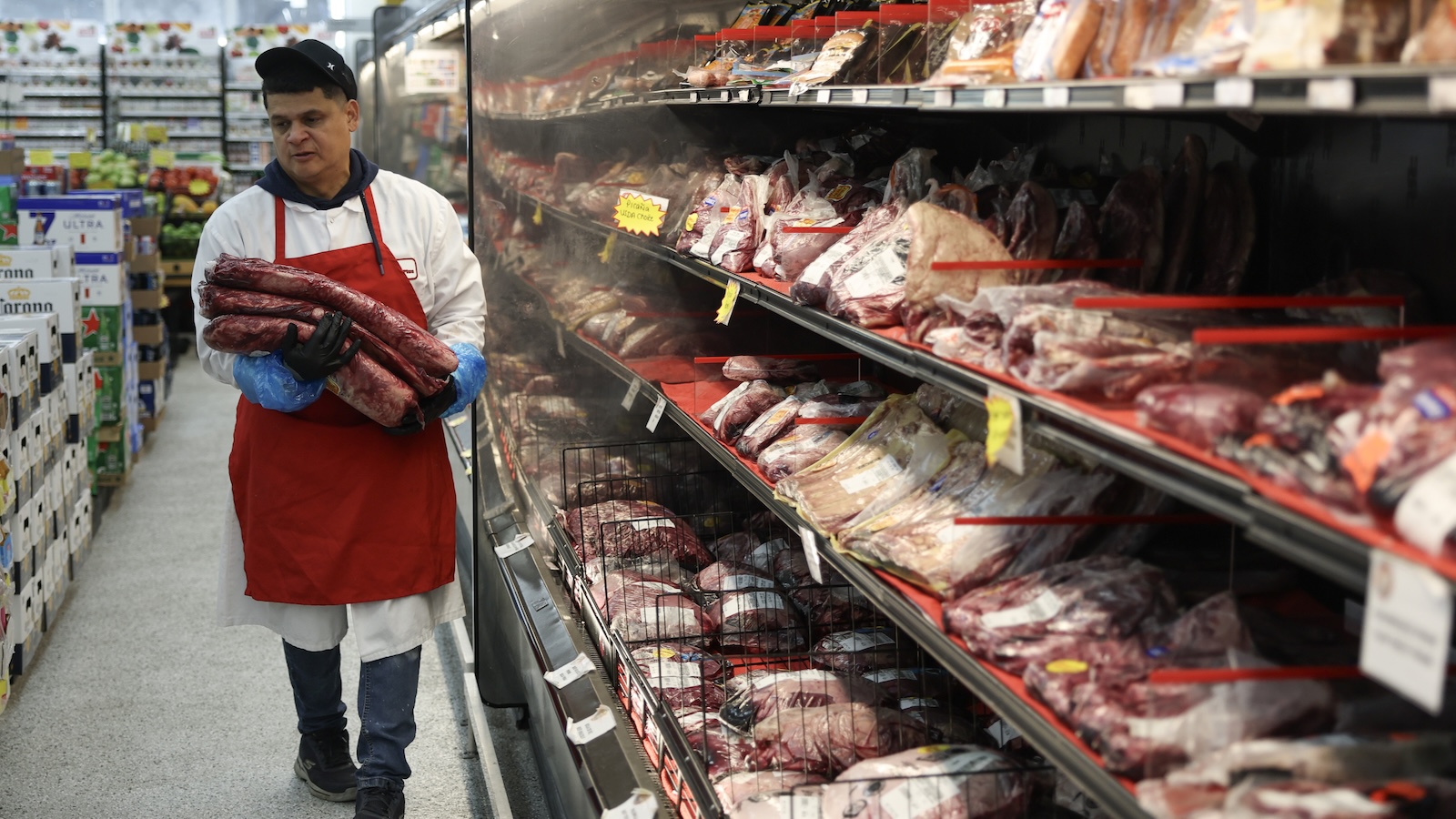
That potential stems directly from the biological nature of livestock raised for human consumption. Animals such as cattle, sheep, and goats—collectively known as ruminants—emit substantial quantities of methane as a natural byproduct of their specialized digestive processes. According to the new study, the global population of ruminant livestock reached higher numbers in 2024 than at any point since the 1960s. Alongside this booming livestock population, per capita meat production also reached an all-time record high.
These dual metrics reflect profound and accelerating pressures originating from the modern global food system, according to William Ripple, a professor of ecology at Oregon State University and one of the lead authors of the report. They underscore meat’s steadily expanding footprint within the global diet, as well as the mounting environmental toll exacted by that dietary shift. Ripple noted that the research team specifically scrutinized ruminant livestock populations because methane is an extraordinarily potent greenhouse gas. Although methane remains in the atmosphere for a relatively short duration—roughly a decade—its capacity to trap heat in the short term is 28 times more effective than that of carbon dioxide.
That specific characteristic, however, conceals a vital silver lining: because methane breaks down relatively quickly compared to carbon dioxide, aggressive efforts to reduce methane emissions represent one of the most immediate and effective tools available to humanity for curbing global warming in the near term.
One of the most direct avenues for achieving this reduction is through altering production patterns and human consumption habits surrounding meat. Ripple emphasized that this represents a crucial opportunity for climate action that is frequently overlooked in mainstream policy debates. Shifting toward more plant-based diets, particularly within industrialized nations characterized by traditionally high rates of meat consumption, could yield a profoundly meaningful environmental difference.
Beyond its atmospheric impact via methane, raising cattle for human consumption serves as one of the single primary drivers of global deforestation. The clearing of vast tracts of forested land to establish grazing pastures or grow feed crops contributes heavily to global warming by systematically eliminating vital natural carbon sinks. Timothy Searchinger, a senior research scholar at Princeton University who specializes in the complex relationship between agriculture and the global climate, noted that humanity cannot realistically hope to solve the climate crisis without halting the destruction of such carbon-rich habitats. Searchinger, who was not involved in the drafting of the BioScience report, asserted that stopping this widespread land clearing is likely impossible unless populations in the world’s wealthy nations choose to eat significantly less meat, and beef in particular.
Searchinger suggested that modest dietary adjustments, such as consuming an average of 1.5 hamburgers per week instead of three, represent a practical and basic way for individuals, particularly in the United States, to directly help address the global climate challenge.
Ripple and his co-authors also highlighted that maintaining such extraordinarily high levels of meat production creates a fundamentally inefficient global agricultural system. Cattle require vast expanses of land for grazing, while farmers are compelled to dedicate additional millions of acres of fertile soil to cultivate intensive feed crops like corn and soy that ultimately go toward feeding livestock rather than humans. That same productive land could otherwise be repurposed to cultivate natural ecosystems capable of actively sequestering carbon or to grow nutrient-dense crops that feed human populations directly.
At a historical juncture when accelerating climate change poses a mounting threat to global food security, Ripple argued that society can ill afford an agricultural system that utilizes such a massive share of its productive capacity with such profound inefficiency.
The bottom line, according to the researchers, is that there is simply no viable pathway to successfully addressing global warming without simultaneously overhauling what humanity eats and how those foods are produced. As global demand for meat continues to climb, it places an unsustainable level of strain on the climate, available land, and dwindling water supplies at a time when all three vital resources are already operating under severe systemic stress.