
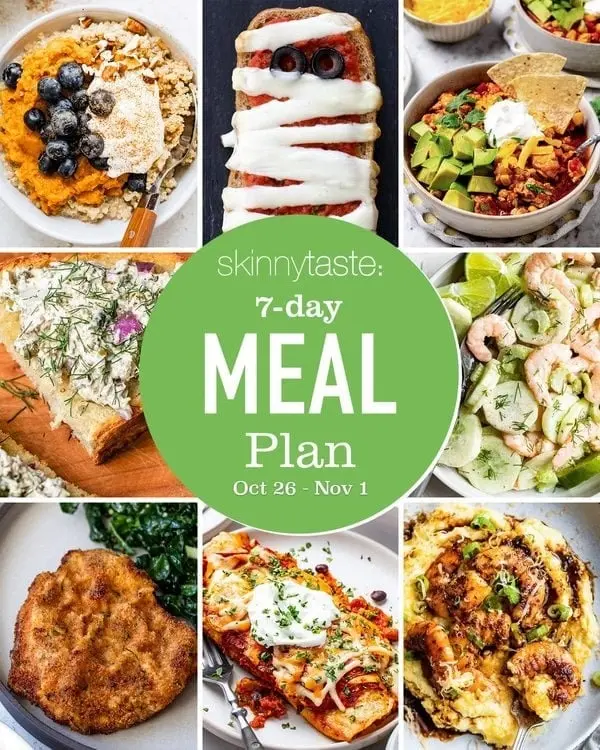
As October draws to a close and the calendar inches toward the start of November, households across the country are balancing the excitement of seasonal festivities with the perennial challenge of maintaining healthy nutritional habits. For many, this transition period presents a unique culinary dilemma: how to embrace the indulgence of the holiday season while keeping fitness and dietary goals on track. To assist with this balance, a new, comprehensive 7-day flexible meal plan has been released, offering a structured yet adaptable approach to healthy eating during one of the most tempting times of the year.
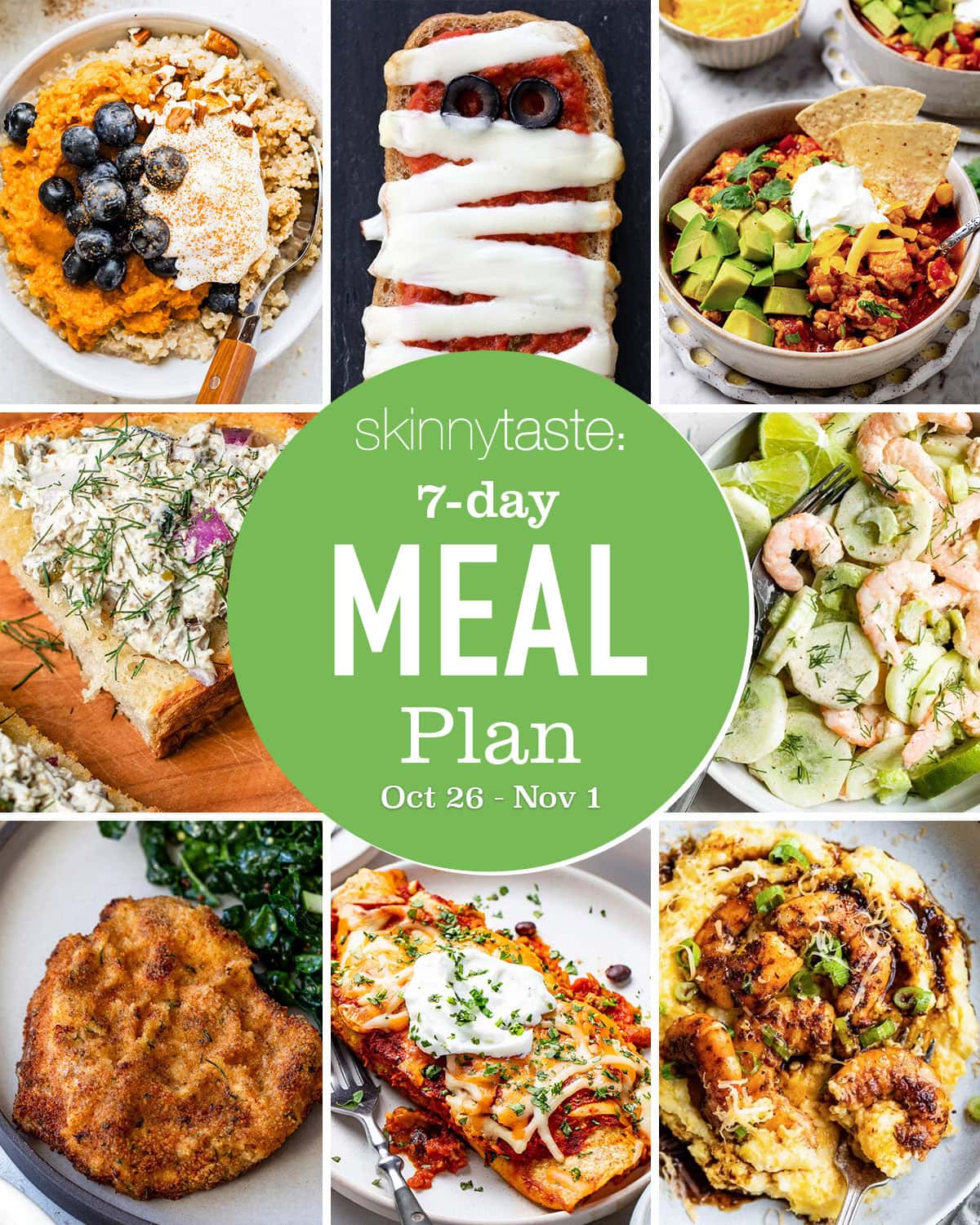
The latest plan, designed to take the guesswork out of daily nutrition, provides a full suite of breakfast, lunch, and dinner ideas, complete with an integrated shopping list to streamline the grocery experience. By incorporating specific macros and Weight Watchers points for every recipe, the plan aims to provide transparency for those tracking their intake. This resource arrives just as many are preparing for Halloween-themed gatherings, offering healthy alternatives that do not sacrifice the spirit of the holiday. From festive "Mummy Hot Dogs" to "Banana Ghost Pops," the menu demonstrates that seasonal treats can be incorporated into a health-conscious lifestyle without disrupting progress toward personal wellness goals.
The Philosophy of Flexible Planning
At its core, this meal plan is built on the premise of flexibility. Rather than presenting a rigid, prescriptive regimen, the guide is intended to function as a framework. Recognizing that dietary needs are highly individual, the plan encourages users to view the suggestions as a starting point. There is significant "wiggle room" built into the schedule, allowing individuals to incorporate extra snacks, beverages, coffee, or favorite desserts depending on their specific caloric requirements.
Experts generally emphasize that there is no "one size fits all" approach to nutrition. Factors such as age, activity level, metabolism, and weight-loss goals play a significant role in determining how many calories an individual requires. While this specific plan provides a guide, it emphasizes that many women, for example, should aim for a baseline of at least 1,500 calories per day. By providing a structure that can be easily modified, the plan empowers users to listen to their bodies and adjust their intake accordingly, ensuring that the process of healthy eating feels sustainable rather than restrictive.
Economic and Practical Benefits of Organization
Beyond the physiological benefits of a balanced diet, the primary advantage of this structured approach is the reduction of logistical stress. In an economic climate where grocery prices have remained a significant concern for many families, the ability to plan meals effectively has become more than just a health strategy—it is a vital financial tool. When consumers head to the grocery store with a precise, organized list, they are statistically more likely to stick to their budget, reduce impulse purchases, and minimize food waste.
The act of meal planning acts as a buffer against the convenience-driven temptation to dine out. By ensuring that nutritious ingredients are already on hand, the barrier to preparing a healthy meal at home is significantly lowered. This consistent preparation leads to fewer instances of last-minute food ordering, which can often be both expensive and nutritionally inconsistent. By providing a comprehensive list that covers a full week of meals, the plan aims to save both time and money, fostering a more intentional relationship with the household pantry.

A Look at the Weekly Menu
The logistics of the plan are designed to optimize efficiency, particularly for those with busy work-week schedules. Breakfast and lunch selections from Monday through Friday are portioned for a single person, making them ideal for individuals or those looking to simplify their midday routine. Conversely, dinner recipes and all meals during the weekend are designed to serve a family of four, acknowledging that weekend cooking often involves shared meals and a slightly different pace.
The week begins on Monday, October 26, with a focus on high-protein, nutrient-dense options like Chorizo Egg Bites and a refreshing Sardine Salad served on sourdough. As the week progresses, the menu introduces variety, featuring Spicy Sriracha Tofu Rice Bowls and Turkey and Black Bean Enchiladas. The mid-week transition on Wednesday includes a savory Chicken Curry paired with Turmeric Basmati Rice and peas—a recipe that provides enough volume to serve as leftovers for subsequent lunches, further enhancing the efficiency of the plan.
As the week reaches Friday and the anticipation of the weekend builds, the menu shifts to include dishes like Blackened Shrimp and Grits, paired with wilted spinach. Saturday, which falls on Halloween, features lighter, fun-themed options that allow for celebration without overindulgence. The week concludes on Sunday, November 1, with a mix of hearty breakfast bowls and a simple lunch, leaving the dinner slot open for dining out—a nod to the importance of social flexibility in any long-term nutrition plan.
Community Support and Resources
For those seeking further engagement or accountability, the program includes access to a dedicated online community. This social element allows participants to share photographs of their creations, swap tips, and provide encouragement to others navigating the same journey. This peer-to-peer support can be a powerful motivator, as it transforms the often-solitary task of dieting into a shared experience.
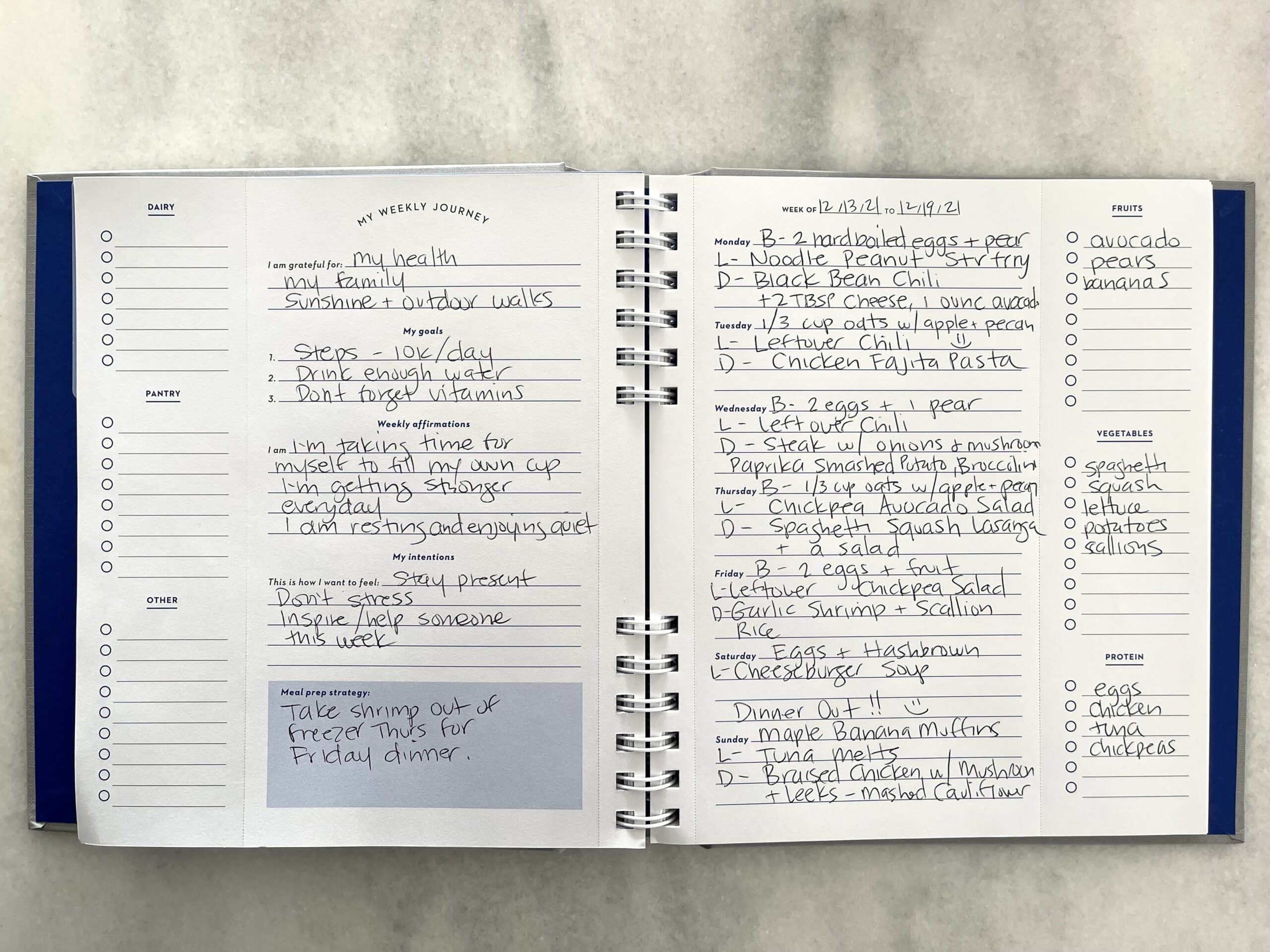
In addition to the digital resources, there is a continued focus on physical organizational tools, such as the "Ultimate Skinnytaste Meal Planner." This 52-week spiral-bound planner includes features like tear-out grocery lists and dedicated spaces for setting intentions and expressing gratitude. By emphasizing the mental and emotional components of health alongside the nutritional ones, the program seeks to address the holistic nature of wellness.
Ultimately, this 7-day plan serves as a practical response to the challenges of modern, fast-paced living. By providing a clear roadmap that is as concerned with efficiency and budget-consciousness as it is with nutrition, it offers a sustainable path forward. As users navigate the upcoming week, the combination of organized shopping lists, flexible meal swaps, and a supportive community provides a reliable framework for maintaining health amidst the busy transition into the final months of the year. For those interested in tracking their progress or accessing the grocery list in a convenient format, additional resources, including a digital document, are available to help ensure that every ingredient and nutritional goal is accounted for throughout the week.