
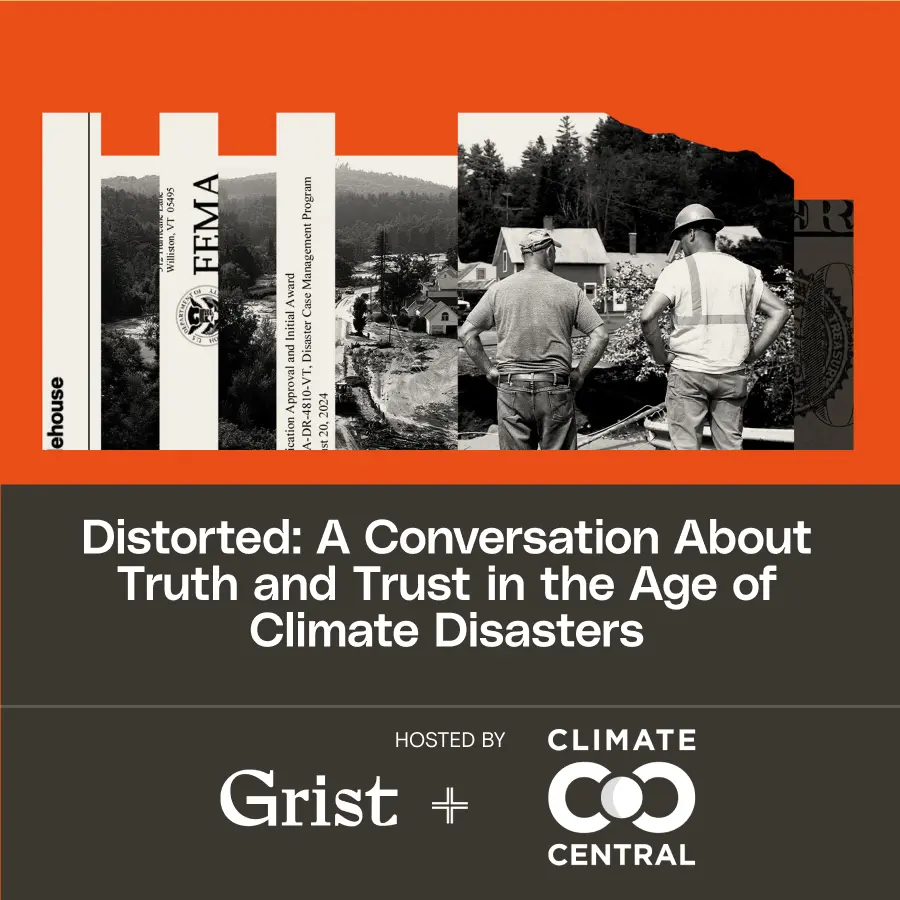
As extreme weather events become increasingly frequent and severe across the globe, they do not only bring physical destruction, power outages, and displacement. They also create a secondary crisis that spreads just as rapidly through communities: the proliferation of misinformation. When severe storms, floods, heatwaves, or wildfires strike, they generate a unique set of chaotic conditions. Rumors begin to swirl unchecked on social media platforms, telecommunication lines frequently go down, and the baseline anxiety of the public skyrockets. In these high-stress environments, people’s deepest fears and frustrations often rise to the surface, making the public particularly vulnerable to false claims, exaggerated dangers, and deceptive narratives.
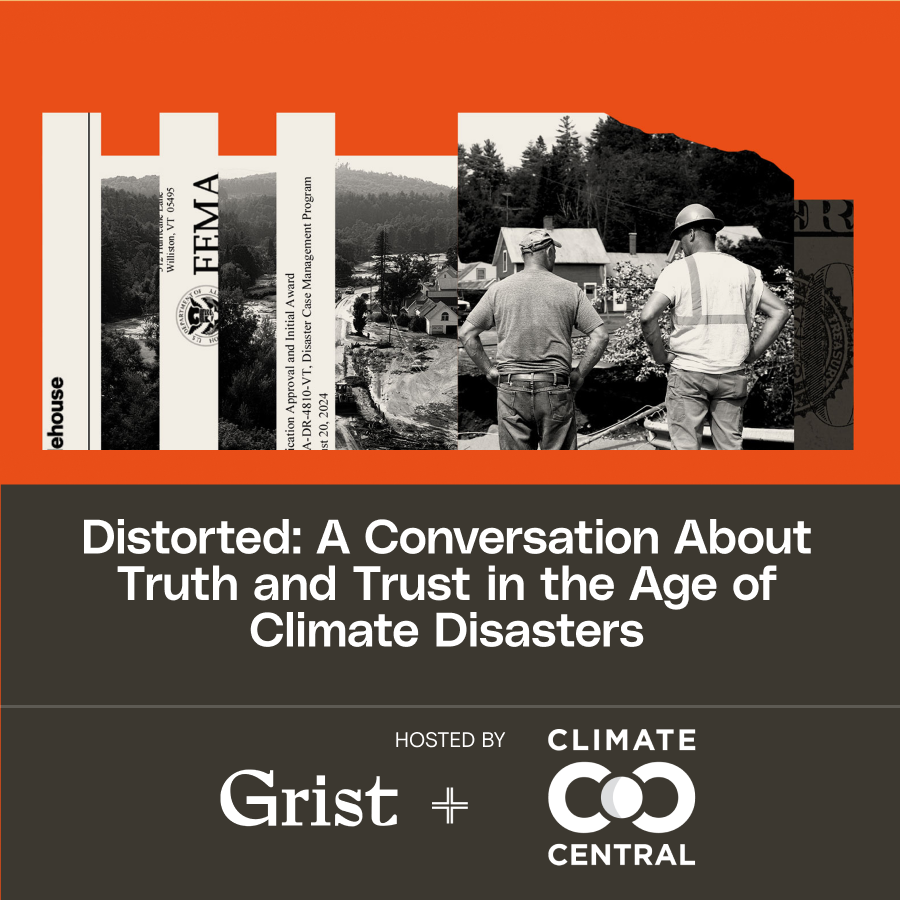
Recognizing the urgent need to address this growing communications challenge, environmental publication Grist and research organization Climate Central are teaming up to host a special virtual conversation. The event will bring together a panel of experienced meteorologists, working journalists, and academic researchers to examine how society can communicate more accurately, effectively, and thoughtfully before, during, and after extreme weather events occur.
The online event is designed to tackle the complex ecosystem of disaster communication head-on. Organizers note that the panel will not only dissect how misinformation takes root and spreads during a crisis, but they will also actively answer audience questions and provide practical, actionable tips for everyday conversations. Whether these discussions take place in public forums or private chats, online or offline, the goal is to equip attendees with the tools needed to counter falsehoods and share reliable, science-based information when it matters most.
The virtual conversation is scheduled for October 28 at 1 p.m. Eastern Time. Because the event is being held entirely online, interested participants from anywhere can join the discussion, provided they register in advance. Climate Central has made registration available through an online portal via Zoom, where attendees can secure their spot and submit inquiries for the panel.
The discussion arrives at a critical juncture for both science communication and emergency management. In recent years, emergency responders and weather forecasters have noted that managing the flow of public information is nearly as challenging as managing the physical emergency itself. When telecommunication networks fail, residents often rely on fragmented reports, unverified social media posts, or word-of-mouth rumors to make crucial decisions about evacuation, safety, and resource gathering. This information vacuum is frequently filled by bad actors, algorithmic amplification of sensational content, or simple misunderstandings of complex meteorological data.
Journalists and meteorologists often find themselves on the front lines of this information battle. Weathercasters are tasked with conveying life-or-death scientific data in real-time, often while dealing with personal stress and technical hurdles. Meanwhile, reporters working in disaster zones must separate verified facts from rumors while operating under tight deadlines and dangerous conditions. Researchers who study public behavior during crises have long pointed out that how a warning is phrased—and how the media subsequently follows up on recovery efforts—can dramatically shape public trust and community resilience.
By bringing these distinct perspectives together, the Grist and Climate Central event aims to bridge the gap between technical weather forecasting, professional reporting, and public consumption. The dialogue will explore the psychological factors that drive people to share unverified claims during disasters, as well as the systemic failures in communication infrastructure that allow misinformation to thrive in the first place.
As communities continue to adapt to a changing climate marked by more intense meteorological phenomena, improving the clarity and reliability of public discourse is becoming an essential component of disaster preparedness. The upcoming conversation on October 28 offers a timely platform for professionals and the public alike to examine these challenges and learn how to foster more honest, accurate conversations before the next storm hits.