
For decades, the medical community has recognized the bacterium Helicobacter pylori (H. pylori) as a primary architect of gastric distress and a significant precursor to stomach cancer. However, a growing body of research suggests that the path from bacterial infection to malignancy is not inevitable. Instead, it appears to be a complex, synergistic dance between internal biological threats and external dietary choices. As scientists probe deeper into this relationship, the evidence points toward a surprising conclusion: our daily food choices may be as influential as our genetics in determining whether an infection leads to life-threatening disease.
The Chemical Catalyst: How Diet Fuels Gastric Risk
The conversation regarding stomach cancer often begins with how we process our food. Traditional methods of preserving fish, specifically salting and pickling, have been linked to the creation of a novel DNA-mutating chemical known as CMBA. This compound is the byproduct of a specific chemical reaction between salt, nitrite preservatives, and methionine—an amino acid found in high concentrations within animal proteins.
The danger extends beyond these specific preservation methods. Nitrites, when ingested, can interact with various protein components to synthesize N-nitroso compounds. These substances are a potent class of carcinogens, historically identified as the same dangerous compounds found in cigarette smoke. This chemical pathway offers a compelling explanation for why processed meats—including bacon, ham, hot dogs, lunch meat, and sausage—are consistently tied to an elevated risk of stomach cancer. Crucially, however, this risk is not confined solely to processed products; research indicates that the pathway for carcinogenesis can be triggered by the consumption of fresh, unprocessed, and unsalted meats as well.
The Synergy of Infection and Intake
If H. pylori is the primary culprit in most stomach cancer cases, how does diet modify the outcome? The answer lies in the synergistic interaction between H. pylori-induced inflammation, known as gastritis, and the specific composition of our diet.
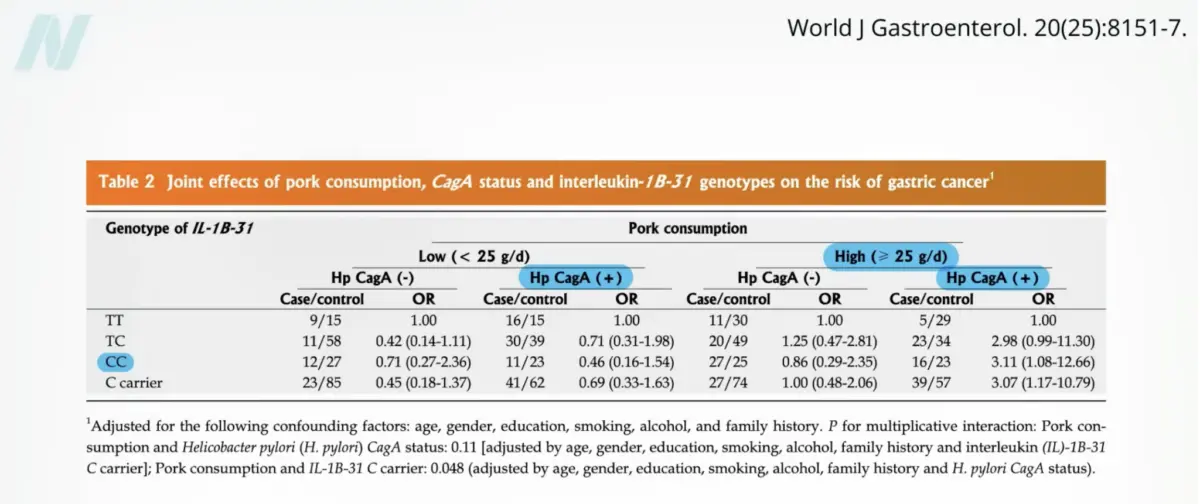
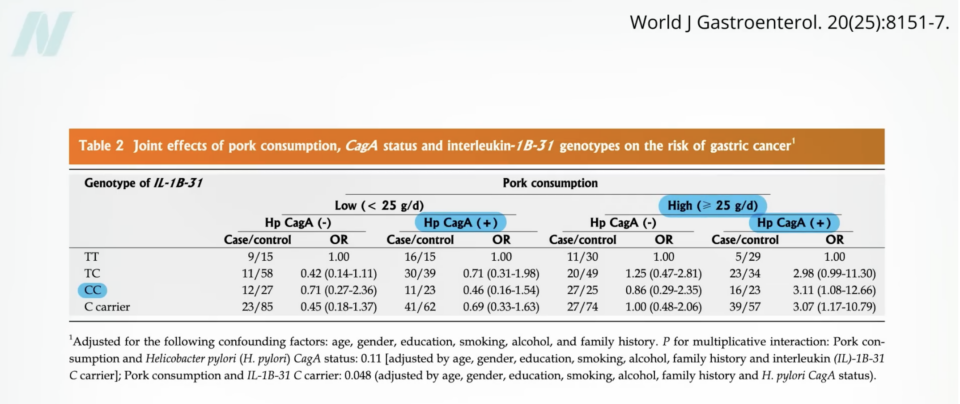
Researchers in China have uncovered a striking piece of evidence: even individuals who are genetically vulnerable and infected with a particularly aggressive, pathogenic strain of H. pylori did not show an increased risk of developing stomach cancer, provided their intake of pork remained low. The data suggests a threshold effect; the risk of cancer appears to escalate significantly only when an individual consumes approximately one ounce or more of pork per day. To put this in perspective, an average pork chop is roughly six ounces, meaning a single serving can easily push an individual into a higher-risk category. This finding is a powerful reminder that dietary patterns can, in certain circumstances, override both genetic predispositions and significant environmental stressors like chronic bacterial infections.
The Search for Natural Eradication
Given that the standard medical intervention for H. pylori involves a rigorous triple-antibiotic cocktail, researchers have long sought alternative ways to eliminate the bacteria. While effective, the current drug regimen is often difficult for patients to maintain due to the sheer volume of medication required and the prevalence of adverse side effects. This has led scientists to investigate whether specific dietary interventions could serve as a viable, more tolerable alternative.
One of the most promising candidates in this search is sulforaphane, a compound found in cruciferous vegetables. Long before its reputation for anti-cancer and detoxifying properties was established, sulforaphane was identified for its potent antimicrobial activity. The interest in its potential against H. pylori was sparked by anecdotal reports of patients with peptic ulcer disease who experienced sudden, dramatic relief after consuming three-day-old broccoli sprouts.
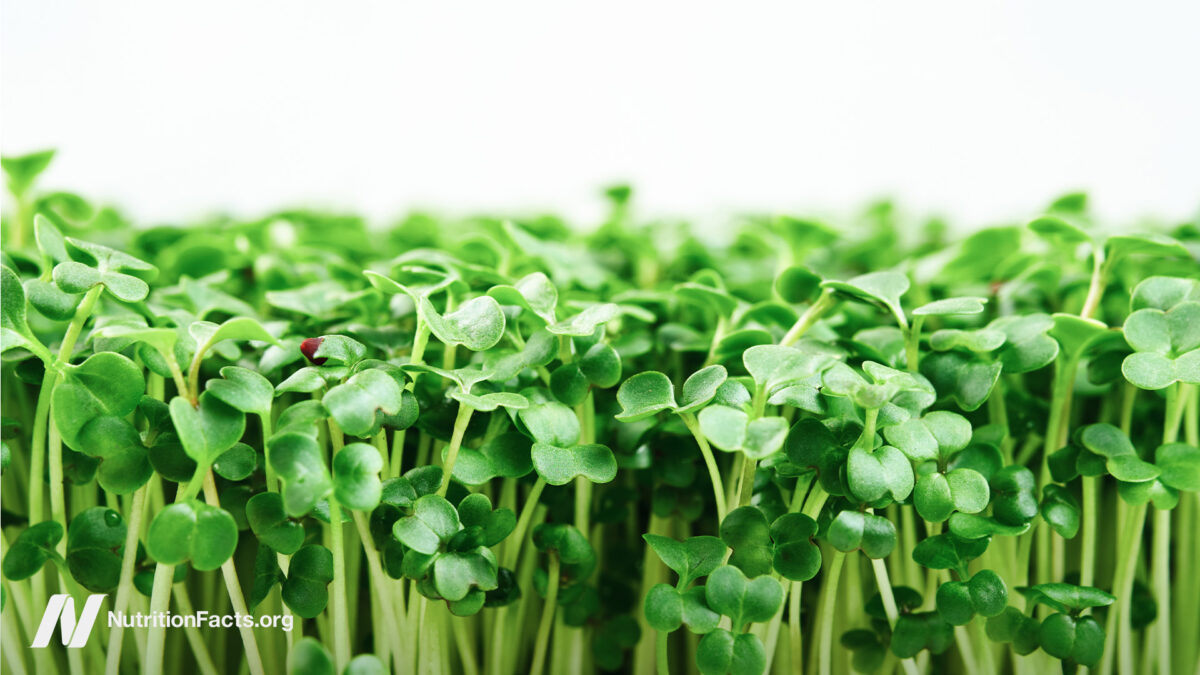
When researchers at Johns Hopkins University and other institutions subjected these sprouts to rigorous testing, the results were compelling. Broccoli sprout extracts demonstrated an ability to kill antibiotic-resistant strains of H. pylori in a laboratory setting. In human trials, patients who consumed as little as one-third of a cup of broccoli sprouts daily for one week were able to successfully eradicate the infection. Furthermore, randomized controlled trials comparing broccoli sprouts to alfalfa sprouts found that those consuming the equivalent of two to three servings of broccoli a day saw significant reductions in both the colonization of H. pylori and the resulting inflammation of the stomach lining.
While broccoli sprouts were successful in eradicating H. pylori in approximately 56% of cases—compared to the 90% success rate of standard triple-drug antibiotic therapy—they offer a potentially safer, more natural alternative for those who may not meet the clinical criteria for heavy pharmaceutical intervention. Beyond the immediate eradication of the bacteria, a compilation of 22 population studies has confirmed that higher consumption of cruciferous vegetables is broadly associated with a significantly lower risk of stomach cancer.
The Role of Allium Vegetables
While broccoli has been the subject of intensive focus, the allium family—which includes garlic and onions—has also emerged as a significant player in the defense against stomach cancer. Observational studies dating back to the 1960s, particularly those focused on Japanese migrant populations, suggested that regular consumption of these vegetables provided a protective effect.
Over the ensuing decades, dozens of studies have corroborated this observation, finding that high consumption of allium vegetables is linked to a lower risk of gastric cancer. However, researchers remain cautious. There is evidence of publication bias in this field, where studies that failed to show a protective effect may have gone unpublished, potentially skewing the perception of the data. Furthermore, observational studies are inherently limited by their inability to prove cause and effect. It remains possible that the relationship is reversed: patients with long-term H. pylori inflammation may have gravitated toward blander diets to avoid digestive discomfort, leading to lower garlic and onion intake rather than the other way around.
To resolve these uncertainties, researchers conducted a massive randomized, double-blind, controlled trial in 13 villages in China. Thousands of participants at high risk for stomach cancer were assigned to various combinations of antibiotics, garlic supplements, and antioxidant supplements. The results were telling: while short-term antibiotic use led to a measurable decrease in precancerous stomach growths after seven years and a reduction in cancer incidence after 15 years, the initial results for garlic were less clear. By the seven-year mark, there was no benefit, and the reduction in cancer at 15 years was not statistically significant.
However, the narrative shifted with the 22-year follow-up data. Researchers found that those who had taken the garlic supplements did, in fact, have a significantly lower risk of dying from stomach cancer. An interesting nuance emerged in the data: the protective effect of garlic appeared to manifest primarily among non-drinkers, suggesting that lifestyle factors continue to influence the efficacy of even the most promising dietary interventions.
Ultimately, while no single food acts as a panacea, the integration of cruciferous and allium vegetables into the daily diet appears to offer a meaningful, evidence-based strategy for reducing the risk of H. pylori-related complications. As science continues to untangle the complex relationship between the microbiome, diet, and disease, the power of these simple, natural foods remains a cornerstone of preventive health.