

As the autumn season settles in, many home cooks are seeking ways to transition their meal planning toward heartier, more comforting dishes without sacrificing health goals. A new, comprehensive 7-day high-protein meal plan has been released to help individuals navigate the intersection of seasonal eating and nutritional optimization. The plan, which includes breakfast, lunch, and dinner suggestions, is designed to provide a structured approach to daily protein intake while incorporating the flavors of fall.
The Shift Toward High-Protein Living
The focus on increased protein consumption has become a significant trend in personal health management, often cited by fitness enthusiasts and those looking to improve satiety. Incorporating more protein into a daily diet is frequently associated with muscle maintenance and improved appetite regulation. By distributing protein evenly across meals—aiming for roughly 30 grams per meal—individuals may find it easier to avoid the mid-afternoon cravings that often lead to snacking on processed foods.
For those who find themselves struggling to hit specific nutritional targets, the appeal of a structured meal plan lies in its simplicity. By providing a clear roadmap for the week, the plan removes the cognitive burden of decision-making. This particular release emphasizes that reaching these goals does not have to be a joyless endeavor. Instead, it leverages seasonal ingredients to make the diet feel intentional rather than restrictive. For instance, the inclusion of dishes like sweet potato soup with sausage and kale, or a pumpkin lasagna skillet, demonstrates how fall-specific produce can be integrated into a high-protein framework.
Navigating Nutritional Guidelines and Customization
One of the core tenets of this meal plan is the acknowledgment that there is no "one-size-fits-all" solution for human nutrition. While the provided plan offers a framework designed to hit specific protein benchmarks, it is explicitly presented as a guide rather than a rigid prescription. Users are encouraged to view the plan as a starting point, with plenty of room for individual adjustments based on caloric needs, age, weight, and personal preferences.
The recommendation is for individuals to aim for a minimum of 1,500 calories per day, though this figure is subject to significant variation. To ensure safety and efficacy, the creators of the plan emphasize the importance of consulting with a qualified nutritionist or dietitian. This is particularly crucial for individuals with underlying health conditions. Specifically, those managing kidney or liver disease, gout, or certain metabolic disorders must be cautious, as a high-protein diet can potentially place additional stress on the body if not managed under professional medical supervision. Older adults, who may experience reduced kidney function as a natural part of the aging process, are also advised to seek medical guidance before making significant shifts in their macronutrient intake.
Updates for Weight Watchers Participants
For members of the Weight Watchers community, the integration of point-tracking remains a vital component of the meal planning process. Recent updates to the Weight Watchers program, which introduced new zero-point foods—most notably oatmeal—have created a need for adjustments in how recipes are calculated. Because the process of retroactively updating a vast archive of recipes is labor-intensive, many digital resources are currently in a state of transition.

However, a technological workaround currently exists for those using the program’s official tools. By utilizing the Weight Watchers recipe builder on mobile devices, users can input ingredients to automatically calculate the updated point values for their meals. This allows for a degree of continuity, ensuring that while the recipe database is being modernized, participants can still maintain their progress without manual calculation errors.
Community and Resource Integration
Beyond the specific recipes for the week, there is an ongoing emphasis on community support. Many individuals find that the challenge of maintaining a long-term nutritional goal is made significantly easier through peer encouragement. Digital forums and social media groups, such as the Skinnytaste Facebook Community, serve as hubs where users share their experiences, troubleshoot meal preparation, and offer motivation. These spaces often provide a sense of accountability that is missing from solitary meal planning.
For those who prefer a more tactile approach to organization, physical planning tools continue to be a popular option. The market for printed, spiral-bound meal planners has remained robust, as many people find that writing down intentions and grocery lists helps solidify their commitment to a plan. These planners often serve a dual purpose: they act as a functional tool for grocery shopping and meal scheduling, while also providing space for personal reflections, such as gratitude and daily intentions, which can improve the overall experience of mindful eating.
The Weekly Schedule
The provided meal plan for the week of October 19 through October 25 is structured to balance the workload for the home cook. Weekday breakfasts and lunches are portioned for individuals, which is ideal for those managing a busy work schedule or eating solo during the day. Conversely, dinners are scaled to serve a family of four, allowing for efficient cooking and meal sharing.
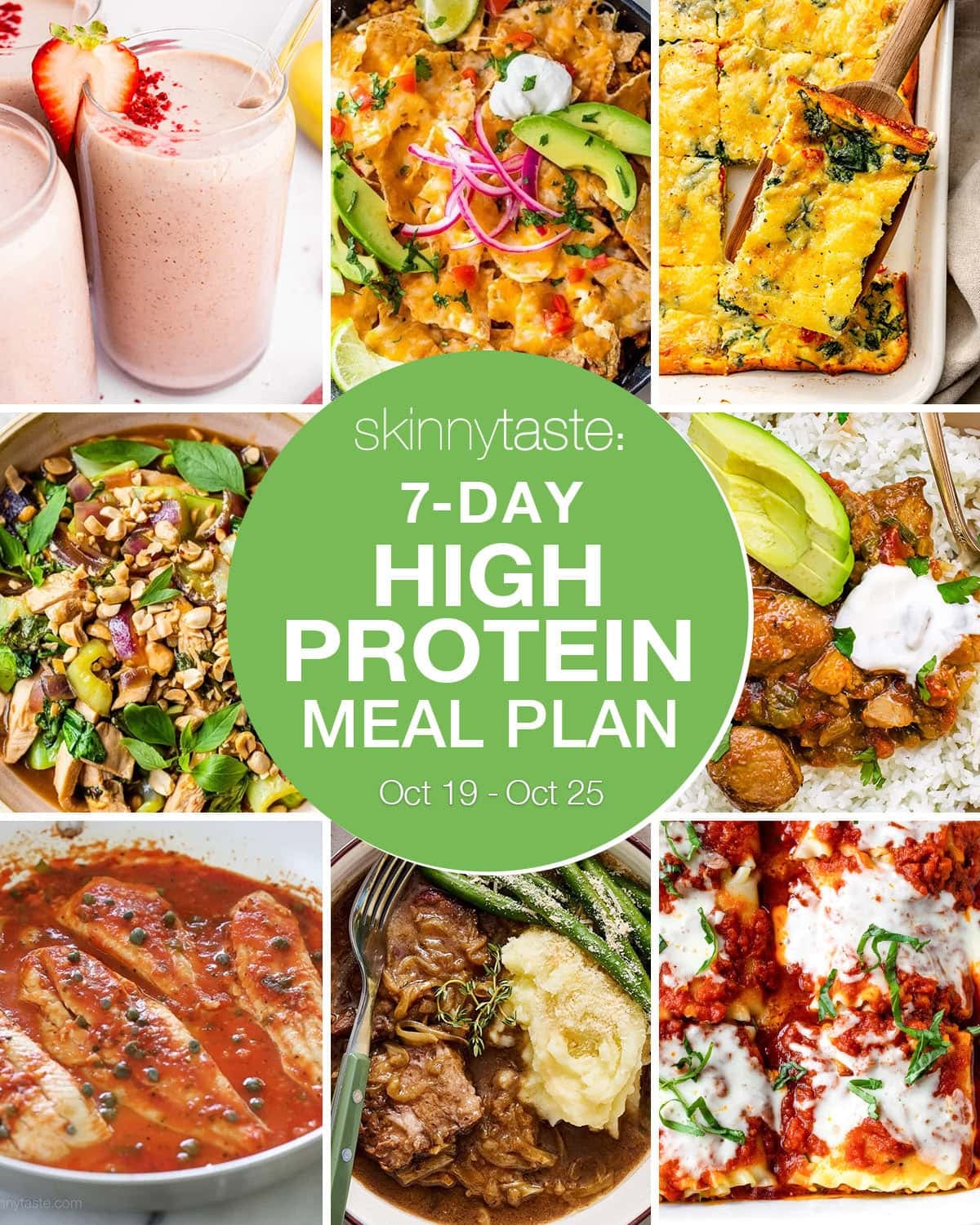
On Monday, the week begins with a strawberry banana smoothie boosted with Greek yogurt, followed by honey sriracha chicken and broccoli bowls for lunch. The evening meal consists of lasagna roll-ups with cottage cheese. As the week progresses, the menu introduces variety, such as a turkey taco skillet on Tuesday, garlic-ginger chicken stir-fry on Wednesday, and a French onion pot roast on Thursday. Friday shifts the focus to seafood with a skillet fish fillet paired with tomato sauce and capers. The weekend transitions into family-style favorites, including a breakfast casserole with sausage and spinach, turkey clubs, and a slow-cooker green chili pork stew on Sunday.
By providing a comprehensive shopping list, the plan aims to streamline the grocery experience, reducing the frequency of trips and helping to minimize food waste. This holistic approach—combining specific recipes, nutritional education, community interaction, and organizational tools—reflects a modern shift toward sustainable, long-term health habits that prioritize both physical satisfaction and seasonal variety. As the autumn season continues, this type of structured, yet flexible, approach provides a reliable method for those looking to maintain their health while enjoying the comfort of the season’s best ingredients.