
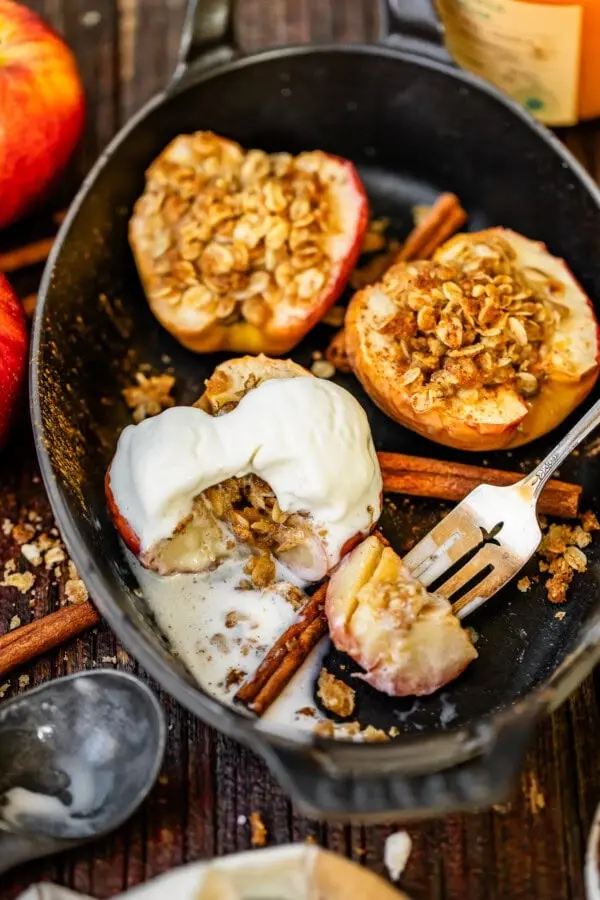
As the autumn season descends, bringing with it a crisp chill and the promise of harvest festivities, many home cooks turn their attention to the bounty of local orchards. Among the myriad ways to celebrate fall produce, the humble baked apple remains a perennial favorite, balancing the comfort of a traditional dessert with the modern demand for efficiency and simplicity. Recent culinary discussions have highlighted this classic dish, emphasizing that sophisticated, satisfying sweets do not always require the labor-intensive preparation associated with elaborate pies or crumbles.
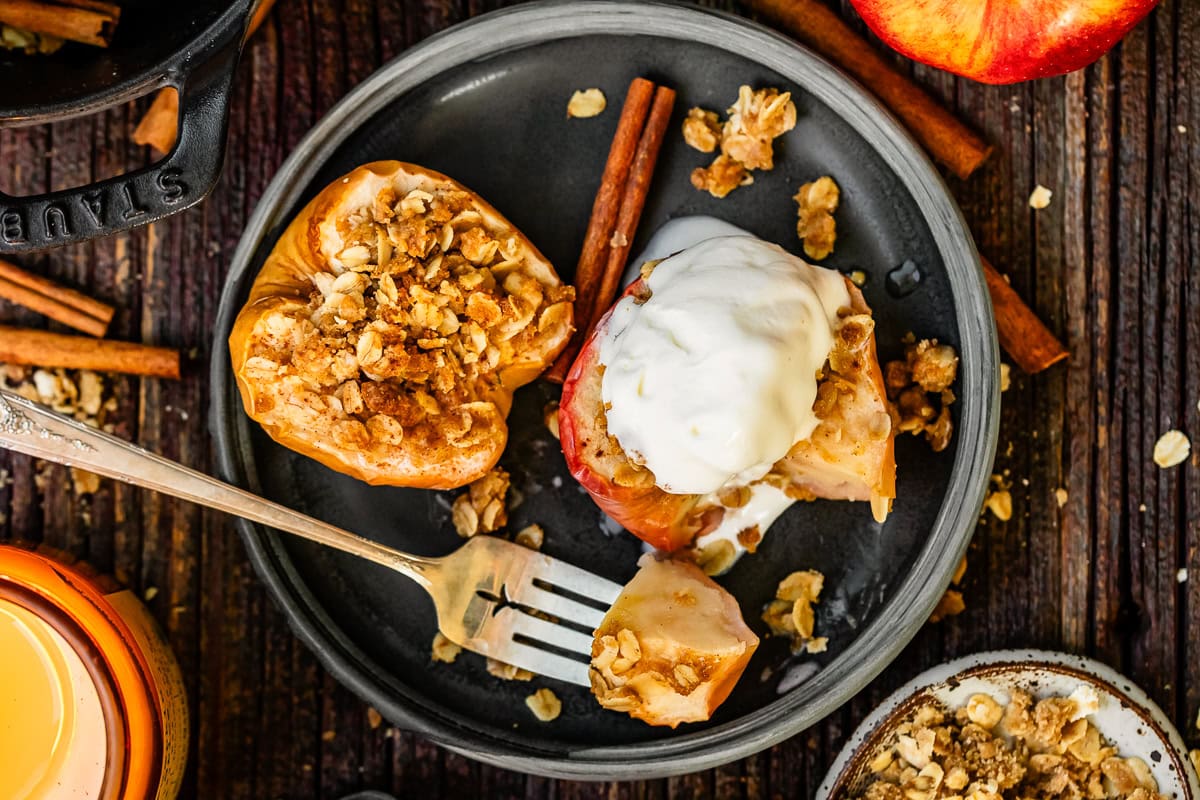
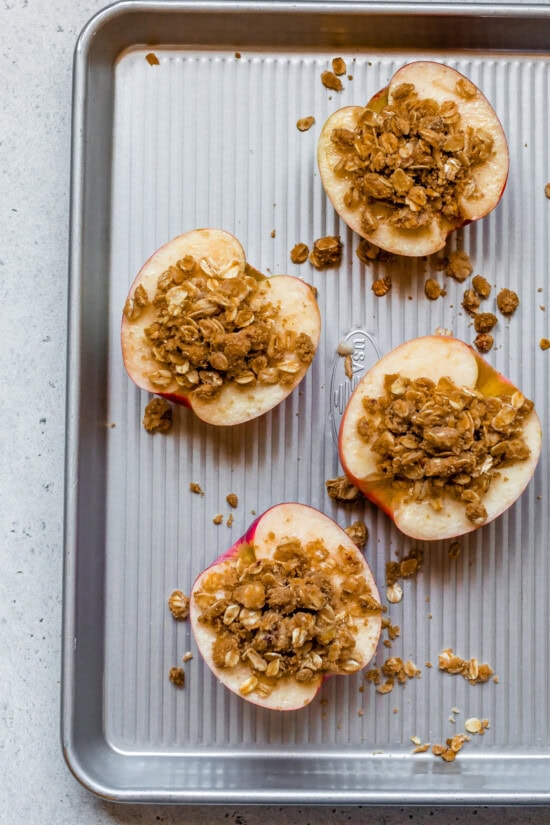
The appeal of the baked apple lies in its elegant minimalist approach. Unlike traditional apple crisp or cobbler, which often requires significant time spent peeling, dicing, and preparing elaborate crusts, the baked apple is designed for convenience. By simply halving the fruit and removing the core, the cook preserves the natural structure of the apple, which then softens into a delicate, warm vessel for a flavorful topping. This method effectively transforms the fruit into an individual serving, creating a naturally portioned dessert that feels both refined and rustic.
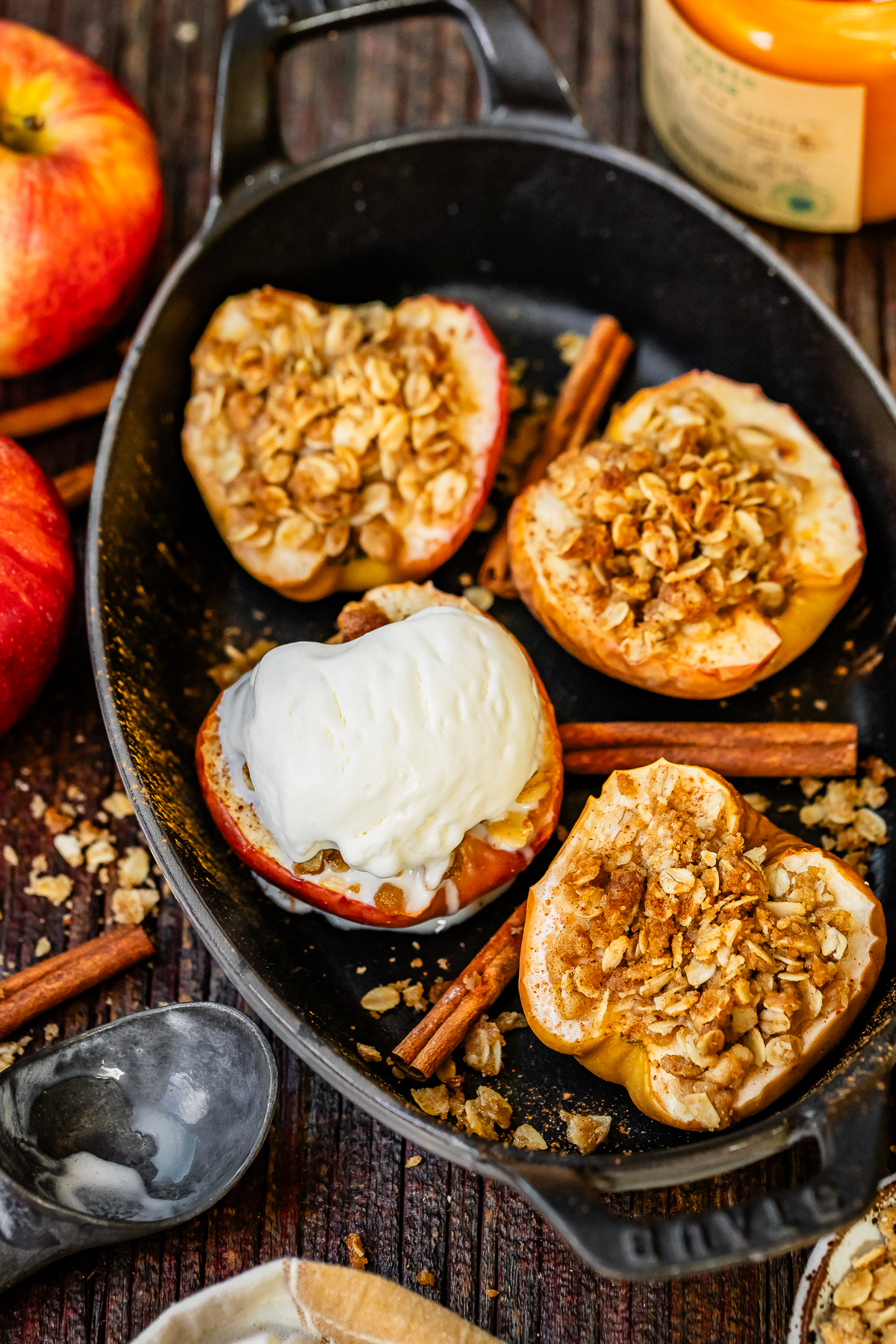
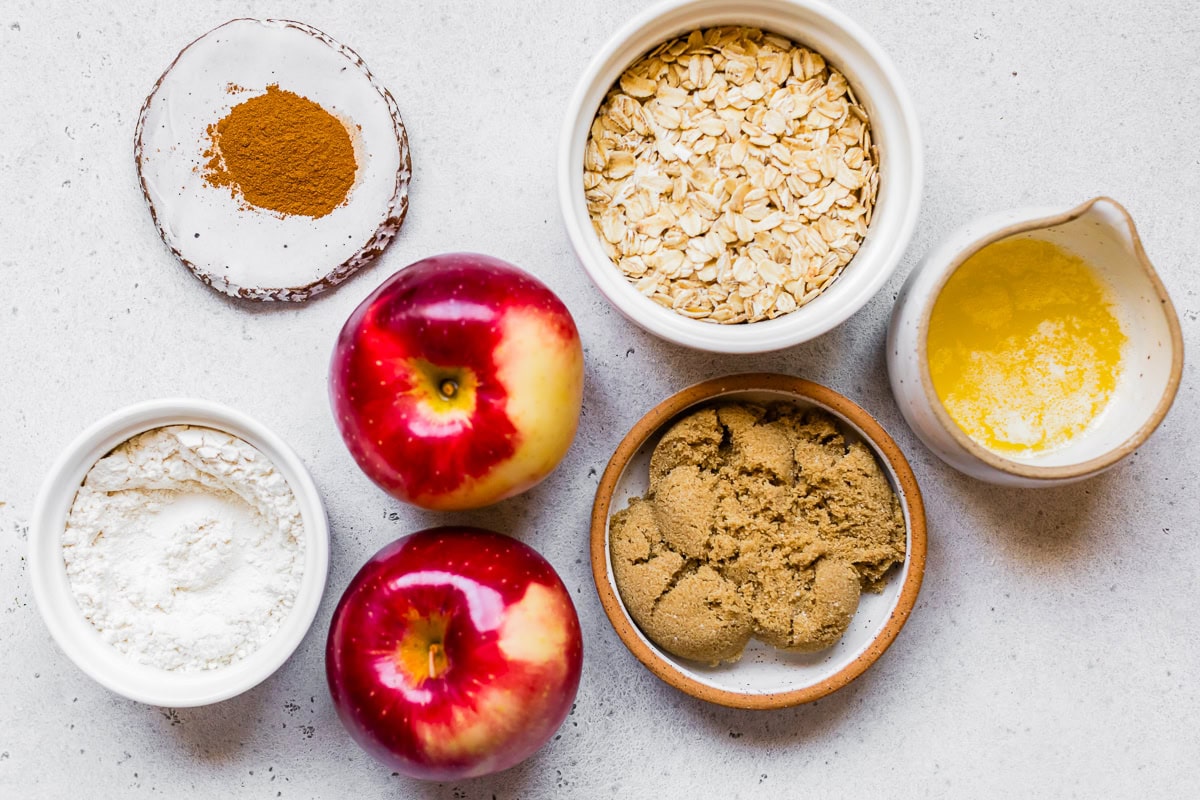
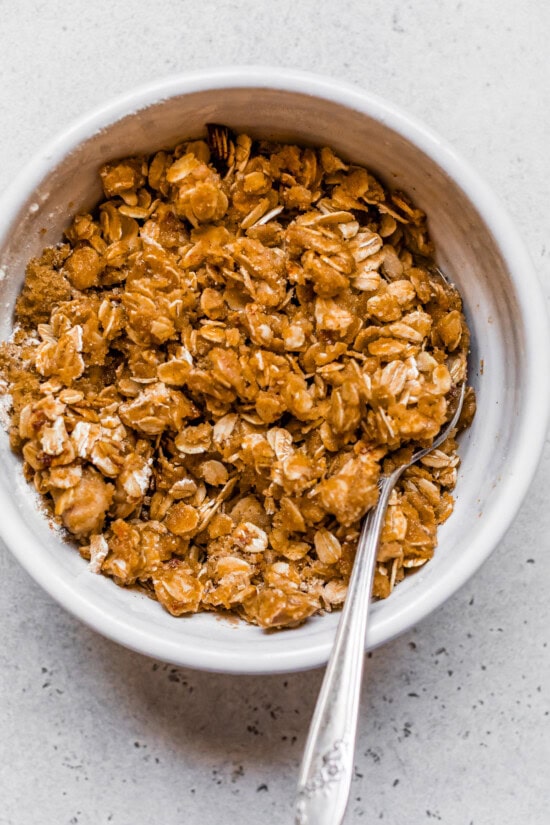
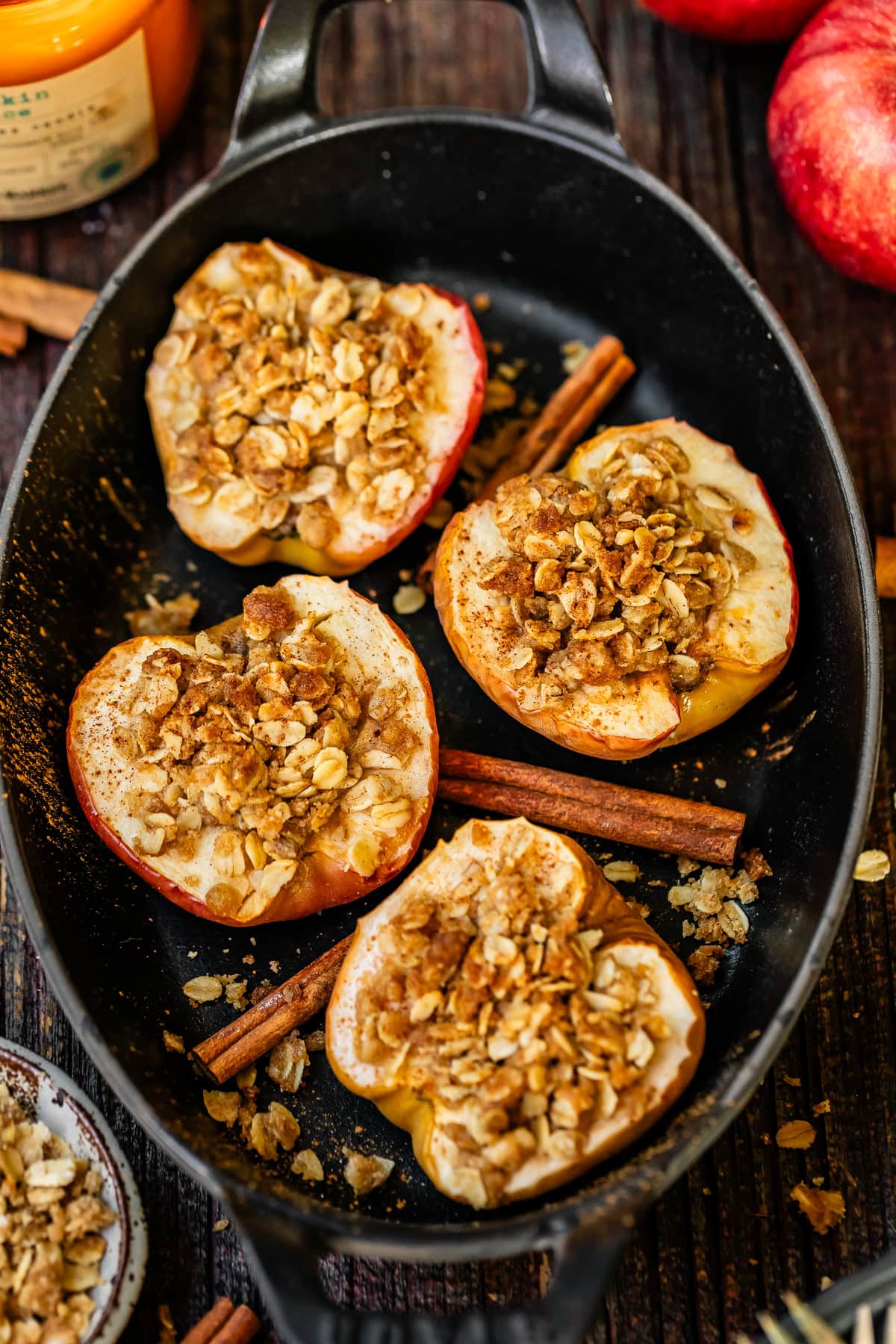
The core of this dish relies on a straightforward combination of textures and flavors. A classic topping typically features oats, cinnamon, and a modest amount of brown sugar. When heated in the oven, this mixture creates a crisp, golden-brown contrast to the tender, naturally sweetened flesh of the fruit. This interplay between the warm, softened apple and the crunch of the oat-based topping is what gives the dish its broad appeal, effectively delivering the essence of a traditional apple crisp without the need for extensive culinary preparation.

Choosing the right variety of apple is a critical component for those looking to master this seasonal staple. Culinary experts often note that the choice of fruit can significantly alter the outcome of the dish, catering to different palates and dietary preferences. For those who prefer a more tart, acidic profile that balances the sweetness of the brown sugar, the Granny Smith apple remains the gold standard. Its firm structure holds up remarkably well under heat, ensuring the fruit maintains its shape without becoming overly mushy. Conversely, for those who prefer a sweeter, more mellow dessert, varieties such as Gala, Pink Lady, or Honeycrisp are recommended. These options provide a natural, honeyed sweetness that pairs seamlessly with the warmth of cinnamon, often requiring less added sugar to achieve a balanced result. In some cases, a mixture of varieties can even provide a more complex flavor profile, allowing the baker to customize the dish to their specific tastes.

Beyond its flavor, the practicality of the baked apple is a significant factor in its enduring popularity. The preparation is remarkably swift, usually requiring only five minutes of active work before the oven does the rest of the heavy lifting. This makes it an ideal option for weeknight desserts or for those hosting guests who desire a homemade treat without the stress of a multi-hour kitchen commitment. Furthermore, the dish is highly adaptable to advanced preparation. The dry topping ingredients can be mixed well in advance, and the apples themselves can be cored and halved hours before the event, allowing the host to simply assemble and bake the dessert shortly before serving. This flexibility ensures that the apples are served at the optimal temperature—warm and aromatic—straight from the oven.
The presentation of the finished dish offers a sense of rustic charm that is difficult to replicate with more complex desserts. Serving a whole, beautifully baked half-apple, perhaps accompanied by a scoop of cold vanilla ice cream, creates a striking visual contrast. The heat of the apple causes the ice cream to melt slightly, creating a natural sauce that infuses the oat topping and enhances the overall sensory experience. This simplicity allows the quality of the fruit to take center stage, reinforcing the seasonal nature of the dessert.
While the base recipe is simple, it serves as a blank canvas for those looking to experiment with variations. Small additions to the topping, such as finely chopped nuts, can introduce a new dimension of crunch and healthy fats. Others may choose to incorporate different spices, such as a touch of nutmeg or ginger, to heighten the autumnal aroma. Because the dish is inherently flexible, it remains a favorite for families looking to incorporate healthier, fruit-forward options into their dessert rotation. The nutritional profile, which relies on fiber-rich fruit and wholesome oats, provides a more balanced alternative to heavy, flour-based pastries, making it a sustainable choice for those mindful of their sugar and calorie intake.
Storage and reheating are also notably straightforward, a benefit that is often overlooked in favor of more complex, delicate desserts. Baked apples hold up well when stored in the refrigerator, and they can be easily warmed in a microwave or oven for a quick snack the following day. This convenience factor extends the life of the dessert, ensuring that nothing goes to waste, even if the initial batch is larger than the immediate need.
As home cooks continue to navigate the demands of busy schedules while still seeking the comfort of traditional flavors, the baked apple stands as a testament to the fact that high-quality, delicious results do not require complexity. By focusing on the intrinsic qualities of the produce and employing simple, effective techniques, it is possible to create a dessert that is as appropriate for a casual family dinner as it is for a gathering of guests. The longevity of this recipe in the culinary canon is a reflection of its reliability, its nutritional accessibility, and its ability to capture the very essence of the autumn season in a single, warm, and comforting dish. Whether enjoyed plain, with a dollop of yogurt, or with the classic accompaniment of ice cream, the baked apple remains an essential tool in the repertoire of any cook who values the intersection of seasonal produce and uncomplicated preparation.