
To survive and remain relevant in an ever-shifting global marketplace, traditional manufacturers are frequently forced to pivot their strategies, venture into uncharted territory, and challenge the very core of their institutional identities. This dynamic has sparked a compelling conversation across the automotive enthusiast community regarding the single greatest departures in manufacturing history—specifically, which production car represented the most radical, unexpected pivot away from its creator’s established lineage.
When examining the global automotive ecosystem, distinct personalities are easily assigned to major brands. Mercedes-Benz commands respect in the North American market as a pinnacle of executive luxury and engineering refinement. Mini is globally synonymous with ultra-compact, nimble city cars that prioritize packaging efficiency. Toyota has spent decades cementing its reputation for building sensible, dependable, and bulletproof commuter cars and work trucks. Mazda consistently carves out a niche by offering affordable vehicles imbued with an unmistakable, fun-to-drive dynamic, often earning comparisons to higher-end European rivals. Meanwhile, Subaru has successfully cultivated a loyal following by specializing in quirky, adventure-ready all-wheel-drive crossovers tailored for the outdoors.
Despite these deeply ingrained identities, nearly every major manufacturer has, at one point or another, greenlit a project that turned their standard operating procedure completely on its head. These rare, daring departures from the norm are what drive endless debate among automotive historians and enthusiasts alike, prompting questions about why certain brands decided to throw caution to the wind and build something entirely outside of their comfort zones.
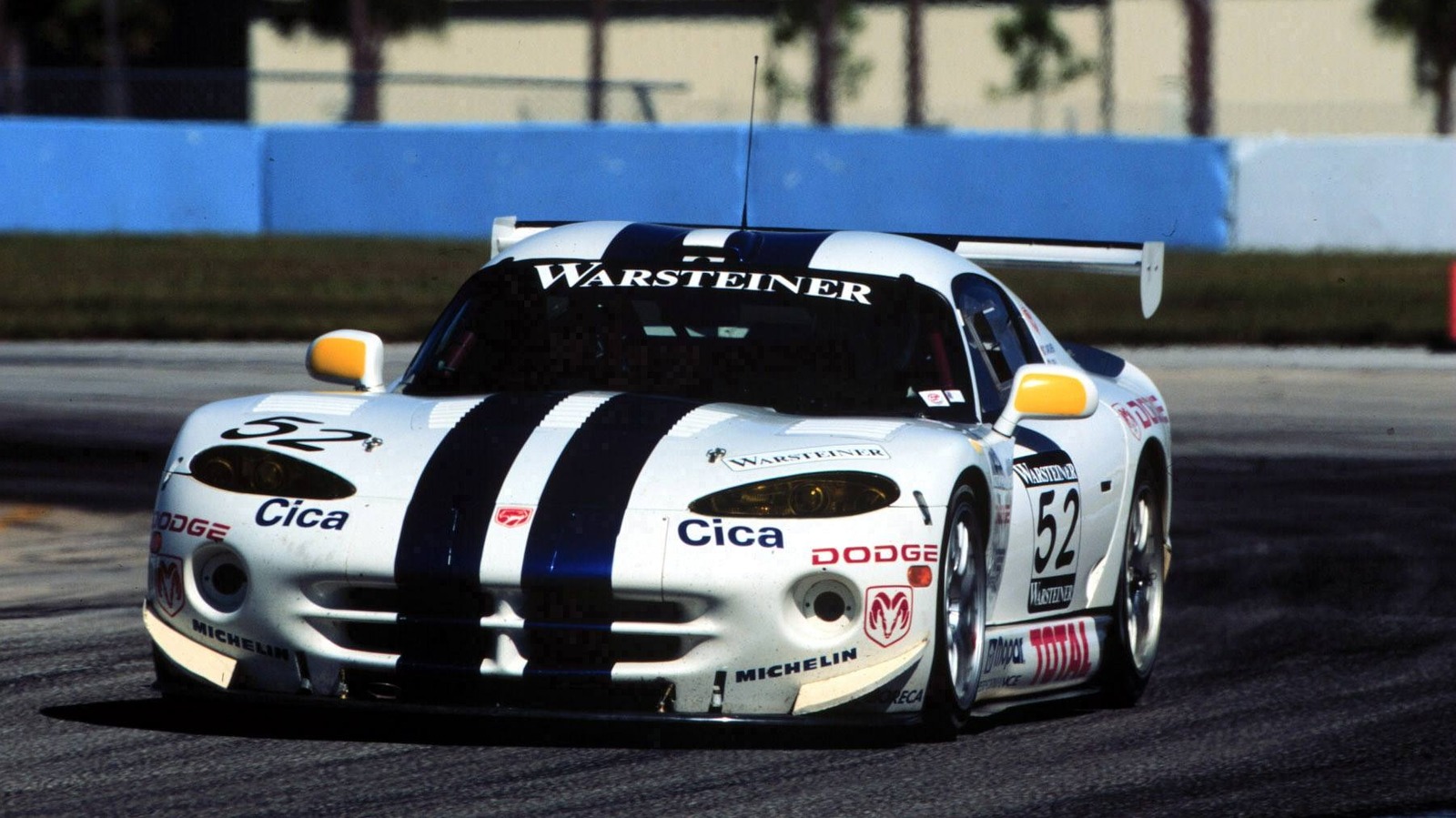
For Dodge, a brand with a storied, decades-long history steeped in traditional American muscle—defined by massive displacement, heavy steel, and thunderous V8 engines housed beneath endless hoods—the decision to venture into raw, unadulterated supercar territory stands as a monumental shift. The timing of this bold move makes the corporate risk even more fascinating. While the corporate halls were still celebrating the runaway success of groundbreaking family transport like the Chrysler minivan and the ubiquitous, utilitarian K-Car era, corporate leadership made the shocking decision to pour resources into developing a low-slung, V10-powered, two-seat roadster.
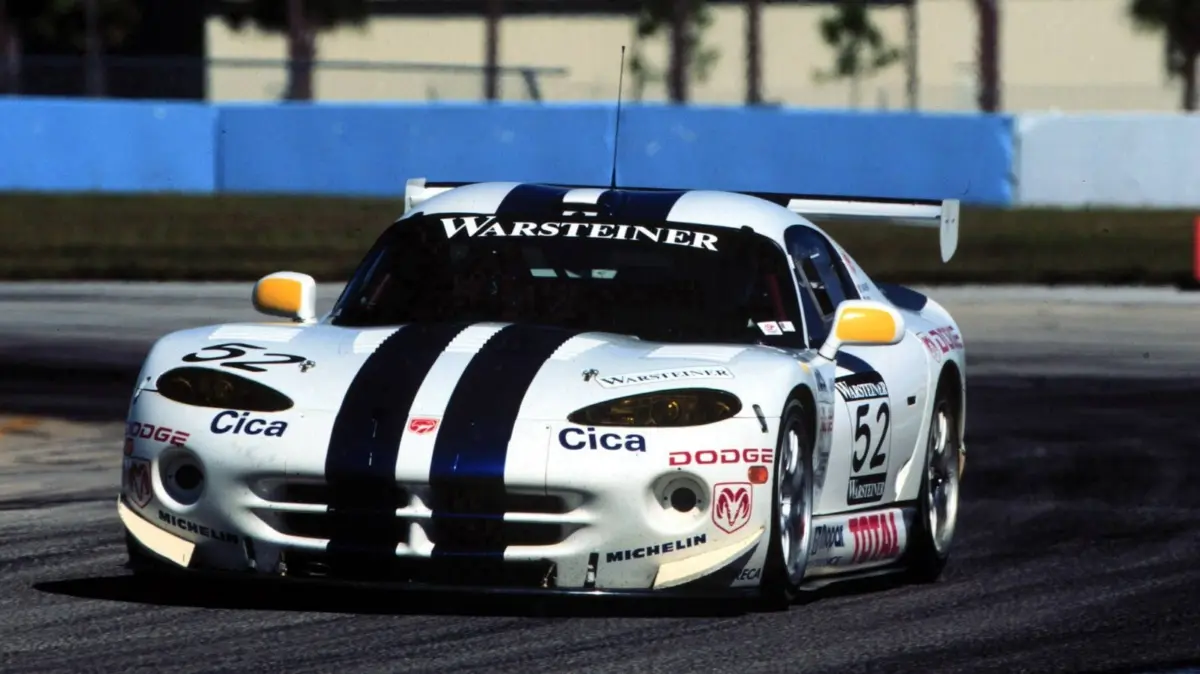
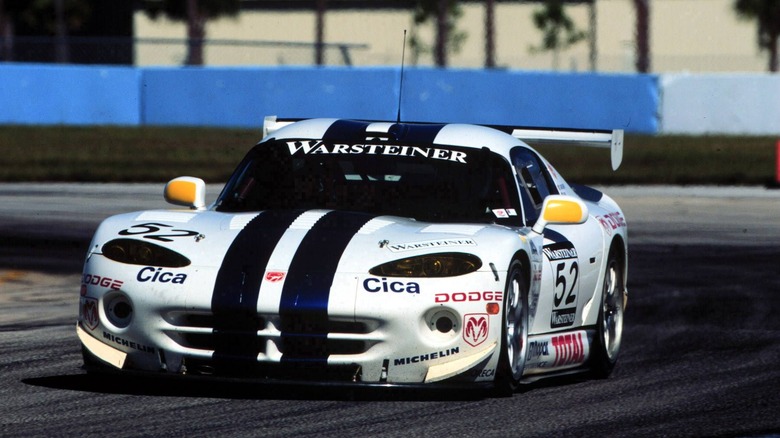
The resulting machine, the Dodge Viper, debuted to a stunned public and immediately shattered expectations of what a mainstream American manufacturer could or would build. Far from remaining a mere auto show concept, the Viper was thrust into the crucible of elite global motorsport, famously finding its way to the legendary 24 Hours of Le Mans just two years after its official introduction in 1992. It competed on the world stage against established European endurance racing royalty, proving that American performance could evolve far beyond the traditional straight-line quarter-mile ethos.
Although the Viper famously retained a distinct flavor of heavy-duty Mopar muscle under its clamshell hood—most notably through its massive, truck-derived iron-block V10 engine that was later refined with aluminum construction by Lamborghini—its overall purpose represented a dramatic digression from the bread-and-butter offerings sitting on dealership lots. It was unapologetically loud, aggressively styled, notoriously devoid of modern driver aids in its early iterations, and entirely focused on raw mechanical engagement rather than mass-market sales volume.
Over the course of its production run, the Viper soldiered through a handful of successive generations, evolving in power, handling capability, and aerodynamic sophistication. Yet, through every iteration, it never strayed far from the uncompromising ethos of that original 1992 prototype. It evolved from a terrifying, widow-maker roadster into a refined track-day weapon that could routinely embarrass exotic European hypercars costing three times as much, ultimately cementing its status as an American automotive legend.
Looking back at the lifecycle of Dodge’s flagship halo car, many industry observers argue that the automaker pulled the plug on the Viper at precisely the right moment. The shifting automotive regulatory landscape, increasingly stringent safety and emissions legislation, and the industry-wide pivot toward electrification meant that a continuation of the Viper lineage would have inevitably forced the car to compromise its core identity. Had it survived into a modern era of autonomous technology and hybrid compliance, it would likely have been transformed into a vastly different beast. Instead, the Viper went out on its own terms, preserved in automotive history as the raw, maniacal, V10-laden supercar that it was when it first burst onto the scene.
While arguments can certainly be made for other historic curveballs thrown by major global manufacturers over the decades, the Dodge Viper remains a prime example of a brand stepping entirely out of its comfort zone to create something unforgettable. As automotive enthusiasts continue to debate which vehicle truly stands as the single biggest departure for its maker, the discussion ultimately highlights the courage required for legacy automakers to take a chance on the extraordinary.