
The human gut is far more than a simple digestive tract; it is a complex, bustling ecosystem—a microscopic city of bacteria that plays a profound role in our systemic health. For years, medical researchers have investigated how our dietary choices shape this internal environment, and the evidence is increasingly clear: our gut flora is not just a passive passenger in our bodies, but a dynamic, reactive force that is directly sculpted by what we put on our plates. Whether we are cultivating a community of health-promoting microbes or fostering a population of pathogens, the steering wheel is held by our daily food intake.
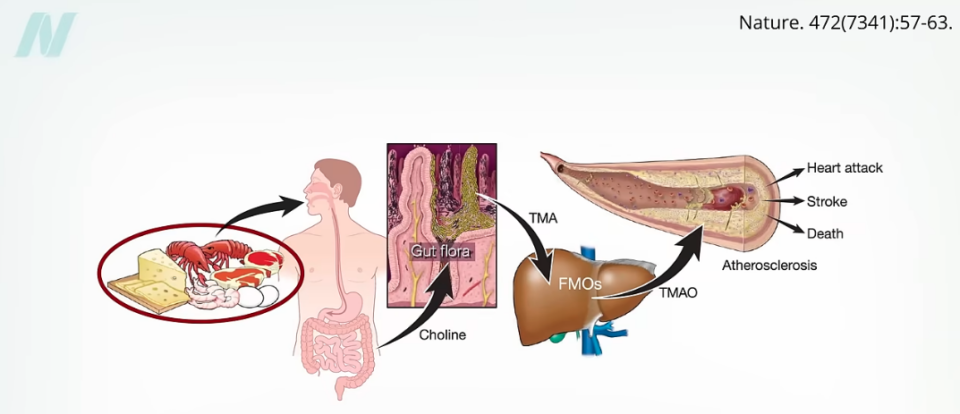
At the center of this biological conversation is a potent chemical compound known as TMAO (trimethylamine N-oxide). When we consume animal-derived products—such as meat, seafood, dairy, and eggs—our gut bacteria go to work breaking down specific nutrients, namely carnitine and choline. This metabolic process results in the production of TMAO, a substance that has become a major focus of cardiovascular research. Elevated levels of TMAO in the bloodstream have been linked to an increased risk of heart attacks, strokes, and, in severe cases, premature death. The process is a testament to the symbiotic, yet sometimes dangerous, relationship between our dietary habits and the microbial residents of our intestines.
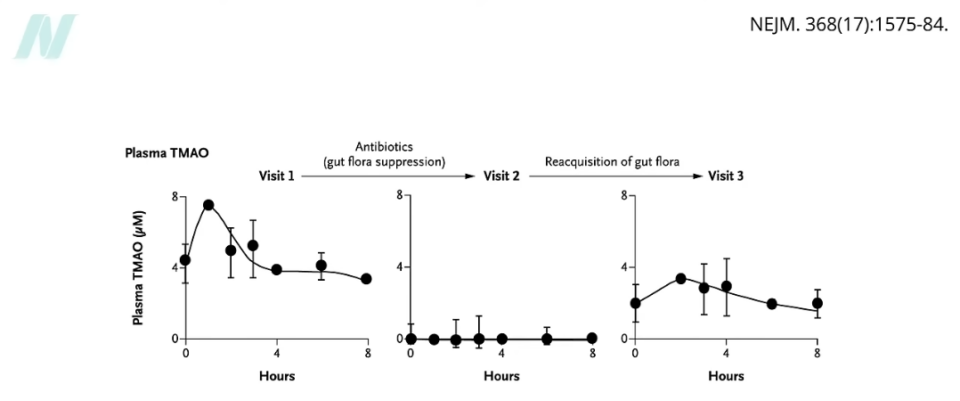
The mechanism is not merely theoretical; it is observable and immediate. Studies have demonstrated that when subjects are given two eggs, their blood levels of TMAO spike within hours. However, the true nature of this interaction is revealed through the role of the gut microbiome itself. In experiments where participants were treated with a course of antibiotics to temporarily eliminate their gut flora, the subsequent consumption of eggs resulted in no rise in TMAO. The biological "machinery" required to convert egg components into this toxic compound had been wiped out. Yet, the resilience of these microbial populations is telling: once the gut bacteria were allowed to recover over the course of a month, the egg-induced TMAO spikes returned with their original intensity.
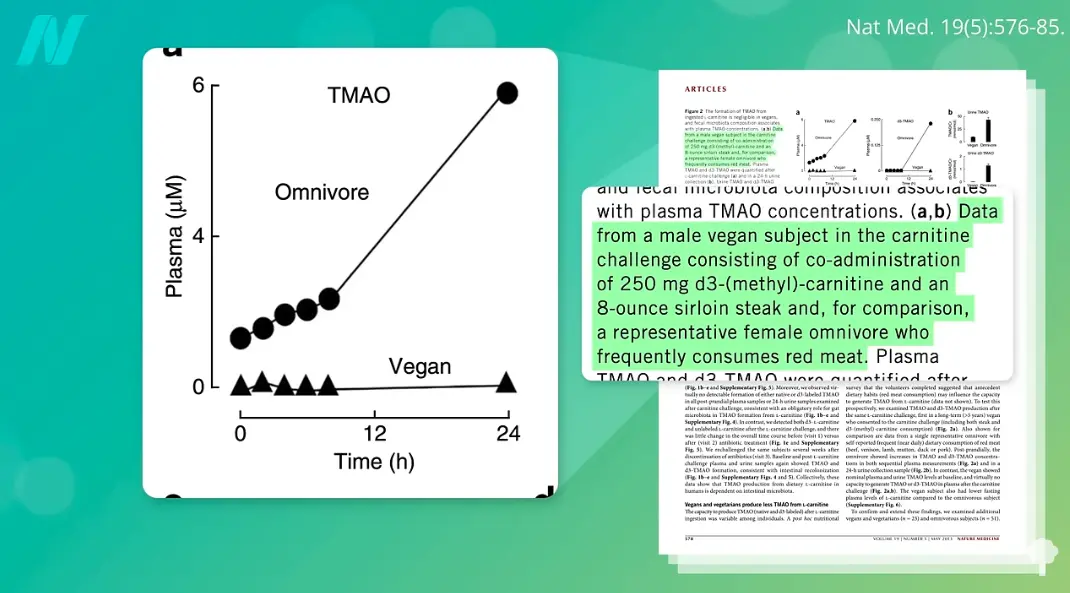
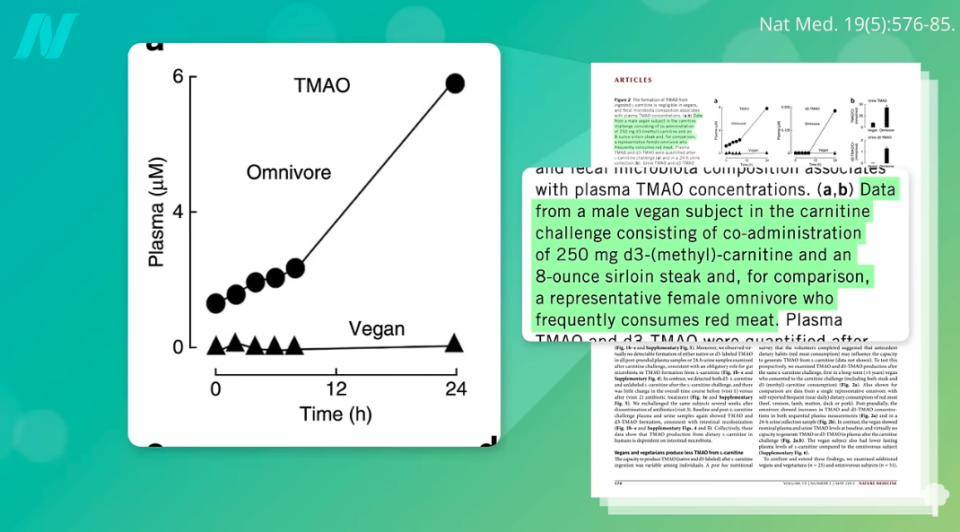
This phenomenon is not limited to eggs. Research indicates that the consumption of red meat, such as an 11-ounce steak, yields similar results. In studies, the spike in TMAO following meat consumption is absent in individuals who have undergone a depletion of their gut bacteria. This suggests that the development of cardiovascular risk factors is a two-part equation: it requires both the dietary intake of specific precursors—carnitine and choline—and the presence of specific, meat-loving bacterial strains in the gut. This provides a compelling explanation for why individuals who adhere to a strict vegan diet can consume a sirloin steak without experiencing a surge in TMAO; they simply lack the specialized microbial population required to perform the metabolic conversion.
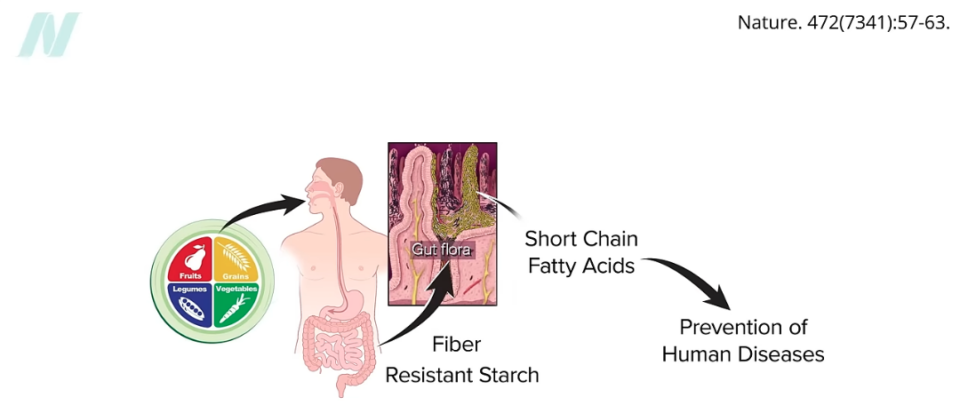
However, the influence of our diet on the microbiome is a two-way street. While certain foods can trigger the production of harmful metabolites, the consumption of whole plant foods—including fruits, vegetables, whole grains, beans, nuts, and seeds—can have the opposite effect. These foods provide the raw materials, specifically fiber and resistant starch, that serve as fuel for beneficial gut bacteria. When these microbes feast on plant-derived fibers, they produce short-chain fatty acids, such as butyrate, which are essential for maintaining a healthy physiological state.
The health benefits of these short-chain fatty acids are significant. They play a critical role in "sealing" a leaky gut, reducing systemic inflammation, improving insulin sensitivity, and assisting in healthy weight management. These metabolic advantages, however, are subject to the same fundamental rule as the production of TMAO: they depend entirely on the presence of the appropriate microbial team. One cannot expect the benefits of fiber without the fiber-feeding bacteria, known as Prevotella, necessary to process it.
Evidence for this can be seen in studies involving the consumption of whole, intact grains. For example, research on the introduction of barley kernels into the diet showed that after just three days of increased fiber and resistant starch intake, participants experienced a 25% improvement in insulin levels. This meant their bodies became more efficient, requiring less insulin to manage blood sugar spikes. Yet, results across populations are not uniform. While many individuals see remarkable improvements in their metabolic health, others see little change. The discrepancy lies in the individual’s existing microbiome composition. Those who lack a diverse population of fiber-loving Prevotella bacteria may struggle to reap the full rewards of a high-fiber diet, highlighting the need to consciously cultivate these populations through long-term dietary patterns.
The contrast between different populations illustrates this point vividly. Rural African children, who typically consume diets composed of 97% whole, plant-based foods, exhibit Prevotella levels that are significantly higher than those seen in populations consuming a standard Western diet. This microbial richness is reflected in the high concentrations of beneficial short-chain fatty acids found in their systems. Conversely, in industrialized societies, the standard diet often lacks the diversity needed to sustain these beneficial populations. However, the research suggests that by habitually choosing vegetarian and vegan diets, individuals can foster the growth of these fiber-eating bacteria, effectively reshaping their internal ecosystem over time.
This difference in microbial makeup may also explain the distinct inflammatory profiles observed between omnivores and vegetarians. Researchers have noted that the regular intake of animal-derived foods may create an intestinal environment that triggers systemic inflammation and contributes to metabolic disorders like type 2 diabetes. By contrast, a plant-based gut microbiota is linked to reduced levels of inflammation, which serves as a protective factor for overall health.
A common question is whether omnivores can achieve these benefits simply by adding more plants to their diet. The research suggests that there are inherent "constraints" on the production of these metabolites. Just as a vegan cannot instantly produce TMAO without the necessary meat-eating bacteria, an omnivore may find that their capacity to produce short-chain fatty acids is limited by a lack of fiber-feeding machinery. While increasing fiber intake is beneficial, it eventually hits a threshold if the underlying microbial population is not optimized.
For those who have not traditionally maintained a plant-heavy diet, the process of transformation takes time. The goal is to cultivate a diverse and resilient ecosystem of beneficial bacteria that can support human health throughout the lifespan. A whole-food, plant-based diet acts as the necessary catalyst for this growth, creating a feedback loop where the more diverse plant foods one consumes, the more robust the microbiome becomes. As the scientific consensus continues to evolve, it is becoming increasingly clear that our health is not merely a product of the nutrients we absorb, but a product of the dialogue between those nutrients and the microbial world living within us. The ability to shift this balance, and in doing so, potentially reduce the risk of chronic disease, remains one of the most powerful tools available for personal health management.