
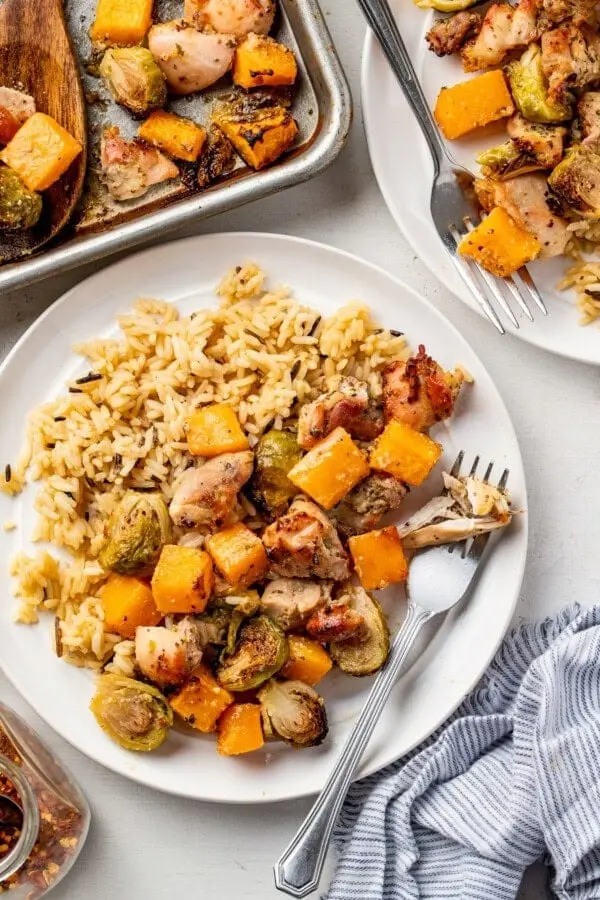
As the crisp air of autumn settles in, home cooks are increasingly turning to streamlined, one-pan solutions to navigate the demands of busy weeknights. The latest addition to this culinary landscape is a Maple Dijon Sheet Pan Chicken, a recipe that prioritizes both nutritional balance and the minimalist cleanup that has become a hallmark of modern, health-conscious meal preparation. By combining protein-rich chicken thighs with the quintessential flavors of the season—namely Brussels sprouts and butternut squash—this dish addresses the dual desire for wholesome, fiber-dense meals and the convenience required by modern lifestyles.
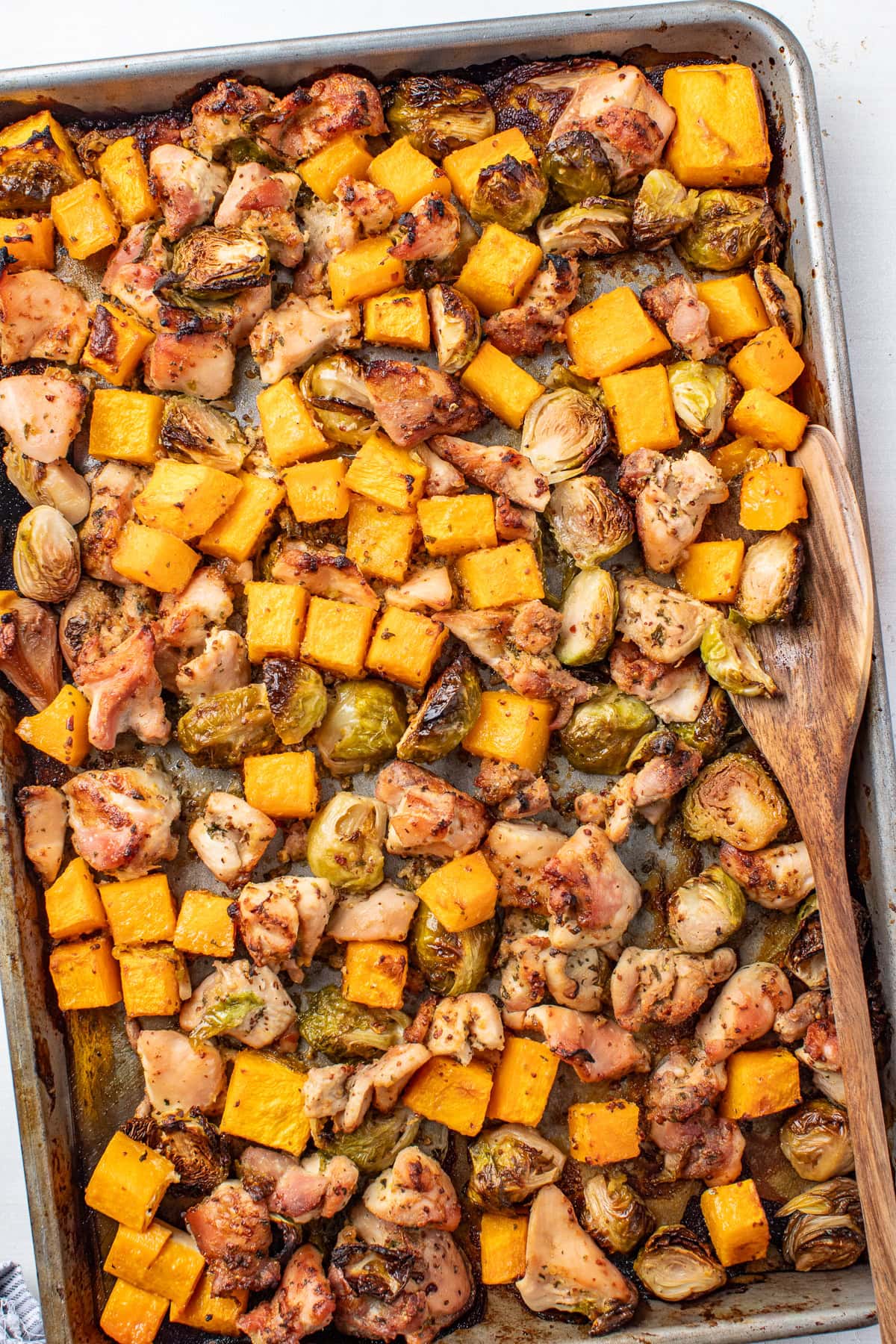
The popularity of sheet pan dinners has seen a significant uptick in recent years, a trend that reflects a broader shift toward "minimalist cooking." This philosophy emphasizes the use of fewer tools, reduced preparation time, and a focus on high-quality, seasonal ingredients that require little intervention to shine. The Maple Dijon Sheet Pan Chicken is a direct evolution of this movement, drawing inspiration from previous successes in the genre, such as the widely popular Sheet Pan Chicken Shawarma. The core appeal lies in the synergy of the ingredients: the richness of boneless, skinless chicken thighs provides a succulent base, while the natural sugars in the butternut squash and the earthy bitterness of the Brussels sprouts are harmonized by a tangy, sweet maple-mustard glaze.
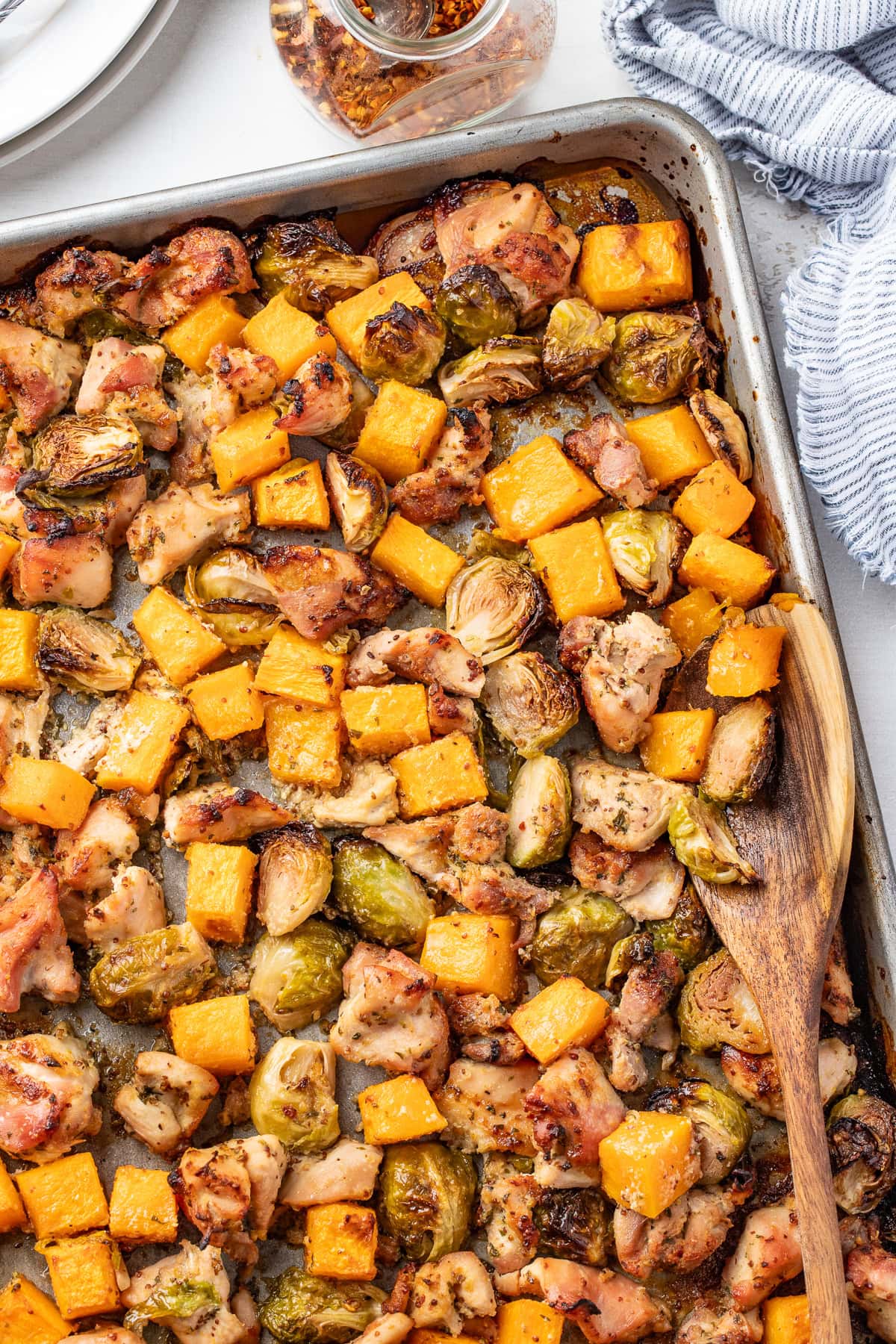
For many home cooks, the allure of such a recipe is not just in the flavor profile, but in the structural efficiency of the cooking process. Roasting all components together on a single pan ensures that the flavors meld, with the rendered fat from the chicken seasoning the vegetables as they caramelize in the oven. This method significantly reduces the "kitchen footprint" associated with dinner preparation, leaving the cook with little more than a single bowl and a sheet pan to clean. This focus on simplified logistics is a recurring theme in the culinary work of recipe developers like those behind the Skinnytaste brand, who have built a substantial following by addressing the friction points of daily meal planning.

The technical success of this dish relies on the balance of textures and the chemistry of the glaze. When the maple syrup and Dijon mustard are combined, they create a sauce that caramelizes beautifully under high heat. The mustard provides a necessary acidic sharp edge that cuts through the sweetness of the maple syrup, preventing the dish from becoming one-note. Meanwhile, the chicken thighs, which are more forgiving than breasts, remain tender and juicy throughout the roasting process, absorbing the sauce and providing a hearty foundation for the meal.

Beyond the immediate utility of the recipe, the dish serves as a case study in how to integrate seasonal produce into a high-protein diet. With 37.5 grams of protein per serving and a robust 5 grams of fiber, the meal is designed to be satiating without relying on heavy grains or processed additives. The nutritional profile, which keeps the total calorie count to approximately 361 kcal per serving, aligns with the requirements of individuals looking to maintain a balanced diet during the busier, more sedentary months of late autumn and winter.
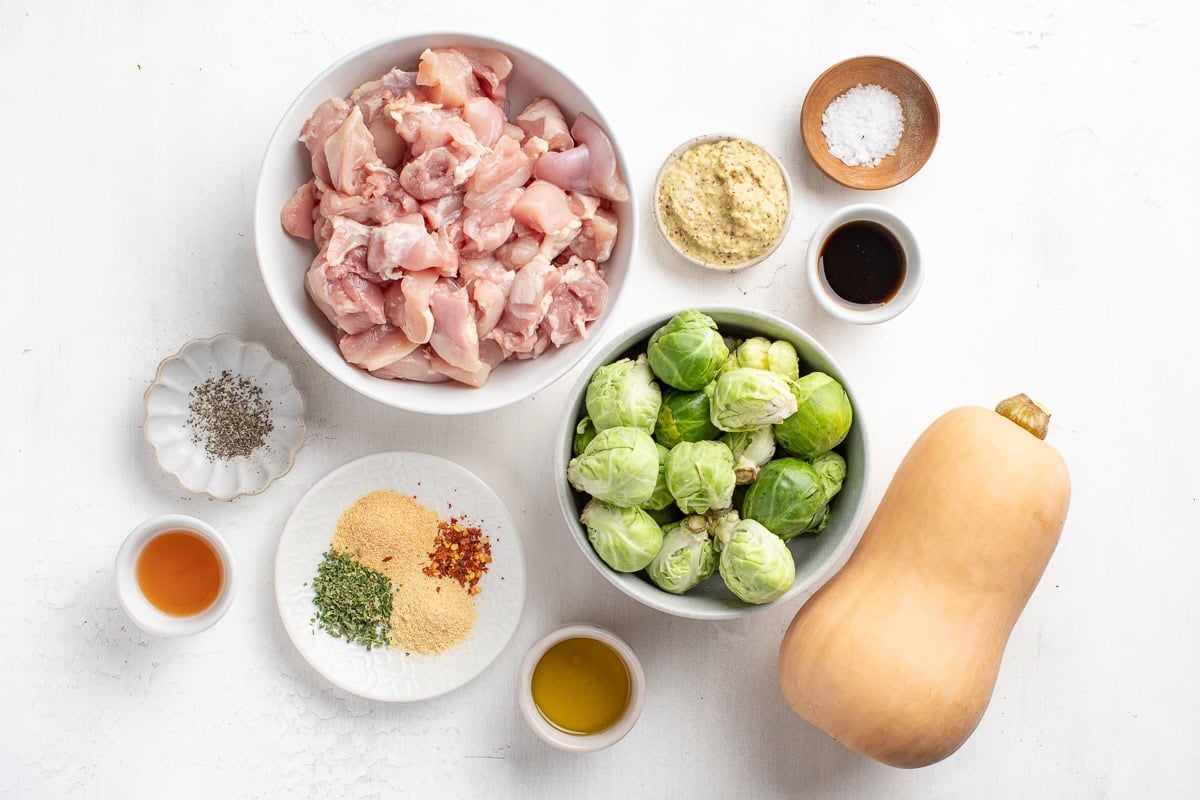
The adaptability of this meal is another factor in its design. While the recipe calls for a specific combination of squash and sprouts, the framework is intentionally flexible. Sheet pan dinners are inherently modular; cooks are encouraged to swap in root vegetables like carrots or parsnips, or to vary the mustard profile based on what is available in their pantry. This versatility is essential for home cooks who may be managing grocery budgets or responding to the limitations of their local seasonal markets.
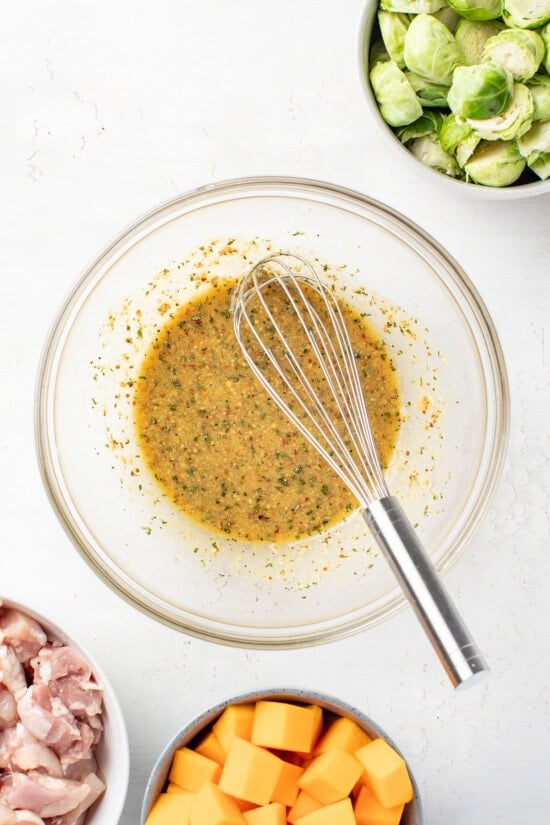
The emphasis on meal prep and storage also underscores the pragmatic nature of this recipe. Because the dish holds up well under refrigeration, it is positioned as a viable option for those who practice batch cooking. Preparing a double portion on a Sunday can provide several days of pre-portioned, high-quality dinners, effectively removing the "what’s for dinner" stressor that often leads to less healthy takeout or delivery choices during the work week.
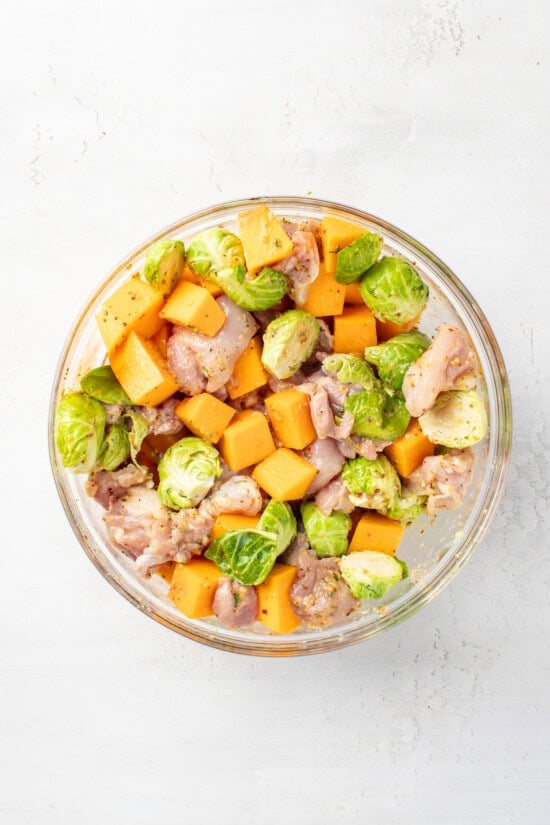
Professional culinary advice for executing such a dish centers on the importance of even distribution. To ensure proper roasting, ingredients should be cut into uniform sizes so that the squash, sprouts, and chicken reach their peak texture simultaneously. Overcrowding the pan is a common pitfall that can lead to steaming rather than roasting, so the use of a standard, large-format sheet pan is recommended to allow for adequate airflow. Following these principles ensures the caramelization that defines the dish’s flavor profile.
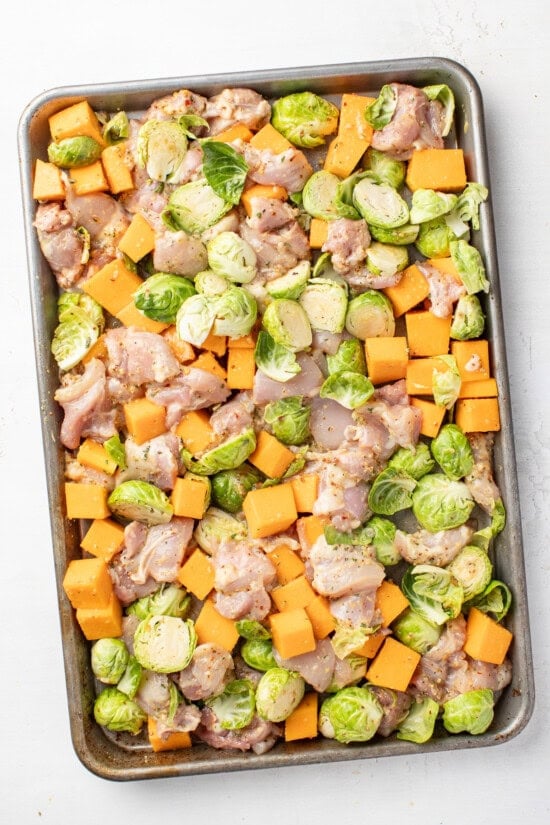
As the season progresses, the integration of these "one-pan" methodologies into the average household routine continues to grow. The success of the Maple Dijon Sheet Pan Chicken reflects a broader cultural realization that healthy eating does not have to be labor-intensive. By stripping away the complexity of traditional multi-vessel cooking and focusing on the interplay of heat, timing, and simple, high-impact ingredients, home cooks are able to reclaim their time without sacrificing the quality of their evening meals.
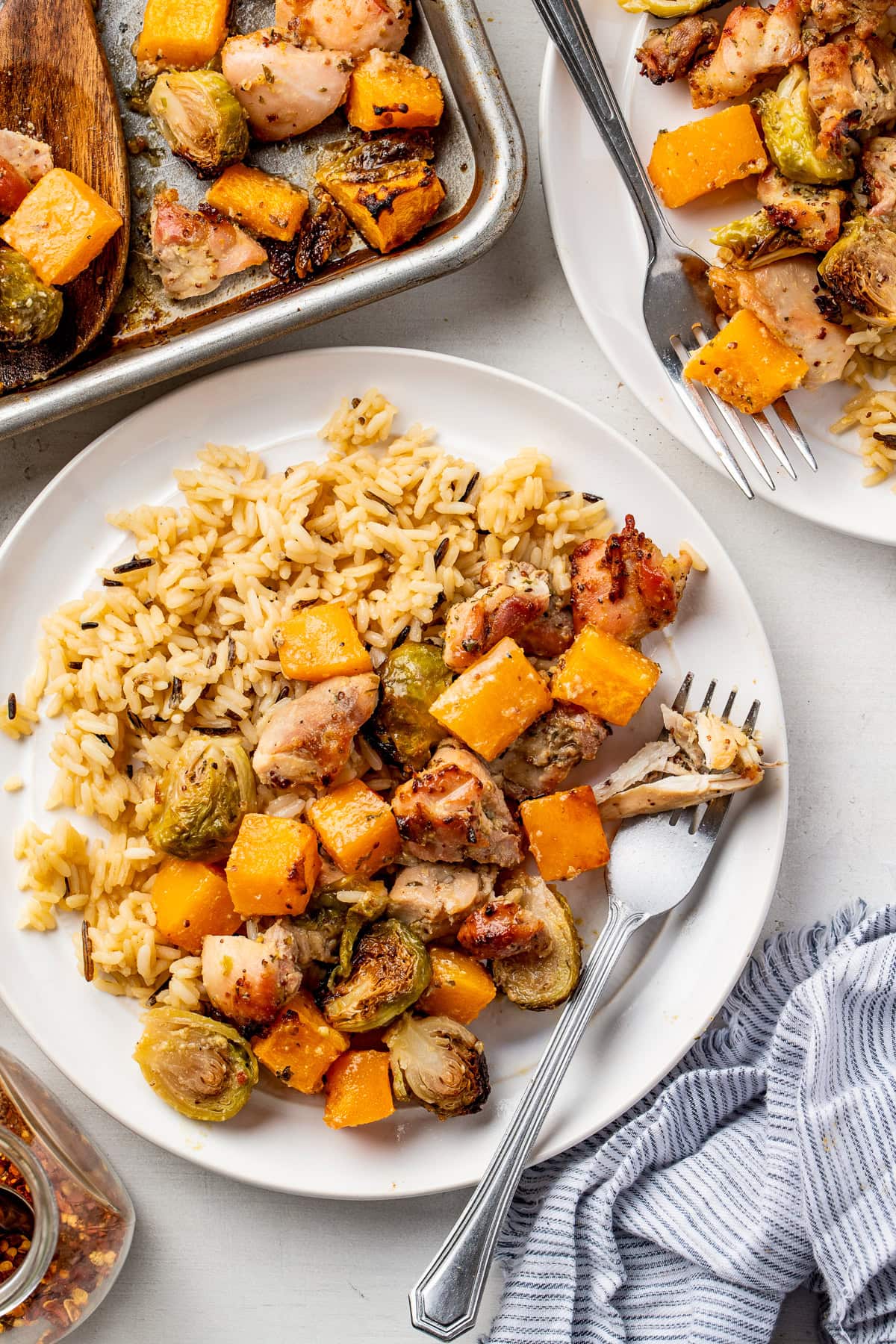
For those looking to expand their repertoire beyond this specific recipe, the broader category of sheet pan cooking remains a reliable source of inspiration. Whether experimenting with different protein sources, such as white fish or lean pork, or exploring a variety of herb-infused glazes, the foundation remains the same: a focus on efficiency, minimal cleanup, and the honest, straightforward preparation of whole foods. As we move further into the season, the reliance on such dishes is likely to remain a cornerstone of efficient, balanced home dining.