

By The Morning Shift
October 6, 2026
Good morning, and welcome to The Morning Shift for Tuesday, October 6, 2026. This is your daily comprehensive look at the top automotive, transit, and energy headlines shaping the global landscape and driving how people move today.
As geopolitical tensions continue to ripple through supply chains, today’s edition examines the perilous state of crude oil transit through the Strait of Hormuz, the widening gap between electric vehicle sales and charging infrastructure growth at ChargePoint, Porsche’s strategic pivot toward high-margin exclusivity, and Lucid Group’s latest production adjustments to clear out its growing vehicle backlog.
High-Risk Waters: Crude Oil Moves Through the Strait of Hormuz Despite Rising Kinetic Threats
If you have spent any time tracking the global economy recently, you are likely well aware that crude oil has become increasingly difficult to source. Gas prices are climbing at the pump, routine vehicle maintenance costs like oil changes are heading upward, and it is only a matter of time before downstream industries, such as plastics manufacturing, feel the acute pinch of restricted supply.

Given this climate of scarcity, it may come as a surprise that the strategically vital Strait of Hormuz is actively moving significant volumes of oil. In fact, more oil traversed the heavily contested waterway last week than during comparable seven-day periods prior to the outbreak of the ongoing regional conflict.
According to shipping intelligence service Marisks, ships transiting the Strait of Hormuz currently face a "heightened and increasingly unpredictable kinetic threat" driven by a sharp, recent surge in maritime traffic. Despite these severe hazards, provisional data from energy analytics firm Kpler shows that the seven-day moving average for crude exports from the region reached 18.3 million barrels per day by September 30. Furthermore, total volumes managed to top pre-war levels across 14 separate days throughout September.
This metric captures Gulf oil sent through the Strait, shipments routed via the Red Sea, and volumes handled through export terminals and ship-to-ship transfers in the Gulf of Oman. Industry analysts note that this recent export surge has been primarily driven by Saudi Arabia ramping up loading operations from both the Red Sea and the Gulf. This operational shift came roughly three weeks after a September 10 attack severely damaged the kingdom’s vital East-West oil pipeline.
With the damaged Saudi pipeline now reportedly operational once again, international energy markets are watching closely to see whether transit volumes through the Strait of Hormuz will taper off, or if the recent wave of maritime activity has established a new precedent for risk-tolerant operators navigating the volatile region.

Infrastructure Bottlenecks: ChargePoint Warns It Cannot Keep Up With EV Demand
The broader adoption of electric vehicles has long been burdened by a classic chicken-and-egg economic dilemma: consumers hesitate to purchase EVs because local charging infrastructure is sparse, while private investors and municipal planners delay building out charging stations because there are not yet enough EVs on the road to justify the capital expenditure.
However, recent operational data released by ChargePoint Holdings indicates that this delicate balance is beginning to tilt heavily toward consumer demand, creating a new infrastructural bottleneck.
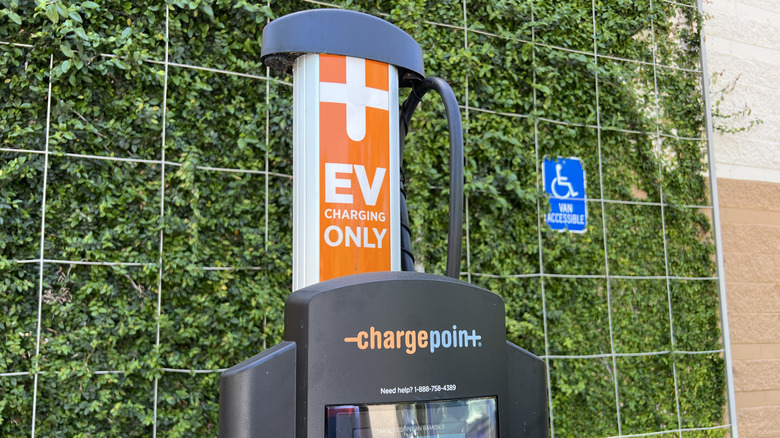
According to reports from Automotive News, the demand for electric vehicle charging is currently outpacing the physical deployment of new infrastructure at a velocity that industry experts warn could transform into a major barrier to future adoption. ChargePoint, a prominent U.S.-based EV charging solutions provider, recorded 34 percent more charging sessions globally over the past year. This figure stands at more than twice the 16 percent growth rate recorded for the installation of new charging ports during the same timeframe, highlighting a structural gap that analysts argue requires immediate, strategic intervention beyond simply adding more physical hardware to existing networks.
"Charging infrastructure isn’t keeping up with driving demand," said ChargePoint CEO Rick Wilmer in a recent corporate report. "Our volume of charging sessions increased by more than one-third, despite a much smaller increase in the number of vehicles on the road."

ChargePoint currently provides the hardware, software, and cloud-based integration systems utilized by more than a dozen major global automakers, including Mercedes-Benz, Toyota, Ford, General Motors, Hyundai, and Volvo. As range anxiety continues to evolve into infrastructure anxiety among everyday drivers, the pressure is mounting on energy providers and municipal leaders to accelerate grid expansion and station deployment.
Chasing Prestige and Profit: Porsche Seeks to Sell Fewer Cars for More Money
Following a broader industry trend toward maximizing profitability over raw volume—akin to General Motors leaning heavily into high-end Denali and AT4 trims—luxury sports car manufacturer Porsche is preparing to execute a similar turnaround strategy in response to sustained pressure from dissatisfied investors.
Porsche CEO Michael Leiters is facing his most significant leadership test to date as he unveils a comprehensive corporate strategy designed to revive the iconic brand and restore dwindling investor confidence, just nine months into his tenure. The stakes for the German automaker are exceptionally high. Porsche shares have plummeted, losing nearly half of their total market value since the company’s initial public offering in September 2022, and are currently trading at approximately 43 euros. The stock’s decline has been exacerbated by weaker consumer demand in the critical Chinese market, a temporarily thinning product lineup, and costly development delays impacting upcoming vehicle models.
To counteract these headwinds, Leiters is betting that Porsche can successfully transform into a smaller, highly agile, and profoundly more profitable automaker. The blueprint relies on balancing higher-volume utility models—such as the Macan and Cayenne SUVs—with lower-volume, exceptionally high-margin sports cars anchored by the legendary 911 platform. Achieving this turnaround will require aggressive cost containment alongside streamlined product development cycles to ensure new vehicles reach the market quickly and align directly with shifting consumer preferences.
While cost-cutting measures are standard protocol in corporate turnarounds, automotive enthusiasts and market analysts alike will be watching closely to see how these efficiencies are distributed, hoping that baseline economies do not compromise the engineering integrity expected of the brand’s flagship sports car lines.
Balancing the Ledger: Lucid Group Cuts Production to Clear Its Inventory Backlog
Lucid Group has earned widespread critical acclaim for engineering some of the most advanced and high-performing electric vehicles on the market, but the company has faced persistent challenges moving those luxury vehicles out of inventory and into the hands of buyers as quickly as its assembly lines can build them.
Faced with the economic realities of holding excess stock, Lucid has chosen to temporarily throttle its own manufacturing output to allow sales teams to work through its existing inventory backlog. According to third-quarter delivery figures released by Reuters, Lucid’s deliveries fell short of aggressive Wall Street estimates, prompting the luxury EV maker to reduce production runs compared to the previous quarter.
During the quarter ending September 30, Lucid delivered 3,806 vehicles globally, falling below the average analyst consensus estimate of 4,687 vehicles compiled by Visible Alpha data. On the manufacturing side, the company built 2,954 vehicles during the quarter, missing expectations set around 3,709 units. Notably, actual customer deliveries outpaced production by 852 vehicles as Lucid deliberately converted parked inventory into completed sales as part of a broader cost-cutting operational overhaul.

While managing inventory levels through controlled production pauses is a calculated measure to preserve capital and improve cash flow, market watchers note that sustaining production discipline will be critical as competition in the luxury EV sector intensifies.
The Fuel Up and On the Radio
At the fuel pump, American motorists are experiencing a notable trend reversal. After a prolonged period of declining or stabilizing costs that brought relief to everyday drivers, AAA data reveals another upward jump in national average gas prices, reflecting the underlying volatility of global crude supply chains and geopolitical pressures.
On the radio front, sometimes the subconscious dictates the soundtrack of the day. Waking up with Black Sabbath’s timeless anti-war anthem "War Pigs" playing on repeat serves as an apt reminder of the heavy, complex intersection between global industry, geopolitical conflict, and everyday transportation.