
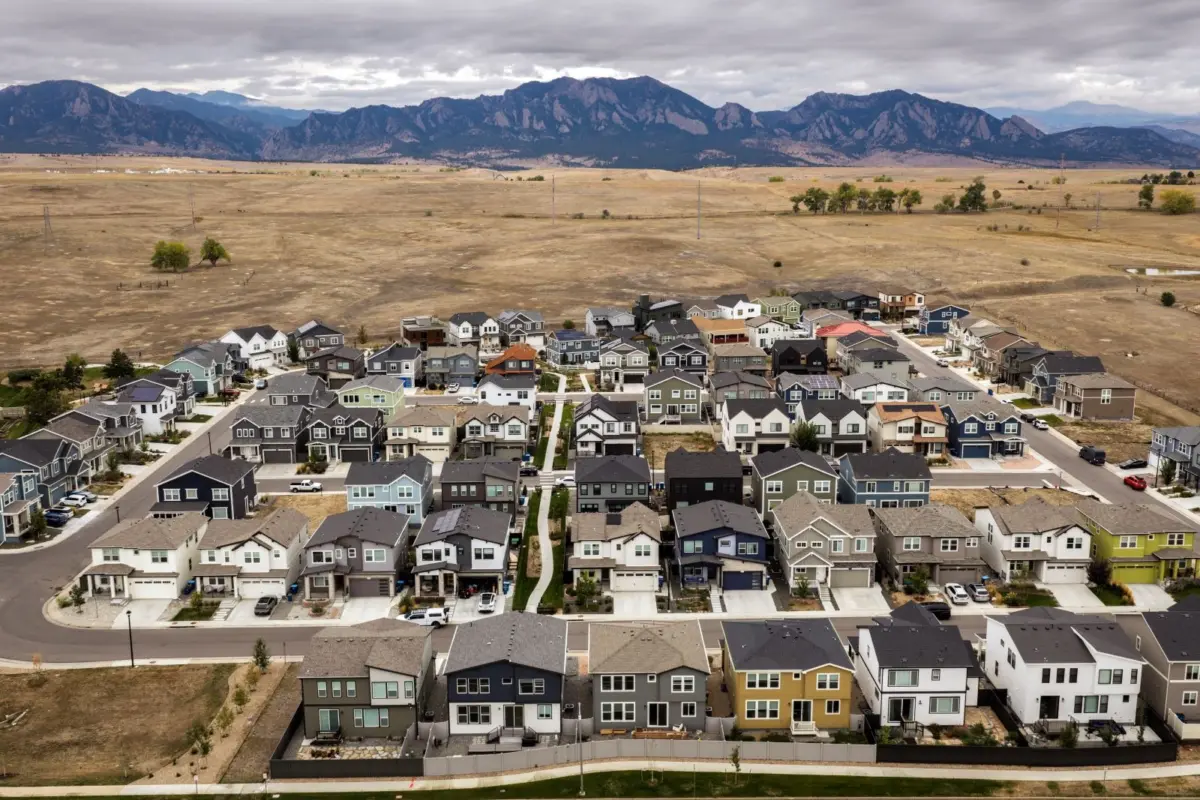
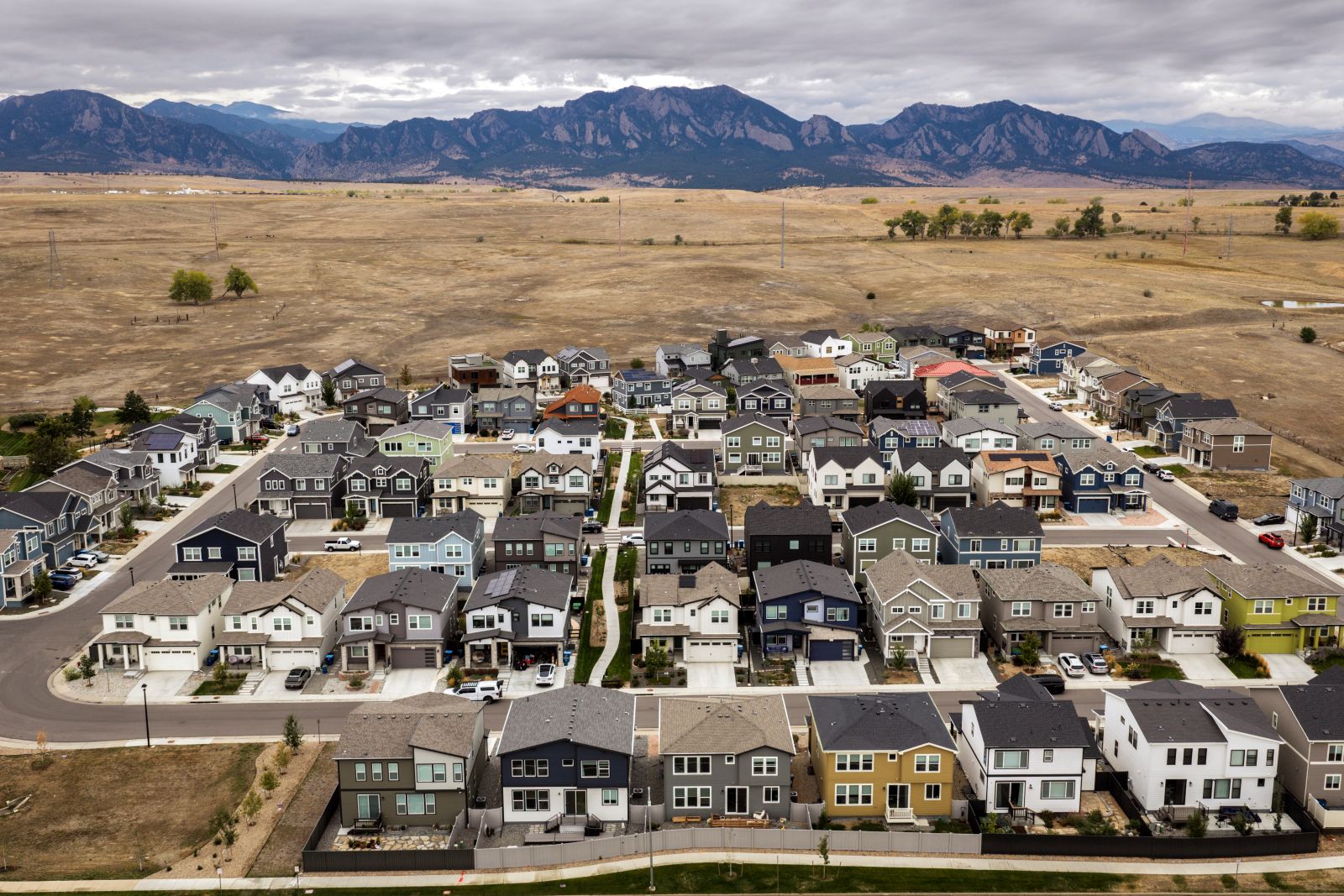
The Supreme Court opened its 2026-2027 term on Monday by plunging directly into one of the most contentious legal battlegrounds of the modern era: a high-stakes lawsuit brought by Boulder, Colorado, against energy giants ExxonMobil and Suncor, a Canadian oil company, seeking compensation for the mounting costs of a warming planet.
The case is part of a sprawling wave of litigation across the United States. In dozens of similar lawsuits, state and local governments have sued major fossil fuel companies, arguing that they bear direct responsibility for driving climate change and should pay for the escalating expenses communities face as they adapt to its devastating effects. Because of the nationwide scope of these efforts, the Supreme Court’s eventual decision could fundamentally decide the fate of all pending climate liability cases and determine whether oil companies can be forced to pay financial damages for the cumulative harms caused by their products.
During two hours of intense questioning, the justices gave no clear, definitive signs of how they ultimately intend to rule. However, over the course of the arguments, the bench demonstrated a striking degree of unison on one central theme: identifying who is legally and financially liable for the far-reaching impacts of a changing global climate is an exceptionally difficult and consequential task.
The legal journey of the Boulder case began in state courts in Colorado. Seeking to halt the proceedings before they could reach trial, oil and gas companies petitioned the Supreme Court to step in. The corporate defendants argued that monumental climate change matters should not be arbitrated at the local or state level. Instead, they maintain that such broad environmental and economic issues belong exclusively in the hands of Congress and the White House. Boulder, conversely, is urging the high court to reject the oil companies’ arguments and send the case back to Colorado so that local judicial proceedings can finally move forward.
As arguments unfolded, eight justices—with Justice Samuel Alito recusing himself from the proceedings—attempted repeatedly to distill the convoluted legal arguments into something legible and simple. Multiple times throughout the session, justices from both sides of the ideological spectrum posed a direct question to the attorneys standing before them: "Why make this argument so complex?"
Yet, despite their shared desire for simplicity, the justices seldom openly agreed on what a simpler legal framing would actually look like. The potential financial consequences and existential legal threats weighing heavily on the oil companies dominated large portions of the discussion. Meanwhile, the actual, lived consequences for local communities forced to grapple with the immediate physical and financial reality of a warming planet went largely unexplored by the bench.
Some judges attempted to characterize the lawsuit fundamentally as a case about reducing emissions—a framing that aligns closely with the core defense arguments presented by ExxonMobil and Suncor. If Boulder’s lawsuit is interpreted as an indirect attempt to curtail greenhouse gas emissions through the mechanism of a state court, it opens up the alarming prospect that a single state court could end up policing commercial activity, energy production, and consumer behavior all over the country, and potentially across the entire world. The companies argue that no single state law could ever be appropriate or constitutionally sound to apply to the cumulative global impacts of worldwide pollution.
"This case involves an unprecedented effort to use state law to regulate global conduct," said Kannon Shanmugam, the prominent attorney representing the oil and gas companies.
Several justices appeared sympathetic to that general viewpoint. Justice Brett Kavanaugh remarked that he could discern no practical difference between allowing a state court to order oil and gas companies to pay financial damages for climate-related harms and allowing an individual state to effectively regulate greenhouse gas emissions on a global scale.
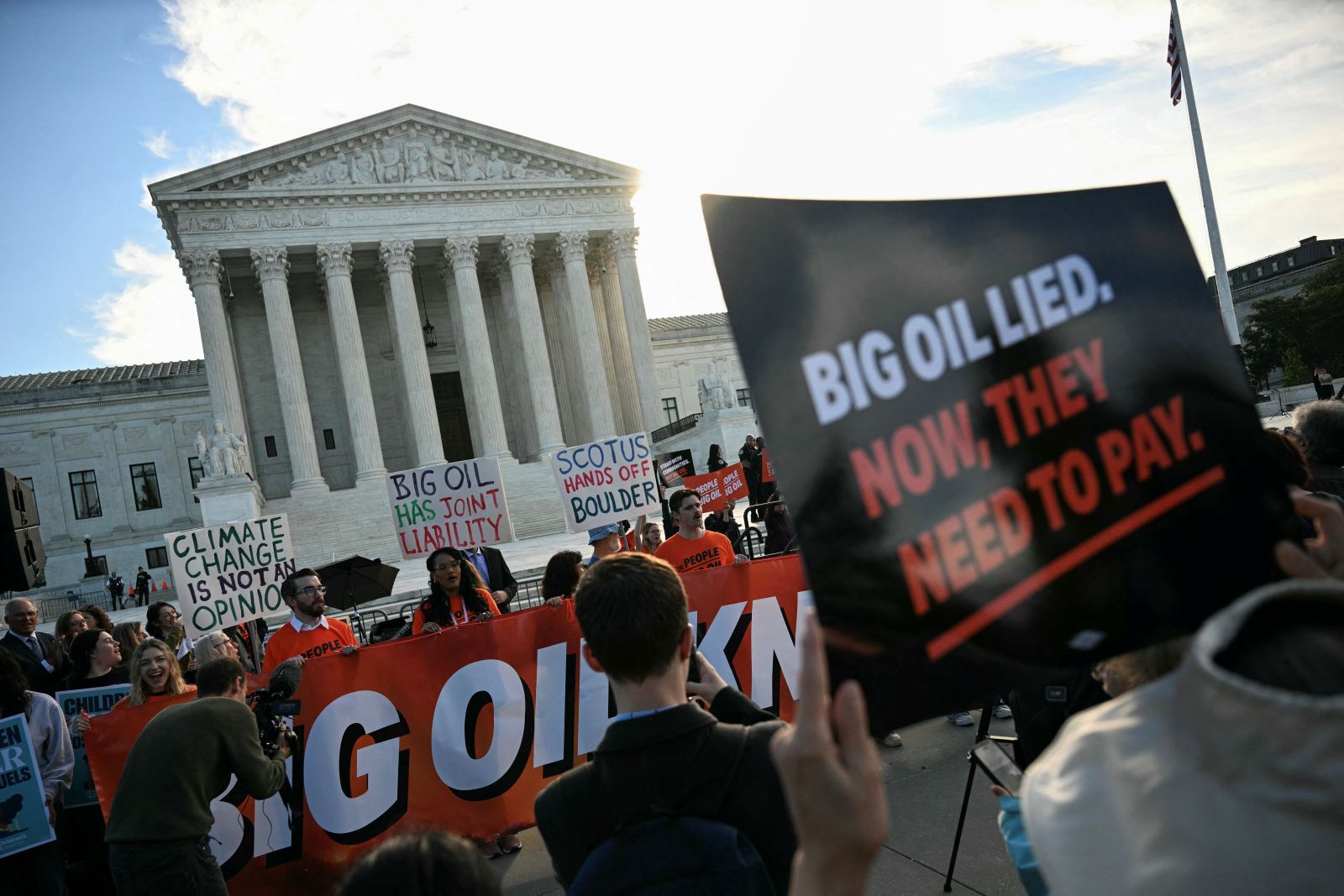
Kavanaugh cautioned Boulder’s attorney, Kevin Russell, that he was severely downplaying the devastating financial effect this lawsuit could have on the fossil fuel industry, warning that such liability could potentially "bankrupt" some of the participating companies. In his closing arguments, Shanmugam reinforced the idea that the chaotic, cascading legal consequences of allowing the case to proceed could quickly reach a scale matching the global breadth of climate change itself.
"Boulder could tag me […] when I am in Colorado in two weeks and sue me on a nuisance claim for refilling my car and thereby contributing to global climate change," Shanmugam told the court.
Ironically, these sweeping regulatory concerns were far removed from what Boulder explicitly stated it intended to achieve through its legal action. The city has never asked the court to stop companies from producing oil and natural gas, nor has it sought an injunction to prevent consumers who burn fossil fuels from emitting greenhouse gases into the atmosphere. Rather, the city’s core legal theory rests on corporate accountability: Boulder wants oil companies to pay financial compensation for allegedly deceiving the public for decades by concealing what they knew about the large-scale harms their products would cause through climate change.
Drawing a parallel to a historic era of public health litigation, Justice Elena Kagan argued that Boulder’s lawsuit bore a strong resemblance to the landmark suits that state governments brought against major cigarette companies during the 1990s. In those historical cases, states sought compensation for mounting public healthcare costs directly linked to widespread tobacco consumption. The tobacco companies were not legally required to stop selling cigarettes altogether, but they were forced to roll back their aggressive pro-cigarette marketing campaigns and fund extensive public awareness initiatives regarding the dangers of smoking.
"This is not an effort to reduce emissions," Russell said during his arguments for Boulder. "Under our deception theory, they can continue to produce as much fossil fuels as they like and contribute to as much air pollution and greenhouse gas emissions as the market will bear when consumers are properly informed about the consequences of that decision."
Later in the session, Russell reiterated the principle underpinning the city’s case. "It doesn’t prohibit them from engaging in the conduct," he explained. "It requires them to internalize a portion of the cost of their activities by paying for some of the damage."
Kavanaugh, however, dismissed Russell’s phrasing as "cavalier," arguing that the financial costs being demanded would be profoundly significant to the oil and gas industry. Indeed, several energy firms, including Suncor, have explicitly warned their corporate shareholders that the accumulating mass of climate lawsuits winding their way through American courts could severely impact their corporate bottom lines.
If the Supreme Court allows the Boulder case to proceed in Colorado state courts and the city ultimately secures a victory, Shanmugam argued it would open the floodgates for an unmanageable wave of similar litigation.
"More [suits] are being filed by the week," Shanmugam told the justices, emphasizing the urgency of the court’s intervention. "So given the extraordinary magnitude of these cases, where, in each of these cases, plaintiffs are seeking billions of dollars of damages, we need an answer to this question sooner rather than later."
Justices typically hear opening arguments and pose probing questions at the very beginning of the court’s annual term, then deliberate for months before publishing a formal decision. Ultimately, the question of federal preemption and state regulatory overreach was only one of several complex threads the justices teased apart during Monday’s arguments. Other debated topics included the constitutional boundaries of states’ regulatory authorities and the original congressional intent behind the Clean Air Act.
Legal experts note that the justices could choose from a wide range of distinct judicial rationales for their ultimate ruling. Each potential rationale would affect other pending climate suits against oil companies differently, because those separate lawsuits rely on varied legal foundations and state-specific statutes.
"States and local governments are trying to recoup costs related to harms from climate change in a lot of different types of lawsuits," said Erika Kranz, an attorney with Harvard Law School’s environmental and energy law program. Whether these other legal challenges "run into trouble will depend on how justices write their decision."
It remains entirely possible that the justices could ultimately decide to send the case back down to Colorado without issuing a broad constitutional ruling. They could do this either by determining that the Supreme Court was premature in taking up the dispute, or by splitting in a 4-4 tie vote. Such an outcome would leave Boulder entirely free to carry on with its state-level lawsuit. (Justice Alito has not publicly explained the specific reasons behind his decision to recuse himself from the case, though he has previously faced public scrutiny and criticism regarding personal investments in oil and gas companies unrelated to this litigation.)
Kranz and Chris Winter, the executive director of the Getches-Wilkinson Center at the University of Colorado Law School, noted that while it is difficult to predict whether the justices’ line of questioning signaled a definitive tilt toward the oil companies, it clearly demonstrated deep concern among at least a portion of the bench regarding the industry’s potential financial exposure.
Boulder’s legal team now faces the daunting task of convincing the skeptical members of the court that the financial risk to oil and gas companies is fundamentally beside the point, Winter explained. To succeed, Boulder must successfully overcome the justices’ persistent concerns that the city is attempting to use the state judiciary as a backdoor mechanism to regulate national and global emissions.
"There’s a lot of concern from the oil industry, from corporate actors, and from the conservative justices about the significant consequences of these cases," Winter said. "One way to get at that is to equate this case with previous cases, which were much more directly about regulation of pollution."