
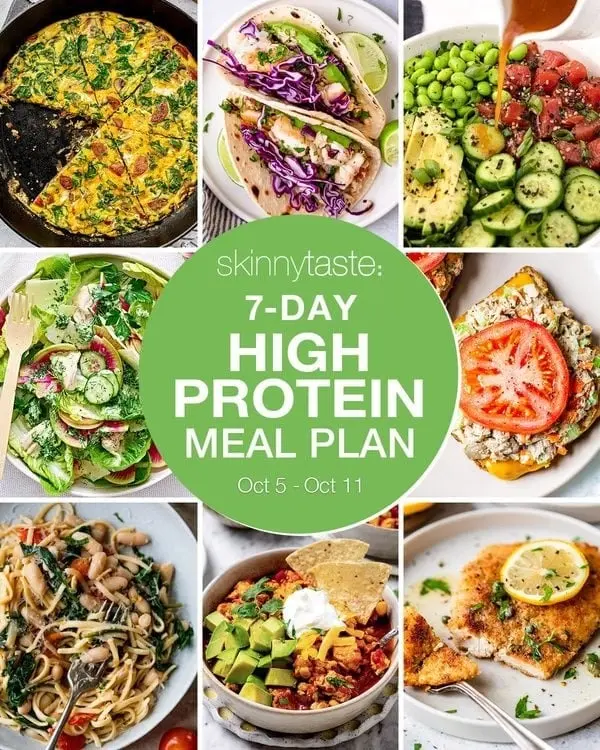
As the crisp air of autumn begins to settle in, seasonal transitions often bring a shift in dietary habits. With farmers’ markets and grocery stores overflowing with fall favorites—from hearty root vegetables to crisp orchard fruits—there is no better time to align one’s nutritional intake with the rhythms of the season. To support those looking to optimize their health during this period, a new 7-day high-protein meal plan has been released, offering a comprehensive approach to balanced eating that emphasizes both seasonal flavors and essential macronutrient goals.
The initiative comes as part of a broader effort to make healthy, protein-rich living accessible and structured. The meal plan, which spans from breakfast to dinner, is designed to provide clarity for those who find it challenging to reach specific daily protein targets. By integrating seasonal ingredients like apples, pears, sweet potatoes, squash, and Brussels sprouts, the plan demonstrates that prioritizing protein does not require sacrificing the culinary variety that autumn offers.
The Rationale Behind a High-Protein Focus
The emphasis on high-protein intake is not merely a trend but a strategic approach to long-term health and fitness. For many, increasing protein consumption is a key component of muscle gain and metabolic support. Beyond the physiological benefits, a protein-focused diet often leads to greater satiety, which can effectively curb the urge for impulsive snacking on sweets or processed foods between meals.
For those navigating this dietary path, the logic is straightforward: consistency is key. By distributing protein intake across three main meals, individuals can more easily hit their daily targets. For instance, a person aiming for 120 grams of protein per day might strive for at least 30 grams at each meal, supplemented by 10 to 30 grams during snacks. While individual needs vary significantly based on age, weight, and activity level, this structured approach provides a reliable framework for success.
It is important to note, however, that individual nutritional requirements are highly personal. While the plan suggests a baseline of 1,500 calories for many users, this is intended as a guide rather than a rigid prescription. Users are encouraged to view these plans as a flexible foundation, allowing for adjustments—such as the addition of beverages, fruits, or snacks—that cater to their unique lifestyle and caloric needs. Consulting with a healthcare provider or a registered dietitian remains the gold standard for those seeking to tailor these recommendations to their specific metabolic health.
Managing Nutritional Goals and Health Considerations
One of the significant challenges in modern nutrition is navigating changing guidelines, particularly for those involved in programs like Weight Watchers. Recent updates to the Weight Watchers point system, which now includes a broader range of zero-point foods such as oatmeal, have necessitated a recalibration of existing recipe databases. While updating thousands of legacy recipes is a time-intensive process, modern digital tools have bridged the gap. Current recipes on the platform are integrated with digital builders that automatically calculate points, ensuring that users have access to the most up-to-date nutritional data directly from their devices.

While the benefits of a high-protein diet are well-documented for many, there are critical exceptions to consider. Individuals with underlying medical conditions, such as kidney or liver disease, gout, or specific metabolic disorders, must exercise caution. For older adults, particularly those with reduced kidney function, significantly increasing protein intake can lead to potential complications. Consequently, the importance of professional medical consultation cannot be overstated before making significant dietary changes.
Integrating Structure into Daily Life
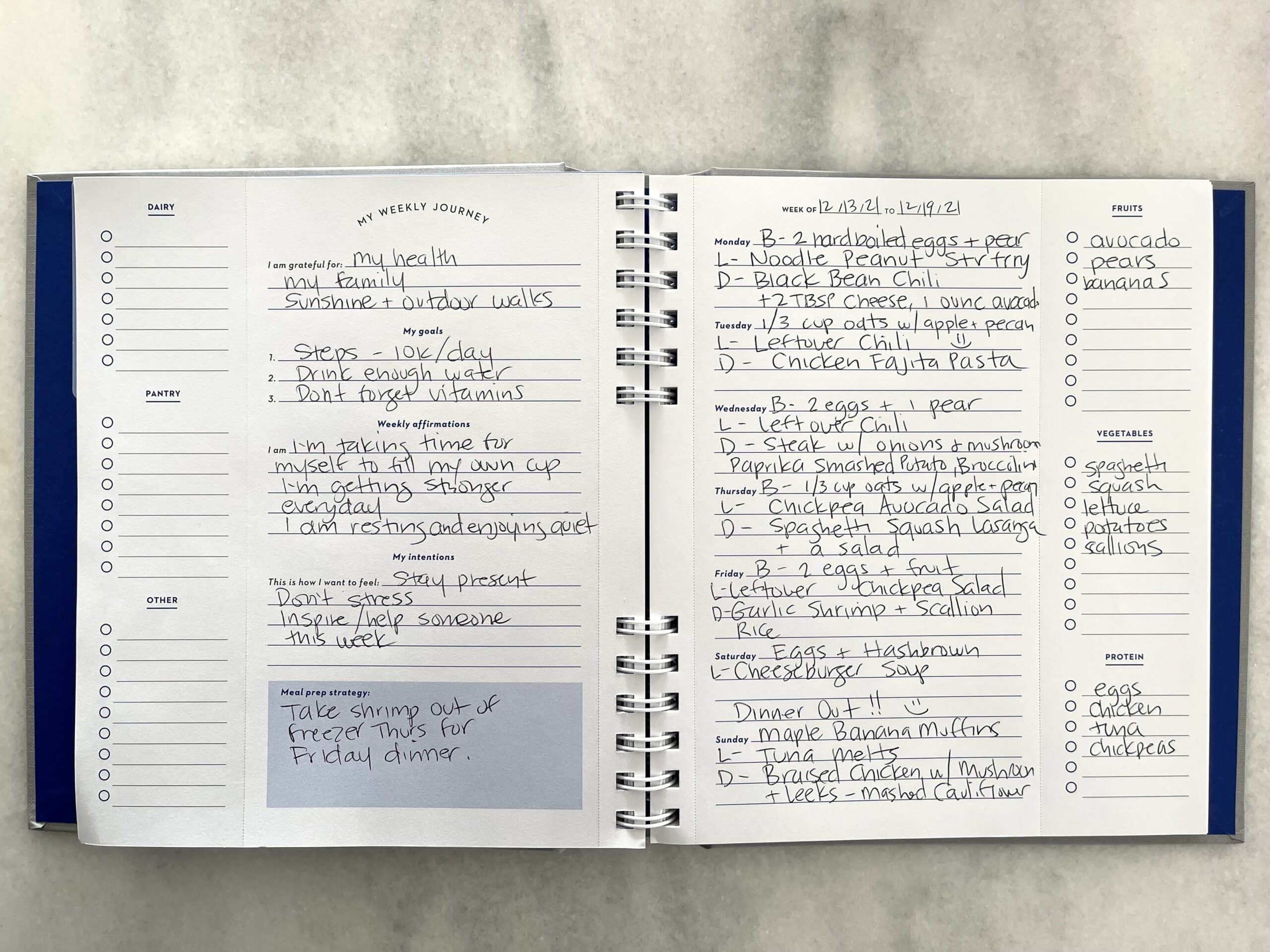
For those who enjoy a more tactile approach to meal planning, the release of updated organizational tools, such as the 52-week spiral-bound meal planner, underscores the importance of intentionality. Beyond the logistics of grocery lists and meal grids, these planners often include space for gratitude, affirmations, and goal setting. This holistic approach suggests that the act of meal planning is as much about mental clarity and mindfulness as it is about nutrition.
The provided 7-day plan serves as a practical application of these principles. The schedule is meticulously organized: Monday through Friday, breakfast and lunch are designed for the individual, while dinners and weekend meals are scaled for a family of four. This structure acknowledges the reality of modern life, where leftovers are not just a convenience but a strategic way to ensure a high-protein lunch is readily available for the following day.
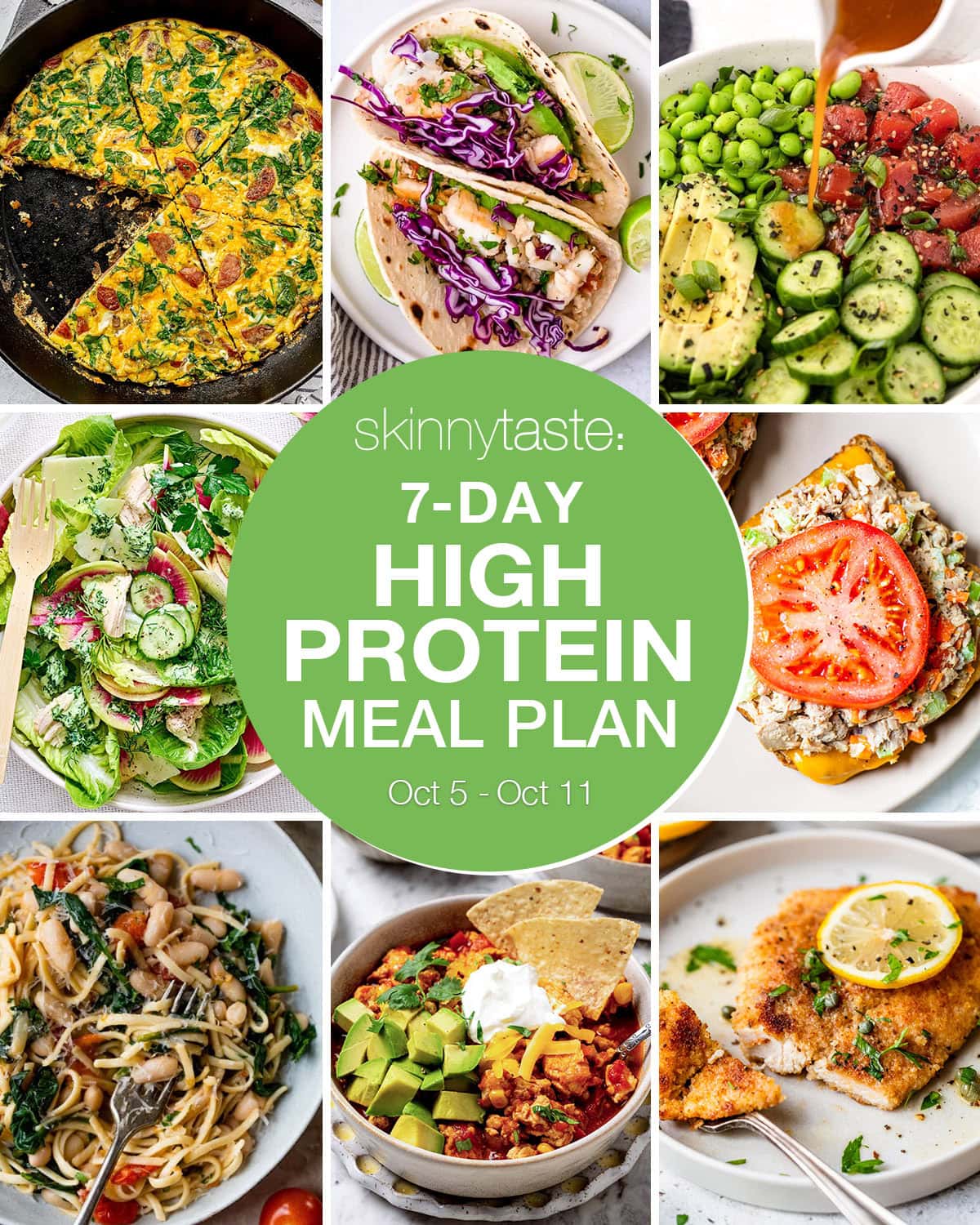
The weekly schedule begins on Monday with a focus on ease and efficiency, featuring a "Meal Prep Breakfast Taco Scramble" and a "Chicken Brown Rice Bowl." As the week progresses, the menu shifts to include a variety of proteins, such as white bean scampi, cilantro-lime tilapia tacos, chicken piccata, and crockpot turkey chili. The weekend offerings, such as a "Savory Cottage Cheese Bowl" and "Smoked Turkey Sausage Breakfast Skillet," round out the week by providing hearty, satisfying options that maintain the protein-forward theme.
Building a Sustainable Community
Beyond the recipes themselves, the importance of community support in achieving health goals is evident. Many individuals find that sharing progress, photos, and ideas within a community setting—such as the active Skinnytaste Facebook group—provides the motivation needed to stay on track. This shared experience fosters a sense of accountability and creativity, as members exchange tips on modifying recipes and managing their unique dietary challenges.
The comprehensive nature of the grocery list accompanying this plan is intended to streamline the shopping process, reducing the friction that often prevents people from sticking to their goals. By categorizing items into produce, meat, dairy, and pantry staples, the plan aims to minimize time spent in the grocery store while maximizing the quality of the ingredients brought home.
As the season continues, the focus remains on the intersection of health, flavor, and practicality. Whether one is looking to increase muscle mass, improve satiety, or simply find a more organized way to navigate the kitchen, the integration of high-protein meals with the bounty of the autumn harvest provides a sustainable path forward. By leveraging the flexibility of these plans and maintaining open communication with healthcare professionals, individuals can continue to refine their approach to wellness, ensuring that their dietary choices support their broader health objectives throughout the year. As with any wellness journey, the most effective plan is the one that can be consistently and enjoyably integrated into the rhythm of daily life.