
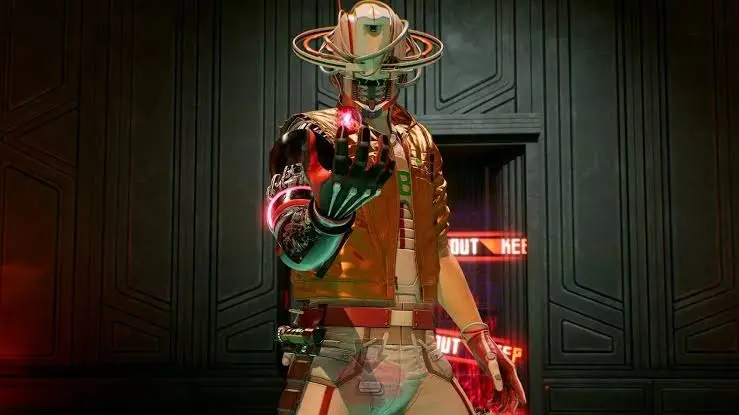
In a significant move for the independent development landscape, Tokyo-based studio Grasshopper Manufacture has officially announced its separation from NetEase Games. The developer, best known for its long-standing reputation for idiosyncratic and stylized action titles, is returning to its roots as an independent entity, marking the end of a three-year tenure under the Chinese gaming giant.
The announcement came via an official press release issued by studio CEO and industry icon Goichi "Suda51" Suda. According to Suda, the decision was a strategic pivot fueled by the studio’s evolving creative ambitions. The catalyst for this transition was the development and subsequent launch of Romeo is a Dead Man earlier this year. The experience of bringing that project to market prompted a reflective period for the studio’s leadership, leading them to reassess their operational structure and long-term trajectory.
"We found a strong desire to deliver titles in an even wider variety of styles to video game lovers everywhere," Suda wrote in his statement. "As such, Grasshopper Manufacture has chosen to move forward as an independent developer once again."
The transition, according to the studio, was handled through a series of collaborative discussions with NetEase Games. While many corporate divestitures can be marked by friction, Suda emphasized that the split was amicable, characterized by mutual respect and cooperation. He noted that the bond forged between the two organizations over the past few years remains strong, and he explicitly left the door open for future partnerships, suggesting that while the formal ownership structure has dissolved, the professional relationship remains intact.
A New Chapter for the "Suda51" Brand
For fans of Grasshopper Manufacture, the return to independence is a return to a familiar operational mode. Since its founding in 1998, the studio has carved out a unique niche in the global gaming industry. Suda51, often referred to as a "punk rock" auteur of video games, has built a legacy on titles that defy traditional genre conventions. From the surrealist psychological thriller Killer7 to the cult-classic action franchise No More Heroes and the gothic, over-the-top Shadows of the Damned, the studio has always prioritized a distinct, uncompromising aesthetic.
The return to independence is framed not just as a change in ownership, but as an evolution of the studio’s internal capabilities. Suda highlighted that the time spent within the NetEase ecosystem has been instrumental in refining the team’s professional expertise. Specifically, he pointed to the "self-publishing know-how" that the studio has acquired during their partnership. This newfound proficiency grants the team greater agency over how their games reach audiences, allowing them to navigate the modern gaming market with a broader range of options than they might have had in the past.
Despite the shift in administrative structure, the core ethos of the studio remains firmly in place. Suda reassured his audience that the commitment to the "NO GAME NO LIFE" philosophy—a mantra that has become synonymous with the studio’s high-energy, high-style output—remains unchanged. He emphasized that regardless of future publishing arrangements, the team is dedicated to producing games that retain the "signature flavour" that has defined their catalog for over two decades, while simultaneously pushing for higher standards of production quality.
Contextualizing the Journey: From GungHo to NetEase
To understand the weight of this announcement, one must look at the historical trajectory of Grasshopper Manufacture. The studio has had a varied corporate journey over the last decade, transitioning through different parent organizations as the gaming industry shifted toward consolidation.
For many years, Grasshopper Manufacture was closely associated with GungHo Online Entertainment. The studio became a part of the GungHo Group in 2013, a period that saw the developer continue its tradition of creative experimentation while benefiting from the infrastructure of a larger Japanese publisher. This arrangement lasted for several years, providing the studio with the stability required to work on some of its more ambitious titles.
However, the industry-wide trend of investment and acquisition by global conglomerates eventually reached the studio. In 2021, NetEase Games acquired Grasshopper Manufacture from GungHo in a deal that was widely viewed as a major play by the Chinese tech giant to bolster its portfolio of international, high-quality development talent. The terms of that 2021 acquisition, including the financial details, were never disclosed, maintaining a level of opacity that has been common in the high-stakes world of game studio acquisitions.
The integration into NetEase was seen at the time as a significant endorsement of Suda51’s creative vision, providing the studio with the capital and global reach of one of the world’s largest publishers. Now, as the studio opts to depart, it highlights a unique trend in the current gaming climate: studios that utilize the resources and expertise of large parent companies to scale up their operations, only to leverage those newly developed internal systems to strike out on their own once they have achieved a level of self-sufficiency.
The Road Ahead
The decision to return to independence comes at a time when the "mid-tier" and independent developer space is facing intense pressure from rising development costs and shifting market trends. By choosing to step away from a major corporate umbrella, Grasshopper Manufacture is signaling confidence in its ability to navigate these challenges through its established brand identity and the refined operational expertise it gained during the NetEase years.
The development of Romeo is a Dead Man served as a litmus test for the studio’s current capabilities. With the project completed and the studio’s creative direction recalibrated, the team is now moving into a new phase. For Suda, this is about ensuring that the "Grasshopper" brand remains synonymous with innovation and creative freedom. While the business model may have changed, the creative output is expected to follow the trajectory set by the studio’s historical successes.
As the industry watches to see how Grasshopper Manufacture fares as an independent studio in this current era of gaming, the focus will undoubtedly remain on the next project from the team. Suda51 has consistently proven his ability to surprise and challenge player expectations, and his latest declaration suggests that he is ready to lean even further into the idiosyncratic style that has made his studio a staple of the industry for over 25 years.
While the administrative details of the departure are finalized, the narrative of Grasshopper Manufacture remains one of resilience and creative persistence. By taking the lessons learned from their time under both GungHo and NetEase, the studio is positioning itself to be a leaner, more agile, and more focused developer, ready to face the demands of the modern market on its own terms. As they move forward, the focus remains entirely on the work—continuing to push the boundaries of what is possible in interactive media, while staying true to the unconventional spirit that has always driven their creative process.