
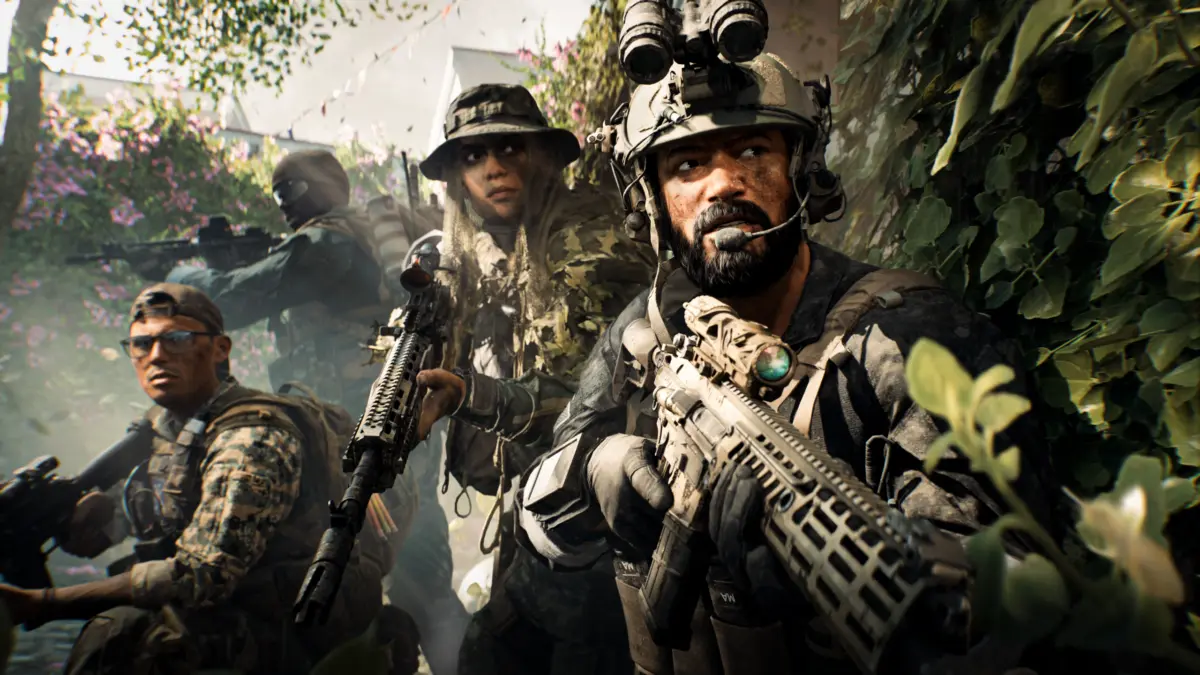
Rebecka Coutaz joined DICE at a pivotal, high-stakes juncture in the storied Swedish developer’s history. Stepping into the role of VP and General Manager in November 2021, she arrived just two weeks after the launch of Battlefield 2042. The title was meant to be the next generation of the franchise, but it instead arrived to a brutal reception. Reviews were predominantly negative, the player base was vocal about its dissatisfaction, and the project was plagued by persistent technical instability. For a studio that had long been synonymous with high-fidelity, large-scale multiplayer action, the situation was nothing short of a crisis. EA CEO Andrew Wilson eventually acknowledged the failure to shareholders, candidly describing the game’s sales performance as "disappointing."
Looking back at that turbulent transition, Coutaz—now serving as the VP and GM of Battlefield Studios Europe, where she oversees both DICE and Criterion—admits that the situation was daunting. There was, as she puts it, "a lot of work to do." However, the path forward required more than just fixing the technical bugs that had marred the initial experience; it required a fundamental shift in the studio’s operational philosophy. The internal strategy had to pivot from a traditional, siloed development model toward a more agile, service-oriented structure.
"We listened to our players, and we completely reorganized ourselves to be able to release season one," Coutaz explains. "We did that back in May 2022, six months after launch. And to be able to operate a live game, we have to be organized in a different way. We have to develop in a different way. We released patches every two weeks, which is a different kind of way of developing and organizing. We changed the way we worked. We changed the organization. We changed the process. We also had to work a little bit on our culture as well to listen to our people and empower them. When we empower our people, it brings us the agility that we need when we are operating a live game. We learned so much. But it was tough. It was hard."
A New Era of Leadership and Collaboration
Coutaz was not the only new face brought in to steer the ship in 2021. The franchise underwent a significant leadership overhaul during that same period. Prior to the launch of the troubled 2042, the industry saw the appointment of Call of Duty veteran Byron Beede as the new GM of the Battlefield franchise. Simultaneously, Respawn Entertainment head Vince Zampella was drafted to provide a new strategic vision for the series at the end of 2021. These leaders were tasked with a singular, ambitious objective: to restore the reputation of a brand that had served as a pillar of the electronic entertainment industry for decades.
"They set the vision of what Battlefield should be in the future," Coutaz says. "They felt that we should do a comeback and that we should deliver the best Battlefield ever. The franchise has a long history, and the franchise is one of the biggest ones in the entertainment industry, not only in the video game industry. We had a very clear vision."
To bring this vision to fruition, the studio recognized that the traditional model—where DICE handled the lion’s share of development—was no longer sustainable. The complexity of modern gaming, which now demands a mix of multiplayer, single-player campaigns, and live-service free-to-play components, required a more distributed approach.

"We could no longer be just one studio," Coutaz notes. "It could no longer be only DICE. We were creating so many different kinds of gameplay, not only multiplayer, but single-player and free-to-play experiences. This is where we decided that we would be several studios working from the beginning on Battlefield 6."
This collaborative model brought together a powerhouse of internal EA studios: DICE, Criterion, Motive Studios, and Ripple Effect (the studio formerly known as DICE LA). While Ripple Effect had been contributing to the franchise since 2013’s Battlefield 4—notably spearheading the "Battlefield Portal" mode in 2042—and Criterion had assisted with Battlefield 5 and 2042, the shift for Battlefield 6 was structural. Instead of acting as support studios brought in during the late stages of production, these teams were integrated as core partners from the very inception of the project.
Managing such a massive, cross-studio collaboration presented significant logistical challenges, particularly given the global distribution of these teams and the varying time zones involved. Coutaz emphasizes that the success of this model hinges on a delicate balance of clear, unified direction and operational autonomy.

"There is team ownership, otherwise this powerful model of four studios behind one single vision wouldn’t work, because you have time zone differences and so on," Coutaz says. "We have to be very clear at the setup of the vision and be very clear on what each team is responsible for. And then they can create within that framework and interoperate as they want to within that kind of framework. The vision has to be clear, but we have to let the teams act and create and innovate at their own initiative, in their own way of working, and at their own speed to be able to make the best game ever."
Sustaining the Momentum
The result of this rigorous organizational restructuring was a resounding success. Battlefield 6 arrived as the antithesis of its predecessor’s launch. The game was met with universal acclaim, experienced a remarkably smooth rollout, and achieved significant commercial success, moving over seven million units in its first three days. By the time it settled into the market, it had secured the title of the best-selling game of 2025 in the United States.
However, the team at Battlefield Studios is not resting on the laurels of a successful launch. According to Coutaz, the focus has already shifted toward long-term support, player engagement, and the incorporation of new technological innovations to keep the series at the forefront of the genre.

"Battlefield 6 was a comeback. It’s a nice story to tell," Coutaz says. "Today we have a lot of players playing Battlefield. We revealed our roadmap for the upcoming seasons back in April. We talked about Naval Warfare on season four. And you can imagine that because our players are having fun on the battlefield, that we will continue to provide content to our players. Battlefield is a platform. It’s going to be there. And we are continuing. We are listening to our players and we are continuously learning. We’re preparing ourselves; we have to continue to be better. We have to continue to incorporate technology and new ideas and creativity so that we can continue to provide the best experience ever. That doesn’t change."
Despite the success, the road has not been entirely free of turbulence. In March, EA implemented an unspecified number of layoffs at the Battlefield studios, a reminder of the shifting economic landscape within the gaming industry. Additionally, the spin-off title Battlefield Redsec has faced mixed reception on platforms like Steam, underscoring the difficulties of balancing a core franchise with experimental new entries. Furthermore, the competitive landscape has evolved rapidly, with smaller, agile studios like Arrowhead—the developers of Helldivers—and Embark, a studio founded by DICE veterans, increasingly setting the pace for innovation in the action and shooter market.
When asked about this intensifying competition, Coutaz remains steadfast in the studio’s philosophy. She maintains that looking over one’s shoulder at rivals is not the way to foster genuine creativity or long-term player loyalty.

"Of course we’re always looking into the competitive landscape," Coutaz says. "We are never chasing a competitor. That’s not the way that we create games. We wouldn’t make good games if we were chasing our competitors. We are making games because we believe in what we’re doing, because we’re listening to our players and what they want to do. Is competition good? Yes. It pushes us. It pushes us to take more risk, to be creative, to innovate, but we never chase any competition."
Ultimately, the goal remains consistent: the player experience. Whether it is through seasonal updates, technological upgrades, or refining the core gameplay loop, the objective is to ensure that the Battlefield community feels heard and satisfied. As Coutaz concludes, "The most important thing for us is the feedback from our players that they are engaged, that they are having fun, and that they want more."
Disclaimer: Alex Forbes-Calvin is a freelance journalist and writer who has previously worked with DICE.