
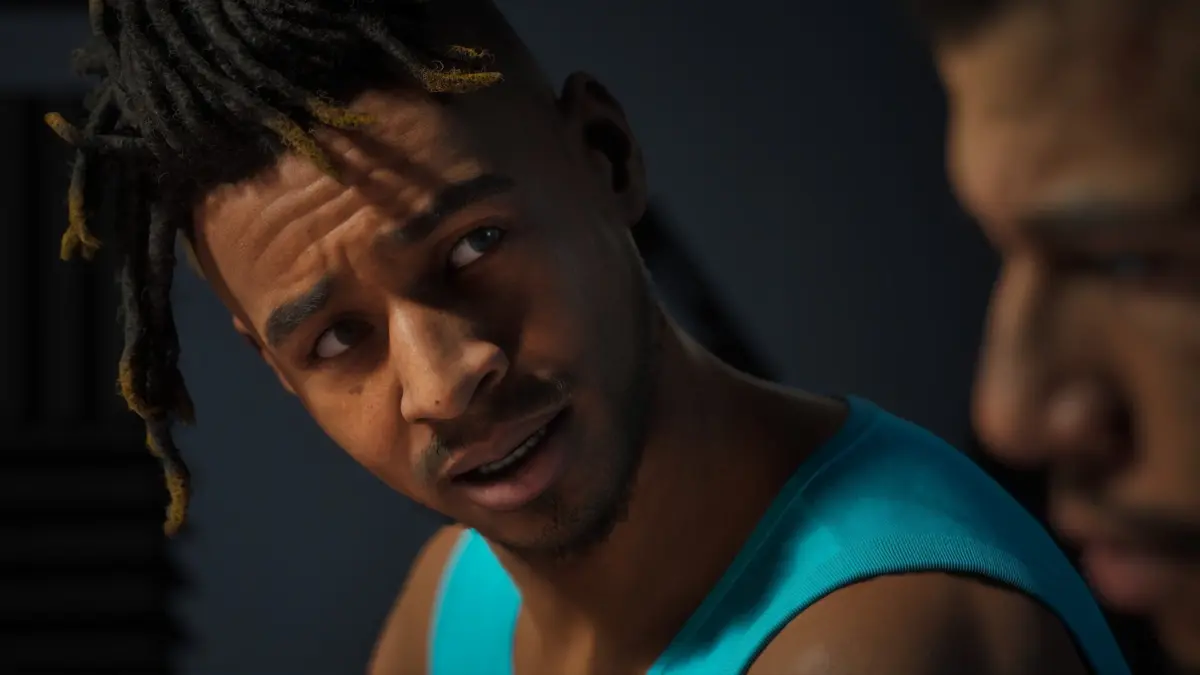
Build A Rocket Boy, the ambitious game development studio founded by Rockstar Games veteran Leslie Benzies, has officially appointed administrators. The move marks a definitive, and perhaps final, chapter in a tumultuous period for the company, which has spent the last year grappling with a disastrous product launch, severe financial losses, and a series of high-profile legal and internal conflicts.
A filing with the United Kingdom’s Companies House has confirmed the studio’s insolvency. While the specific details of the filing remain pending at this time, the company has confirmed to GamesIndustry.biz that the Opus Advisory Group has been appointed to oversee the administration process. In the context of corporate law, the appointment of an administrator signals that a firm is no longer capable of meeting its financial obligations and requires legal protection from creditors seeking to recover debts.
The collapse follows a period of extreme fiscal instability. According to the company’s most recent financial accounts, covering the 12-month period ending September 30, 2025, Build A Rocket Boy reported a staggering operating loss of £47.5 million. The company’s net loss for that same fiscal year stood at £36.2 million, and by the end of that reporting period, the studio was burdened with debts to creditors totaling £61.8 million.
A Rapid Decline from High Ambitions
Founded in 2016, Build A Rocket Boy was initially positioned as a major player in the global gaming industry. Under the leadership of Leslie Benzies—a key figure behind the success of the Grand Theft Auto franchise—the studio attracted significant capital from prominent investors, including NetEase Games, RedBird Capital Partners, and Galaxy Interactive. These partnerships once signaled a high level of confidence in the studio’s vision, particularly regarding its debut project, MindsEye.
However, the departure of directors representing those major investment firms over the summer of 2026 served as an early warning sign of the deep internal and structural fractures within the studio. The project that was meant to define the company’s future, MindsEye, was released on June 4, 2025. It arrived to a lukewarm, and often hostile, reception from both critics and players. The game failed to gain the necessary traction to justify the studio’s massive overhead, setting off a cascade of crises that the leadership team was ultimately unable to contain.
Mounting Legal and Labor Disputes
The fallout from the MindsEye launch was immediate. Within weeks of the game’s release, approximately 300 employees were issued notices that they were at risk of redundancy. The scale of the layoffs was unprecedented for the studio, and the manner in which they were handled triggered significant backlash. By October 2025, the IWGB Game Workers union had initiated legal action against Build A Rocket Boy, alleging that the company had failed to follow proper legal protocols during the redundancy process.
As the company’s financial situation deteriorated, the internal culture became increasingly fraught. In early 2026, staff discovered that management had installed Teramind monitoring software on their work computers without prior notification. The move was ostensibly implemented to address security concerns, but it quickly became a lightning rod for employee dissatisfaction.
Co-CEO Leslie Benzies cited the software as a necessary measure to combat what he described as an active effort to sabotage the studio and the MindsEye project. His co-CEO, Mark Gerhard, went further, publicly alleging—though providing no concrete evidence—that a "very big American company" had spent over €1 million throughout 2025 to engage in "criminal activity" against the studio. These claims of corporate espionage were repeated by the company in March 2026 as it announced yet another wave of redundancies. The use of the monitoring software subsequently led to a second round of legal action from the IWGB, this time centered on alleged data privacy violations.
The Final Crisis
Despite these challenges, leadership attempted to steer the company toward a turnaround. In April 2026, the studio released the "Blacklisted" update for MindsEye, which Mark Gerhard described as "a big step forward" for the game and the studio’s broader vision. However, for many within the company, the writing was already on the wall.
By the time another wave of layoffs hit the studio in September 2026, the morale among the workforce had reached a breaking point. Former employees have since spoken out, expressing a deep sense of disillusionment with the leadership’s handling of the company’s trajectory. One former staff member, speaking to GamesIndustry.biz shortly after the initial launch of MindsEye, reflected a sentiment that many would later echo as the company headed toward insolvency.
"I don’t think BARB survives this crisis," the staffer noted. "I believe the end is coming for BARB, and it’s not heralded by saboteurs, but by Mark and Leslie themselves."
The appointment of the Opus Advisory Group now effectively ends the independent operations of Build A Rocket Boy as it was once known. As the administrators take control, the focus shifts to the liquidation of assets and the attempt to settle the millions of pounds in outstanding debt. The story of Build A Rocket Boy serves as a stark reminder of the volatile nature of the modern gaming industry, where even significant backing and high-profile leadership cannot guarantee survival in the face of a failed product launch and deep-seated organizational discord.
The company has yet to provide further updates regarding the future of MindsEye or the specific impact the administration process will have on remaining staff. With legal battles over labor practices still looming and the company officially insolvent, the legacy of one of the industry’s most high-profile independent studios now rests in the hands of its creditors and the administrators tasked with navigating its final dissolution.